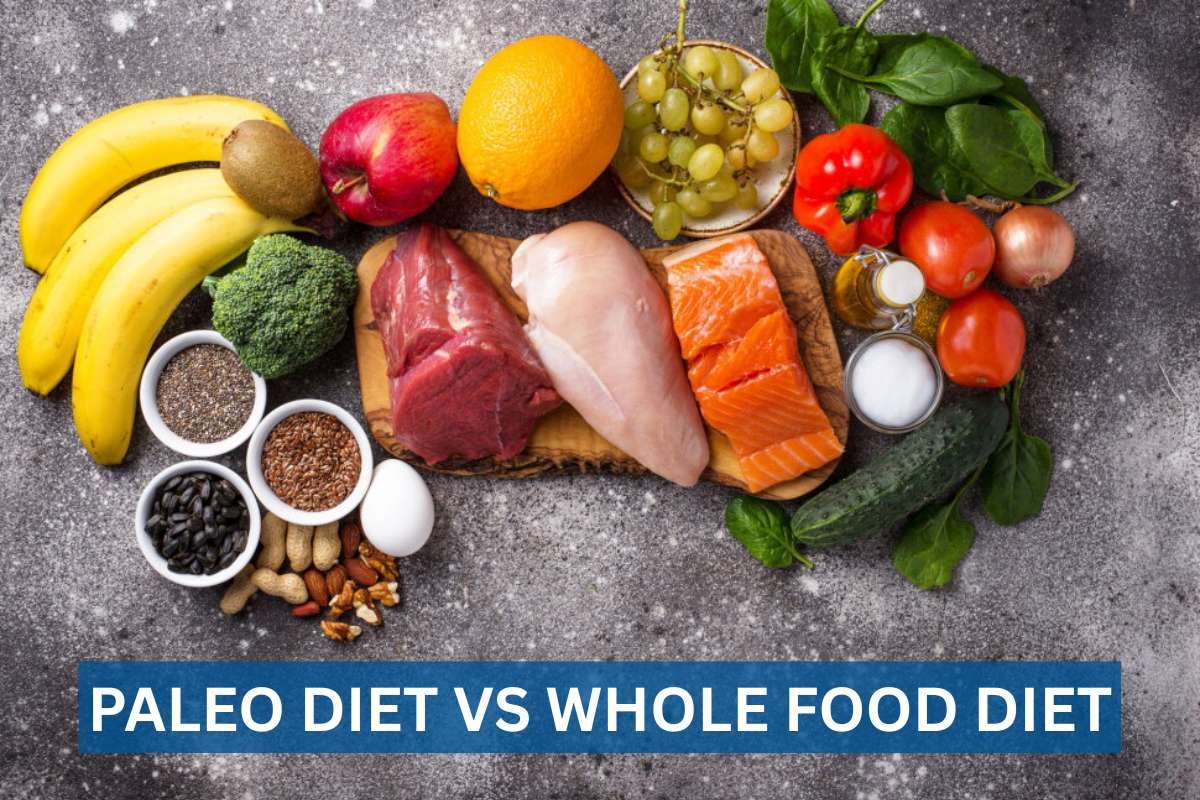
Paleo Diet vs Whole Food Diet comes down to rules versus principles. Both center on vegetables, fruits, nuts, and minimally processed foods. But they aren’t interchangeable: paleo follows an ancestral framework that typically excludes grains, legumes, and dairy, while whole-food eating allows them. So does cutting more foods help, or can a varied whole-food approach deliver similar benefits with fewer restrictions?
This evidence-based comparison covers food choices, nutritional adequacy, weight, metabolic and cardiovascular health, gut health, practicality, and long-term sustainability.
Table of Contents
Paleo Diet vs Whole Food Diet: What Is the Difference?
The main difference is that the Paleo Diet vs Whole Food Diet comparison focuses on rules versus flexibility. Paleo eating follows an ancestral food model and usually excludes grains, legumes, and dairy, while a whole-food diet emphasizes minimally processed foods without banning specific food groups.
What Is the Paleo Diet?
The Paleo diet is based on foods that early hunter-gatherers may have eaten. Typical versions include:
- Vegetables and fruits.
- Nuts and seeds.
- Meat, fish, and eggs.
- Minimally processed oils, such as olive oil.
- No grains, including wheat, oats, and rice.
- No legumes, such as beans, lentils, and peanuts.
- No dairy products, such as milk and cheese.
- Limited added sugar, salt, and highly processed foods.
Grains, legumes, and dairy are restricted because they became common after the development of agriculture. However, Paleo rules vary. Some versions allow certain starchy vegetables, potatoes, or small amounts of dairy, while stricter versions exclude them.
What Is a Whole Food Diet?
A whole-food diet is an eating approach based on foods that are unprocessed or minimally processed. Unlike Paleo, ‘whole-food diet’ does not refer to one standardized dietary prescription. Common choices include:
- Fruits and vegetables.
- Whole grains, such as oats and brown rice.
- Legumes, including beans and lentils.
- Nuts and seeds.
- Fish, eggs, and minimally processed meat.
- Dairy products where appropriate.
- Fewer refined and highly processed foods.
Canned beans, frozen vegetables, and plain yogurt may also fit because they remain relatively close to their natural form.
The Core Difference
| Feature | Paleo | Whole food |
| Core idea | Ancestral food model | Minimize processing |
| Whole grains | Usually excluded | Usually included |
| Legumes | Usually excluded | Included |
| Dairy | Usually excluded | May be included |
| Food processing | Minimally processed | Minimally processed |
| Rules | More prescriptive | More flexible |
For a healthy diet plan for weight loss, either approach can prioritize nutritious foods. A flexible whole-food pattern may be easier to maintain, while Paleo provides clearer restrictions.
Paleo Diet vs Whole Food Diet: What Can You Actually Eat?

Both Paleo and whole-food eating focus on foods close to their natural state, including:
- Vegetables and fruits.
- Nuts and seeds.
- Fish and eggs.
- Minimally processed meats.
- Healthy fats, such as avocado, olive oil, and fatty fish.
Fish such as salmon also provide omega-3 fats, while vegetables, fruits, nuts, and seeds contribute to a diet rich in fibre.
Foods Paleo Restricts That Whole-Food Eating Can Include
The main difference in the paleo diet vs whole-food diet comparison is that whole-food eating includes several nutritious foods Paleo typically restricts:
- Whole grains, such as oats, brown rice, quinoa, and barley.
- Whole-wheat foods.
- Legumes, including beans, lentils, and chickpeas.
- Dairy products, including milk, yogurt, and cheese.
These foods can fit into a healthy diet. Particularly when choosing a whole grain vs. refined grain, plain dairy, and minimally processed options.
Foods That Can Still Be Limited on Both
Neither approach needs to rely on:
- Sugary drinks.
- Highly refined snacks.
- Heavily processed meats.
- Foods high in added sugars.
- Highly processed packaged foods.
For example, plain oats may fit a whole-food diet, but an oat-based snack high in added sugar may not be a nutritious choice.
Weight, Blood Sugar and Heart Health: What Does the Evidence Show?
Weight Management
Weight loss depends mainly on calorie intake, food quality and whether a person can maintain the diet. Paleo may increase protein and reduce highly processed foods. A 2015 meta-analysis of four randomized trials found paleo diets reduced waist circumference by an average of 2.38 cm compared with guideline-based control diets. Fibre-rich foods can also improve fullness, especially in a flexible whole-food plan.
Blood Sugar and Diabetes
Both approaches may help blood sugar when they reduce refined carbohydrates and added sugars. However, whole-food eating can also include high-fibre foods such as oats, whole grains, beans and lentils. These foods may support better blood sugar control and fit a low glycemic index foods approach. The overall dietary pattern matters more than whether it carries a Paleo label.
Cholesterol and Heart Health
Heart health depends partly on fat choices. A Cochrane review of 53,758 participants found that cutting saturated fat lowered combined cardiovascular events by 17%. Unsaturated fats from fish, nuts, seeds, avocado and olive oil are generally preferred. Whole grains also help: a BMJ meta-analysis linked each extra 90 g/day (about three servings) to a 19% lower risk of coronary heart disease and a 22% lower risk of cardiovascular disease. Legumes and other fibre-rich foods also support cholesterol control.
What the Research Actually Tells Us
Mayo Clinic notes that Paleo studies have often been small, short, and based on varying definitions. In the observational REGARDS study, higher Paleolithic-pattern scores were associated with lower mortality, but this design cannot prove that prescribing Paleo causes longer life. Therefore, in the paleo diet vs whole food diet debate, associations should not be treated as proof of causation.
Gut Health, Fiber and Nutritional Adequacy:
What Happens When You Remove Legumes and Whole Grains?
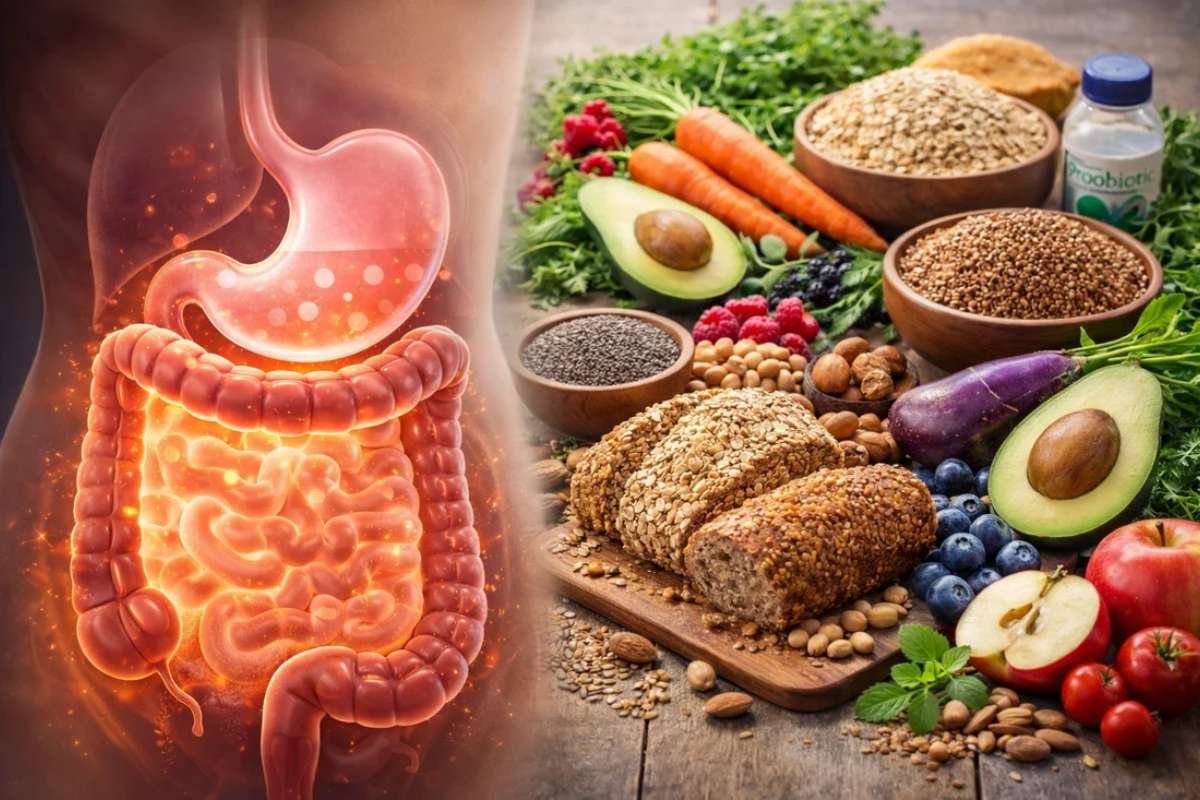
Legumes and whole grains provide fibre, resistant starch, B vitamins, minerals and plant protein. Removing them does not automatically create a deficiency, but it removes some convenient, nutrient-dense foods. It may also reduce the variety of fibres available to gut bacteria.
Can Paleo Provide Enough Fiber?
Yes, but it may require consistently eating large amounts of vegetables, fruits, nuts and seeds. These are useful high fibre foods, but avoiding grains and legumes removes two of the easiest routes to meeting fibre needs. The result depends on food choices, not the Paleo label.
What Does Whole-Food Eating Offer?
A whole-food pattern allows more variety, including:
- Legumes, such as beans, lentils and chickpeas.
- Whole grains, such as oats and barley.
- Vegetables, fruits, nuts and seeds.
- Fermented foods, such as plain yogurt, kefir and fermented vegetables.
This wider choice provides different types of dietary fiber and prebiotic compounds that can interact with gut microbes. Probiotic and prebiotic foods are not identical: probiotics contain live microorganisms, while prebiotics provide compounds that beneficial microbes can use.
In the paleo diet vs whole food diet comparison, whole-food eating therefore offers more flexibility for gut-supportive variety. Overall dietary quality may also matter when considering how food affects mental health, although diet alone should not be presented as a direct treatment for mental-health conditions.
How to Choose Between Paleo Diet vs Whole Food Diet?
If Your Priority Is Minimizing Ultra-Processed Foods
A whole-food approach can reduce ultra-processed foods without requiring the removal of entire food groups. You can eat vegetables, fruits, whole grains, beans, fish, eggs, nuts, and plain dairy while limiting sugary drinks, refined snacks, and processed meats.
If You Prefer Clear Food Rules
Paleo provides a more defined framework. It usually removes grains, legumes, and dairy, which can make decisions simpler but also creates more restrictions. In the paleo diet vs whole food diet choice, this approach may suit people who prefer firm boundaries.
If Dietary Variety Matters
Whole-food eating makes it easier to include whole grains, legumes, dairy or fortified alternatives, vegetables, fruits, nuts and seeds. It can also support patterns such as the DASH diet or Mediterranean diet, which emphasize variety and cardiovascular-friendly foods.
If You Have Specific Health Needs
Talk with a doctor or registered dietitian before making major changes if you have:
- Diabetes and need a personalized Diet for Diabetes.
- Kidney disease, because protein, sodium, potassium, and phosphorus may require adjustment.
- Digestive conditions, pregnancy, or a nutrient deficiency.
- A history of disordered eating, when restrictive rules may be unhelpful.
A professional can also adapt eating plans for goals such as a diet for hormone balance without unnecessary exclusions. There is no single best diet for everyone.
Can You Combine the Best Principles of Both?

Yes. A middle-ground approach can take Paleo’s focus on food quality while keeping the variety of a whole-food diet. Build meals around:
- Vegetables and fruit.
- Minimally processed proteins, such as fish, eggs, poultry, and beans.
- Nuts and seeds.
- Healthy unsaturated fats, including olive oil and avocado.
- Nutrient-rich whole grains and legumes, if tolerated.
- Dairy or fortified alternatives according to individual needs.
- Limited added sugars, refined foods, and ultra-processed products.
This practical approach recognizes that the paleo diet vs whole food diet choice does not have to be all-or-nothing. The American Heart Association similarly recommends vegetables, fruits, whole grains, legumes, nuts, fish, minimally processed foods, and unsaturated fats instead of saturated fats.
The same principles appear in broader patterns, although each has a different emphasis:
- The Mediterranean Diet highlights plant foods, fish, and olive oil.
- The DASH Diet supports heart health and blood-pressure management.
- An Anti-Inflammatory Diet emphasizes nutrient-dense foods and healthy fats.
- A Diet for Brain Health often prioritizes fish, vegetables, berries, and nuts.
- The Blue Zone Diet reflects traditional, mostly minimally processed eating patterns.
- A Nutrigenomics Diet considers how individual biology may influence food responses.
These are not necessarily competing packages. They are examples of adapting food quality, variety, and personal goals into a sustainable dietary pattern.
Conclusion:
The Paleo Diet vs Whole Food Diet question isn’t about which label wins. The evidence points to food quality and consistency, not extra restrictions. Paleo’s clear rules can help people who like firm boundaries, but whole-food eating delivers similar benefits while keeping fibre-rich staples like whole grains and legumes on the table. The best diet is the one you can sustain without feeling deprived. If you have a health condition, check with a doctor or dietitian first.
Start small this week: swap one processed snack for a whole food, then build from there.
FAQ:
1. Between the Paleo diet vs whole food diet, what’s the key difference?
No. Paleo is a specific dietary pattern with defined exclusions, while whole-food eating is a broader approach centered on minimally processed foods.
2. What is the main difference between Paleo and whole-food eating?
Paleo restricts foods such as grains, legumes, and dairy, while whole-food eating can include them if they are minimally processed.
3. Can you eat whole grains on a Paleo Diet?
Traditional Paleo diets generally exclude grains, including whole grains such as oats, wheat, and barley.
4. Are legumes allowed on a whole-food diet?
Yes. Beans, lentils, chickpeas, and other legumes can be part of a whole-food eating pattern.
5. Is a whole-food diet the same as a plant-based diet?
No. A whole-food diet can include animal foods, while plant-based diets vary in how much or how little animal food they include.
Links and Sources:
- https://professional.heart.org/en/science-news/2026-dietary-guidance-to-improve-cardiovascular-health/top-things-to-know
- https://www.niddk.nih.gov/health-information/kidney-disease/chronic-kidney-disease-ckd/healthy-eating-adults-chronic-kidney-disease
- https://nutritionsource.hsph.harvard.edu/probiotics/
- https://odphp.health.gov/sites/default/files/2019-10/DGA_Healthy-Eating-Pattern.pdf
- https://www.nyc.gov/site/doh/health/health-topics/whole-foods.page
- https://www.mayoclinic.org/healthy-lifestyle/nutrition-and-healthy-eating/in-depth/paleo-diet/art-20111182