Want to support your gut health through food? Start with both probiotic and prebiotic foods, not just one. Probiotics are live microorganisms that may benefit your gut, while prebiotics are the fibers your existing gut microbes use as fuel. The two aren’t interchangeable, and not every fermented food qualifies as a probiotic. The good news: a varied, whole-food diet can naturally supply both.
Researchers are still exploring how gut microorganisms shape digestion, immunity, and broader health, but the evidence isn’t strong enough yet to call probiotics or prebiotics a cure-all. Rather than chasing one “miracle” food, you’ll learn how to identify genuine sources, combine them thoughtfully, and introduce them gradually for lasting gut support.
Probiotic and Prebiotic Foods: What’s the Difference?
Probiotics and prebiotics both support gut health, but they work differently. Probiotics are live microorganisms that you consume, while prebiotics are food components that feed the beneficial microbes already in your gut.
Probiotics: Live Microorganisms
Probiotics are defined as “live microorganisms that, when administered in adequate amounts, confer a health benefit on the host.” Common food sources include yogurt, kefir, kimchi, sauerkraut, and some fermented milks.
A food containing live cultures isn’t automatically a probiotic food. To meet the scientific definition of a probiotic, the microorganism must be alive, present in an adequate amount, and shown to provide a health benefit.
Prebiotics: Food for Your Gut Microbes
Prebiotics are non-digestible food components that are selectively utilized by host microorganisms, conferring a health benefit. They are not fully digested in the upper gut and reach the colon, where beneficial bacteria ferment them.
Many prebiotics occur naturally in plant foods. Examples include certain fibers and fermentable carbohydrates like inulin, fructooligosaccharides (FOS), and resistant starch. Scientific literature emphasizes selective fermentation and specific effects on the gut microbiota, rather than equating prebiotics with all dietary fiber.
Probiotic and Prebiotic Foods
Understanding Probiotics and Prebiotics helps you support your microbiome from two angles: adding beneficial microbes and feeding the ones you already have. For more practical guidance, explore our guide on foods for gut health.
| Probiotic foods | Prebiotic foods | |
| What are they? | Foods containing live microorganisms | Foods containing components used by gut microbes |
| Common sources | Yogurt, kefir, kimchi | Oats, onions, garlic, legumes, bananas |
| Main role | Add microorganisms | Provide substrates for microorganisms |
| Label clue | “Live and active cultures” | Usually identified by fiber/food co |
Here Are Some Best Probiotic Foods to Add to Your Diet

Adding probiotic-rich foods is a simple way to support your gut. The key is choosing products that still contain live microbes when you eat them.
Dairy Ferments
- Yogurt: Look for “live and active cultures” on the label. Choose plain or low-sugar versions; Greek yogurt adds extra protein.
- Kefir: A drinkable fermented milk (dairy or non-dairy). It’s an easy probiotic boost for smoothies or breakfast bowls.
Fermented Vegetables
- Sauerkraut, kimchi, and certain fermented pickles: These can be rich in live cultures if they’re unpasteurized and refrigerated. Shelf-stable versions are often heat-treated, which kills the bacteria.
Fermented Soy Foods
- Tempeh and miso: Made from fermented soybeans, these can contain beneficial microbes. Add miso to warm (not boiling) soups to preserve live cultures.
Certain Cheeses and Cultured Dairy
Not every cheese qualifies. Only some aged, raw-milk, or specifically cultured cheeses contain live microbes; many are pasteurized or processed, eliminating probiotics. Check labels for “live cultures.”
- Kombucha
This fermented tea may contain live microbes, but fermentation alone doesn’t guarantee a clinically meaningful probiotic effect. Strains and amounts are often undefined.
Understanding probiotic and prebiotic foods helps you pick options that truly support your microbiome.
Not all fermented foods are probiotic foods. Here’s how to check: look for “live and active cultures,” choose refrigerated (not shelf-stable) ferments, and if you’re trying to preserve live cultures, avoid heating probiotic foods. Cooking or pasteurization can reduce or eliminate viable microorganisms.
Best Prebiotic Foods to Feed Your Gut Microbes:
| Category | Food | Prebiotic Benefit |
| Fruits | Bananas (especially slightly green) | Provides resistant starch and some inulin |
| Apples | Rich in pectin, a soluble fiber that ferments into short-chain fatty acids | |
| Berries and other fiber-rich fruits | Offer polyphenols and fibers that support microbial diversity | |
| Vegetables | Garlic and onions | Among the richest dietary sources of inulin and fructooligosaccharides (FOS) |
| Asparagus, leeks, Jerusalem artichokes | Contain inulin-type fructans that selectively feed beneficial bacteria | |
| Whole Grains | Oats and barley | Provide beta-glucan, a well-studied prebiotic fiber |
| Whole wheat and wheat bran | Contribute fermentable fibers and resistant starch | |
| Legumes | Lentils, chickpeas, beans | Supply diverse fermentable fibers, including galactooligosaccharides (GOS) and resistant starch |
| Nuts and Seeds | Flaxseed and chia | Offer soluble fibers and mucilage that reach the colon for fermentation |
| Other Sources | Chicory root | One of the most concentrated natural sources of inulin |
| Cocoa, jicama, seaweed, avocado | Provide additional prebiotic fibers and polyphenols |
Understanding probiotic and prebiotic foods helps you pair microbe-rich foods with the fibers that feed them. For more ideas, see our guide on High Fibre Foods.
How to Combine Probiotic and Prebiotic Foods?

The goal isn’t a “magic” probiotic–prebiotic combo, but to include both categories regularly as part of a varied eating pattern. This supports a diverse, well-fed microbiome over time.
Practical Combinations
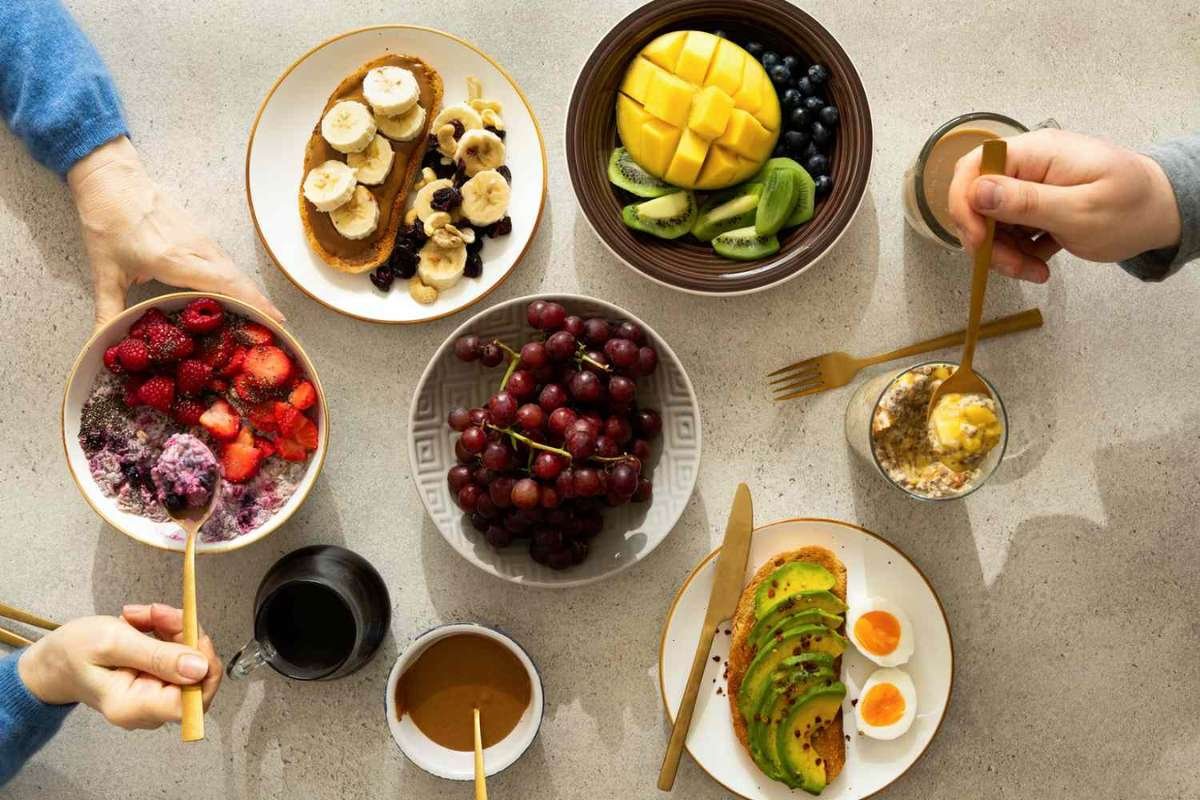
Breakfast: Yogurt + oats + banana + chia
Snack: Kefir + berries
Lunch: Lentil bowl + mixed vegetables + a side of fermented vegetables (sauerkraut/kimchi)
Dinner: Tempeh + whole grains + vegetables
These pairings naturally bring together live cultures and fermentable fibers in the same meal.
Indian-Friendly Pairings
- Curd/yogurt + oats + banana
- Dal + onion/garlic + vegetables
- Idli/dosa (fermented batter) + vegetable side or sambar
- Curd rice with mixed vegetables and fiber-rich additions (e.g., peas, beans)
- Whole-grain roti + dal + mixed vegetables
A simple rule: A practical approach is to include a probiotic-containing food and a prebiotic-rich food in the same meal when it suits your diet.
Be mindful with traditional fermented foods: fermentation doesn’t automatically mean the final product still contains live probiotic microorganisms, especially if it’s heated, canned, or shelf-stable. Look for “live cultures” or choose freshly prepared, refrigerated options.
How to Build a Gut-Friendly Day of Meals
A gut-friendly day doesn’t need perfection, just a simple template that combines fiber, fermented foods, and whole-food bases.
One-Day Template
| Meal | Formula | Example |
| Breakfast | Probiotic + prebiotic + protein | Yogurt or kefir + oats + banana + chia/flax |
| Lunch | High-fiber plant foods + whole grain + optional fermented food | Lentil/bean bowl with mixed vegetables, brown rice or roti, and a small side of sauerkraut or kimchi |
| Snack | Fruit + yogurt/kefir/nuts | Apple or berries with a small cup of kefir or a handful of nuts |
| Dinner | Legumes or soy + vegetables + whole grain | Dal, chickpeas, or tempeh with stir-fried vegetables and whole-grain roti or quinoa |
The “3-Part Gut Plate”
| Part | Component | Examples |
| 1 | Plant fiber source | Vegetables, fruit, legumes, whole grains, nuts/seeds |
| 2 | Probiotic food (when appropriate) | Yogurt, kefir, fermented vegetables, miso, not required at every meal |
| 3 | Protein/healthy fat/whole-food base | Eggs, dal, tofu/tempeh, fish, nuts, olive oil, whole grains |
You don’t need probiotics at every meal. Focus on daily variety and consistent fiber. Understanding probiotic and prebiotic foods this way makes it easy to build balanced, gut-supportive plates.
Do You Need Probiotic or Prebiotic Supplements?

For most people, a food-first approach is best. Whole foods provide not only probiotics or prebiotics, but also vitamins, minerals, and other compounds that support overall health.
Food Sources vs Supplements
Fermented foods (yogurt, kefir, kimchi) and fiber-rich plants (oats, onions, legumes) can cover many needs without supplements. Supplements may be considered when specific strains are needed for a defined purpose, or when diet alone isn’t enough, under guidance from a clinician.
Why More CFUs Isn’t Automatically Better
There is no universally appropriate CFU target. The amount studied varies by strain, product, and health outcome, so a higher CFU count doesn’t automatically mean greater benefit.
Strain Specificity Matters
Different products contain different microorganisms. Benefits are strain-specific, so “Lactobacillus acidophilus” alone isn’t enough; the full strain code (e.g., LGG, Bb-12) matters. Always check labels for genus, species, and strain, and for CFU guaranteed through expiry.
Supplements Aren’t a Replacement for a Varied Diet
Mayo Clinic and NIH note that evidence for probiotics and prebiotics is still developing, and supplements aren’t regulated like foods or medications. They work best as targeted additions, not substitutes for diverse eating.
Individual responses to foods can vary. This is why personalized approaches, such as those explored in a nutrigenomics diet, are gaining interest. Probiotic and prebiotic Foods in this context help you decide when food is enough and when a supplement might be worth discussing with a professional.
Who Should Be More Careful with These Foods
Most healthy adults can generally add probiotic and prebiotic foods as part of a balanced diet. The safety picture changes, however, for certain groups. Especially when it comes to supplements.
Who Should Be More Careful?
- People with significant gastrointestinal symptoms: Those with severe bloating, pain, or diagnosed gut disorders may react unpredictably to high-fiber prebiotics or strong ferments. Start low, go slow, and seek guidance if symptoms persist.
- People with certain underlying medical conditions: Conditions that affect the gut barrier or immune function (e.g., short bowel syndrome, critical illness) increase risk from live microbes.
- Immunocompromised individuals: People with weakened immune systems (from disease, chemotherapy, transplant medications, or advanced HIV) face a higher risk of rare but serious infections from probiotic organisms.
- People undergoing certain cancer treatments: MD Anderson specifically advises cancer patients to discuss probiotic supplement use with their care team and generally does not recommend over-the-counter probiotics during treatment.
- Infants and premature infants: The FDA and AAP warn against routine probiotic use in preterm or very low–birth-weight infants due to reports of invasive, sometimes fatal infections.
- Anyone considering supplements while taking medication: Interactions and safety depend on the product and your health status; physician review is important for immunosuppressants, blood-sugar–lowering drugs, and complex regimens.
The key distinction: food and supplements are not the same risk category. Probiotics and prebiotics this way help most people eat confidently while reserving supplements for cases where a clinician says they’re appropriate.
Conclusion:
Building gut health isn’t about finding one perfect food. It is about consistent, varied choices. Probiotic and prebiotic foods work best together: live cultures from yogurt or kefir paired with fibers from oats, legumes, and produce give your microbiome what it needs to thrive. Start small, introduce new foods gradually, and check labels to ensure you’re getting live cultures, not just fermented flavor.
Supplements have their place, but a food-first approach covers the basics for most people. If you have underlying health conditions, check with a professional first.
Try adding one probiotic and one prebiotic food to a single meal this week.
FAQ:
1. Which foods are particularly rich in prebiotic compounds?
Dandelion greens, Jerusalem artichokes, garlic, leeks, and onions are among foods identified as particularly rich in prebiotic fibers or compounds.
2. What food is highest in probiotics?
Kefir can contain a diverse range of live microorganisms, including bacteria and yeasts, but the number and types vary by product and preparation.
3. Which Indian food is probiotic?
Curd (dahi) and buttermilk (chaas) are the most common probiotic-rich foods in Indian cuisine.
4. Can you eat probiotic and prebiotic foods together?
Yes. Combining them can be a practical way to include both in your diet. For example, try yogurt with oats and banana or kefir with berries.
5. What are signs you may not be getting enough dietary fiber?
A low intake of fruits, vegetables, whole grains, legumes, nuts, and seeds may indicate that you’re not getting enough dietary fiber.
Links and Sources:
https://pmc.ncbi.nlm.nih.gov/articles/PMC12899272
https://www.instituteofliving.org/health-wellness/news/newsroom-detail?articleId=68736&publicid=395
https://www.punchiit.ca/post/fermented-foods-health-gut-microbiome
https://plantopedia.ai/guides/best-foods-to-feed-good-gut-bacteria