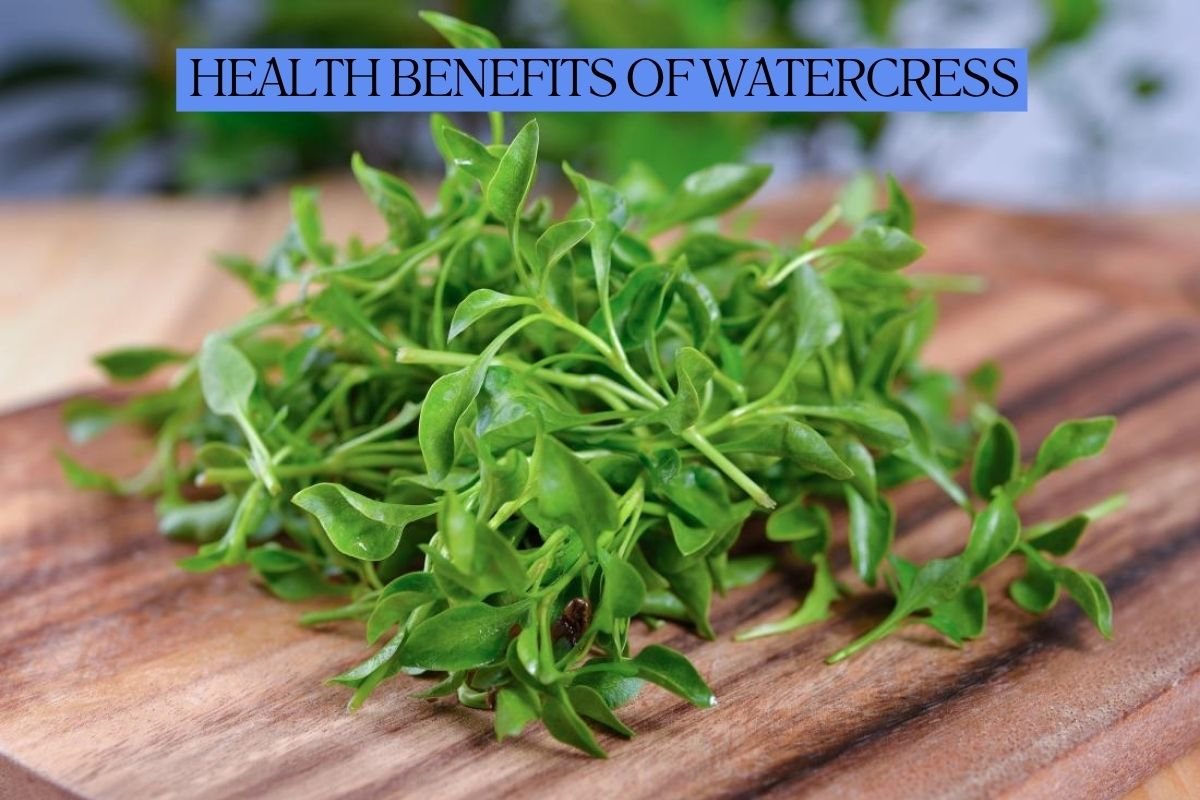
The health benefits of watercress include stronger bones, a healthier heart, sharper eyes, and better immune defense. This peppery green has very few calories and plenty of vitamins, minerals, and plant compounds. A small handful goes a long way.
Here is what you will learn. We will count down seven benefits, from nutrient density to digestion. You will also see who should go easy on watercress and how to eat it every day.
1. It Ranks First Among Powerhouse Vegetables
Watercress belongs to the cruciferous family, alongside kale, broccoli, and cabbage. It grows in cool, running water and tastes fresh and peppery. People once treated it like a weed. Nutrition researchers now treat it like a star.
The CDC ranked fruits and vegetables by nutrient density in a widely cited study on powerhouse produce. Watercress took first place with a perfect score of 100. This is one of the most important health benefits of watercress. Here are the top five ranks.
| Rank | Vegetable |
| 1 | Watercress |
| 2 | Chinese cabbage |
| 3 | Chard |
| 4 | Beet greens |
| 5 | Spinach |
That score reflects a broad mix of nutrients, not one hero vitamin. Watercress also has very few calories. It adds crunch, volume, and nutrition to a meal without adding much energy.
2. It Supports Strong Bones

Start with vitamin K. One cup (34 grams) of raw, chopped watercress contains 85 micrograms (mcg) of vitamin K. Vitamin K helps your body build and maintain bone tissue.
Watercress also supplies calcium, magnesium, and potassium. These minerals work with vitamin K to support your skeleton. A diet rich in nutrient-dense vegetables supports your bones as you age.
Greek physician Hippocrates reportedly called watercress the cure of cures. He allegedly built his first hospital near a river so he could grow it for patients. Modern bone science gives that old story some backing.
3. It Helps Your Heart
Watercress contains dietary nitrates, which reduce inflammation and ease stiffness in your blood vessels. Potassium helps balance sodium and supports healthy blood pressure. These health benefits of watercress add up when you eat it often.
Antioxidants play a role too. They help calm oxidative stress, a key driver of heart disease. Better blood flow may also support athletic performance, which is why some active people add leafy greens before a workout.
Animal studies suggest watercress extract may lower cholesterol. Human trials remain limited, so treat that as a bonus. Do not treat it as a promise.
4. It Protects Your Eyes
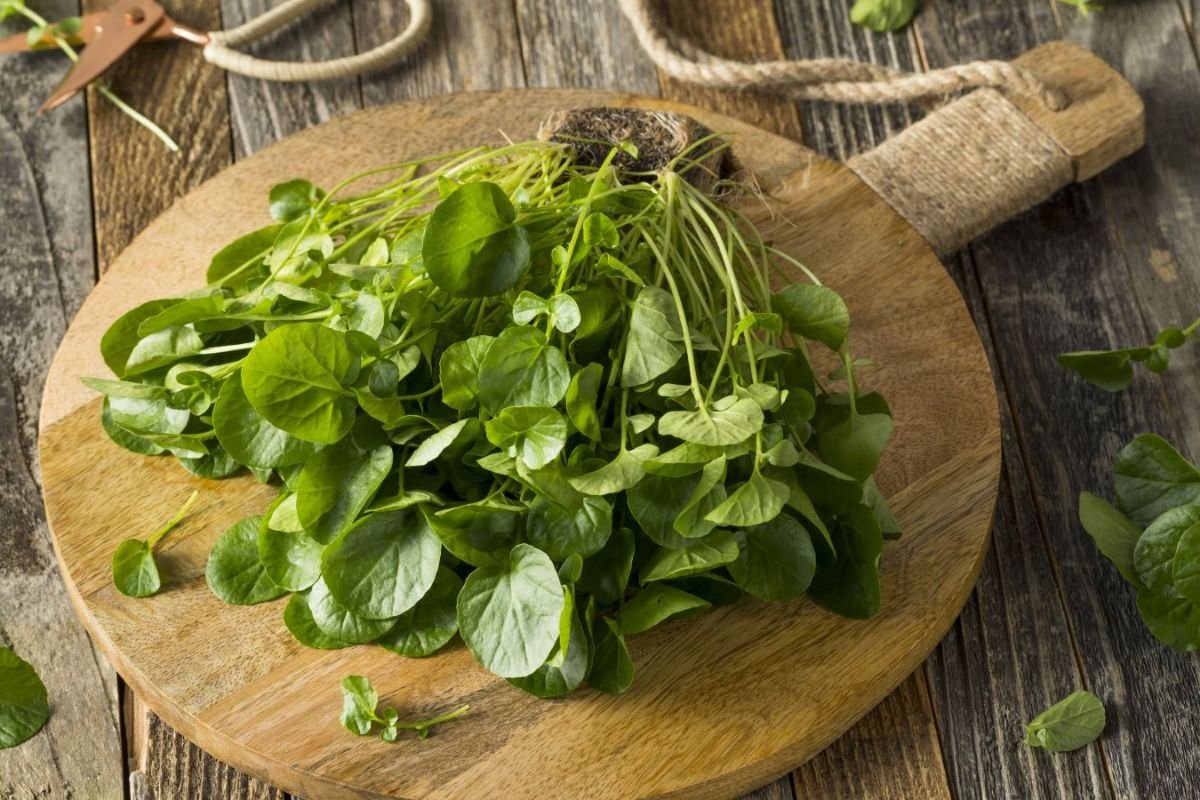
Watercress contains lutein and zeaxanthin, two carotenoids that protect your eyes. Research links these compounds to a lower risk of cataracts and age-related macular degeneration.
Vitamin C and vitamin A add extra support. Together, these nutrients help your eyes handle light, age, and everyday strain. You get all of them in one leafy handful.
This makes watercress a smart pick for anyone who spends long hours on screens. It will not replace an eye exam. It can support your vision from the inside.
5. It Boosts Immunity and Skin Health
Vitamin C handles your immune side. It helps your body make infection-fighting white blood cells. It also supports collagen, which keeps your skin, hair, nails, and joints healthy.
Vitamin C improves iron absorption, too. Pair watercress with beans, lentils, or eggs, and you get more iron from the same meal. That trick helps plant-based eaters most.
Vitamin A pitches in by protecting your skin. Eating a varied mix of greens keeps these nutrients coming. Watercress makes that mix easy and tasty.
6. It Contains Plant Compounds That Help Fight Cancer Cells
Many health benefits of watercress come from its plant compounds. Glucosinolates break down into isothiocyanates in your body. Lab research suggests these compounds may slow the growth of cancer cells.
Scientists still need larger human studies. Watercress cannot prevent or cure cancer on its own. Think of it as one smart part of a vegetable-rich diet.
Some sources also point to alpha-lipoic acid, an antioxidant that may help with blood sugar. Evidence in people remains thin. Treat it as a possible perk, not a treatment.
7. It Supports Digestion and Hydration

Fiber supports your digestion. It helps keep you regular and feeds the good bacteria in your gut. A healthy gut supports your mood, your energy, and your immune system.
Watercress is also mostly water. That makes it light, crisp, and refreshing. A big bowl feels satisfying without feeling heavy.
Add it to salads, wraps, and soups to boost your daily vegetable count. Small habits like this build up over weeks. Your body will thank you.
Who Should Limit Watercress?
Most healthy adults can enjoy watercress freely. A few groups should take extra care. This table shows the main concerns.
| Concern | Who should watch out | Smart move |
| Blood thinners | People taking warfarin | Ask your doctor and keep vitamin K intake steady |
| Thyroid health | People with thyroid conditions | Ask your doctor about raw portions |
| Parasites | Anyone eating wild watercress | Buy from trusted growers and wash leaves well |
Vitamin K affects blood clotting, so sudden changes can interfere with warfarin. Watercress also contains goitrogens, which can affect how your body uses iodine.
Wild watercress can carry parasites from the water it grows in. Store-bought bunches from reliable growers carry much lower risk. Rinse them well anyway.
How Can You Eat Watercress Every Day?
To get the health benefits of watercress, eat it raw or lightly steamed. Long cooking can reduce some of its antioxidant compounds. Add it near the end of any hot dish.
Try these easy ideas.
- Toss a handful into your regular salad.
- Layer it into sandwiches or wraps instead of lettuce.
- Blend it into pesto with olive oil and nuts.
- Stir it into soup right before serving.
- Fold it into scrambled eggs or an omelet.
- Add a small handful to a green smoothie.
- Cook it quickly with ginger as a side dish.
Start small if the peppery bite feels strong. Mix watercress with milder greens like romaine or baby spinach. You will soon crave the kick.
Final Thoughts
Watercress tops the CDC’s nutrient density ranking and costs you almost no calories. The health benefits of watercress reach your bones, heart, eyes, and immune system. Pick up a fresh bunch on your next grocery trip. Add a handful to tonight’s dinner and see how it feels. Then share this list with a friend who needs a new favorite green.
FAQs
1. How much watercress should you eat in a day?
No official dose exists. One cup of chopped leaves most days makes a practical serving.
2. How do you pick fresh watercress?
Look for bright, dark green leaves. Store the stems in a glass of water in your fridge.
3. Do the health benefits of watercress change if you juice it?
Juicing keeps many vitamins but removes most fiber. Eating the leaves whole usually gives you more.
4. What does watercress taste like?
It tastes peppery and slightly tangy, a bit like arugula but fresher.
5. Can you grow watercress at home?
Yes. It grows year-round in hydroponic setups and loves constant moisture.