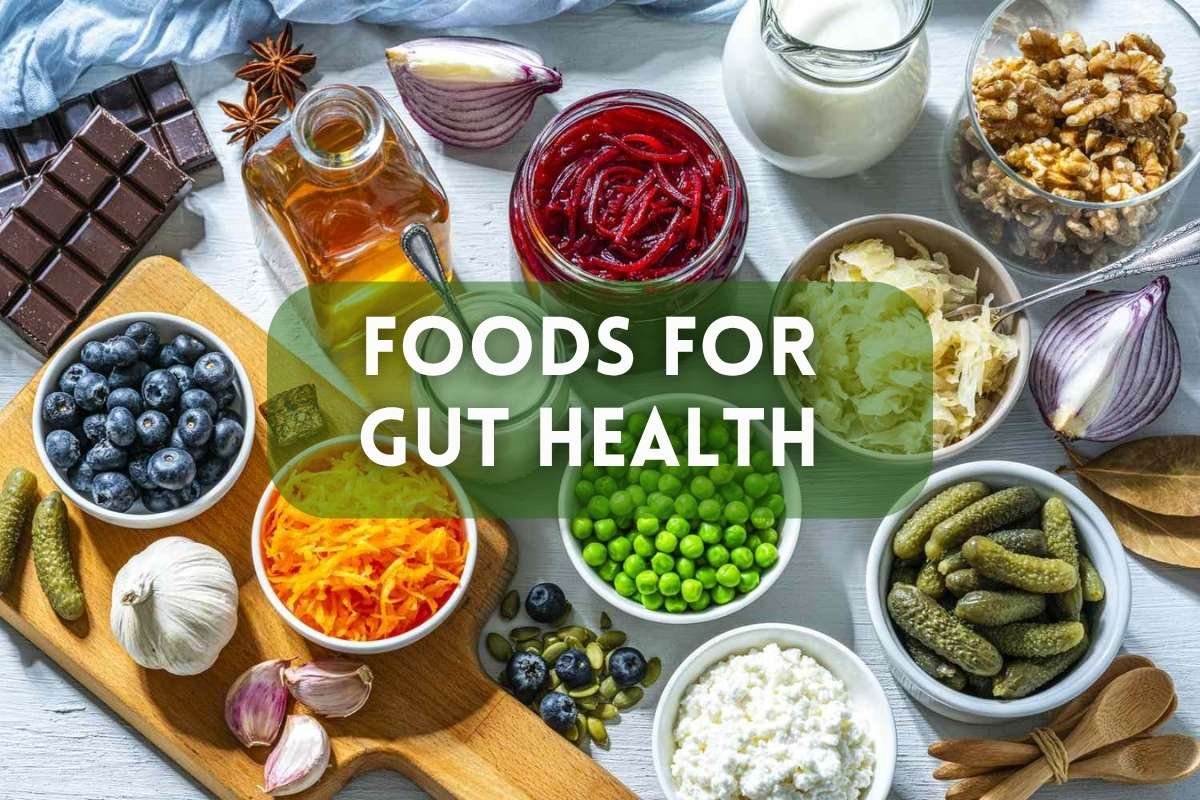
Fibre-rich plants, prebiotic foods, fermented foods, and a variety of minimally processed foods are the best foods for gut health. Greater gut-microbiome diversity has been linked to eating more than 30 different plant foods per week compared to eating 10 or fewer, but this is observational evidence rather than a set goal. Individual tolerance, variety, and overall dietary patterns are all important.
Learn what to eat, how microbes are fueled by fiber, why prebiotics selectively support beneficial microorganisms, how fermented foods may supply live microbes, where foods high in polyphenols fit in, how to add them practically, and what to look out for.
What Are the Best Foods for Gut Health?
The best foods for gut health come from several categories, not one “superfood.” High-fibre foods deserve special attention because fibre supports bowel regularity and gives gut microbes material to ferment. Aim for variety, include minimally processed foods, and consider your individual tolerance.
| Food category | Examples | Why it matters |
| Fibre-rich | Oats, barley, beans | Supports bowel function and microbial fermentation |
| Prebiotic | Garlic, onion, legumes, oats | Provides substrates for beneficial microbes |
| Fermented | Live yogurt, kefir, kimchi, sauerkraut | May provide live microorganisms |
| Polyphenol-rich | Berries, herbs, cocoa, tea | Plant compounds interact with gut microbes |
| Diverse plants | Fruits, vegetables, nuts, seeds | Broadens dietary—and potentially microbiome—diversity |
| Unsaturated-fat sources | Olive oil, avocado, walnuts, seeds | Supplies heart-supportive fats within a balanced pattern |
Key Foods
Prioritize leafy greens, cruciferous veggies, legumes, apples, pears, chia/flaxseeds, and polyphenol-rich foods like berries, cocoa, and green tea. Fermented foods also support microbial diversity.
Fibre-Rich Foods That Support Your Gut
Fibre-rich foods support digestion and the gut microbiome by fermenting into short-chain fatty acids, which supply over 70% of the energy for colon-lining cells and roughly 10% of total daily energy, while increasing SCFA-producing bacteria by 2- to 4-fold.
- Whole grains
- Opt for whole grains like oats, barley, brown rice, whole-wheat roti, bread, and pasta. They deliver diverse fibres, such as beta-glucan and resistant starch, which gut bacteria ferment into beneficial short-chain fatty acids while boosting your diet’s variety.
- Beans and legumes
- Lentils and beans are rich in soluble fibre, resistant starch, and plant protein. Boost your dals, soups, salads, and curries by adding them; just scale up portions gradually to avoid gas.
- Fruits
- Berries, bananas, citrus, and pears supply fibre, water, and polyphenols. Leave edible skins on for extra fibre.
- Vegetables
- Eat a colorful mix of vegetables, like broccoli, spinach, and carrots. This helps to diversify your fibre intake rather than eating the same one every day.
- Nuts and seeds
- Almonds, chia seeds, ground flaxseeds and walnuts add fibre, healthy fats and plant compounds. Try chia in overnight oats or ground flaxseed in yogurt, smoothies or porridge.
Soluble and insoluble fibre
Fibre is not one single substance. Soluble fibre absorbs water, forms a gel and is found in oats, barley, beans, fruits and some vegetables. Insoluble fibre adds bulk and helps food move through the digestive tract; whole grains, vegetables, nuts and seeds are useful sources.
Increase fibre gradually and drink adequate fluids, particularly when adding bran, seeds or legumes. Individual tolerance matters: people with IBS or other digestive conditions may need personalised guidance.
Prebiotic and Probiotic Foods: What’s the Difference?
Prebiotics and probiotics support gut health in different ways. Prebiotics are substrates that beneficial microorganisms can selectively use, essentially providing fuel for helpful microbes. Common food sources include garlic, onions, leeks, asparagus, chickpeas, lentils, oats, barley and bananas. Better Health Channel also identifies legumes, whole grains and some nuts as sources of prebiotic fibre.
Probiotics are live microorganisms that, when consumed in adequate amounts, provide a health benefit. Food examples include yogurt with live cultures, kefir and some fermented foods. However, the presence of fermentation does not automatically make a food a proven probiotic. A fermented product may contain live microorganisms. But the strains, amounts, and proven benefits can vary.
| Type | What it does | Food examples |
| Prebiotic | Feeds selected resident microorganisms | Garlic, onions, lentils, oats, barley, bananas |
| Probiotic | Provides specific live microorganisms with demonstrated benefits | Live-culture yogurt, kefir, and selected products |
A balanced gut-health diet includes varied options like oats with banana, yogurt with flaxseed, or lentils with garlic and onions. Increase these foods gradually to test your tolerance and avoid gas or bloating. For more details, explore probiotic and prebiotic foods. Note that while these foods support digestion, they are not a medical cure.
Fermented and Polyphenol-Rich Foods for Microbiome Diversity:
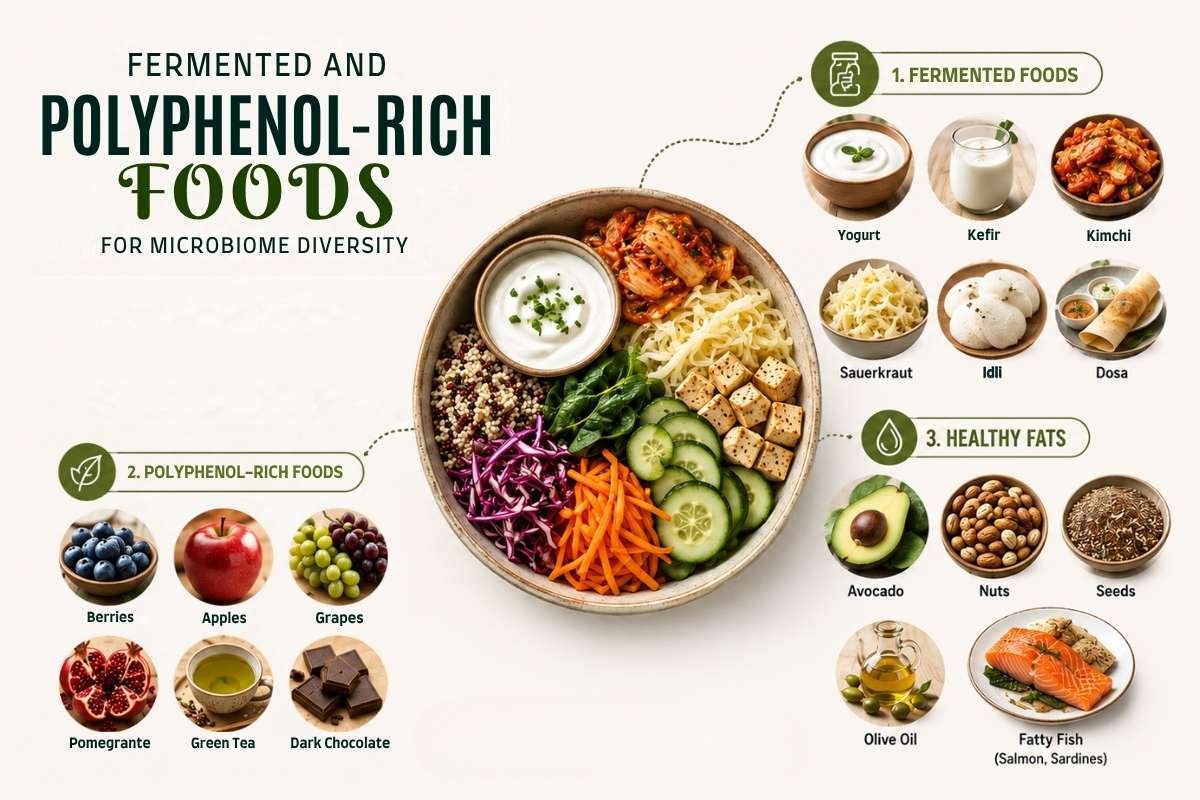
Fermented and polyphenol-rich foods can add variety beyond the usual fibre-focused approach. Their components may interact with gut microbes and influence the substances microbes produce.
Fermented foods:
Try yogurt with live cultures, kefir, kimchi, sauerkraut, tempeh, sourdough, and traditional fermented foods such as kombucha. Better Health Channel lists these as examples, but remember that not every fermented product contains live microorganisms at the time you eat it. Choose options with less added sugar and salt where possible.
Polyphenol-rich foods:
Include berries, colourful vegetables, herbs, spices, nuts, tea, coffee and unsweetened cocoa or dark chocolate. Polyphenols are plant compounds that gut microbes can transform into metabolites; research suggests they may influence microbial composition, although effects vary between foods and individuals. Use whole foods rather than relying on concentrated supplements.
Healthy fats:
Extra-virgin olive oil, nuts, seeds and fatty fish such as sardines or salmon fit well into a gut-supportive eating pattern. Fatty fish can also help you explore omega-3 foods, while the wider pattern naturally connects with an anti-inflammatory diet.
A simple meal might combine plain yogurt, berries, oats, and ground flaxseed, or pair lentil curry with colourful vegetables and a spoonful of fermented pickle. Introduce unfamiliar foods gradually, especially if you experience bloating or have a digestive condition. Together, these choices can make a varied gut-friendly eating pattern more enjoyable and practical.
How to Build a Healthy Plate with Foods for Gut Health:
“It’s not just about eating more vegetables. It’s about diversity. Each plant feeds a different microbial population, and diversity is the marker that predicts metabolic health.”
— Prof. Tim Spector, Genetic Epidemiologist & Gut Health Researcher.
A simple gut-friendly plate can make healthy eating easier:
- ½ plate: Vegetables and other plant foods, including leafy greens, carrots, broccoli or seasonal vegetables.
- ¼ plate: Whole grains or high-fibre carbohydrates, such as brown rice, oats, millet, barley or whole-wheat roti.
- ¼ plate: Protein, including dal, chickpeas, beans, fish, eggs, tofu, paneer or lean meat.
- Add: A small portion of nuts, seeds or olive oil, plus yogurt or another tolerated fermented or prebiotic food.
This approach is consistent with Indian dietary guidance that emphasises vegetables and fruits alongside whole grains, pulses, nuts, seeds, dairy or other protein sources, and healthy fats.
Easy meal ideas:
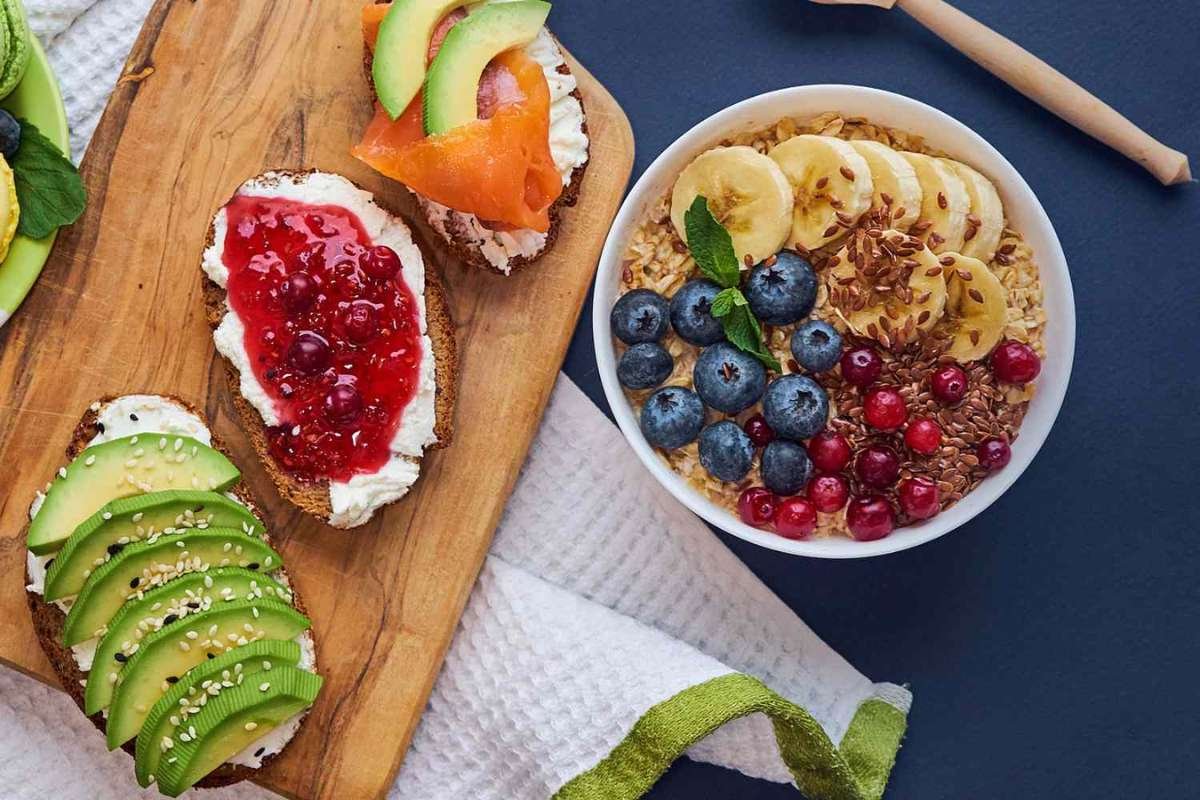
- Breakfast: Oats with banana or berries, nuts or seeds, and plain yogurt.
- Lunch: Brown rice or whole grain with dal or chickpeas, vegetables, and curd.
- Snack: Fruit with almonds or roasted chana.
- Dinner: Whole-grain roti or millet with vegetables and beans, fish or another lean protein.
For Indian-friendly swaps, choose brown rice or mixed grains instead of white rice. Choose whole-grain options instead of refined flour, and roasted nuts or chana instead of fried snacks. And fruit with unsweetened yogurt instead of a sugary dessert. This flexible structure can support a healthy diet plan for weight loss without eliminating food groups. It naturally encourages whole grains and more plant foods. Whether you follow an omnivorous, vegetarian, or plant-based vs vegan diet (comparison) pattern. A varied gut-friendly plate is more sustainable than chasing one perfect meal.
Foods That May Trigger Digestive Symptoms:
A nutritious food can still cause bloating, reflux, gas, or diarrhoea in some people. Tolerance varies with portion size, preparation, medical conditions, and individual sensitivity; these foods are not universally “bad for the gut.”
| Potential trigger | Who may notice symptoms? |
| Very fatty, fried, or spicy foods | People with IBS, indigestion, or heartburn |
| Carbonated drinks | People prone to bloating or reflux |
| Excessive caffeine | Some people with IBS or heartburn |
| High-FODMAP foods, such as onions, beans or wheat | Some people with IBS |
| Milk and other lactose-containing foods | People with lactose intolerance |
| Personally identified foods | Anyone with a recurring individual trigger |
The NHS lists fatty, spicy and processed foods, caffeine, fizzy drinks and certain foods as possible contributors to IBS, bloating or heartburn. Lactose intolerance can cause bloating, gas, abdominal pain or diarrhoea after milk products. Tolerance differs between individuals.
Track your meals, portions, timing, and symptoms in a diary to spot recurring triggers. Adjust one food at a time to protect your diet’s variety, and never start a restrictive low-FODMAP diet without a dietitian. Especially if you experience severe pain, blood in the stool, weight loss, or persistent vomiting.
How to Improve Gut Health Without Changing Your Entire Diet?
Small, consistent changes can support gut health without requiring a complete diet overhaul:
- Increase fibre gradually: Add one extra serving of oats, vegetables, fruit, beans or whole grains at a time. A sudden increase may cause gas or bloating; adults are generally advised to work toward about 30 g of fibre daily.
- Eat more plant variety: Rotate fruits, vegetables, pulses, whole grains, nuts and seeds instead of repeating the same foods.
- Include tolerated fermented foods: Add plain yogurt, kefir, kimchi or another fermented food in a small serving, checking labels for added sugar and salt.
- Drink enough fluids: Water helps fibre work effectively and supports softer, easier-to-pass stools. Increase fluids alongside fibre.
- Reduce ultra-processed foods: Eat packaged snacks, sugary drinks, processed meats and ready meals less often, replacing some with minimally processed foods.
Gut health is influenced by diet quality, fibre intake, hydration and the variety of plant foods you eat. The NHS recommends adults work toward 30 g of fibre per day, while increasing fibre gradually to reduce the chance of gas and bloating. Drinking enough fluid alongside fibre is also important for healthy bowel function.
Try the 30-plants-a-week challenge:
Count each different fruit, vegetable, legume, whole grain, nut, seed, herb or spice you eat during one week. Aim gradually for 30 different plant foods, not 30 portions. This measurable target encourages dietary diversity without banning favourite foods.
For example, oats, banana, lentils, spinach, tomato, brown rice, almonds and coriander already provide eight plant foods. Adjust the pace to your tolerance and health needs while building a varied diet that supports gut health.
When Food Changes Aren’t Enough?

Healthy eating can support gut health. Speak with a doctor if you have persistent abdominal pain, unexplained weight loss, blood in your stool, ongoing diarrhoea or constipation, recurrent vomiting, difficulty swallowing, or a significant unexplained change in bowel habits. These symptoms may need medical assessment rather than further food restrictions.
Seek urgent care for heavy bleeding, black or tarry stools, severe abdominal pain, frequent vomiting or signs of dehydration.
People with diagnosed irritable bowel syndrome (IBS), inflammatory bowel disease, coeliac disease or food intolerances may need an individualised plan. The best approach may involve testing, medication, symptom monitoring and guidance from a gastroenterologist or registered dietitian, not simply removing more foods.
Foods for Gut Health pattern is a useful foundation, but persistent or worsening symptoms should not be self-managed indefinitely.
Read More:
- These 50 High-Fiber Foods That Keep You Full and Fit All Day
- 9 Fermented Foods for better Digestion and Health
Conclusion
The best foods for gut health are not one magic ingredient. But it is a varied pattern of fibre-rich plants, legumes, whole grains, fermented foods, polyphenol-rich produce, and healthy fats. Start with small, sustainable changes: add one new plant food, increase fibre gradually, include tolerated fermented foods, and drink enough fluids. Pay attention to personal symptoms, and seek medical advice for persistent or concerning digestive changes. Try building one colourful, fibre-rich gut-friendly plate today, and gradually work towards greater plant variety throughout the week.
FAQ:
1. What foods heal your gut?
There are no specific foods for gut health that can heal the gut. For general gut health, focus on fibre-rich plants, prebiotic foods, tolerated fermented foods, whole grains, fruits, vegetables, nuts, and seeds as part of a varied diet.
2. What are the 7 signs of an unhealthy gut?
Common signs of an unhealthy gut include persistent stomach upset (gas, bloating, or heartburn), irregular bowel movements like constipation or diarrhea, constant fatigue, trouble sleeping, new food intolerances, skin irritations such as eczema, and unexplained mood changes or brain fog.
3. What is the fastest way to heal my gut?
There is no proven overnight fix for gut health. A sustainable approach is to gradually increase fibre, eat a wider variety of plant foods, include tolerated fermented foods, stay hydrated, and limit highly processed foods.
4. Which 7 foods can support gut health?
Seven foods that can support a gut-friendly diet include yogurt with live cultures, kefir, kimchi, bananas, garlic, oats, and apples. Their effects can vary depending on the food, preparation, and individual tolerance.
5. What is the best diet for a gut cleanse?
There is no medical need for a special “gut cleanse” diet, as your body naturally cleans itself. The best approach for long-term digestive health is an unprocessed, high-fibre whole-food diet.
Links and Sources:
- https://pmc.ncbi.nlm.nih.gov/articles/PMC10035461
- https://www.betterhealth.vic.gov.au/health/healthyliving/dietary-fibre
- https://isappscience.org/wp-content/uploads/2019/04/Consumer-Guidelines-prebiotic1.pdf
- https://www.nhs.uk/live-well/eat-well/how-to-eat-a-balanced-diet/eating-a-balanced-diet
- https://www.niddk.nih.gov/health-information/digestive-diseases/lactose-intolerance/eating-diet-nutrition