If losing weight were simply about eating less, every diet would be wonderfully simple. Unfortunately, your stomach, appetite, habits, and metabolism did not get that memo.
Calories matter because weight loss requires using more energy than you consume over time. But food quality matters too. The foods behind those calories affect fullness, nutrient intake, blood sugar, and how easy the plan is to maintain.
A healthy diet plan for weight loss combines a manageable calorie deficit with satisfying foods such as vegetables, whole fruits, whole grains, protein, and healthy fats. NIDDK recommends this approach while limiting added sugars, saturated fat, and excess sodium.
What Actually Makes a Healthy Diet Plan for Weight Loss Work?
A healthy diet plan for weight loss works best when three things come together: energy balance, food quality, and sustainability. Weight loss requires a calorie deficit, but what fills those calories can make the process easier or harder to maintain.
| Principle | What it means |
| Energy balance | Create an appropriate calorie deficit |
| Food quality | Choose foods rich in nutrients and fiber |
| Sustainability | Build meals you can continue eating |
This does not mean eliminating carbohydrates, banning treats, or surviving on tiny portions. Foods such as High Fibre Foods can add volume and help meals feel more satisfying while providing useful nutrients.
What is the most important factor in weight loss?
A sustained calorie deficit is necessary for weight loss. Food quality and eating patterns can then influence fullness, nutrient intake, and how well you stick with the plan. NIDDK also emphasizes choosing an eating plan you can maintain over time.
Calories Matter, But Not All Calories Feel the Same
A calorie is still a calorie in terms of energy. The difference is what comes with it. Foods can vary widely in protein, fiber, volume, micronutrients, and how quickly they can be eaten. These factors can affect fullness and make it easier or harder to manage your overall intake.
| Choice | What changes? |
| Sugary drink | Calories with little chewing or fullness |
| Whole fruit | Calories + fiber + volume |
| Pastry | Energy-dense and easy to eat quickly |
| Oats with yogurt | Protein + fiber + greater meal volume |
This does not make one calorie magically different from another. It means food choices can shape hunger, portions, and how comfortable a calorie deficit feels. NIDDK also notes that portion size and food type both matter when managing weight.
Calorie quantity determines the energy balance. Food quality can influence how easy that balance is to maintain. That distinction is central to a healthy diet plan for weight loss.
Build Your Plate Around Protein, Fiber and Food Volume
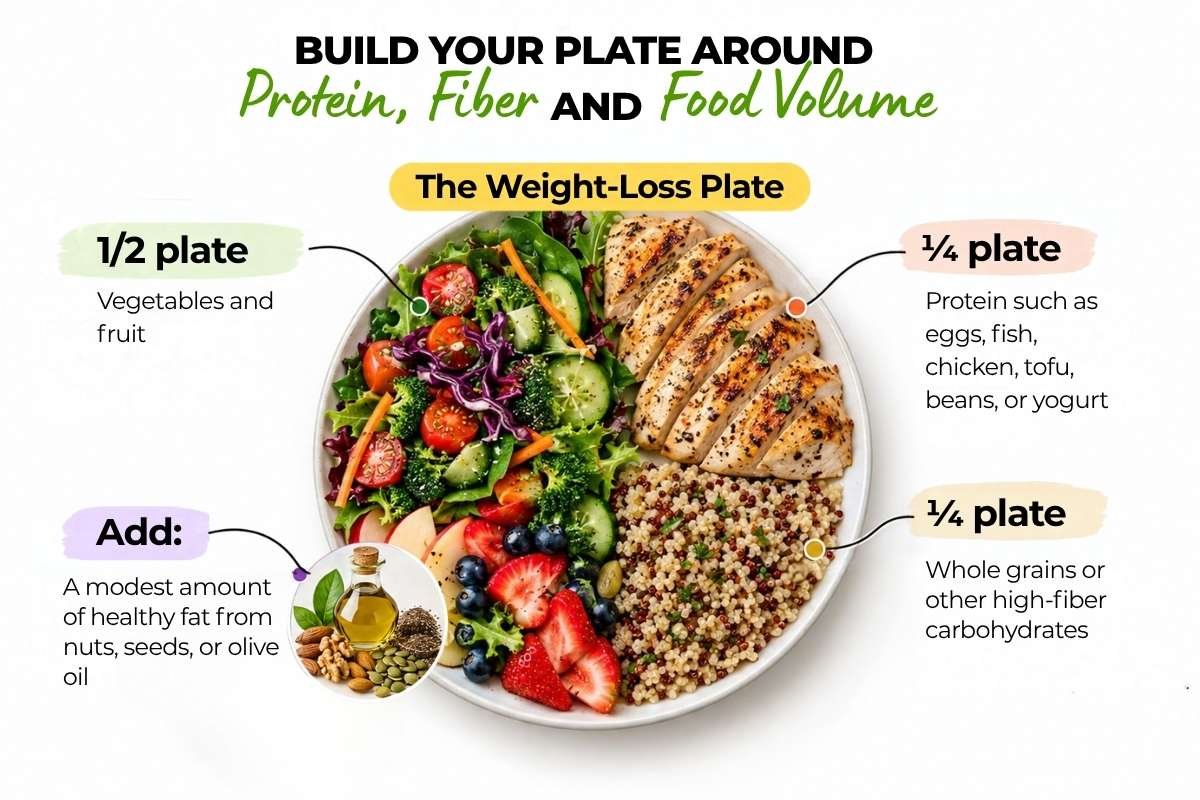
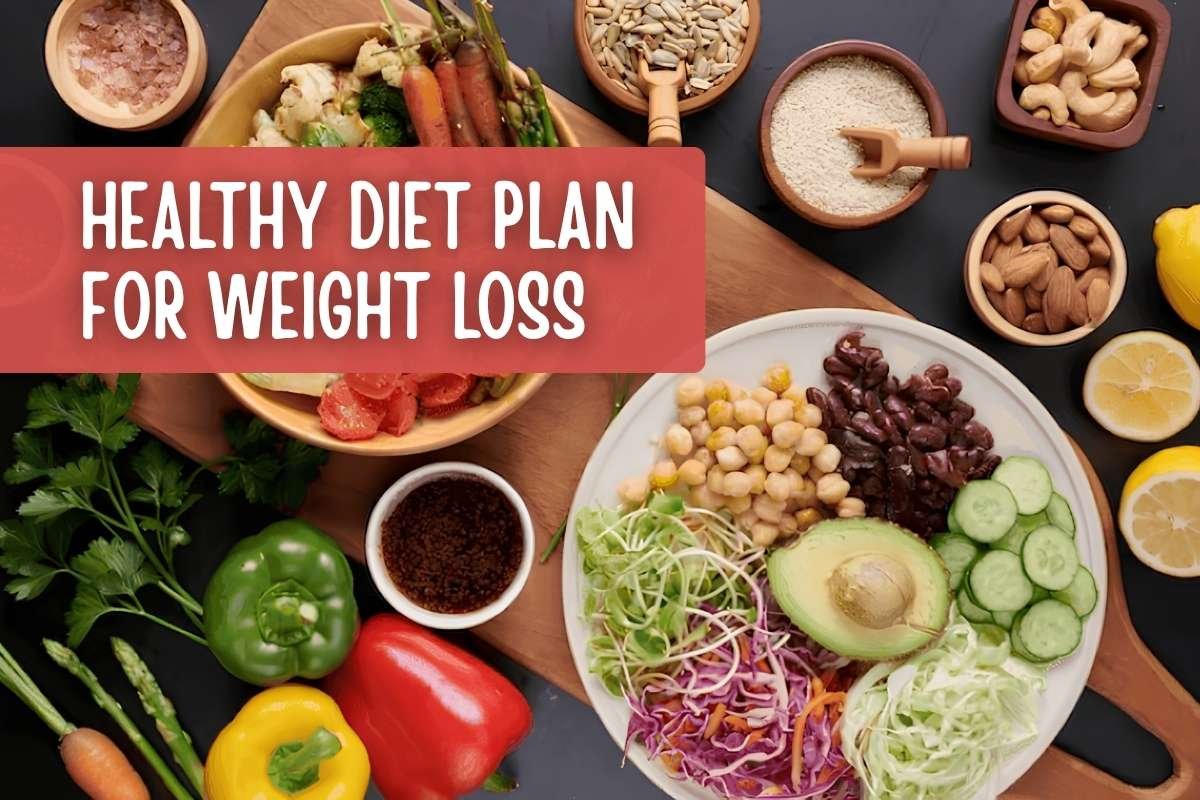
A healthy diet plan for weight loss does not need complicated recipes or tiny portions. A simple plate framework can help balance calories with fullness and nutrition.
The Weight-Loss Plate
- ½ plate: Vegetables and fruit
- ¼ plate: Protein such as eggs, fish, chicken, tofu, beans, or yogurt
- ¼ plate: Whole grains or other high-fiber carbohydrates
- Add: A modest amount of healthy fat from nuts, seeds, or olive oil
Here is why the combination works:
Protein helps with fullness and supports muscle maintenance. Fiber adds volume, supports digestion, and can make meals more satisfying. Vegetables provide plenty of food for relatively few calories, while whole grains provide carbohydrates along with fiber and nutrients. Healthy fats add flavor and useful nutrients, but they are calorie-dense, so portions still matter.
Low Glycemic Index Foods can also fit into this framework. Lower-GI choices may help manage blood glucose responses, but GI alone does not determine whether you lose weight. The overall eating pattern and calorie intake still matter.
What Should You Actually Eat on a Weight-Loss Diet?
Choosing foods for weight loss does not have to mean building a menu around “diet foods.” Start with foods that provide protein, fiber, nutrients, and enough volume to make meals satisfying.
| Food group | Easy choices | Why they fit |
| Protein | Eggs, fish, yogurt, tofu, beans | Protein + satiety |
| Vegetables | Greens, peppers, broccoli, carrots | Volume + micronutrients |
| Fruit | Apples, berries, oranges | Fiber + natural sweetness |
| Whole grains | Oats, brown rice, barley | Fiber + carbohydrates |
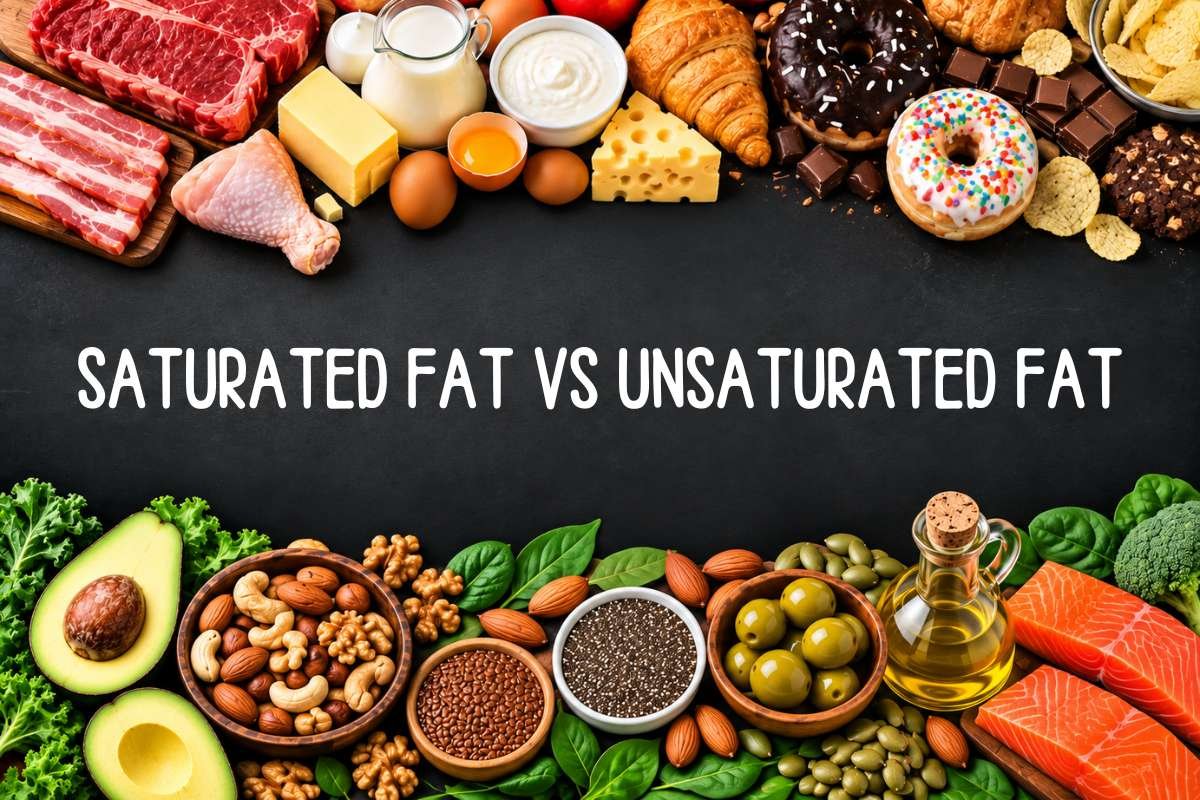
| Healthy fats | Nuts, seeds, olive oil | Unsaturated fats |
| Legumes | Lentils, chickpeas, beans | Protein + fiber |
A Plant-Based Diet can fit this framework especially well. Vegetables, fruits, whole grains, legumes, nuts, and seeds can provide plenty of fiber and micronutrients, while beans, lentils, tofu, and other plant foods can contribute protein.
The aim is not to make every meal perfect. Build most meals around minimally processed, nutrient-rich foods, then adjust portions to your individual energy needs. That makes a healthy diet plan for weight loss more practical to follow over time.
The Metabolic Side of Weight Loss: Blood Sugar, Insulin and Hunger
Your metabolism is not just about calories. What you eat can also affect digestion, blood glucose, and how full you feel after a meal.
Meals built around protein, fiber, and minimally processed carbohydrates can help with:
- Fullness: Protein and fiber can help you stay satisfied for longer.
- Blood glucose: Fiber and less-refined carbohydrates are generally digested more slowly.
- Meal quality: Whole or minimally processed foods provide more nutrients alongside their calories.
Where Does Insulin Fit In?
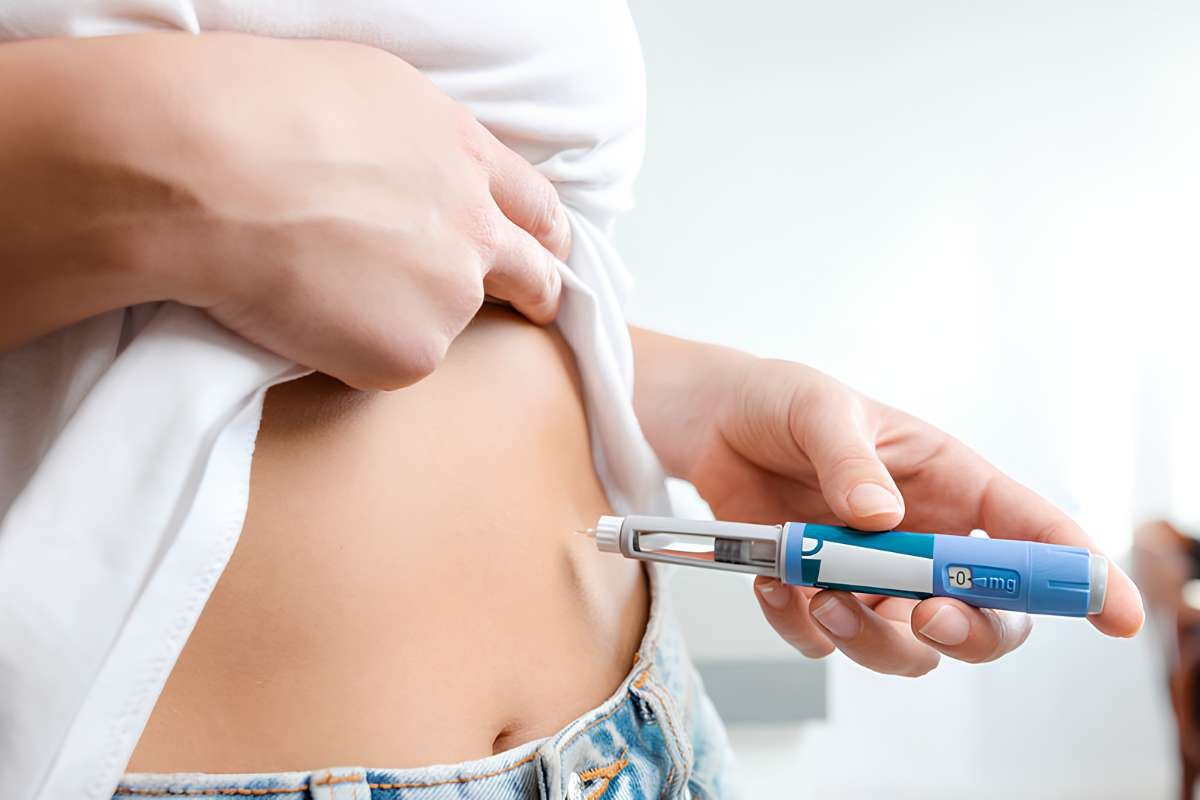
Insulin helps regulate blood glucose by helping move glucose from the bloodstream into cells. Insulin resistance can make blood glucose regulation more difficult and is especially relevant in conditions such as type 2 diabetes and PCOS.
This is also where Foods for Gut Health connect to the bigger picture. Fiber supports digestion and feeds beneficial gut microbes, but gut health should not be treated as a direct weight-loss shortcut.
Weight management involves many factors, including calorie intake, activity, sleep, genetics, medications, and overall eating habits. A healthy diet plan for weight loss should account for that bigger picture rather than blaming everything on one hormone.
Do You Need to Cut Carbs or Fat to Lose Weight?
Not necessarily.
Cutting an entire macronutrient is not automatically required for weight loss. What matters more is your overall calorie intake, food quality, portions, and whether you can maintain the eating pattern over time.
Carbohydrates
Carbs can provide energy, fiber, vitamins, and minerals. Whole grains, legumes, fruits, and vegetables can all fit into a healthy diet plan for weight loss. Choosing whole grains more often can also improve fullness compared with refined grains.
Fat
Fat is more calorie-dense than protein or carbohydrates, so portions matter. But your body still needs dietary fat for essential nutrients and vitamin absorption. Nuts, seeds, avocados, and olive oil can fit in sensible amounts.
Choosing whole grains more often is one simple way to improve carbohydrate quality. The difference between Whole Grain vs Refined Grain also shows why the type of carbohydrate can matter, not just the total amount you eat. The goal is better food quality and sensible portions, not unnecessary food-group elimination.
What About Intermittent Fasting and Other Popular Weight-Loss Methods?

There is no single eating schedule that works for everyone. Some people prefer intermittent fasting, while others find calorie tracking, meal timing, very-low-carb diets, or keto easier to follow.
The key question is not whether an approach sounds restrictive or trendy. It is whether you can use it to maintain a calorie deficit while still getting enough protein, fiber, vitamins, and minerals.
For some people, limiting eating hours can make calorie control simpler. For others, it may increase hunger or make meals harder to manage. The same principle applies to low-carb approaches. They can reduce calorie intake for some people, but they are not automatically better for weight loss.
Research comparing Intermittent Fasting vs Calorie Restriction also suggests that the practical difference may depend heavily on adherence and overall energy intake.
Choose the approach you can sustain. That is ultimately what makes a healthy diet plan for weight loss useful.
How Much Weight Should You Aim to Lose, and What Could a Day of Eating Look Like?
Weight loss does not need to mean reaching a dramatic “goal weight” before your health can improve. The NIH’s National Heart, Lung, and Blood Institute states that losing 5% to 10% of your starting body weight can significantly improve health and quality of life.
How much weight you should aim to lose depends on factors such as:
- Starting weight
- Age and activity level
- Medical conditions and medications
- Current diet and energy intake
- How your body responds to changes
There is no universal timeline that fits everyone.
A healthy diet plan for weight loss can still look like normal food:
| Meal | Example |
| Breakfast | Oats + Greek yogurt + berries + seeds |
| Lunch | Brown rice + dal + vegetables + yogurt |
| Snack | Fruit + a small handful of nuts |
| Dinner | Fish, tofu, or chicken + vegetables + whole grain or legumes |
The portions still need to match individual energy needs. A healthy meal can become a high-calorie meal if the portions quietly grow to “I was just being healthy” levels.
For practical everyday habits, How to Start Eating Healthy can also make this approach easier to apply.
How Do You Make a Weight-Loss Diet Sustainable, and When Do You Need More Support?
Long-term weight loss is less about eating perfectly and more about building habits you can actually live with. A simple Keep / Change / Don’t Obsess approach can help.
Keep
- Protein-rich meals
- High-fiber foods
- Regular vegetables and fruit
- Foods you genuinely enjoy
Change
- Sugary drinks
- Oversized portions
- Frequent highly processed snacks
- Mindless eating
Don’t obsess over
- One restaurant meal
- One dessert
- A slightly higher-calorie day
NIDDK notes that structured weight-loss programs typically include at least 150 minutes of moderate-intensity aerobic activity per week, alongside a calorie-appropriate eating plan, monitoring, and ongoing support.
Setbacks are normal too. After overeating, the goal is to return to healthy habits rather than abandon the plan altogether.
When Food Changes Aren’t Enough

Weight can also be affected by medications, sleep, medical conditions, physical activity, stress, genetics, and environment. For people with obesity or weight-related health conditions, professional support may be useful.
Evidence-based programs can combine a reduced-calorie eating plan with physical activity, monitoring, and ongoing support. A healthy diet plan for weight loss is one part of that bigger picture, not a cure-all.
Conclusion
You need a calorie deficit to lose weight. You do not need to eat miserable food to create one.
Calories matter, but food quality matters too. Protein and fiber can make meals more satisfying, while whole foods make it easier to meet your nutritional needs. Extreme restriction is not required, and one indulgent meal does not undo your progress. The better goal is an eating pattern you can maintain without constantly fighting it.
Start with your next meal. Add a protein source, fill up on vegetables or fruit, choose a high-fiber carbohydrate, and let your healthy diet plan for weight loss create the calorie deficit through better choices rather than culinary punishment.
For the bigger picture, return to our complete guide to a Healthy Diet and use its core principles as the foundation for your weight-loss plan.
People Also Ask
1. What is the best healthy diet plan for weight loss?
A sustainable eating pattern with appropriate calories, protein, fiber, vegetables, fruits, whole grains, and minimally processed foods.
2. Can you lose weight without counting calories?
Yes. Portion awareness and filling, nutrient-rich foods can help reduce calorie intake without formally tracking every calorie.
3. How much weight should I lose first?
A 5% to 10% reduction in starting weight can provide meaningful health benefits for many adults.
4. Are carbohydrates bad for weight loss?
No. Whole grains, fruits, vegetables, and legumes can provide valuable carbohydrates, fiber, vitamins, and minerals.
5. What should a healthy diet plan for weight loss include?
It should combine appropriate portions with protein, fiber-rich foods, vegetables, fruits, whole grains, healthy fats, and sustainable eating habits.