Key Takeaway:
- Kent’s rapid meningitis outbreak was linked to a Neisseria meningitidis strain that acquired genes from harmless bacteria.
- The genetic changes helped the strain evade immune cells and absorb iron, making it more invasive.
- Researchers say the findings could inform future vaccine development, but predicting the next highly invasive strain remains difficult.
The Kent Meningitis Outbreak in March was linked to a Neisseria meningitidis strain that acquired genes from harmless bacteria, helping the organism evade immunity and obtain iron.
Genetic Changes Fueled Rapid Spread
The outbreak involved mostly university and high school students who became infected after visiting a nightclub in Canterbury. All invasive meningococcal disease cases occurred within about a week, with nine patients requiring intensive care and two deaths.
N. meningitidis commonly lives harmlessly in the nose and throat of 5% to 10% of people. It can spread through close, prolonged contact with saliva, including kissing or sharing drinks or vapes, but genetic changes can allow the bacterium to enter the bloodstream.
The resulting infections can cause sepsis or meningitis, both potentially life-threatening conditions. The rapid progression of the Kent Meningitis outbreak was unusual compared with typical outbreaks, which can unfold over several weeks.
Learn More: Common Bacterial Diseases: What They Are and How to Fight Them?
Scientists Trace The Outbreak To Gene Transfer
Martin Maiden of the University of Oxford and colleagues sequenced complete genomes from bacteria isolated from blood samples of six patients, including the two people who died.
The genomes were almost identical, suggesting the outbreak originated from a single person. Researchers then compared one genome with 48,000 genomes from other Neisseria strains collected during previous outbreaks or from people without known health problems.
The comparison showed that the Kent strain had acquired several genes from a harmless N. meningitidis strain and Neisseria cinerea, a bacterium that can live harmlessly in up to 28% of adults. Researchers say the Kent Meningitis Outbreak demonstrates how horizontal gene transfer can contribute to changes that make bacterial strains more invasive.
Bacteria can exchange genetic material through horizontal gene transfer, allowing genes to move between different bacterial cells.
Some acquired genes improved the strain’s ability to take up iron from blood, which bacteria need to grow and reproduce. Other changes altered the sugar coating on a pilus, a tail-like structure, allowing bacteria to form clumps that were harder for immune cells called neutrophils to destroy.
Researchers Say Strain Was Highly Invasive
Emma Wall of Queen Mary University of London, who was not involved in the study, said the outbreak’s rapid progression was highly unusual.
“The bacterium clearly gained a set of genetic changes that made it better at hiding from the immune system and better at harvesting nutrients,” Wall said.
Maiden said the combination of genetic changes made the organism both highly transmissible and invasive. However, he said the outbreak ended quickly because severely ill people were less likely to circulate and transmit the bacteria.
Researchers do not know exactly when the genetic changes occurred in the person believed to have started the outbreak. Maiden said they probably developed gradually before combining with the conditions needed for transmission.
Wall said the findings could eventually inform vaccine development by identifying features associated with invasive disease. Maiden cautioned that the findings cannot predict when another highly invasive strain will emerge.
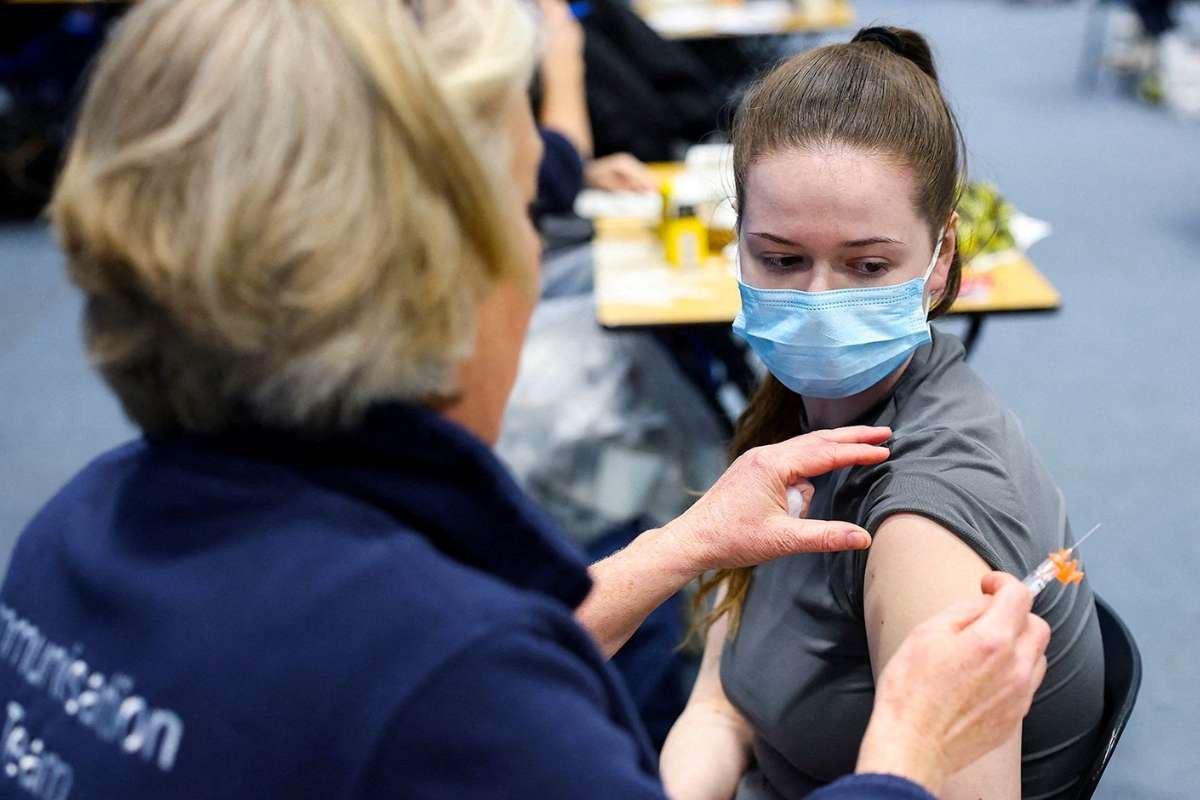
Following the outbreak, the UK government launched a vaccination program for young people starting university or further education in September or October. The Kent Meningitis Outbreak highlights how genetic changes in bacteria can influence their ability to evade immune defenses and cause invasive disease.
Symptoms of invasive meningococcal disease can include fever, headache, stiff neck, joint and muscle pain, and a rash that does not fade when pressed with a glass.