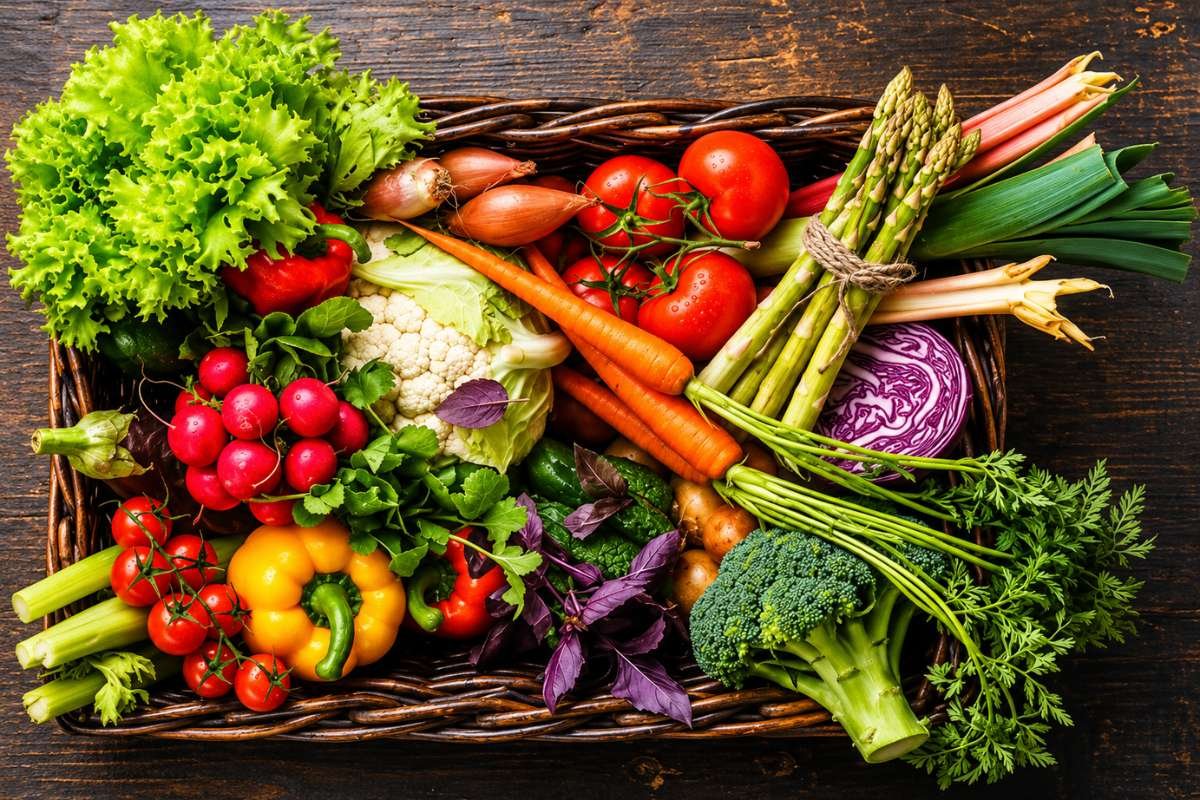
Some vegetables do more than add color to your plate. They bring a generous mix of vitamins, minerals, fiber, and plant compounds that help your body function well. And no, eating healthy does not mean living on plain salads.
The most nutrient-dense vegetables are often everyday foods you can find at a local market. Spinach, carrots, broccoli, and sweet potatoes are good examples. Each offers a different mix of nutrients, so eating a variety is more useful than sticking to one so-called superfood.
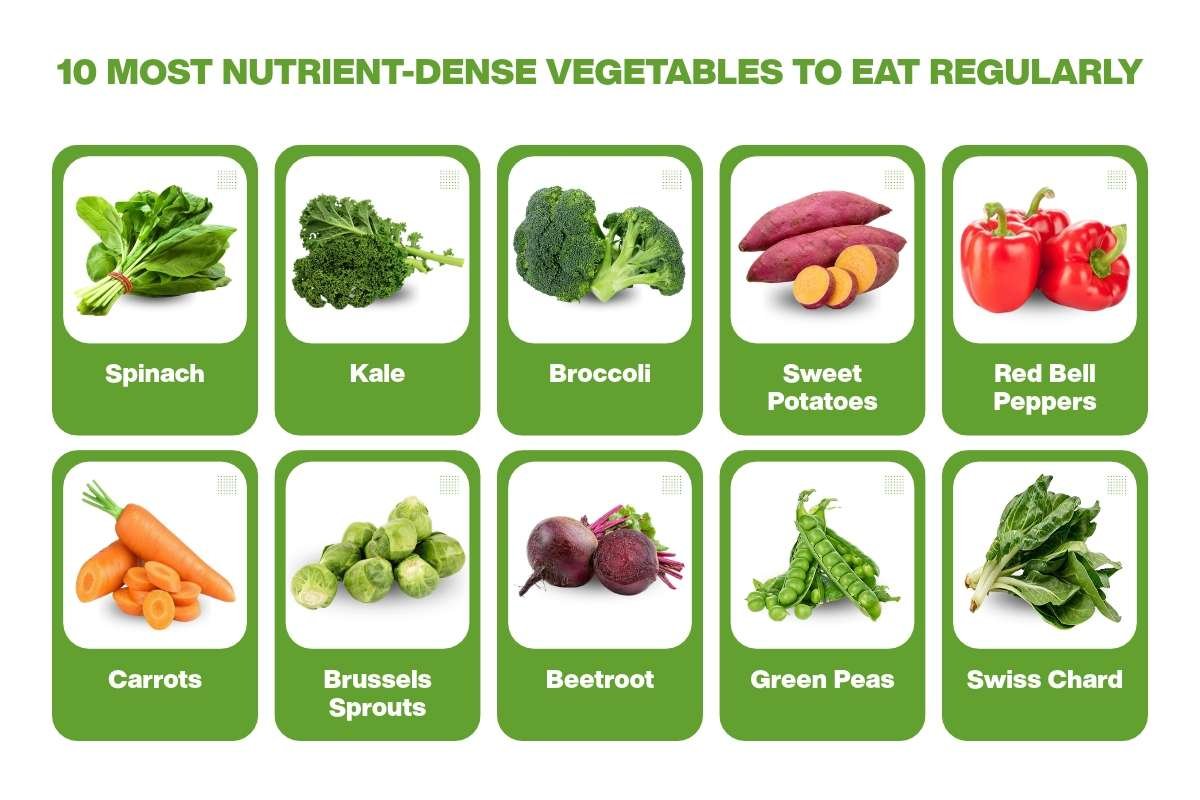
Here are 10 vegetables worth adding to your regular meals, along with their key nutrients and easy ways to enjoy them.
10 Most Nutrient-Dense Vegetables to Eat Regularly
1. Spinach
Spinach is small in size but generous with nutrients. It contains vitamin K, vitamin A, folate, iron, and magnesium. It also provides lutein and zeaxanthin, plant compounds that support eye health.
Add fresh spinach to dal, omelets, pasta, or smoothies. You can also cook it with garlic for a quick side dish. Just remember that spinach shrinks considerably when cooked, so a large bunch may become a small bowl.
2. Kale
Kale is one of the most nutrient-dense vegetables for people looking to add more leafy greens to their diet. It provides vitamins K, A, and C, along with fiber and carotenoids.
Its slightly bitter taste can take some getting used to. Try mixing raw kale with lemon juice and olive oil to soften the leaves. You can also add it to soups or roast it for crisp vegetable chips.
3. Broccoli
Broccoli deserves more credit than it gets. It contains vitamin C, vitamin K, folate, fiber, and natural plant compounds called glucosinolates.
These nutrients make broccoli a useful addition to a balanced diet. Steam it lightly, roast it with garlic, or toss it into a stir-fry. If you usually avoid broccoli because it tastes bland, a little lemon juice and black pepper can make a difference.
4. Sweet Potatoes
Sweet potatoes bring natural sweetness, fiber, and plenty of beta-carotene to the table. Your body converts beta-carotene into vitamin A, which supports normal vision and immune function.
Bake them whole, mash them, or cut them into wedges and roast them. Their natural flavor means you do not need much added sugar or seasoning.
5. Red Bell Peppers
Red bell peppers are an excellent source of vitamin C. They also provide vitamin A, vitamin B6, and carotenoids.
Their sweet, crunchy texture makes them easy to enjoy without cooking. Slice them into salads, add them to sandwiches, or roast them with onions. They are also a simple way to bring more color to an otherwise plain meal.
6. Carrots
Carrots are famous for beta-carotene, and for good reason. This nutrient gives carrots their orange color and helps your body produce vitamin A. Carrots also provide fiber and potassium.
Enjoy them raw with a dip, grate them into salads, or roast them with a little olive oil. They are among the most nutrient-dense vegetables to keep in your kitchen because they are affordable, versatile, and easy to prepare.
7. Brussels Sprouts
Brussels sprouts look like tiny cabbages, and they belong to the same vegetable family. They provide vitamins C and K, folate, and fiber.
They also contain glucosinolates, plant compounds found in other cruciferous vegetables. If you dislike their strong taste, try roasting them instead of boiling them. The edges turn crisp, and their flavor becomes milder.
8. Beetroot
Beetroot stands out because of its deep red color. It contains betalains, natural pigments with antioxidant properties, along with folate, manganese, potassium, and fiber.
Beetroot also contains natural nitrates, which the body can convert into nitric oxide. This compound helps blood vessels relax and supports blood flow. Try beetroot in salads, soups, or roasted vegetable dishes.
9. Green Peas
Green peas offer a useful mix of plant protein, fiber, vitamin C, vitamin K, and folate. They also add natural sweetness to everyday meals.
Stir them into pulao, vegetable curry, pasta, or soup. Frozen peas are a practical choice too. They are easy to store, cook quickly, and make a simple meal more filling.
10. Swiss Chard
Swiss chard may not be as common as spinach, but it deserves a place on your shopping list. It provides vitamins K, A, and C, along with magnesium and potassium.
Its colorful stems also make meals look more appealing. Sauté the leaves with garlic, add them to lentils, or mix them into soups. If you cannot find Swiss chard, try locally available leafy greens such as amaranth leaves or mustard greens.
What Makes a Vegetable Nutrient-Dense?
Nutrient density refers to how many useful nutrients a food provides compared with its calorie content. The most nutrient-dense vegetables often contain several vitamins, minerals, and other beneficial compounds without adding many calories.
However, there is no single vegetable that provides everything your body needs. A CDC study ranked watercress, Chinese cabbage, chard, beet greens, and spinach among its top powerhouse fruits and vegetables based on 17 nutrients. The ranking is one way to compare foods, not a complete measure of their health benefits.
How to Get More Nutrients From Vegetables
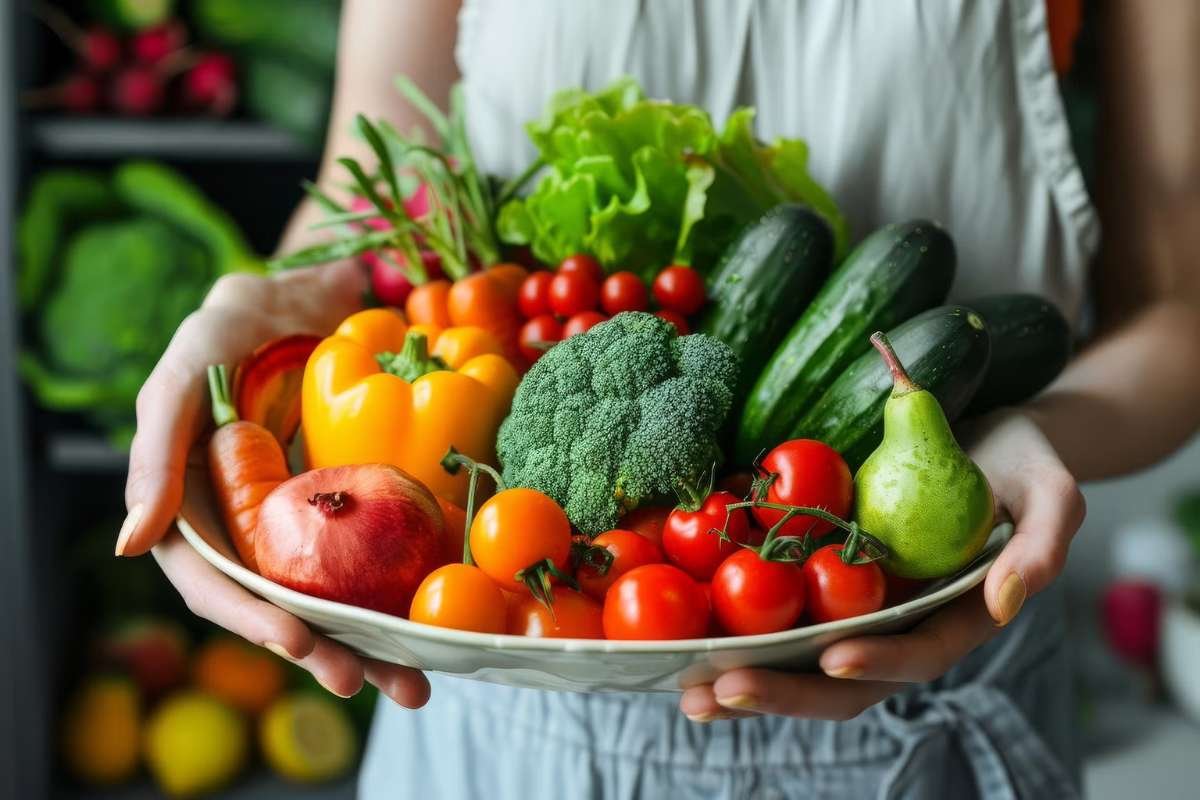
Eating vegetables regularly matters more than chasing a perfect food list. A few simple habits can help:
- Mix different colors: Combine dark greens, orange vegetables, and red produce to get a wider range of nutrients.
- Choose simple cooking methods: Steaming, roasting, and light sautéing can make vegetables easier to enjoy.
- Do not skip frozen options: Frozen vegetables can retain many nutrients. Check labels for added salt or sauces.
- Pair vegetables with protein: Add them to meals with beans, lentils, eggs, or other protein sources.
- Keep the variety going: Rotate your choices instead of eating the same two vegetables every day.
The most nutrient-dense vegetables do not need fancy recipes. A bowl of spinach dal, roasted carrots, or broccoli with your regular lunch can all contribute to a balanced diet.
Frequently Asked Questions
1. Which vegetable is the most nutrient-dense?
Watercress ranked first in a CDC nutrient-density study. However, no single vegetable provides every nutrient your body needs.
2. Are raw or cooked vegetables more nutritious?
It depends on the vegetable and nutrient. Some nutrients become easier to absorb after cooking, while others may decrease with heat.
3. Can I eat nutrient-dense vegetables every day?
Yes. Eating a variety of vegetables daily can help you get different vitamins, minerals, and fiber.
4. Are frozen vegetables as healthy as fresh vegetables?
Yes. Frozen vegetables can retain many nutrients and offer a convenient, budget-friendly option.
5. Which vegetables are best for fiber?
Green peas, broccoli, carrots, Brussels sprouts, and leafy greens provide fiber that supports healthy digestion.
Conclusion: Make Every Meal Count
You do not need to overhaul your diet to eat better. Start by adding a leafy green to lunch, a colorful vegetable to dinner, or peas to your usual curry. The most nutrient-dense vegetables offer different benefits, so variety is the real advantage. Keep your meals colorful, simple, and enjoyable.