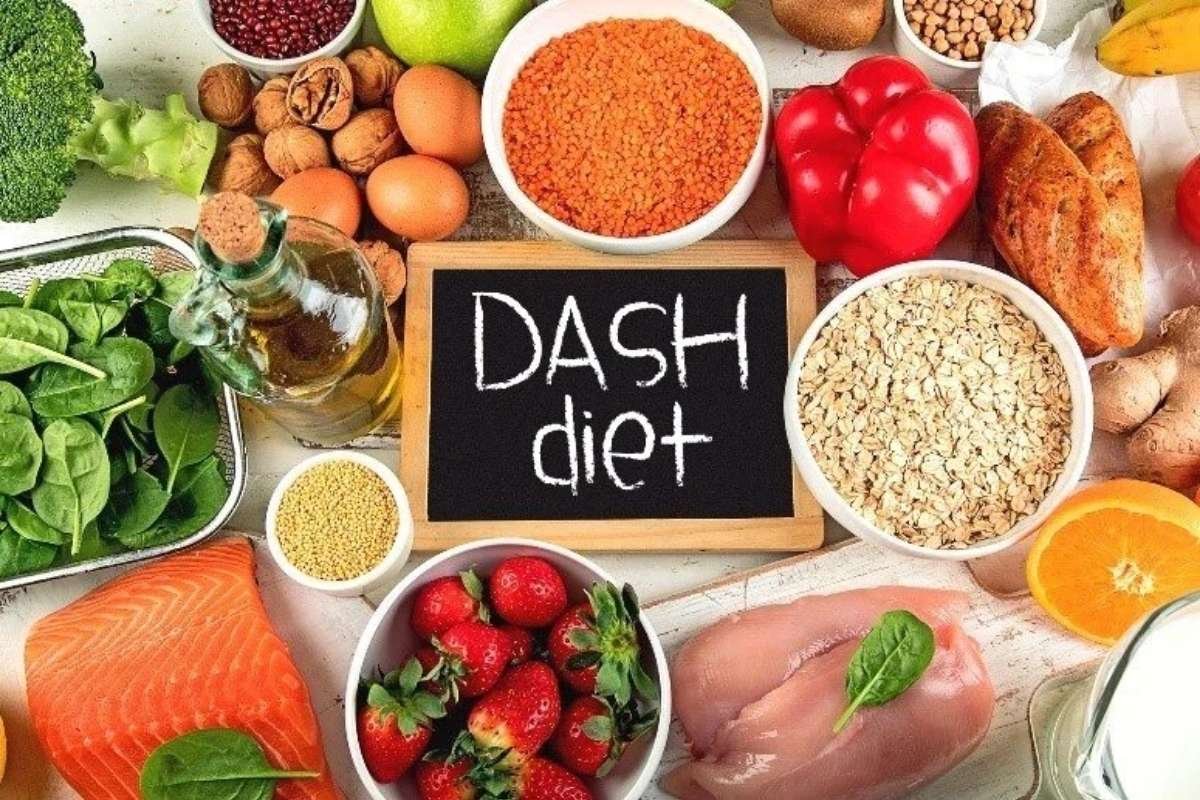
To learn about the DASH Diet, which is easy to understand and implement, just focus on your plate instead of focusing on problematic foods. DASH means Dietary Approaches to Stop Hypertension, which is a dietary regimen that is primarily composed of vegetables, fruits, whole grains, low-fat dairy products, legumes, nuts, seeds, and lean protein sources, while avoiding sodium, saturated fat, added sugars, and processed foods. It has been proven that this diet is effective in controlling blood pressure levels and promoting general cardiovascular health as well. The NHLBI states that it is a flexible diet rather than an inflexible one.
In this article, you will learn to prepare meals, select foods, customize the diet, and understand when changes are needed.
Table of Contents
What Is the DASH Diet and How Does It Work?
DASH stands for Dietary Approaches to Stop Hypertension. Researchers developed the plan after clinical trials found that an eating pattern rich in fruits, vegetables, and low-fat dairy could lower blood pressure almost as effectively as medication for some people. The third diet was termed the DASH diet. It was high in fruits, vegetables, and low-fat dairy products, and had a favorable macronutrient profile, low in saturated fat, total fat, and cholesterol, and moderately high in protein, calcium, potassium, magnesium, and fiber. The goal isn’t weight loss; it’s healthy blood pressure.
The DASH eating plan requires no special foods and has no hard-to-follow recipes, which sets it apart from a basic low-salt diet. Cutting sodium alone addresses one variable. DASH works by combining several:
- Sodium – kept low to reduce fluid retention and pressure on artery walls
- Potassium – supports normal blood-vessel function and can help counter some effects of sodium on blood pressure
- Calcium and magnesium – support healthy vessel function
- Fiber – aids heart and metabolic health
- Saturated fat – limit to protect arteries long-term
A 2001 New England Journal of Medicine study on the DASH-Sodium approach found that combining the DASH pattern with reduced dietary sodium lowered blood pressure more than either the DASH or sodium reduction alone. It is proof that the pattern matters more than any single swap.
This same food pattern is heavy on fiber-rich plants, nuts, and whole grains, and light on saturated fat. It overlaps closely with strategies covered in foods that lower cholesterol, making DASH useful for more than blood pressure alone.
What Can You Eat on the DASH?
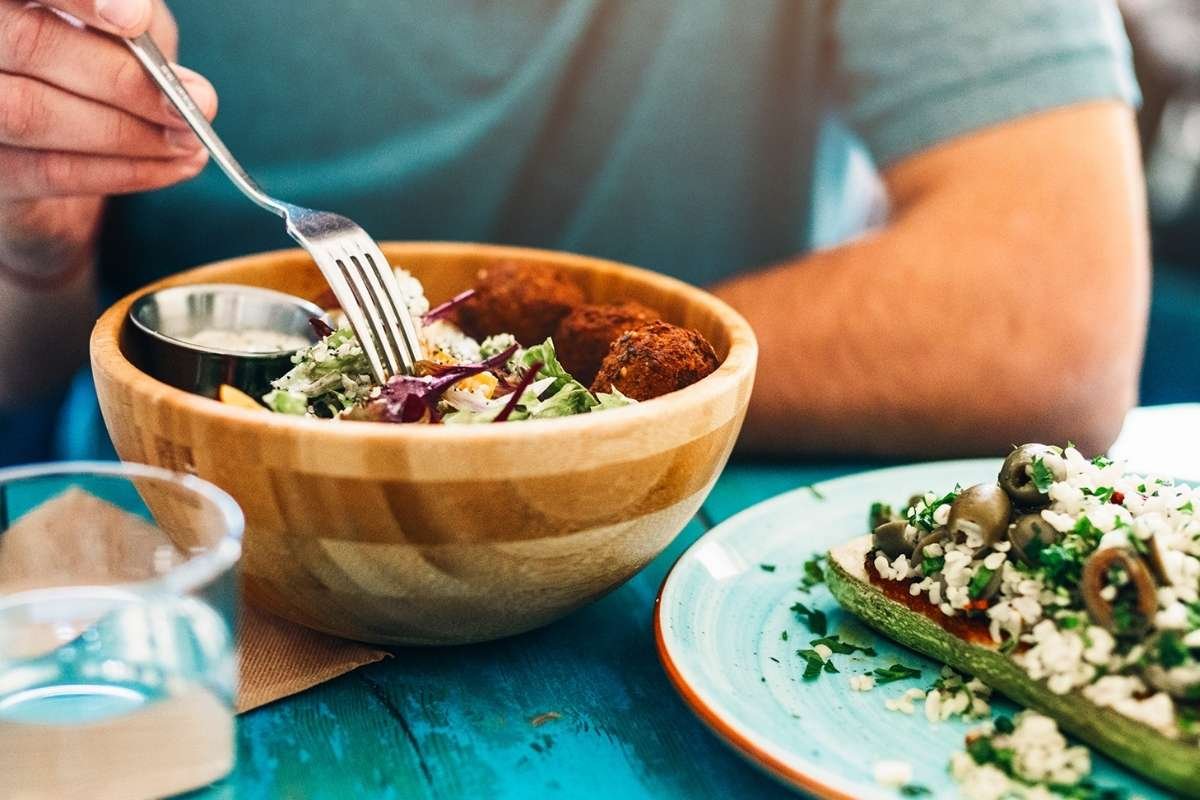
Think of your plate as mostly plants, with modest portions of lean protein and dairy on the side.
Vegetables and fruits
Aim for variety like dark leafy greens, peppers, berries, and citrus. Fresh, frozen, and low-sodium canned options all count. Whole fruit is preferred over juice since it retains fiber and creates less of a blood-sugar spike.
Whole grains
Oats, brown rice, whole-wheat bread, quinoa, and barley form the base of most meals, supplying fiber and steady energy.
Beans, lentils, nuts, and seeds
These add plant protein, fiber, and minerals like magnesium and potassium. A simple approach: toss beans into salads, sprinkle nuts on oatmeal, or snack on a small handful of seeds.
Lean proteins
Fish, poultry, eggs, beans, and soy foods round out meals without the saturated fat found in fattier cuts of meat.
Low-fat dairy or alternatives
Low-fat milk, yogurt, or fortified plant-based alternatives supply calcium and protein. These are useful, but not mandatory, within the DASH Diet.
NHLBI’s framework for a 2,000-calorie eating pattern recommends daily servings across vegetables, fruits, whole grains, low-fat dairy, and lean protein, with beans, nuts, and seeds included several times a week.
This structure naturally overlaps with other healthy-eating goals. The grains, legumes, and produce align with high-fibre foods, while fish, walnuts, chia, and flax fit the omega-3 Foods category. DASH can also include low glycemic index foods, though DASH itself isn’t built around glycemic index. It is an important distinction so readers don’t conflate the two frameworks.
What Should You Limit on the DASH?
Four categories matter most:
- High-sodium foods – canned soups, deli meats, salty condiments
- Saturated fat – fatty cuts of meat, full-fat dairy, fried foods
- Added sugars and sugary beverages – soda, sweetened tea, desserts
- Highly processed and convenience foods – packaged snacks, frozen dinners, instant meals
Dietitian’s insight: Most people can name these four categories without help; the harder part is that DASH doesn’t ask you to eliminate them, just to shift the ratio of how often they show up on your plate. Dietitians typically frame this as an 80/20 approach: get the bulk of meals right most days, and an occasional deli sandwich or dessert won’t undo the pattern. All-or-nothing thinking is the number one reason people abandon the diet within a few weeks.
The “hidden sodium” problem
Even careful eaters underestimate sodium because it hides in everyday staples:
- Packaged soups
- Sauces and marinades
- Pickles and brined foods
- Processed meats (bacon, sausage, deli slices)
- Instant noodles
- Ready-to-eat meals
- Restaurant dishes
- Packaged snacks like chips and crackers
NHLBI’s DASH guidance specifically advises limiting fatty meats, full-fat dairy, sugar-sweetened beverages, sweets, and sodium intake, and flags convenience foods, condiments, cured items, and restaurant meals as common sodium traps within a DASH framework. These sources often add up faster than home-cooked meals.
A simple swap framework makes this easier to act on:
| Instead of | Try |
| Processed meat | Fresh chicken, fish, or beans |
| Salty packaged snack | Unsalted nuts or fruit |
| Refined grain | Whole grain |
| Sugary drink | Water or unsweetened beverage |
| High-sodium sauce | Herbs, spices, lemon |
Small swaps like these compound over a week. Cutting sodium and saturated fat without requiring an entirely new grocery list.
How to Build a DASH Diet Plate and Meal Plan?
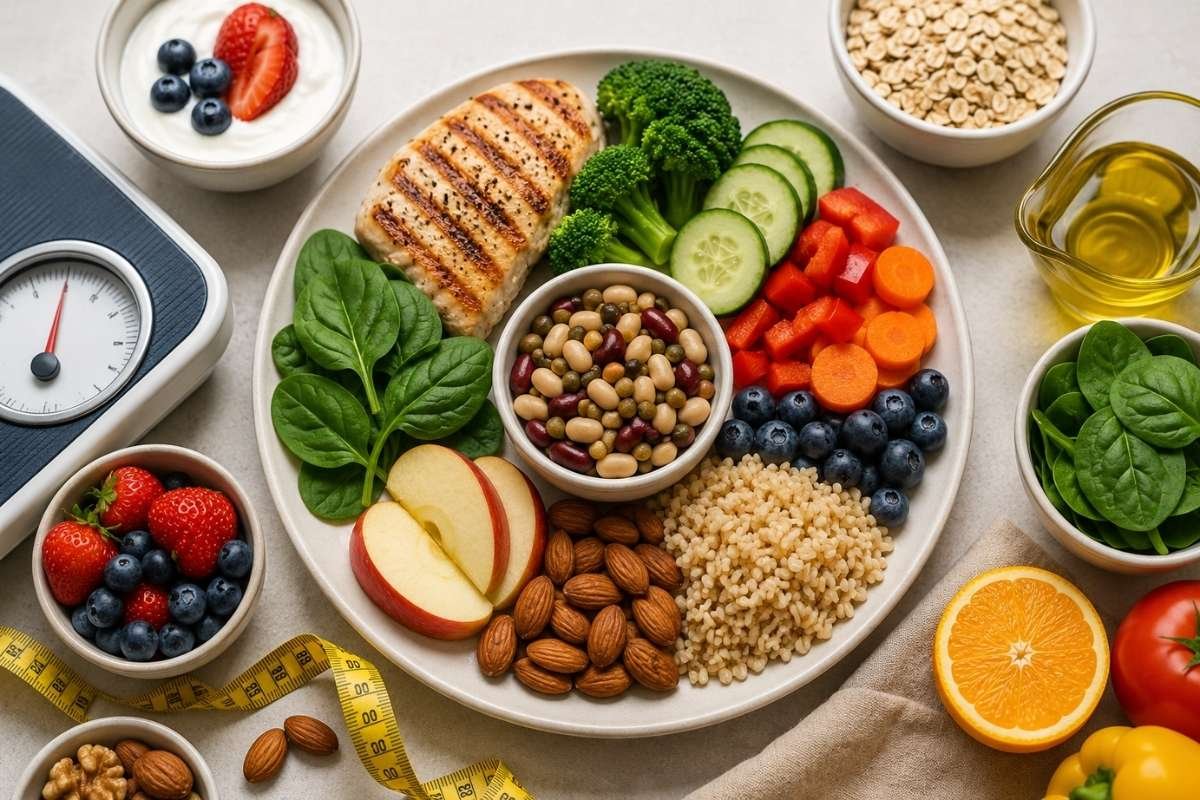
Principles matter less than what actually lands on your plate. Here’s how DASH translates into real meals.
Breakfast
- Oatmeal with berries and unsalted nuts
- Vegetable omelet with whole-grain toast
- Low-fat yogurt with fruit and seeds
Lunch
- Dal, brown rice, vegetables, and plain yogurt
- Chickpea or bean bowl with whole grains and vegetables
- Grilled fish or chicken with salad and a whole grain
Dinner
- Lentils, vegetables, and whole-grain roti
- Fish with roasted vegetables and brown rice
- Bean or vegetable curry with whole grains
Snacks
- Fruit with unsalted nuts
- Plain yogurt
- Roasted, unsalted legumes
Build your plate in 4 steps
- Start with vegetables; fill half the plate.
- Add fruit or another plant food.
- Choose a whole grain.
- Add lean protein and a lower-fat dairy or alternative.
This structure works across cuisines. A DASH meal doesn’t need to look Western. Dal, rajma, chana, roti, brown rice, vegetable sabzi, unsalted nuts, and plain curd fit the same four-step framework just as well as oatmeal or grilled salmon. The pattern matters more than any specific dish, which makes DASH easy to adapt to regional staples rather than requiring a whole new way of cooking.
What Are the Potential Benefits of the DASH Diet?
Blood pressure is where the evidence is strongest. NHLBI-funded studies found that the DASH eating pattern lowers blood pressure, improves the lipid panel, helps people lose weight, and reduces the risk of Type 2 diabetes and heart disease, with the effect strongest when paired with reduced sodium intake.
Cardiovascular health and cholesterol
Follow-up reports from the DASH trial showed that beyond improving blood pressure, the diet also lowered LDL cholesterol, both major risk factors for cardiovascular disease. Triglycerides tend to improve as well.
Weight management
When calorie intake matches individual needs, the DASH Diet’s emphasis on vegetables, fiber, and lean protein can support gradual, sustainable weight loss rather than rapid restriction.
Type 2 diabetes risk
Research suggests DASH may help reduce risk factors associated with type 2 diabetes, including improved insulin sensitivity and blood glucose control—not that it prevents the condition outright.
Kidney stones
In appropriate populations, the diet’s mineral balance (particularly potassium and citrate from fruits and vegetables) may help reduce kidney-stone risk, though this depends on individual health status.
It’s worth noting that a DASH-style pattern overlaps with diabetes-friendly eating but isn’t interchangeable with a diabetes-specific plan. Portion timing and carbohydrate management differ.
How to Make the DASH Eating Plan Work in Real Life?

Knowing what to eat is easy. Sticking with it is the real challenge.
Eating on a budget
- Buy seasonal produce; it’s cheaper and fresher
- Use beans and lentils as an affordable protein base
- Choose frozen vegetables when fresh isn’t practical
- Compare sodium labels across brands before buying
- Buy whole grains in bulk to cut cost per serving
Eating at restaurants
- Ask for sauces and dressings on the side
- Choose grilled options over cured or fried foods
- Request less or no added salt where possible
- Swap salty sides for vegetables
Reading food labels
Check four things every time: serving size, sodium, saturated fat, and added sugars. Sodium content, especially, can vary widely between similar products, even within a DASH Diet-friendly category like soups or breads.
A gradual transition
Trying to overhaul everything at once rarely sticks. Instead:
Week 1: Cut the most obvious high-sodium foods
Week 2: Add more vegetables to existing meals
Week 3: Replace refined grains with whole grains
Week 4: Build complete DASH-style meals using the plate method
Small, sequenced changes are easier to maintain than an abrupt switch, and they build habits that last beyond the first month.
For more on getting started affordably, see How to Start Eating Healthy.
Conclusion:
The purpose of the DASH diet is not to follow an ideal diet plan. It is to make gradual changes to what you eat. Half your plate should be filled with vegetables, whole grains should be favored over refined grains, and protein should be limited to lean protein sources along with modest dairy. You already know that this eating style makes an impact on a person’s blood pressure, improves cholesterol levels, and promotes overall cardiovascular health. Especially when combined with limiting sodium intake. There is no need for any special products or strict rules. It is enough to follow the four-step process and be committed to making gradual changes to one’s lifestyle. Start with one meal a day and apply the above recommendations.
FAQ:
1. What foods are on a DASH diet?
The DASH food focuses on vegetables, fruits, whole grains, lean proteins, and low-fat dairy.
2. Can the DASH Diet help lower high blood pressure?
Yes. The DASH eating pattern can significantly lower blood pressure, particularly when combined with sodium reduction. However, its effect varies by individual, and it does not necessarily eliminate the need for medication.
3. Can I eat rice on a DASH diet?
Yes. Rice can fit into the DASH Diet. Brown rice and other whole grains provide more fiber and are generally preferred more often than refined grains such as white rice.
4. What is the best breakfast option for the DASH diet?
The best DASH (Dietary Approaches to Stop Hypertension) diet breakfasts combine fiber-rich whole grains, potassium-packed fresh fruits, and low-fat dairy or plant proteins. Top choices include oatmeal topped with berries and walnuts, a low-fat Greek yogurt parfait with fruit and seeds, or avocado toast on whole-grain bread with a side of fruit.
5. What foods are not allowed on the DASH?
Foods to cut back on or avoid include processed meats, full-fat dairy, red meat, sugary drinks, and salty snacks.
Links and Sources: