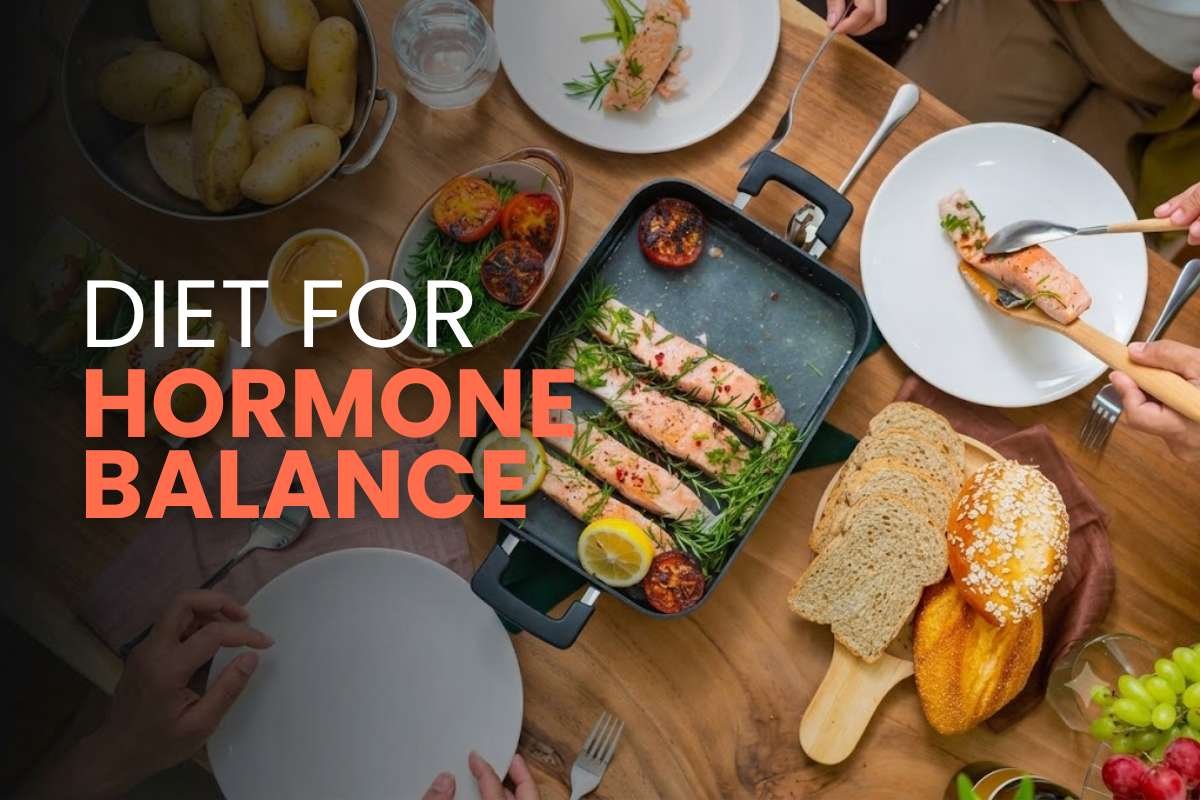
Hormones can feel like they have their own group chat, and nobody gave you the password. One day, everything feels normal. The next, sleep, energy, periods, appetite, or mood seem to have changed the rules.
So, can diet actually affect hormones? Yes, but not in the “eat this food and balance your hormones” way social media often suggests. Food can influence blood sugar control, insulin sensitivity, body composition, nutrient status, and the processes involved in hormone metabolism. That makes a diet for hormone balance useful as part of a broader healthy lifestyle.
In this guide, we’ll look at foods that support oestrogen metabolism, nutrition for PCOS and metabolic health, and what your body may need during perimenopause. Sleep, physical activity, stress, medications, age, and underlying conditions matter too. Think of this as a practical nutrition guide, not a treatment plan for a hormonal disorder.
What Does a Diet for Hormone Balance Actually Mean?
A diet for hormone balance is not about forcing hormones higher or lower with a handful of “hormone-balancing” foods. Your body already has complex systems that produce, use, and regulate hormones. Food can support those systems by providing enough energy, protein, fiber, healthy fats, carbohydrates, vitamins, and minerals. WHO also emphasizes adequacy, balance, moderation, and dietary variety as the foundation of healthy eating.
Think of the goal as creating a solid nutritional foundation rather than chasing a magic ingredient.
| Focus | Why it matters |
| Protein | Supports tissue maintenance and helps with fullness |
| Fiber | Supports digestion and metabolic health |
| Healthy fats | Provide essential fatty acids |
| Whole-food carbohydrates | Supply energy, fiber, and nutrients |
| Micronutrients | Support normal physiological functions |
Building meals around High Fibre Foods can also make meals more filling while supporting digestive and metabolic health. Whole grains, vegetables, fruits, beans, and lentils are useful examples. The bigger picture matters, too: regular meals, adequate nutrition, and mostly minimally processed foods can support overall metabolic health without turning every meal into a hormone science project.
Which Foods Support Healthy Oestrogen Metabolism?
Your body does not simply make oestrogen and leave it sitting around. It continuously produces, modifies, and clears hormones through several pathways involving the liver, gut, and other tissues. So, a diet for hormone balance should focus less on “flushing out” oestrogen and more on supporting the systems that handle hormone metabolism.
Build Around These Foods
Rather than looking for one miracle ingredient, aim for variety across your meals:
- Cruciferous vegetables: Broccoli, cabbage, cauliflower, and Brussels sprouts
- Leafy greens: Spinach, kale, and other dark green vegetables
- Legumes: Beans, chickpeas, and lentils
- Whole grains: Oats, brown rice, barley, and whole wheat
- Fruits: Berries, apples, citrus fruits, and other colorful choices
- Nuts and seeds: Walnuts, flaxseeds, chia seeds, and almonds
- Fermented foods: Yogurt, kefir, kimchi, and other fermented options
The common thread is not a magical hormone effect. It is fiber, micronutrients, healthy fats, and plant diversity.
A varied Plant-Based Diet can make these foods easier to include regularly without requiring you to eliminate every animal food.
Why Fiber Matters
Fiber supports digestion and can influence how certain compounds, including hormones, move through the gut. Research also suggests that gut microbes are involved in oestrogen metabolism, although the relationship between diet, the microbiome, and hormones is still being studied.
The important caveat is simple: foods can support normal nutrition and metabolic health, but they cannot diagnose or treat an oestrogen-related disorder.
How Can Food Fit Into a PCOS-Friendly Eating Pattern?

PCOS is more than a weight issue. It is a complex hormonal and metabolic condition, so turning food into a crash-diet project can miss the point. In fact, the 2023 international PCOS guideline found no evidence that one particular diet composition is better than another for hormonal, metabolic, reproductive, or psychological outcomes. Instead, it recommends sustainable healthy eating tailored to personal preferences and goals.
Build the Meal, Not a Rulebook
A practical PCOS-friendly plate can include:
- Protein: Eggs, fish, yogurt, tofu, beans, or poultry
- High-fiber carbohydrates: Oats, whole grains, lentils, beans, and fruit
- Vegetables: Aim for plenty of variety and color
- Unsaturated fats: Nuts, seeds, avocado, and olive oil
- Lower-GI choices: Choosing more Low Glycemic Index Foods can improve carbohydrate quality without treating carbs as the villain
Regular, balanced meals can also be easier to sustain than extreme restriction. And there is good reason to take PCOS seriously: WHO estimates that 10% to 13% of reproductive-aged women have PCOS, while up to 70% of affected women worldwide may not know they have it.
The broader goal of a diet for hormone balance is therefore not perfection. It is giving your body consistent, nutritious meals that support metabolic health while fitting your preferences, culture, budget, and daily life.
What Should You Eat During Perimenopause?
Perimenopause changes the nutritional conversation. As ovarian hormone levels fluctuate, the focus should not be on finding foods that “replace” oestrogen. It is about making sure the body has enough of the nutrients it needs as health priorities shift.
Most women enter the menopausal transition between 45 and 55, although timing varies, and the transition can last several years.
The Nutrients Worth Paying Attention To
| Nutrient | Food sources | Why it matters |
| Protein | Eggs, fish, yogurt, tofu, beans | Helps maintain muscle |
| Calcium | Dairy, fortified alternatives, tofu | Supports bone health |
| Vitamin D | Fatty fish, fortified foods, sunlight | Helps calcium absorption |
| Fiber | Vegetables, fruit, oats, beans | Supports digestive and metabolic health |
| Unsaturated fats | Nuts, seeds, olive oil, fish | Supports heart-healthy eating |
This is where a diet for hormone balance becomes less about a trendy food list and more about nutritional adequacy. A plate of salmon, vegetables, whole grains, and yogurt is not going to magically reset your hormones. It can, however, provide protein, calcium, fiber, healthy fats, and other nutrients your body needs.
Don’t Forget Your Bones and Heart
Perimenopause is also a useful time to pay attention to long-term health, particularly bone and cardiovascular health. For women aged 51 to 70, the NIH recommends 1,200 mg of calcium per day, compared with 1,000 mg for adults aged 19 to 50.
For heart health, the same basic principles still apply. Foods that fit within Foods That Lower Cholesterol, such as oats, beans, nuts, seeds, and vegetables, can form part of a balanced eating pattern.
As Benjamin Franklin famously put it, “An ounce of prevention is worth a pound of cure.” That idea fits perimenopause well: small, consistent choices around nutrition can help support long-term health.
The takeaway: perimenopause nutrition does not need its own set of mysterious rules. Start with enough protein, plenty of plants, adequate calcium and vitamin D, high-fiber foods, and healthy fats. Then adapt based on your individual needs.
The Best Hormone-Supporting Foods Are Usually the Least Exciting Ones
Here is the slightly disappointing truth about hormone-friendly eating: the foods that support your overall health are rarely the ones sold in tiny bottles with very large promises. You do not need an expensive powder, a “hormone detox,” or a kitchen cabinet full of supplements. A diet for hormone balance can be built from foods you would happily find in an ordinary grocery store.
| Food group | Examples | What they bring |
| Vegetables | Broccoli, spinach, peppers | Fiber + micronutrients |
| Legumes | Lentils, chickpeas, beans | Fiber + protein |
| Whole grains | Oats, brown rice | Fiber + carbohydrates |
| Nuts & seeds | Walnuts, flax, chia | Unsaturated fats |
| Fish | Sardines, salmon | Protein + omega-3s |
| Fermented foods | Yogurt, kefir | Useful cultures |
And yes, Omega-3 Foods can fit neatly into this pattern through fatty fish, walnuts, and certain seeds.
Likewise, Probiotic and Prebiotic Foods can add variety to the diet by combining fermented foods with fiber-rich plant foods.
Nothing here is flashy. That is rather the point. Consistency beats a miracle ingredient.
How Fiber, Blood Sugar and Gut Health Connect With Hormone Health
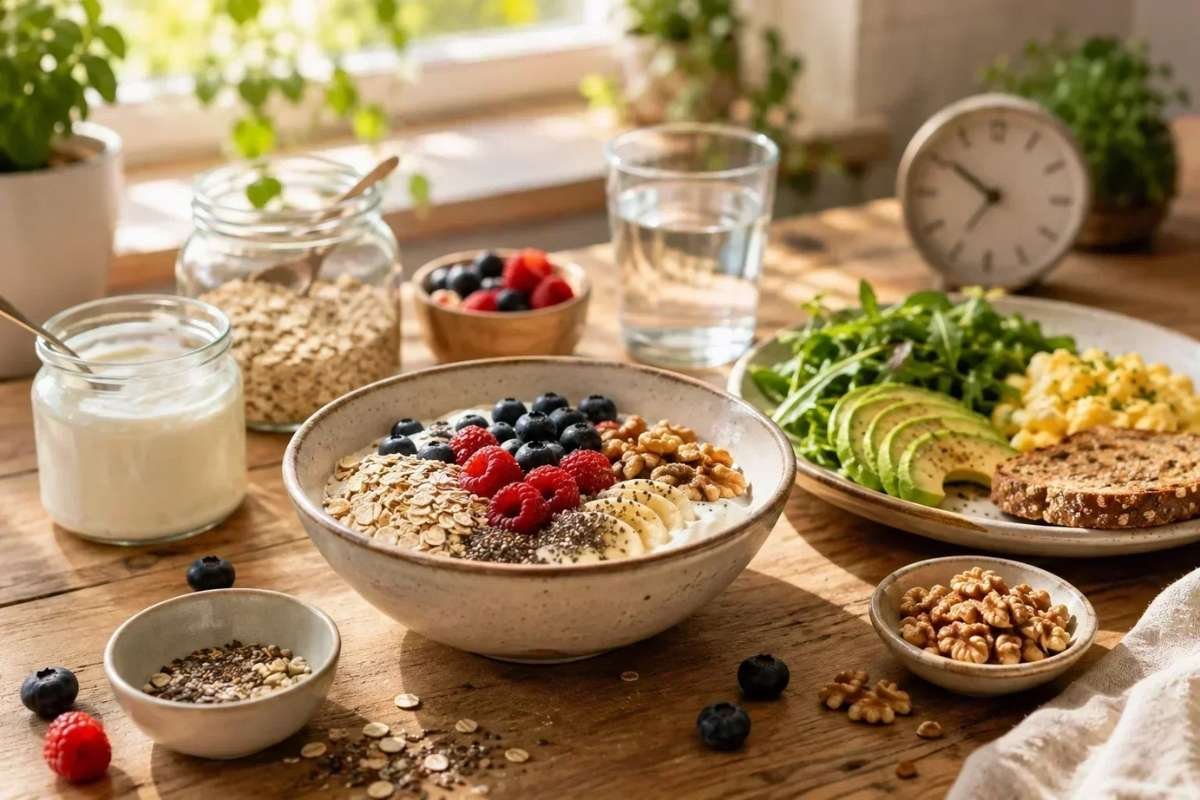
Fiber is one of those nutrients that quietly does a lot of work. It helps move food through the digestive system, supports fullness, and can help with blood sugar control. The useful part is that you can get plenty of it from ordinary foods rather than hunting down a mysterious “hormone” ingredient.
Think of the connection as a chain:
Fiber-rich foods → better digestion → steadier meals → stronger metabolic health
Legumes, vegetables, whole grains, fruits, seeds, and nuts all contribute fiber in slightly different ways. Eating a mix also adds vitamins, minerals, and plant compounds, which is why variety matters more than finding one superstar food.
The gut microbiome is part of this picture too. Gut microbes interact with dietary compounds and may influence processes linked to hormone metabolism, but that does not mean certain foods directly “balance” hormones.
This is also why the broader principles behind Foods for Gut Health fit naturally into a hormone-supportive eating pattern. In practice, the goal is simple: feed your body well and give your gut plenty to work with. That is the foundation of a diet for hormone balance.
What About Weight Loss, Fasting and Restrictive Diets?
When hormone health enters the conversation, extreme diets often tag along. Cutting calories aggressively, fasting for long periods, going very low-carb, or removing whole food groups can sound appealing. But stricter does not automatically mean better.
A diet for hormone balance still needs to provide enough energy and nutrients for normal body functions.
Where Things Can Go Too Far
| Approach | What to watch |
| Calorie restriction | Too little food can make adequate nutrition harder |
| Intermittent fasting | Eating windows may not suit everyone |
| Very-low-carb diets | Can unnecessarily restrict nutrient-rich foods |
| Elimination diets | May remove useful foods without a clear reason |
The better question is not “What can I cut?” but “What can I build into my meals?”
And when comparing fasting with calorie restriction, the details matter. Intermittent Fasting vs Calorie Restriction looks at how these approaches differ without turning either into a miracle strategy.
A sustainable eating pattern should support your health, not feel like a dietary endurance test.
Can a Healthy Diet Support Hormone Health Without Becoming Complicated?
Good nutrition does not need a 17-step morning routine and a pantry full of powders. A simple plate can cover most of the basics:
Build your plate
- ½ plate: Vegetables and fruit
- ¼ plate: Protein
- ¼ plate: Whole grains or other high-fiber carbohydrates
- Add: A source of healthy fat
- Drink: Water or an unsweetened beverage
The same framework can be adjusted for PCOS, perimenopause, weight goals, or general health. For weight management, the principles in a Healthy Diet Plan for Weight Loss can also fit within this structure.
The point is not to eat perfectly. It is to make balanced choices often enough that they become routine. That is what makes a diet for hormone balance practical rather than another complicated food rule.
When Hormone Symptoms Need More Than a Change in Diet

Food can support overall health, but it cannot diagnose or treat a hormonal condition. Persistent symptoms may need a proper medical evaluation rather than another change to your grocery list.
Speak to a Healthcare Professional About
- PCOS or thyroid disorders
- Persistent infertility
- Significant or unexplained hormonal changes
- Menopause-related concerns
- Abnormal or unexpected bleeding
Changes in bleeding can happen during perimenopause, but ACOG recommends discussing unusual changes with a healthcare professional.
A diet for hormone balance can support good nutrition alongside appropriate care. It should complement medical advice, not replace it.
Conclusion
Hormone health does not need a cupboard full of powders, strict food rules, or one magical ingredient. No single food can “balance” your hormones. What matters more is the overall pattern: enough protein, fiber, healthy fats, vegetables, whole grains, and the micronutrients your body needs.
PCOS, perimenopause, and other hormone-related concerns are also personal, so there is no universal plate that works for everyone. Small, sustainable changes are usually more practical than aggressive restriction.
Start with one meal. Add a vegetable, choose a high-fiber carbohydrate, include a protein source, and let your diet for hormone balance take shape without treating your lunch like a chemistry experiment.
For the bigger picture, revisit our complete guide to a Healthy Diet and use the same balanced principles as your foundation.
People Also Ask
1. What foods help balance hormones naturally?
A balanced diet with vegetables, fruits, whole grains, legumes, protein, healthy fats, and adequate fiber supports overall hormone and metabolic health.
2. What foods are included in a diet for hormone balance?
Prioritize protein, high-fiber carbohydrates, vegetables, healthy fats, whole grains, nuts, seeds, and minimally processed foods.
3. Can diet help with PCOS?
Yes. A balanced eating pattern can support metabolic health and should be tailored to individual needs, preferences, and goals.
4. What should I eat during perimenopause?
Focus on protein, calcium-rich foods, vitamin D sources, fiber, vegetables, whole grains, and unsaturated fats to support overall health.
5. Does a diet for hormone balance really work?
No single food can balance hormones. A nutrient-rich dietary pattern can support normal hormonal and metabolic functions.