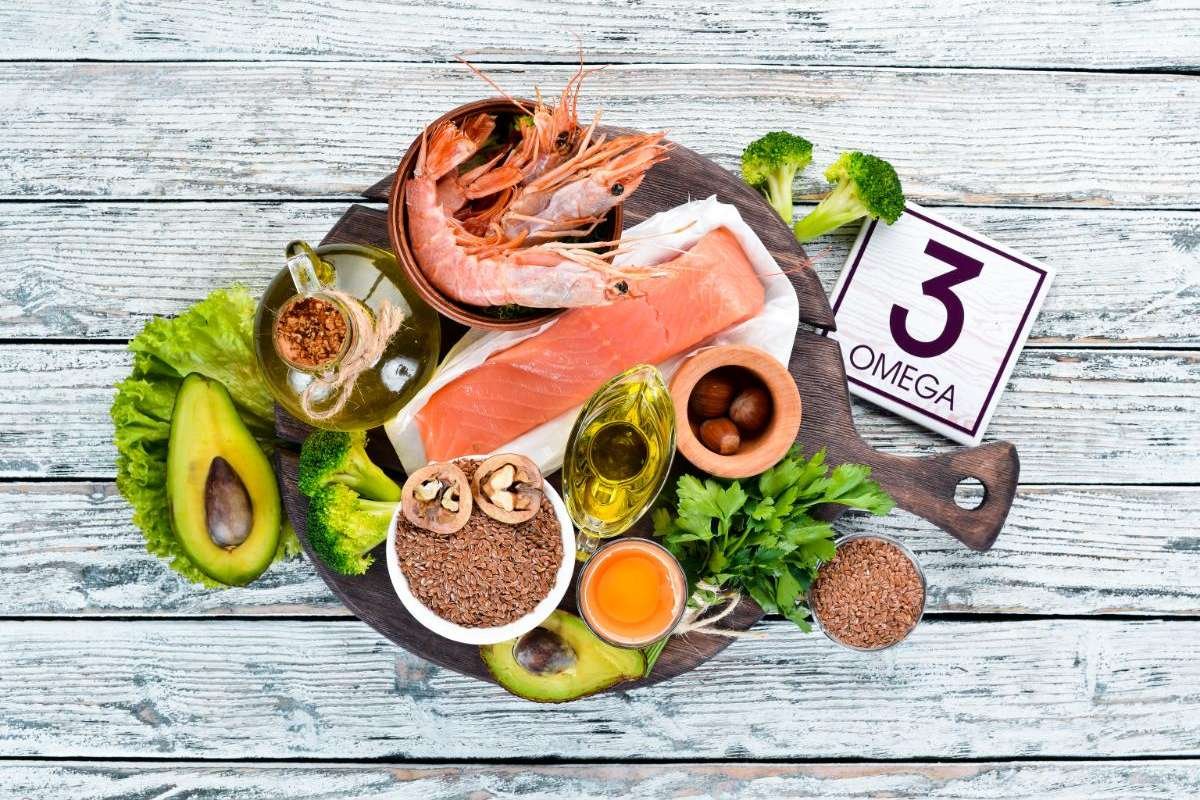
Looking for the best Omega-3 Foods? Start by knowing that not all sources deliver the same benefits. Omega-3s come in three forms: ALA, EPA, and DHA. Fatty fish like salmon and mackerel are rich in EPA/DHA. Walnuts, flaxseed, and chia seeds offer ALA. Your body can convert some ALA into EPA and DHA, but the conversion is limited and varies, so plant-based ALA sources aren’t equivalent to direct EPA/DHA sources. That means your best choices depend on whether you eat fish and your health goals.
This guide compares practical Omega-3 foods, explains ideal portions, covers vegetarian options, and shows simple ways to fit them into everyday meals.
What Are Omega-3 Foods and Why Do They Matter?
Omega-3 fatty acids are polyunsaturated fats your body cannot make on its own. So they must come from food. They support cell membranes, brain and eye function, heart health, and help regulate inflammation.
The three main omega-3s
- ALA (alpha-linolenic acid): An 18-carbon, plant-based omega-3 found in flaxseed, chia, hemp, walnuts, and certain oils (canola, soybean). ALA is labeled “essential” because humans lack the enzymes to synthesize it; it must be obtained from the diet.
- EPA (eicosapentaenoic acid): A 20-carbon, long-chain omega-3 found mainly in fatty fish and seafood (salmon, mackerel, sardines, herring, anchovies) and some algae. EPA plays roles in inflammatory and cardiovascular pathways.
- DHA (docosahexaenoic acid): A 22-carbon, long-chain omega-3 found in fatty fish, seafood, and algae. DHA is a key structural fat in the brain and retina and is critical for nervous system development and function.
Your body can convert some ALA into EPA and DHA, but the process is limited (often only a few percent), which is why including direct EPA/DHA sources matters.
Why food sources matter
Whole-food sources of omega-3s are generally preferable to isolated supplements, since foods provide complementary nutrients. Protein, fiber, vitamins, minerals, and bioactives, that work together for heart and brain health. Fatty fish supply EPA/DHA plus vitamin D and selenium, while nuts and seeds offer ALA with fiber and polyphenols, supporting an anti-inflammatory diet. This pattern also supports a diet for brain health, since DHA is a key structural component of brain tissue, and EPA/DHA help regulate inflammatory signaling.
Quick takeaway
| Omega-3 | Main food sources | Key point |
| ALA | Flaxseed, chia, walnuts, hemp, canola/soy oils | Plant-based essential omega-3 |
| EPA | Fatty fish, seafood, some algae | Long-chain omega-3; anti-inflammatory |
| DHA | Fatty fish, seafood, algae | Structural role in brain and retina |
Which Foods Are Highest in Omega-3?
Fatty fish and seafood
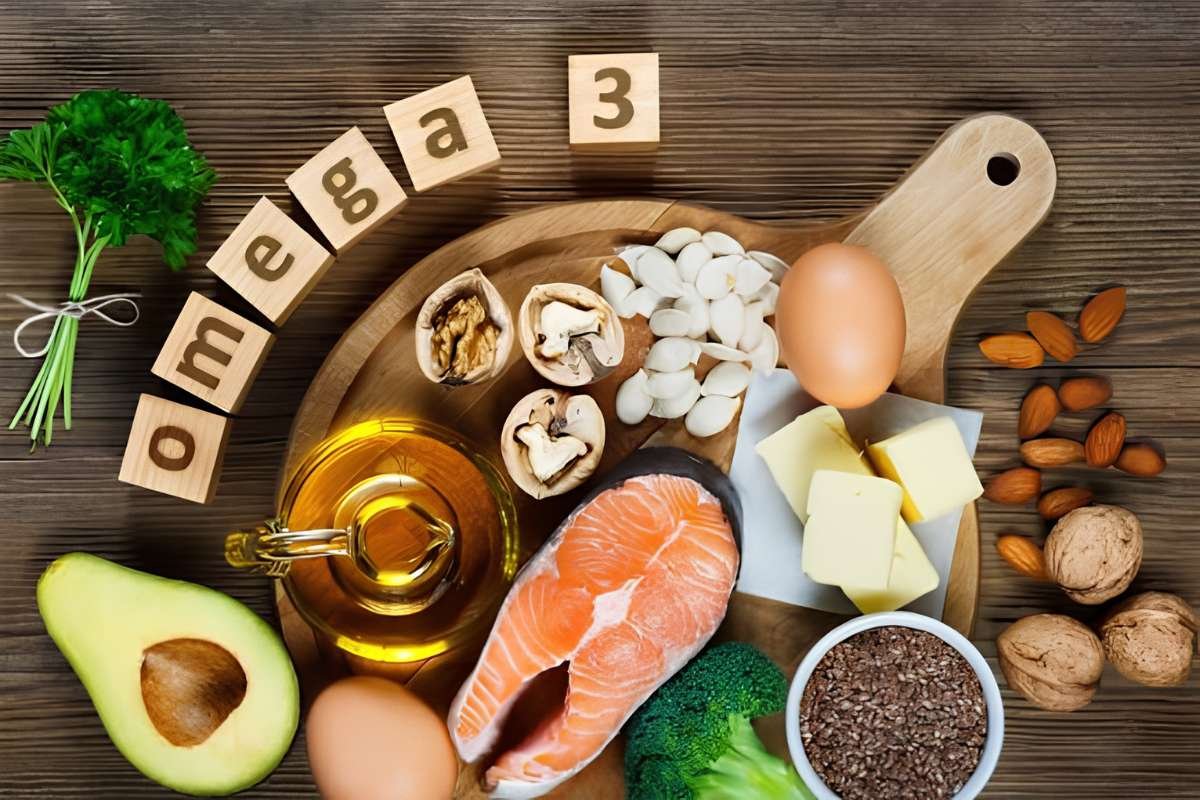
Fatty fish are the most concentrated sources of EPA and DHA, the long-chain omega-3s linked to heart and brain benefits. Mayo Clinic highlights salmon, sardines, Atlantic mackerel, herring, lake trout, and canned light tuna as lower-mercury, high–omega-3 options. Typical top choices include: mackerel, salmon, sardines, herring, anchovies, trout, and oysters.
Plant-based
For ALA (the essential plant omega-3), Harvard and NIH point to flaxseed, chia seeds, walnuts, hemp seeds, soybeans/edamame, and canola/soybean oils. Flaxseed and chia offer the most ALA per serving, followed by walnuts and hemp, while soy and canola/soybean oil add useful amounts in everyday cooking.
Fortified and algae-based options
If you eat little or no fish, consider omega-3–fortified eggs or algae-derived DHA/EPA. Fortified eggs typically provide 100–500 mg omega-3 each (often ~150 mg DHA), while algae oil offers preformed DHA/EPA. It is a practical, fish-free option for vegetarians and vegans.
Decision table
| Food | Main omega-3 | Best for | Practical use |
| Salmon | EPA/DHA | Fish eaters | Lunch/dinner |
| Sardines | EPA/DHA | Budget-friendly fish option | Toast/salad/curry |
| Flaxseed | ALA | Vegetarians | Oats/roti/yogurt |
| Chia | ALA | Easy meal addition | Pudding/smoothies |
| Walnuts | ALA | Snack | Fruit/oats |
| Soy/edamame | ALA | Plant-based diets | Stir-fries/bowls |
ALA vs EPA vs DHA: Does the Source Matter?
Yes. ALA comes mostly from plants (flax, chia, walnuts, soy, canola/soybean oils), while EPA and DHA are found primarily in fatty fish and seafood. Algae provides a vegetarian/vegan source of preformed EPA/DHA.
The conversion question
Your body can convert ALA into EPA and then DHA, but the process is limited. NIH notes conversion is typically under 15% for EPA and under 1–5% for DHA. So ALA-rich foods aren’t nutritionally equivalent to fatty fish for raising EPA/DHA status.
Practical answers
- Can vegetarians get omega-3? Yes, via ALA foods plus, if desired, algae oil or fortified foods for EPA/DHA.
- Can vegans get EPA/DHA? Yes. Algae-derived products can provide preformed DHA, and some products also provide EPA, making them an option for people who don’t consume fish.
- Are chia and flax “as good as” salmon? For ALA, they’re excellent; for EPA/DHA. No, conversion is too low to match the direct EPA/DHA from salmon.
- What is algae oil? It’s oil from microalgae (e.g., Schizochytrium) that provides preformed DHA (often with EPA), the same long-chain omega-3s found in fish.
- If you don’t eat fish, consider fortified foods. Fortified eggs and foods can help. If you need supplemental EPA/DHA, discuss the appropriate product and dose with a healthcare professional, particularly if you take medications.
This also clarifies why discussions of plant-based vs vegan diet matter for omega-3 planning: vegetarians may use dairy/eggs (including fortified). Vegans rely on ALA foods plus algae oil for EPA/DHA.
Best Omega-3 Foods for Different Diets and Goals
If you eat fish
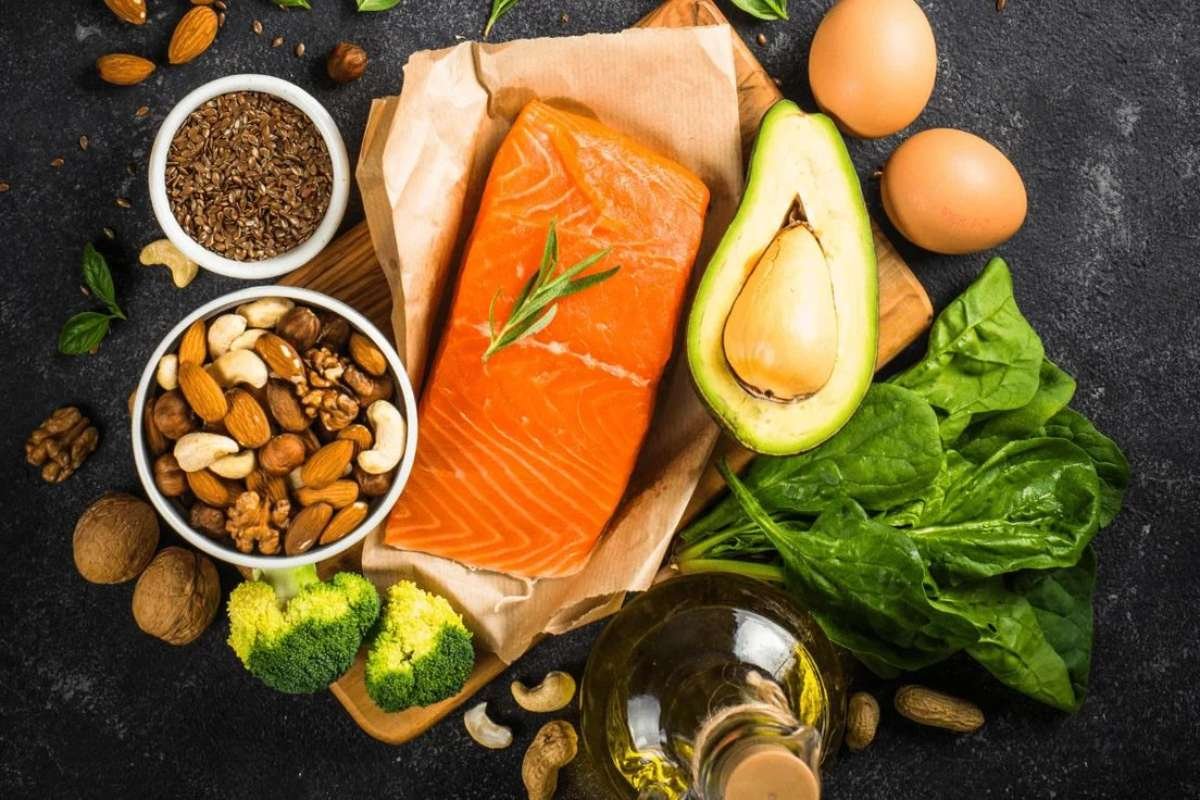
Prioritize fatty fish such as salmon, sardines, mackerel, and herring. The American Heart Association recommends at least two servings of fish per week. Especially fatty fish, as part of a heart-healthy pattern.
If you’re vegetarian
Focus on ground flaxseed, chia, walnuts, soy/edamame, and fortified foods where appropriate. These supply ALA, the essential plant omega-3. Consider algae-derived DHA/EPA if you want to perform long-chain omega-3s.
If you’re vegan
Build around flaxseed, chia, walnuts, hemp, and soy, and add algae-derived DHA/EPA options. PCRM highlights walnuts, flaxseed, chia, hemp, edamame, seaweed, and algae as key plant-based sources.
If heart health is your priority
Think of dietary patterns first. Including omega-3s supports cardiovascular health. Overall benefits come from a diet rich in vegetables, fruits, whole grains, legumes, nuts, and unsaturated fats. Limiting ultra-processed foods, added sugars, and excess sodium. Adding fatty fish or algae oil aligns with AHA guidance for lowering risk.
If you’re following a DASH or Mediterranean-style diet
Both patterns naturally accommodate omega-3s: aim for fish twice weekly and regular nuts/seeds. In a DASH diet, include fish, nuts, and seeds within the recommended weekly servings. In a Mediterranean-style plan, use olive oil as the main fat and add salmon, sardines, or mackerel, plus walnuts/flax, for foods that lower cholesterol and provide broader cardiometabolic benefits.
How Much Omega-3 Food Should You Eat?
Fish-based guidance
Most adults should aim for at least two servings per week of omega-3–rich fish. A typical serving is around 3 ounces (about the size of a deck of cards). Examples include salmon, sardines, mackerel, and herring.
ALA guidance
Established intake recommendations exist for ALA (the plant omega-3). The NIH provides Adequate Intake (AI) values by life stage (e.g., 1.1 g/day for most women, 1.6 g/day for most men). For EPA and DHA, there isn’t one universal recommended daily amount for everyone. Experts generally emphasize food patterns (like regular fatty fish) rather than a single RDA for all.
A practical pattern
Use a simple weekly rhythm rather than chasing exact milligrams:
- Fish meal → 2 times/week (e.g., salmon or sardines).
- Ground flax/chia → regular addition to meals (oats, yogurt, roti).
- Walnuts → snack or topping for fruit/oats.
- Plant-based meals → include soy/edamame in stir-fries or bowls.
Including omega-3 this way covers both ALA and EPA/DHA without complicating tracking. Just note these are complementary, not equivalent: fish/algae provide preformed EPA/DHA.
How to Add Omega-3 Foods to Everyday Meals?
Breakfast: Oats + ground flaxseed. Chia + yogurt. Walnuts + fruit. Smoothie + chia.
Lunch: Sardine/salmon salad. Fish curry + vegetables. Soy/edamame grain bowl.
Dinner: Baked mackerel. Salmon + whole grains + vegetables. Tofu/edamame stir-fry.
Indian-friendly options: Mix ground flax into atta for rotis. Stir chia into curd. Keep walnuts as an evening snack. Prepare mackerel or sardine curry. Add soy/edamame to dals, pulao, or stir-fries.
Adding omega-3 this way is simpler than following a rigid plan. For many adults, dietary guidance supports eating fish regularly, often around two servings a week.
One-day omega-3 food example
- Breakfast: Overnight oats with 1 tbsp ground flaxseed, berries, and a handful of walnuts.
- Lunch: Grilled salmon or sardine salad with mixed greens, lemon–olive oil dressing, and a side of edamame.
- Snack: Yogurt (or curd) with 1 tsp chia seeds.
- Dinner: Baked mackerel or tofu stir-fry with vegetables and brown rice; finish with a small walnut portion if you didn’t have fish.
This pattern covers ALA daily and EPA/DHA via fish (or algae if plant-based), without overcomplicating meals.
What About Fish, Mercury and Omega-3 Supplements?

Mercury Exposure:
Yes. Some fish contain more mercury than others. Especially large, long-lived predatory species. Choosing lower-mercury options lets you gain omega-3 benefits while limiting exposure.
Better choices in Fish:
Mayo Clinic identifies these as good, lower-mercury, omega-3–rich options. Smaller Atlantic or Spanish mackerel are preferable to king mackerel, which is higher in mercury.
Extra caution:
Pregnant and breastfeeding people, and those choosing fish for children, should be especially careful with species selection and frequency. Follow local guidance on safe fish choices and limits, and avoid high-mercury fish.
Do you need omega-3 supplements?
Food first doesn’t mean supplements are never useful, just not required for everyone. NIH notes omega-3 supplements can interact with medications like blood thinners, with high doses raising bleeding risk. Harvard similarly flags medication interactions and notes whole foods offer a broader nutrient range than isolated oils.
Fatty fish, flax, chia, and walnuts remain the foundation. Use supplements only when diet falls short, or a clinician recommends them.
Conclusion:
Omega-3 Foods don’t have to be complicated. Whether you lean on fatty fish for EPA/DHA or build your plate around flaxseed, chia, and walnuts for ALA. The key is consistency, not chasing perfect numbers. Aim for two fish meals a week if you eat seafood. Add a plant-based omega-3 source daily, and consider algae oil if you’re vegetarian or vegan. Pair these choices with an overall balanced diet. And you’ll support heart, brain, and long-term health without overthinking every meal.
Start small: pick one omega-3 food to add to tomorrow’s breakfast, and build the habit from there.
FAQ:
1. What food is rich in omega-3?
Foods highest in omega-3 fatty acids include cold-water fatty fish, certain nuts and seeds, and specific plant oils.
2. Which fruits are high in omega-3?
Most fruits are not meaningful sources of omega-3. If you’re looking for plant-based ALA, choose foods such as flaxseed, chia seeds, walnuts, and certain plant oils instead.
3. Are 2 eggs enough omega-3?
Two regular eggs provide some omega-3 but aren’t a major source. Omega-3-enriched eggs can provide substantially more, but their omega-3 content varies by product. Check the nutrition label.
4. What are the symptoms of a lack of omega-3?
True omega-3 deficiency is uncommon in healthy people eating a varied diet, and symptoms aren’t specific enough to diagnose a deficiency on their own. If you’re concerned about your nutrient intake, speak with a healthcare professional rather than relying on symptoms alone.
5. Can I eat omega-3 foods daily?
Yes. Many omega-3-rich foods, including nuts, seeds, and some fish, can be part of a healthy diet regularly. Whether you need an omega-3 supplement depends on your diet, health needs, and medications.