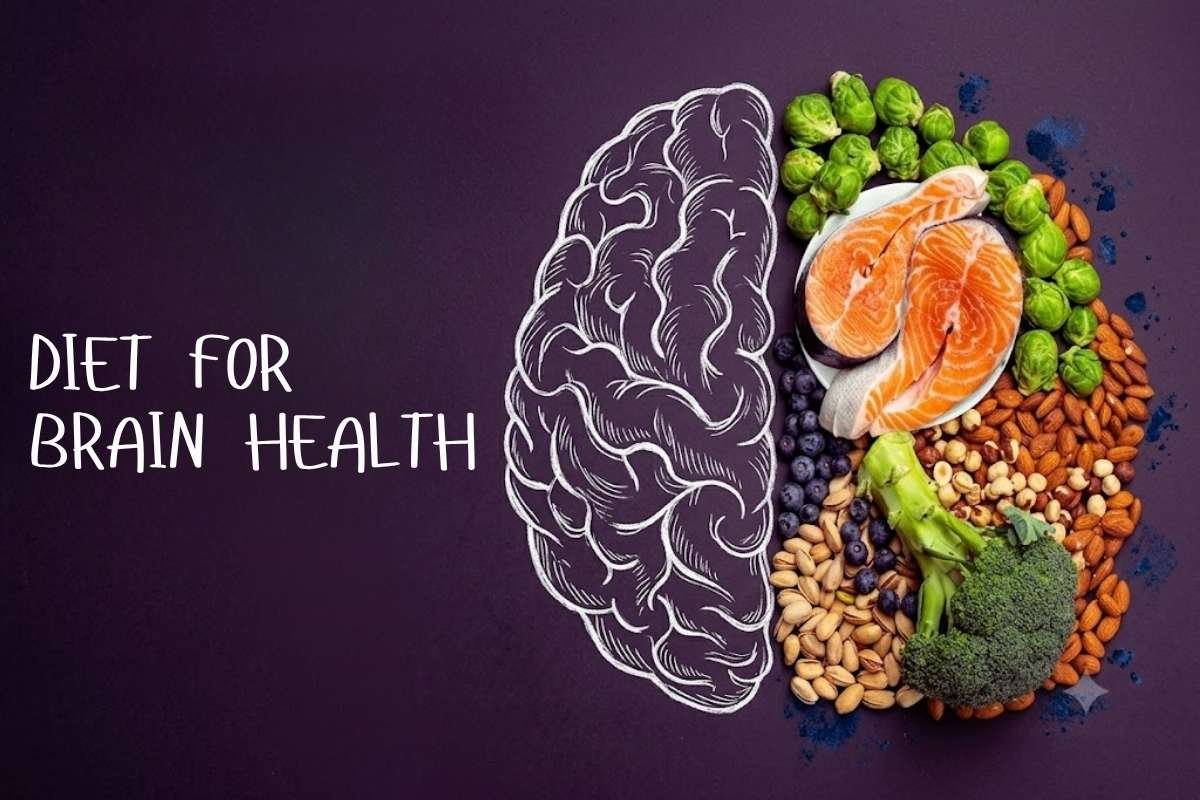
If you want to eat for better brain health, focus on your overall dietary pattern, not a single “brain-boosting” food. Your brain needs steady energy, quality protein, healthy fats, vitamins, and minerals. Research consistently links whole, nutrient-dense eating patterns to sharper cognition and lower dementia risk, even as evidence for individual “superfoods” and supplements remains mixed. A well-planned diet for brain health isn’t about chasing trends. It’s about consistency.
This guide covers exactly what to eat, which nutrients matter most, how to build a brain-healthy diet, foods to limit, and how the Mediterranean, MIND, and DASH diets compare. So you know what the science actually supports.
Table of Contents
What Is a Diet for Brain Health?
A diet for brain health isn’t one fixed meal plan with strict rules. It’s a flexible eating pattern built around foods that support memory, focus, and long-term cognitive function. Rather than following a rigid formula. It emphasizes consistent, evidence-backed food choices that nourish the brain over time. The foundational characteristics include:
- High variety of vegetables and fruits
- Whole grains and other high-fiber carbohydrates
- Legumes
- Nuts and seeds
- Healthy unsaturated fats
- Adequate protein
- Fish/seafood where appropriate
- Minimal highly processed foods
- Limited excess added sugars and saturated/trans fats
- Appropriate portions and overall energy intake
A diet for brain health works because vascular and brain health are deeply connected. The brain relies on strong blood flow for oxygen and nutrients. Diets like the Mediterranean pattern that are rich in fruits, vegetables, and whole grains. They protect blood vessels, supporting both heart and brain function while reducing dementia risk, even for those with a genetic predisposition.
Because of this overlap, several related dietary approaches are often discussed alongside brain health. The Mediterranean Diet, DASH Diet, Anti-inflammatory diet, and diet for diabetes each share core principles. They emphasize plant-forward eating, healthy fats, and minimal processed food. While offering their own specific focus.
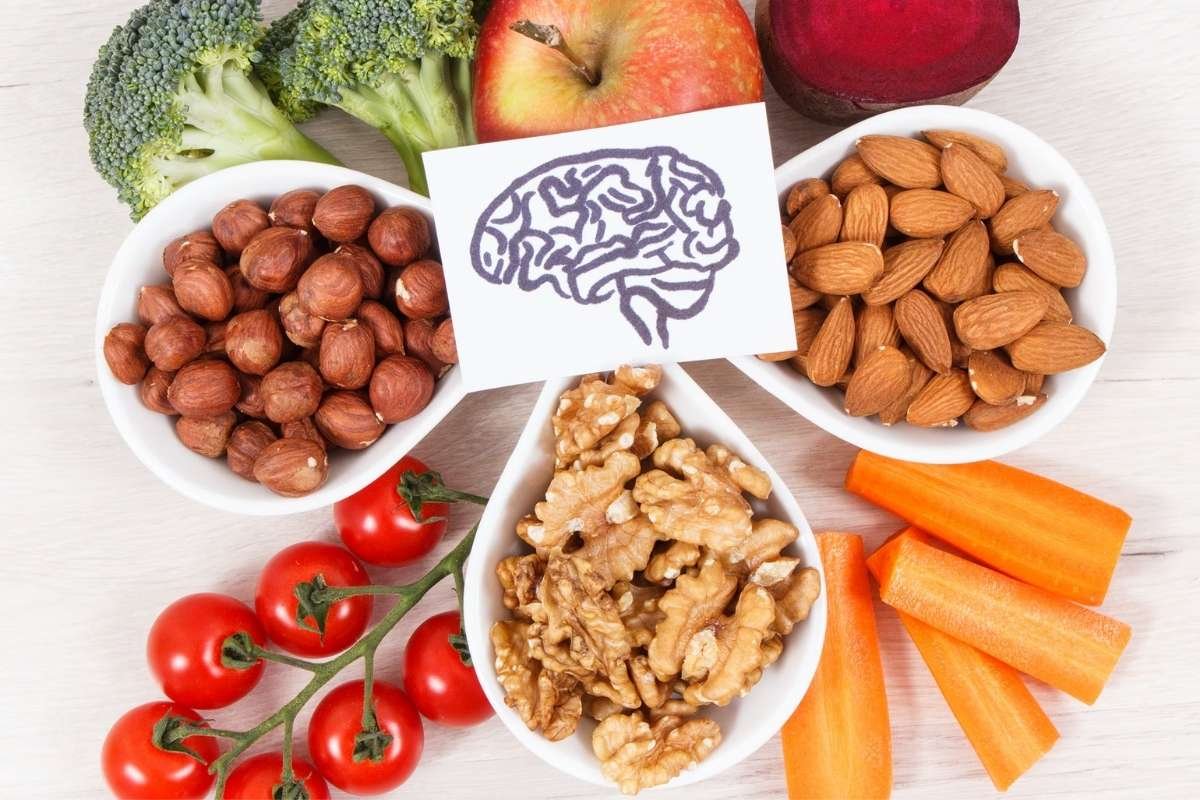
Which Foods Should You Eat For Better Brain Health?
| Food Group | Key Nutrients | Role in Brain Health |
| Leafy greens & colorful vegetables | Folate, beta-carotene, lutein, vitamin K | May help slow cognitive decline |
| Berries & other fruits | Flavonoids/polyphenols | Linked to better memory |
| Whole grains & high-fiber carbs | Fiber, slow-release energy | Supports stable blood sugar, heart & metabolic health |
| Beans, lentils & legumes | Plant protein, fiber, micronutrients | Steady energy, overall dietary quality |
| Nuts & seeds | Unsaturated fats, ALA omega-3 | Supports healthy blood pressure & arteries |
| Fatty fish & seafood | DHA/EPA omega-3s | Linked to lower beta-amyloid levels |
| Eggs & nutrient-dense proteins | Protein, choline | Supports general nutrition |
| Olive oil & unsaturated fats | Monounsaturated fats | Best used to replace saturated fats |
| Fermented foods | Probiotics | Supports gut-brain connection |
Leafy greens and colorful vegetables
Kale, spinach, and broccoli supply folate, beta-carotene, lutein, and vitamin K, nutrients research suggests may help slow cognitive decline.
Berries and other fruits
Flavonoids, the natural plant pigments that give berries their brilliant hues, are linked to better memory, though they work as part of an overall pattern rather than as a standalone fix. Additionally, a large 20-year study showed that adults with the highest daily flavonoid intake were 19% less likely to report memory and thinking problems as they aged.
Whole grains and high-fiber carbohydrates
Oats, brown rice, and similar grains break down slowly, supporting steadier blood sugar, and are associated with less inflammation, lower blood pressure, and lower cholesterol. These factors are linked to better brain function.
Beans, lentils, and other legumes
These deliver plant protein, fiber, and micronutrients together, making them a practical staple in any diet for brain health built around steady energy and metabolic balance.
Nuts and seeds
Walnuts and similar options provide unsaturated fats and alpha-linolenic acid (ALA), an omega-3 fatty acid linked to lower blood pressure and cleaner arteries, good for both heart and brain.
Fatty fish and seafood
Fatty fish are abundant sources of omega-3 fatty acids linked to lower blood levels of beta-amyloid, the protein that clumps in Alzheimer’s-affected brains. For those who don’t eat fish, plant-based Omega-3 Foods like flaxseed and walnuts offer an alternative route.
Eggs and other nutrient-dense proteins
Eggs provide protein and choline, useful nutritional building blocks, without needing to be framed as a cognitive cure.
Olive oil and other unsaturated fats
The goal is substitution: replacing saturated fats with options like olive oil, not simply adding more fat overall.
Fermented foods
Yogurt and similar foods introduce beneficial bacteria, tying into the broader gut-brain connection. Probiotic and Prebiotic Foods are worth exploring separately for readers curious about that link.
Which Nutrients Does Your Brain Need?
| Nutrient | Food sources | Why it matters |
| Omega-3 fats | Fatty fish, walnuts, chia, flax | Supports neuronal membranes and cell signaling |
| Protein/amino acids | Fish, eggs, legumes, dairy/alternatives | Supplies amino acids for neurotransmitters and body functions |
| Folate | Leafy greens, beans, fortified foods | Supports normal neurological function |
| Vitamin B12 | Fish, eggs, dairy, fortified foods | Supports neurological and blood-cell function |
| Choline | Eggs, soy, fish | Supports cell membranes and neurotransmitter-related functions |
| Iron | Legumes, meat, leafy greens, fortified foods | Aids oxygen transport and energy metabolism |
| Magnesium | Nuts, seeds, legumes, whole grains | Supports normal nerve and muscle function |
| Polyphenols | Berries, vegetables, tea, cocoa | Bioactive plant compounds under ongoing research |
Registered Dietitian and brain health specialist Annie Fenn, MD, RD, notes, “Focusing on whole foods rather than single-nutrient pills protects the brain through a matrix of fiber, healthy fats, and phytonutrients that work together to lower inflammation and support vascular flow.”
Meeting these needs through everyday meals, not high-dose pills, is the real goal of a diet for brain health.
Getting enough of a nutrient through food is not the same as taking a concentrated supplement. More isn’t automatically better, and excess intake of some nutrients can carry its own risks. Newly described influences of dietary factors on neuronal function and synaptic plasticity have revealed some of the vital mechanisms responsible for the action of diet on brain health and mental function, according to a widely cited Nature Reviews Neuroscience paper. But the same research is cautious about jumping from lab mechanisms to dietary treatment claims. The pathways are promising, not proof that any single nutrient or supplement can reverse or prevent cognitive decline on its own. Food-based intake, spread across a varied diet, remains the more evidence-backed approach.
How Does Diet Affect Brain Function and Cognitive Health?
Diet and blood flow
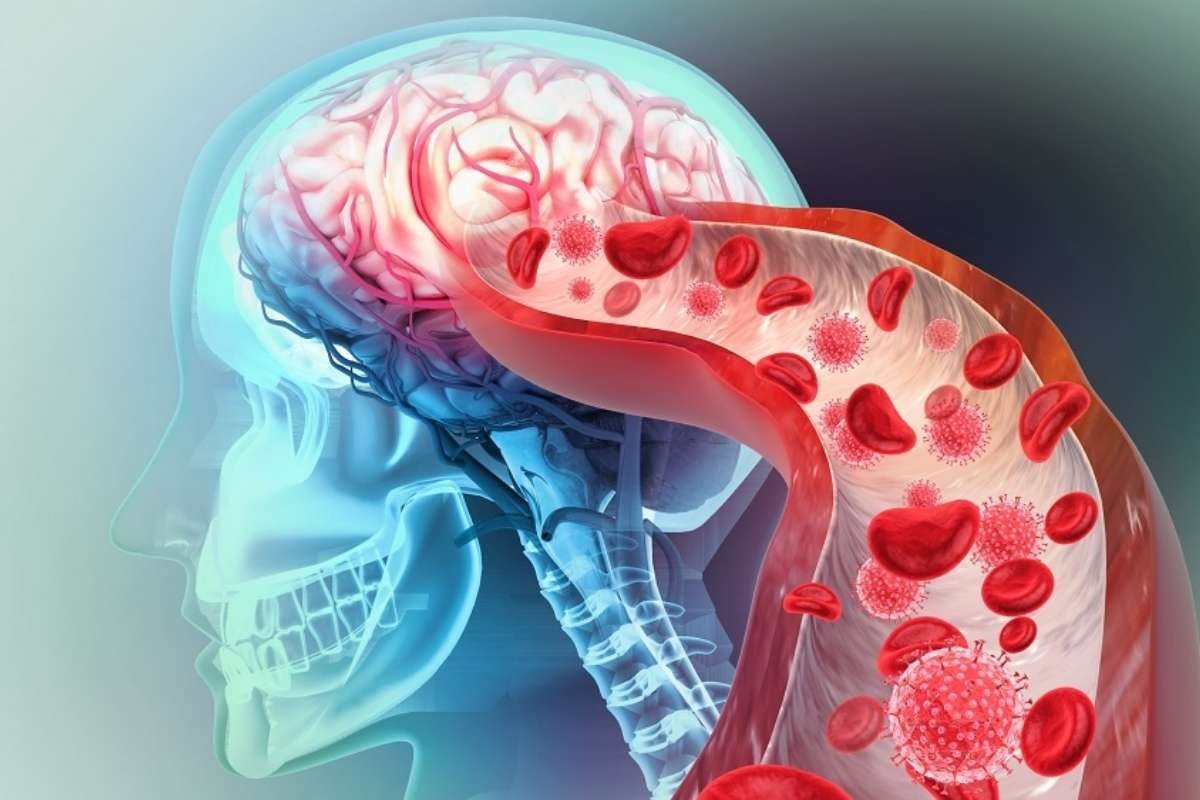
The brain relies on steady blood flow to deliver oxygen and nutrients. Compromised blood vessels can pave the way for Alzheimer’s, since the brain isn’t getting a sufficient supply of blood over the long term, which is why cardiovascular health and brain health are so closely linked.
Diet and inflammation
Diets built around minimally processed plant foods like vegetables, whole grains, and legumes. They are generally associated with lower inflammatory markers than diets high in refined sugar and saturated fat, which may benefit long-term brain function.
Diet and oxidative stress
Cells naturally produce free radicals during normal metabolism. Diets rich in plant-based antioxidants may help the body manage this oxidative load, though no food or nutrient eliminates free radicals. It’s about balance, not elimination.
Diet and brain energy metabolism
The brain is energy-intensive and depends heavily on a steady glucose supply under normal conditions, which is why consistent, high-fiber carbohydrates matter more than restrictive eating patterns.
Diet and synaptic function
Dietary factors can influence neuronal function and synaptic plasticity through specific biological mechanisms, according to Nature Reviews Neuroscience. Nutrients like omega-3s appear to play a role in how neurons communicate and adapt.
Diet and the gut-brain axis
The gut and brain are connected through the gut-brain axis, a biochemical link between the gastrointestinal tract and central nervous system. Fiber and fermented foods feed gut microbes that produce metabolites potentially relevant to brain signaling. It is a topic covered further in foods for gut health.
Together, these pathways show why a diet for brain health works through multiple overlapping systems rather than any single mechanism. For a broader look at diet’s role beyond cognition, see how food affects mental health.
Which Foods Should You Limit for Brain Health?
Highly processed foods. No single ingredient “ruins” a diet, but overall dietary quality matters. Diets high in ultra-processed foods tend to displace the fiber, vitamins, and healthy fats a Diet for Brain Health depends on.
Excess added sugars. The concern is less about sugar in isolation and more about overall dietary patterns. Regularly high sugar intake is tied to poorer metabolic health, which affects the brain indirectly. Foods high in saturated fat. The goal is replacement, not elimination. Swapping butter or fatty meats for olive oil and nuts supports both heart and brain health. Trans fats. Industrial trans fat has no known health benefits and is a major contributor to cardiovascular disease. This is why health authorities recommend avoiding it specifically, unlike naturally occurring fats.
Excess sodium. High sodium intake is closely tied to elevated blood pressure, and since vascular health underpins brain health, keeping sodium moderate supports healthy blood flow. Excess alcohol. Alcohol isn’t required for brain health, and lower intake is generally associated with lower alcohol-related risk overall.
Refined grains. Refined grains lose fiber and nutrients during processing. Understanding whole grain vs refined grain helps explain why whole grains are the steadier choice for energy and metabolic health.
Taken together, these are less about strict avoidance and more about proportion. See unhealthy foods to avoid and saturated fat vs unsaturated fat for a closer breakdown of smart substitutions.
How to Build a Brain-Healthy Meal Plan?
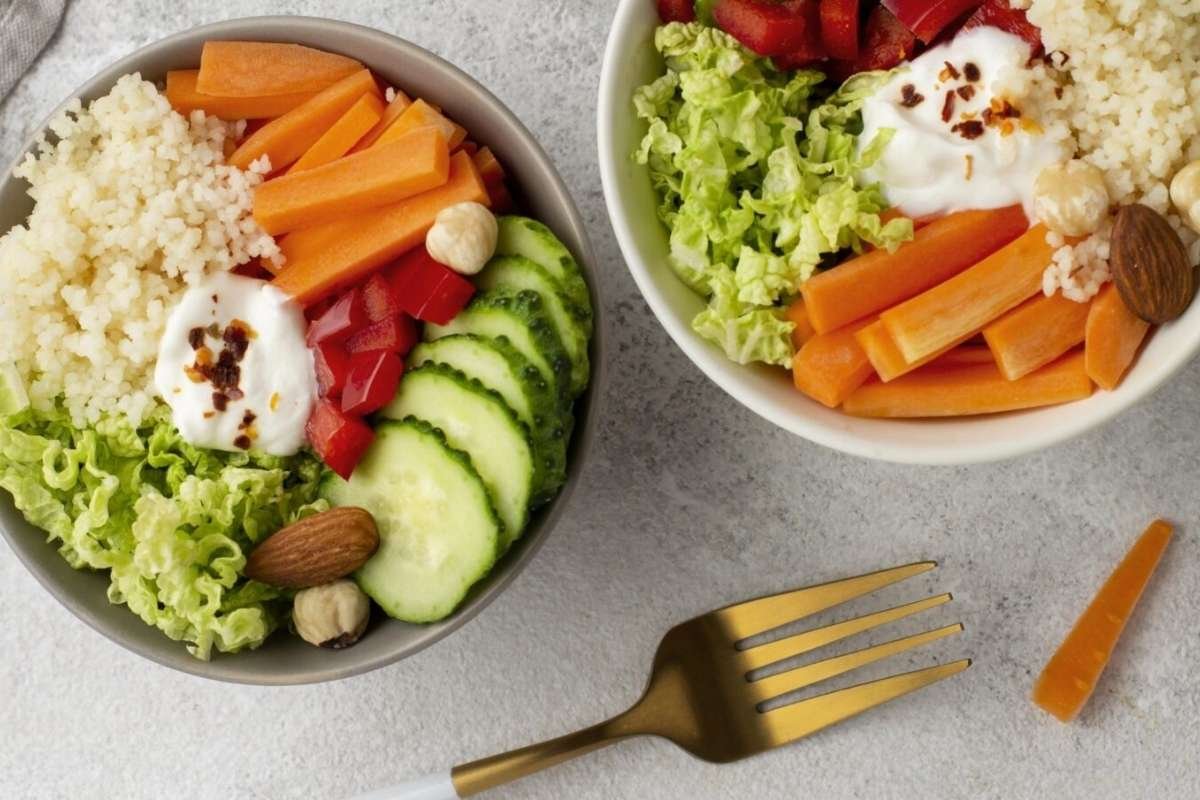
Turning this into daily meals doesn’t need to be complicated. A simple plate framework makes it easy to build a Diet for Brain Health without counting calories or memorizing nutrient charts.
The brain-healthy plate
- ½ plate: vegetables and/or fruit
- ¼ plate: protein
- ¼ plate: whole grains or other high-fiber carbohydrate
- a source of healthy fat
- water
This ratio works across cuisines, so it’s easy to adapt whether meals lean Mediterranean, Indian, or anything in between.
Breakfast
- Oats + berries + nuts
- Eggs + whole-grain toast + vegetables
- Yogurt + fruit + seeds
Lunch
- Dal + brown rice + vegetables
- Chickpea/bean bowl + whole grains + vegetables
- Fish + whole grain + salad
Dinner
- Salmon + vegetables + whole grain
- Lentils + vegetables + millet
- Tofu + vegetables + brown rice
Snacks
- Nuts
- Fruit
- Plain yogurt
- Roasted chickpeas
Notice the pattern repeats: a protein source, a fiber-rich carbohydrate, plenty of vegetables, and a healthy fat. Whether that’s olive oil, ghee in moderation, or a handful of nuts. The specific dishes can change with culture and budget, but the structure stays the same.
If you’re just getting started, how to start eating healthy breaks down affordable ways to apply this framework without overhauling your entire kitchen. And since fiber shows up in nearly every meal above. High fibre foods is a useful next read for rounding out your plate with the right whole grains, legumes, and vegetables.
Conclusion:
Diet for brain health is centered on the concept of steadiness rather than following strict diets or obsessing over the newest superfood. When creating your meals, think of putting more vegetables, whole grains, legumes, healthy fats, high-quality protein, and controlling your intake of junk food, added sugars, and unhealthy fats. The research suggests that any solution to help with brain health should consider vascular health, inflammation, and proper nutrition.
Make small changes first. For instance, you can replace one of the refined grains with whole grains, add one serving of leafy greens to your diet, or include fish in your weekly meals.
FAQ:
1. What food to eat to improve the brain?
Eating nutrient-rich foods such as fatty fish, leafy greens, berries, whole grains, legumes, and nuts can support overall brain and cognitive health as part of a balanced dietary pattern.
2. What is the healthiest diet for your brain?
There is no single diet proven to be best for everyone’s brain health. Mediterranean- and MIND-style eating patterns are among the dietary approaches studied for their potential cognitive and brain-health benefits.
3. What to drink for brain memory?
Water is the best everyday beverage. Coffee and tea can fit into a brain-healthy diet, while evidence for specific drinks improving memory remains limited.
4. What are 5 foods to avoid on the MIND diet?
The MIND diet asks you to limit five main unhealthy food groups that are high in saturated and trans fats: red meat, butter and stick margarine, cheese, pastries and sweets, and fried or fast food.
5. What is the best breakfast for brain health?
A balanced breakfast with whole grains or other high-fiber carbohydrates, protein, healthy fats, and fruit can provide nutrient-dense fuel as part of a brain-healthy diet.
Links and Sources: