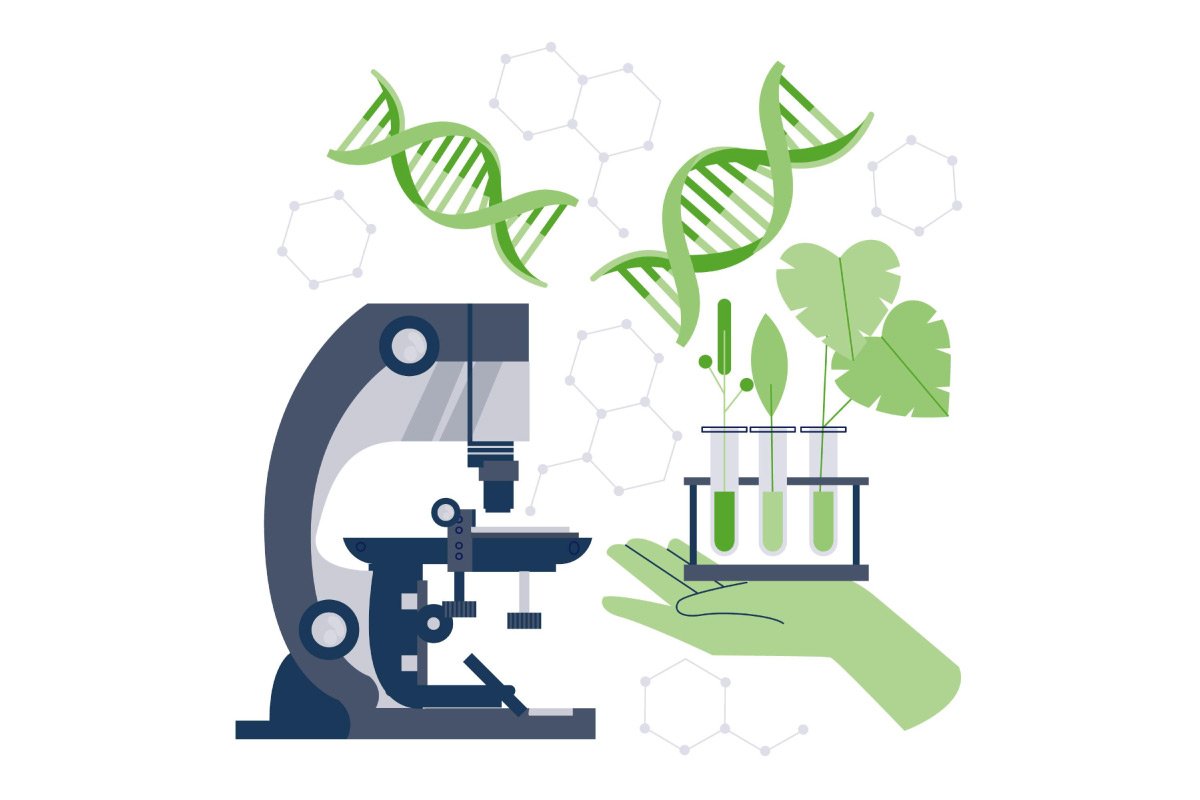
As global populations rise and environmental concerns intensify, the need for sustainable farming has never been more urgent. Agriculture must evolve to produce more food while conserving natural resources and minimizing ecological impact. One of the most powerful tools driving this transformation is biotechnology. By integrating science with agriculture, biotechnology is enabling farmers to adopt smarter, more sustainable practices.
What is Biotechnology in Agriculture?
Biotechnology in agriculture involves using scientific techniques, including genetic engineering, molecular markers, and microbial applications, to improve plants, animals, and farming processes. It focuses on enhancing crop productivity, resilience, and nutritional value while reducing reliance on chemical inputs.
From genetically improved seeds to biofertilizers and biopesticides, biotechnology is reshaping how crops are grown and managed.
The Need for Sustainable Farming
Traditional farming methods, heavily dependent on chemical fertilizers and pesticides, have led to soil degradation, water pollution, and biodiversity loss. Climate change has further complicated the scenario, bringing unpredictable weather patterns, droughts, and pest outbreaks.
Sustainable farming aims to:
- Preserve soil health
- Reduce environmental impact
- Use resources efficiently
- Ensure long-term agricultural productivity
Biotechnology plays a crucial role in achieving these goals by offering innovative and eco-friendly solutions.
Key Applications of Biotechnology in Sustainable Farming
1. Genetically Modified Crops (GM Crops)
Genetically modified crops are engineered to possess desirable traits such as pest resistance, drought tolerance, and improved nutritional content. These crops reduce the need for chemical pesticides and increase yield, making farming more efficient and sustainable.
For example, pest-resistant crops developed through biotechnology in agriculture can significantly lower pesticide usage, benefiting both the environment and farmers’ health.
2. Biofertilizers
Biofertilizers are natural fertilizers containing beneficial microorganisms that enhance soil fertility and plant growth. They help fix atmospheric nitrogen, solubilize phosphorus, and promote root development.
Unlike chemical fertilizers, biofertilizers are environmentally friendly and contribute to long-term soil health.
3. Biopesticides
Biopesticides are derived from natural materials such as plants, bacteria, and minerals. They target specific pests without harming beneficial organisms or polluting the environment.
Their use helps reduce chemical pesticide dependency, ensuring safer food production and ecological balance.
4. Tissue Culture Technology
Plant tissue culture allows for the rapid multiplication of disease-free and high-quality plants. This technique ensures uniform crop production and helps preserve rare and valuable plant species.
It is widely used in horticulture and commercial farming to maintain consistency and improve yield.
5. Marker-Assisted Selection (MAS)
Marker-assisted selection accelerates the breeding process by identifying desirable genetic traits early in plant development. This method enables the development of high-performing crop varieties without the need for extensive field trials.
Benefits of Biotechnology in Sustainable Agriculture
Enhanced Crop Productivity
Biotechnology enables the development of high-yielding crop varieties that can thrive under challenging conditions, ensuring food security.
Reduced Chemical Usage
With pest-resistant crops and biological inputs, biotechnology in agriculture allows farmers to significantly cut down on chemical fertilizers and pesticides.
Improved Resource Efficiency
Biotechnological solutions help optimize water and nutrient usage, reducing waste and conserving resources.
Climate Resilience
Crops developed through biotechnology can withstand extreme weather conditions, making agriculture more resilient to climate change.
Environmental Protection
By minimizing harmful agricultural practices, biotechnology helps protect ecosystems, biodiversity, and soil health.
Challenges and Concerns
Despite its advantages, biotechnology in agriculture faces certain challenges:
- Public concerns about the safety of genetically modified organisms (GMOs)
- Regulatory complexities in different countries
- High initial costs of adoption
- Limited awareness among small-scale farmers
Addressing these issues through transparent communication, policy support, and education is essential for wider acceptance.
Future Outlook
The future of sustainable farming is closely tied to advancements in biotechnology. Innovations such as gene editing (CRISPR), precision agriculture, and synthetic biology are expected to further revolutionize the sector.
Additionally, the integration of biotechnology with digital farming tools—such as AI and data analytics—will enable more precise and efficient agricultural practices.
Conclusion
Sustainable farming through biotechnology is not just a possibility—it is a necessity for the future of agriculture. By improving crop productivity, reducing environmental impact, and enhancing resilience, biotechnology offers a comprehensive solution to modern agricultural challenges.
As farmers, researchers, and policymakers work together to embrace these innovations, biotechnology will play a vital role in building a more sustainable, secure, and prosperous agricultural landscape for generations to come.