Agriculture is undergoing a digital revolution. With increasing pressure to feed a growing global population while preserving natural resources, farmers are turning to advanced technologies to improve efficiency and productivity. At the heart of this transformation lies precision agriculture and data-driven farming—innovative approaches that are reshaping modern agriculture.
What is Precision Agriculture?
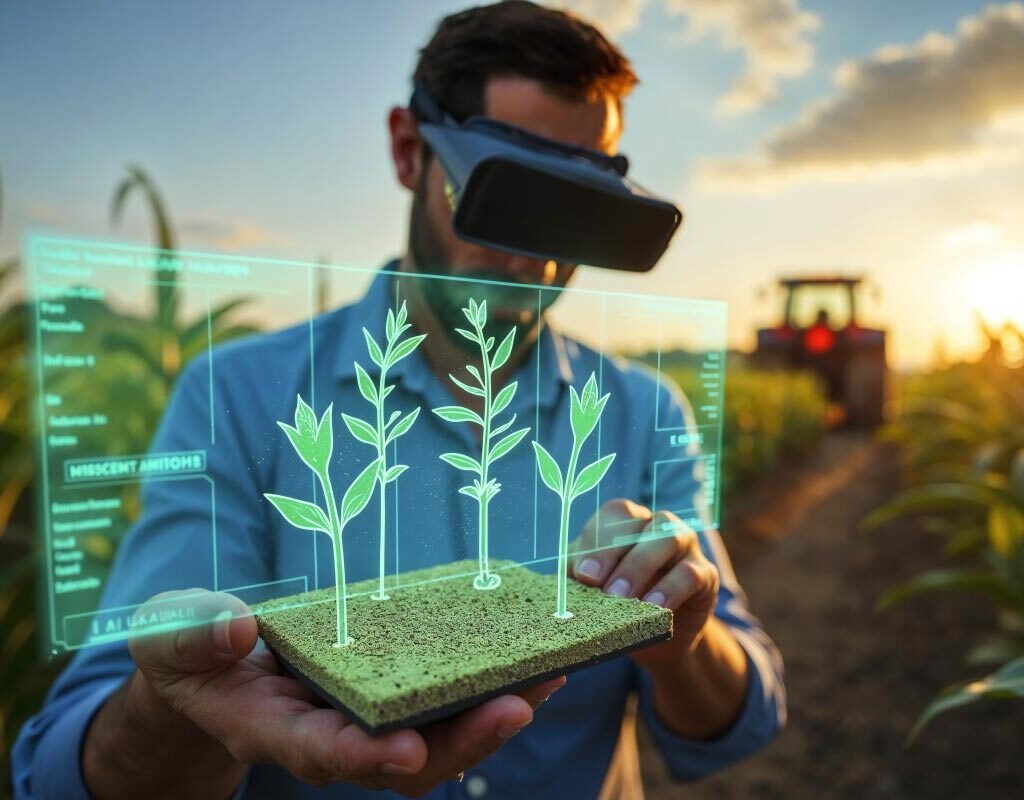
Precision agriculture, also known as smart farming, is a farming management concept that uses technology to monitor, measure, and respond to variability in crops and soil conditions. Instead of applying resources uniformly across a field, precision agriculture enables farmers to tailor their practices to specific areas, optimizing inputs such as water, fertilizers, and pesticides.
This approach relies heavily on data collected through various technologies, making data-driven decision-making a core component of modern farming.
Understanding Data-Driven Farming
Data-driven farming involves collecting, analyzing, and using agricultural data to make informed decisions. This data can come from multiple sources, including:
- Satellite imagery
- GPS-enabled equipment
- Soil sensors
- Weather stations
- Drones and IoT devices
By leveraging this data, farmers can gain insights into crop health, soil conditions, moisture levels, and weather patterns, enabling them to make timely and precise interventions.
Key Technologies Powering Precision Agriculture
1. GPS and GIS Technology
Global Positioning System (GPS) and Geographic Information Systems (GIS) allow farmers to map their fields accurately and monitor variations in soil and crop conditions. These technologies enable site-specific management, ensuring that each part of the field receives the right treatment.
2. Remote Sensing and Drones
Drones equipped with advanced sensors and cameras provide real-time aerial imagery of fields. This helps farmers detect issues such as pest infestations, nutrient deficiencies, and irrigation problems early, reducing crop losses.
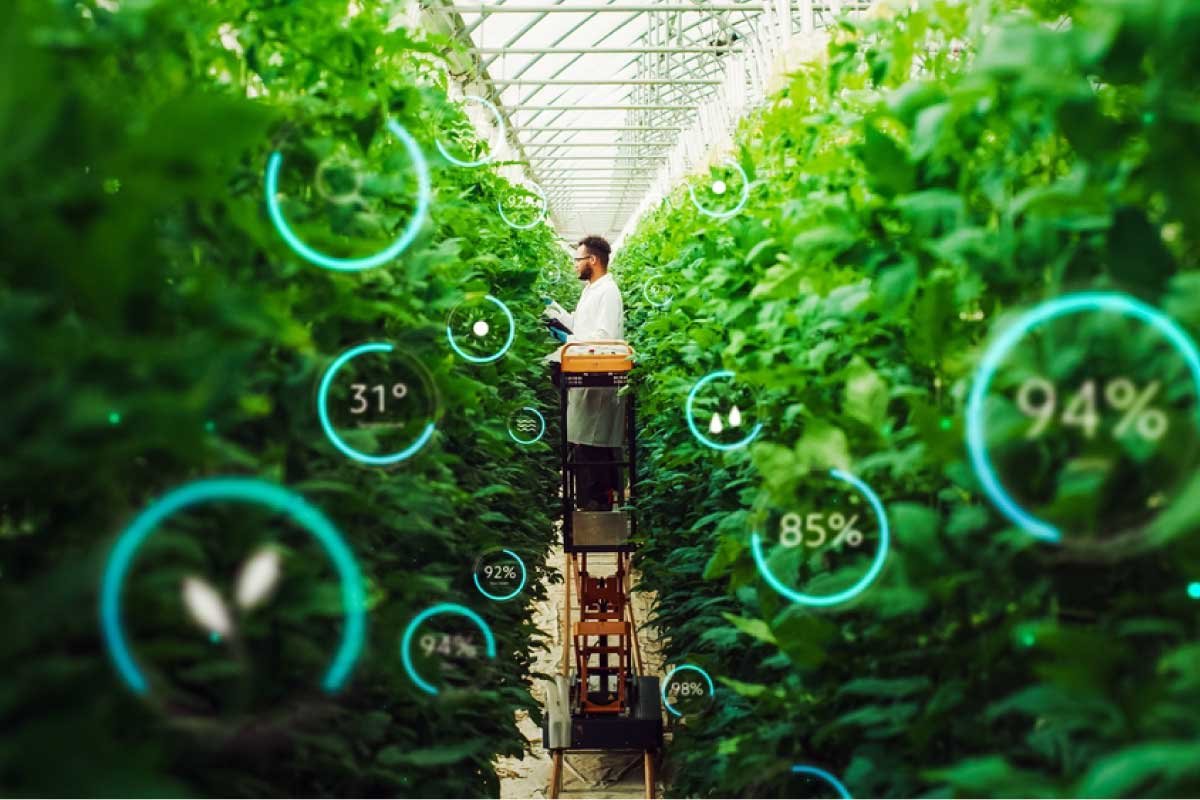
3. IoT and Smart Sensors
Internet of Things (IoT) devices and sensors collect data on soil moisture, temperature, humidity, and crop health. These sensors provide continuous monitoring, allowing farmers to respond quickly to changing conditions.
4. Big Data and Analytics
Advanced analytics tools process large volumes of agricultural data to generate actionable insights. Predictive analytics can forecast crop yields, identify potential risks, and recommend optimal farming practices.
5. Variable Rate Technology (VRT)
VRT allows farmers to apply inputs such as fertilizers and pesticides at variable rates across a field. This ensures efficient resource utilization and minimizes environmental impact.
Benefits of Precision Agriculture
1. Increased Productivity
By applying the right inputs at the right time and place, farmers can significantly improve crop yields and overall farm productivity.
2. Cost Efficiency
Precision agriculture reduces waste by optimizing the use of resources such as water, fertilizers, and pesticides, leading to lower operational costs.
3. Environmental Sustainability
Targeted application of inputs minimizes runoff and reduces the environmental footprint of farming practices.
4. Improved Crop Health
Continuous monitoring and early detection of issues help maintain healthy crops and prevent large-scale damage.
5. Better Decision-Making
Access to accurate and real-time data enables farmers to make informed decisions, improving overall farm management.
6. Role in Sustainable Agriculture
Precision agriculture plays a vital role in promoting sustainable farming practices. By reducing resource wastage and minimizing chemical usage, it helps conserve natural resources and protect ecosystems.
Additionally, data-driven farming supports climate-smart agriculture by enabling farmers to adapt to changing weather patterns and mitigate risks associated with climate change.
Challenges in Adoption
Despite its advantages, the adoption of precision agriculture faces several challenges:
- High initial investment in technology and equipment
- Lack of technical knowledge and training among farmers
- Limited access to reliable internet connectivity in rural areas
- Data privacy and security concerns
To overcome these barriers, governments and private organizations must work together to provide financial support, training programs, and infrastructure development.
Future Trends in Precision Agriculture
The future of precision agriculture is driven by continuous technological advancements. Some key trends include:
Artificial Intelligence (AI) and Machine Learning
AI-powered tools are enabling predictive analytics and automated decision-making, making farming more efficient and proactive.
Autonomous Machinery
Self-driving tractors and robotic systems are reducing labor dependency and improving operational efficiency.
Blockchain Technology
Blockchain is being used to enhance transparency and traceability in the agricultural supply chain.
Integration with Climate Data
Combining agricultural data with climate models will help farmers make better decisions and improve resilience to climate change.
Real-World Applications
Farmers around the world are already benefiting from precision agriculture. For instance:
- Using drones to monitor crop health and identify problem areas
- Implementing smart irrigation systems that adjust water usage based on soil moisture levels
- Applying fertilizers using VRT to reduce waste and improve efficiency
These applications demonstrate how data-driven farming is transforming traditional agricultural practices.
Conclusion
Precision agriculture and data-driven farming represent the future of agriculture. By harnessing the power of technology and data, farmers can achieve higher productivity, reduce costs, and promote sustainability.
As the agricultural sector continues to evolve, embracing these innovative approaches will be essential for meeting global food demands while protecting the environment. The integration of advanced technologies, data analytics, and sustainable practices is paving the way for a smarter, more efficient, and resilient agricultural ecosystem.
In the years ahead, precision agriculture will not just be an option—it will be a necessity for farmers aiming to thrive in an increasingly complex and competitive world.