Key Takeaway:
- Rabid Bat Bend Oregon was confirmed, prompting public health warnings about potential exposure risks
- Rabies spreads through bites or scratches and is almost always fatal once symptoms appear, though post-exposure vaccines are effective if given early.
- Officials urge residents to avoid bats and wild animals and ensure pets are vaccinated against rabies for protection.
Deschutes County Public Health officials in central Oregon warn residents after a bat in Bend tested positive for rabies, urging precautions to avoid bites or scratches from infected wildlife.
Health officials confirm rabies case in Bend bat
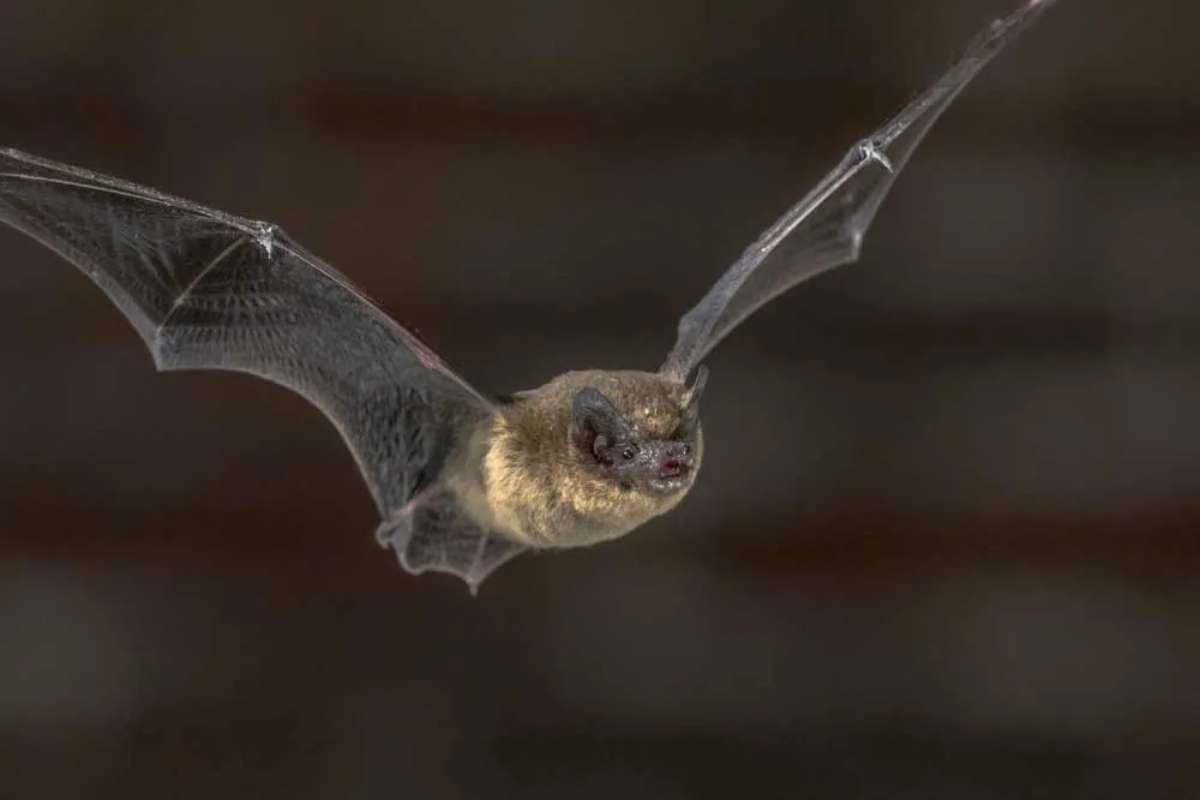
Officials with Deschutes County Public Health confirmed that a bat found in Bend tested positive for rabies, a viral disease that affects the central nervous system and is almost always fatal once symptoms appear in humans.
Rabid Bat Bend Oregon are the most frequently reported rabies carriers in the United States, according to county officials and guidance from the Mayo Clinic, which also identifies coyotes, foxes, raccoons, and skunks as other potential transmitters.
The Centers for Disease Control and Prevention says roughly 100,000 Americans receive rabies vaccinations each year after suspected exposure, underscoring the importance of rapid medical treatment following possible contact.
Experts warn of exposure risks and fast treatment
Health officials warn that rabies spreads through bites or scratches from infected animals, with bats posing a significant risk because they can carry the virus without obvious signs of illness, as seen in the Rabid Bat Bend Oregon case.
A county public health official said, “Avoiding contact with bats is the most effective way to prevent rabies exposure, especially if the animal is active during daylight or acting strangely.”
According to the Centers for Disease Control and Prevention, post-exposure vaccination is highly effective at preventing rabies if administered promptly, but the disease is nearly always fatal once symptoms develop.
Authorities urge prevention and pet vaccination
County health officials recommend several precautions to reduce the risk of rabies exposure, including avoiding contact with bats, whether alive or dead, and refraining from handling or feeding stray or wild animals.
Officials also emphasize the importance of keeping pets up to date on rabies vaccinations, including dogs, cats, and ferrets, to create a barrier against potential transmission from wildlife.
If residents encounter a bat that is active during the day, unable to fly, or behaving unusually, officials advise them to avoid contact, keep people and pets away, and report the sighting to the Oregon Department of Fish and Wildlife at 541 388-6363 or contact a licensed wildlife control operator.
Public health experts stress that while rabies is rare in humans in the United States, it remains a serious medical emergency because once clinical symptoms appear, survival is extremely rare.
Health officials with the Centers for Disease Control and Prevention note that prompt medical evaluation after any suspected exposure, including bites or scratches from bats, can prevent the disease from developing.
Officials say residents should never attempt to dispose of a bat themselves, especially if it is found on the ground or in a place where children or pets can reach it, as improper handling increases exposure risk.
Local surveillance efforts continue as public health agencies monitor wildlife cases to track rabies activity and reduce the likelihood of human exposure across central Oregon communities.
Although human cases of rabies in the United States are rare, most infections are linked to wildlife exposure, particularly bats, which can carry the virus without visible symptoms, making early detection and preventive treatment essential.
Veterinarians and public health authorities continue to encourage routine rabies vaccinations for pets as a community-wide protective measure, noting that unvaccinated animals can become a bridge for virus transmission from wildlife to humans.
Officials urge continued caution across the region. Following the Rabid Bat Bend Oregon case.