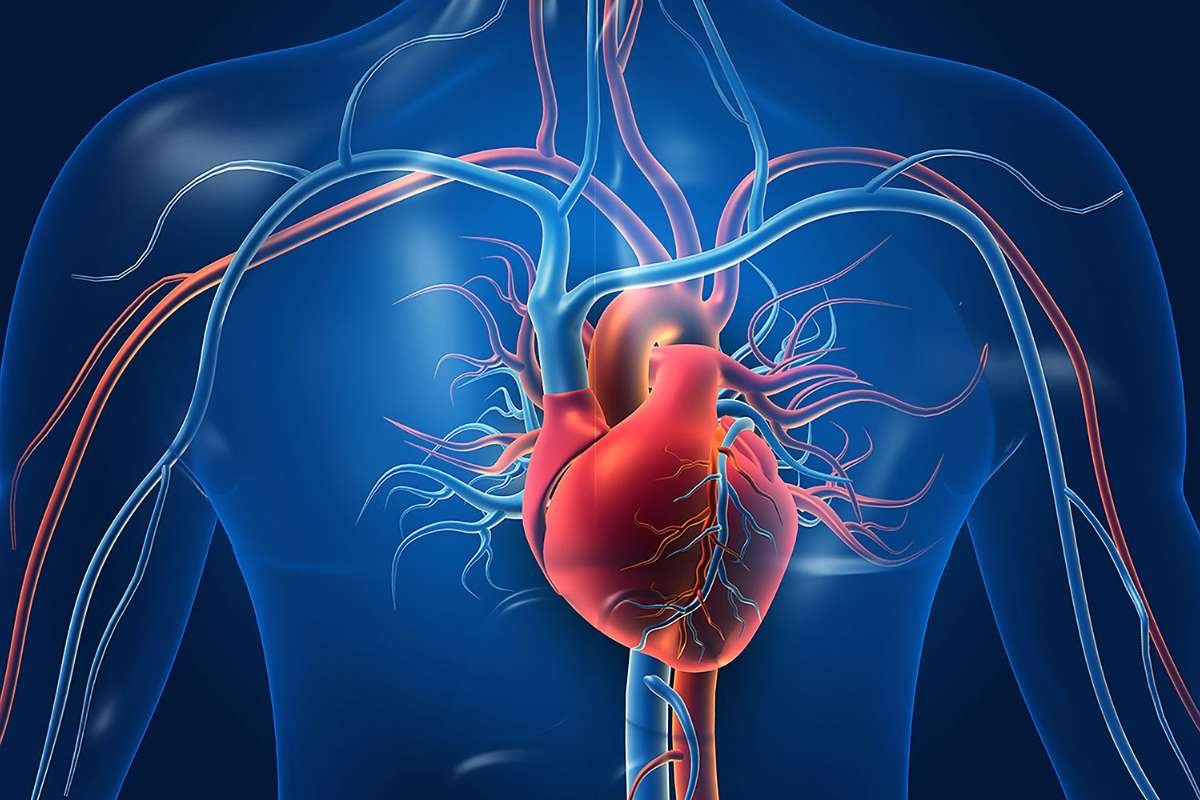
Learn about how does the heart works in action, from controlling the heartbeat and delivering oxygen to responding to stress and circulating blood. This guide describes the heart as a living system that continually adapts to the needs of your body through pumping, electrical signaling, and regulation of blood flow. You’ll trace a single heartbeat from beginning to end, see how the chambers and vessels cooperate, and discover what is different during exercise, sleep, stress, and heart problems.
The heart is often described as a pump, but that’s not the whole story. To truly understand how does the heart work, you have to think of it as a living, adaptive system, responding every second to the needs of your body. It’s not just a pump, it’s a real-time regulator of pressure, rhythm, and oxygen delivery.
From birth to your last breath, the heart is constantly recalibrating itself based on activity, emotion, and health conditions. This guide breaks down that complexity into an easy-to-follow model so you can really see what’s going on inside your chest every second.
Table of Contents
How does the heart work: the body’s real-time life engine?
How does the heart work? It works like a real-time life-support engine: a mechanical pump, an electrical controller, and a plumbing network all working together every second.
1. Three-layer system
- Mechanical pump: The heart muscle contracts and relaxes to push blood forward.
- Electrical controller: The SA node, the heart’s natural pacemaker, starts the electrical signal that sets the rate and rhythm of the heartbeat.
- Plumbing network: Arteries, veins, and capillaries carry blood to the lungs and the rest of the body.
2. One heartbeat loop
Blood enters the right atrium, moves to the right ventricle, goes to the lungs for oxygen, returns to the left atrium, moves into the left ventricle, and is then pumped to the body. This loop repeats continuously, so oxygen and nutrients reach tissues while carbon dioxide and waste are carried away.
3. Real-time adaptation
The heart does not beat at a fixed speed all day. It speeds up when oxygen demand rises, such as during exercise, and slows down for a more efficient beat at rest.
That is why the heart is not just pumping blood. It is continuously recalculating output based on what the body needs right now.
Simple takeaway
In simple terms, the heart keeps scanning the body’s needs and adjusting blood flow in real time. That is the core idea behind how does the heart work: it is a living control system, not just a pump.
The heart as a three-system biological machine (pump, wiring, plumbing):
It acts like a three-part biological machine: a pump that contracts, an electrical wiring system that sets the beat, and a blood plumbing network that moves blood through the body.
1. Pump and muscle
The heart muscle squeezes blood out of the chambers, and the ventricles are thicker because they need more force to push blood farther than the atria do. This is why the left ventricle is the strongest chamber: it must send oxygen-rich blood to the whole body.
2. Electrical wiring
The heartbeat starts at the SA node, moves to the AV node, then travels through the bundle of His and the bundle branches to make the ventricles contract in order. This electrical system keeps the beat coordinated and steady.
3. One-way gates
The heart valves act like one-way gates. They open to let blood move forward and close to stop it from flowing backward. That keeps the blood moving in the right direction through the chambers and vessels.
Simple flow
Blood goes to the right atrium → right ventricle → lungs → left atrium → left ventricle → body.
One heartbeat explained step-by-step:
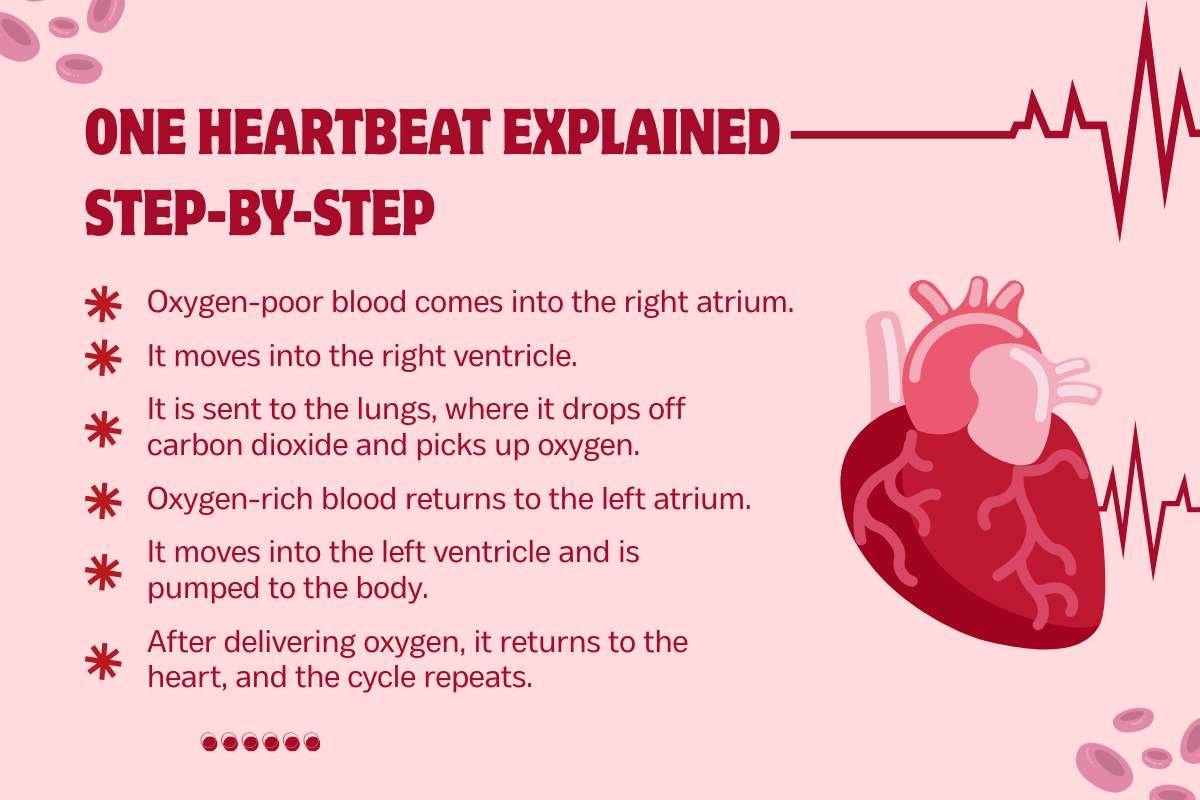
A red blood cell’s trip through the heart is a quick loop: it enters the right atrium with oxygen-poor blood, moves to the right ventricle, goes to the lungs to pick up oxygen, returns to the left atrium, enters the left ventricle, and is then pumped out to the body.
One-loop journey
- Oxygen-poor blood comes into the right atrium.
- It moves into the right ventricle.
- It is sent to the lungs, where it drops off carbon dioxide and picks up oxygen.
- Oxygen-rich blood returns to the left atrium.
- It moves into the left ventricle and is pumped to the body.
- After delivering oxygen, it returns to the heart, and the cycle repeats.
Simple loop view:
Right atrium → right ventricle → lungs → left atrium → left ventricle → body → back to heart.
That is the clearest way to explain how does the heart work. It keeps blood moving in a repeating loop so oxygen can be delivered again and again.
The 4 chambers and their real function in flow control:
The heart has four chambers, but they do different jobs. The right side collects oxygen-poor blood and sends it to the lungs. While the left side receives oxygen-rich blood and sends it out to the body.
Chamber roles
- Right atrium and right ventricle: receive blood from the body and pump it to the lungs for oxygen pickup.
- Left atrium and left ventricle: receive oxygen-rich blood from the lungs and pump it to the rest of the body.
Why the left ventricle is strongest
The left ventricle has the thickest muscle. Because it must generate the most force to push blood through the whole body, not just to the lungs.
Valves as gates
The heart valves act like one-way gates. They keep blood moving forward and stop it from flowing backward. This helps maintain pressure and efficient circulation.
Blood flow pathway: oxygen’s full journey
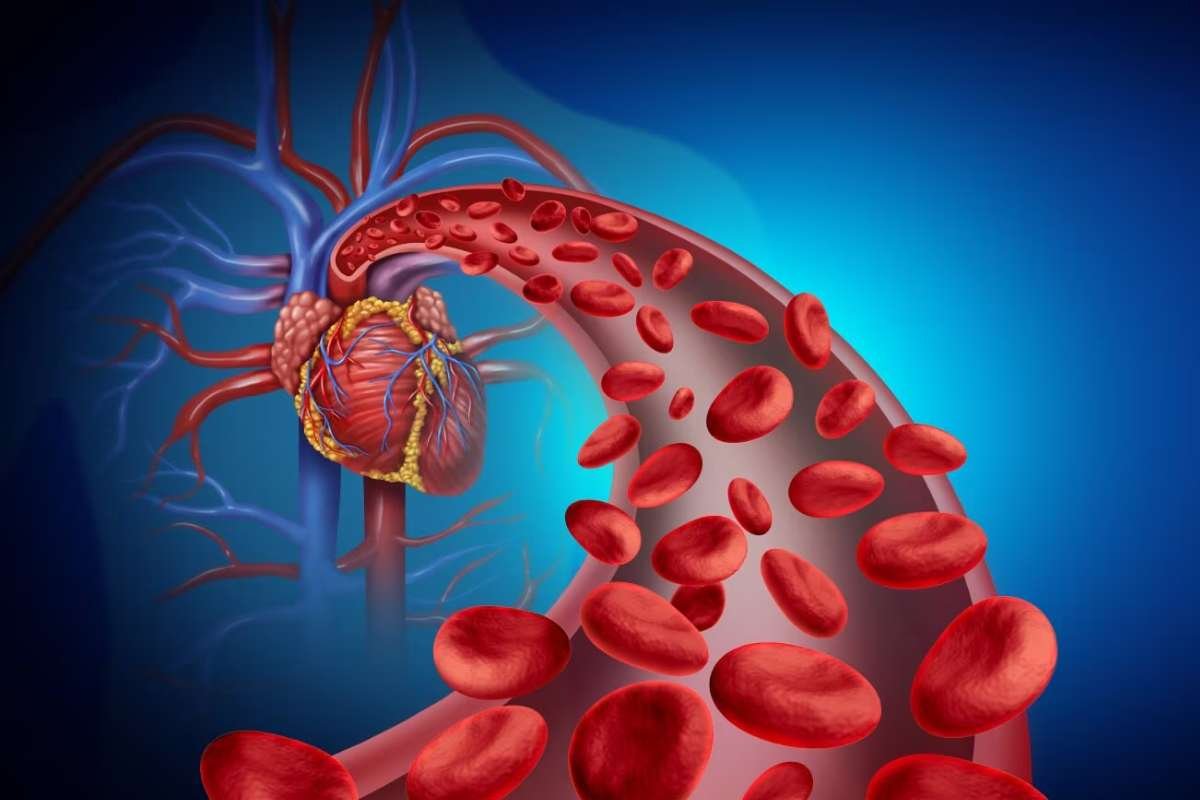
Blood is delivered in a loop. The arteries carry it away from the heart. Capillaries exchange oxygen and nutrients with tissues, and veins return blood to the heart.
Vessel roles
| Vessel | What it does | Simple view |
| Arteries | Carry blood away from the heart, usually under high pressure. | Delivery pipes |
| Veins | Carry blood back to the heart, usually at a lower pressure. | Return pipes |
| Capillaries | Thin exchange vessels where oxygen, nutrients, and waste move between blood and cells. | Exchange zone |
Oxygen in tissues
Oxygen leaves the blood in capillaries and enters nearby body cells, while carbon dioxide moves the other way into the blood. That is why capillaries are the key place where delivery actually happens, not just transport.
Why the brain gets priority
The brain needs a constant supply of oxygen and glucose and has very little reserve, so blood flow is tightly controlled to keep it supplied first. Research also shows that brain blood flow can adjust very quickly when oxygen demand rises.
What happens to your heart during exercise, stress, and sleep?
During exercise, the heart beats faster and pumps more blood with each beat, so working muscles get more oxygen. During stress, adrenaline and the sympathetic nervous system push the heart rate up; during sleep, the parasympathetic system slows it down for recovery.
Simple view
- Exercise: higher heart rate + stronger pumping.
- Stress: “fight-or-flight” response speeds the heart up.
- Sleep: “rest-and-recovery” response slows the heart down
HRV
Heart rate variability, or HRV, is the tiny change in time between one heartbeat and the next, and it is often used as a modern indicator of how well the body is adapting to stress and recovery. In simple terms, higher HRV often means better flexibility in the heart’s control system, while lower HRV can reflect stress, fatigue, or poor recovery.
Coronary arteries: how the heart feeds itself:
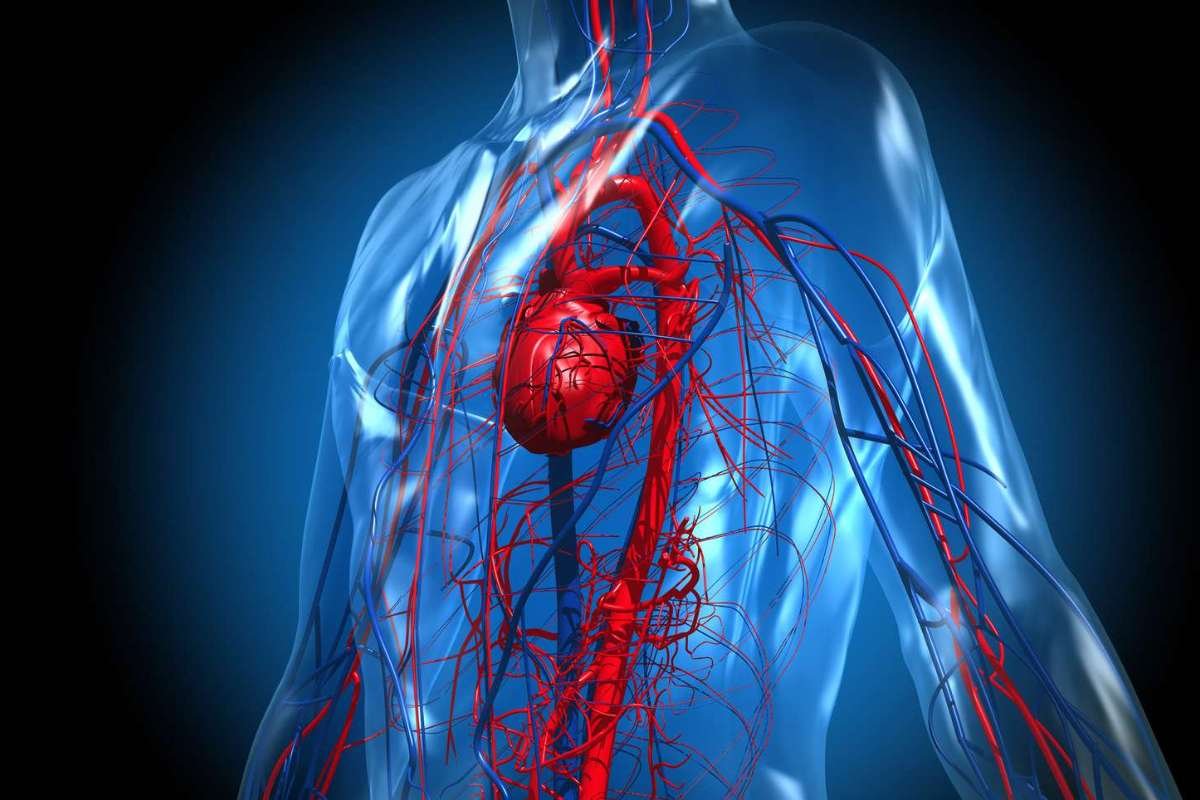
The heart feeds itself through the coronary arteries, which deliver oxygen-rich blood to the heart muscle so it can keep pumping.
Simple risk chain
- Blockage: Fatty plaque can narrow or block a coronary artery, reducing blood flow.
- Ischemia: When blood flow drops, the heart muscle does not get enough oxygen.
- Risk: If the blockage becomes severe or complete, it can cause a heart attack.
Plain meaning
In simple terms, how does the heart work? It is not only a pump for the body. It also needs its own oxygen supply to stay alive and keep working.
What can go wrong (and why it happens)?
Inside the heart system, three things can go wrong. The wire, the pipe, or the pump. That is the simplest way to understand how does the heart work when something fails.
What can fail:
- Electrical issues (arrhythmia): The heart’s rhythm becomes too fast, too slow, or irregular because the electrical signals are disrupted.
- Plumbing issues (blockage): Coronary arteries can narrow or block from plaque buildup, reducing blood flow to the heart muscle.
- Pump failure (weak muscle): The heart muscle can become weak or stiff, so it cannot pump blood effectively.
When the wire fails, the beat is off. When the pipe fails, blood delivery is blocked. When the pump fails, output drops.
Conclusion:
In a nutshell, the heart is not only a pump, but a living system that adapts every second in order to protect your body. When you know How does the heart work, you see a smart engine that keeps blood moving, oxygen flowing, and rhythm changing with your activity, stress, and rest.
It works best when the pump, the wiring, and the blood vessels all stay in step. If one part slows down, the whole system feels it. The big idea is simple: your body is constantly recalibrating what it needs, moment to moment.
If this breakdown has helped, move on to the FAQ for a quick recap of the most common heart questions.
FAQ:
How does the heart work step by step?
The heart is a fist-sized muscular pump that drives your circulatory system. It works in a continuous, synchronized two-step process, pumping deoxygenated blood to the lungs to pick up oxygen, and then distributing that oxygen-rich blood to the rest of the body.
What drink is good for blood circulation?
The absolute best drink for blood circulation is water. Since your blood is largely made up of water, staying hydrated prevents your blood from thickening, allowing it to flow easily.
At what age does heart failure start?
Heart failure can occur at any age, from birth (due to congenital defects) to adulthood. However, it is primarily a condition of older adults, with the risk rising sharply after age 65.
What exercise is good for heart blockage?
Examples: Brisk walking, running, swimming, cycling, playing tennis, and jumping rope. Heart-pumping aerobic exercise is the kind that doctors have in mind when they recommend at least 150 minutes per week of moderate activity.
What are the first signs of a weak heart?
The earliest signs of a weak heart include persistent fatigue, shortness of breath during routine activities, and unexplained swelling (edema) in your legs, ankles, or feet.
Link and Sources:
https://www.nhs.uk/conditions/arrhythmia
https://medlineplus.gov/ency/article/001105.htm
https://www.health.harvard.edu/heart-health/how-relevant-is-heart-rate-variability