Key Takeaway:
- Salt Lake County confirmed its first human West Nile virus case of 2026, with the patient expected to recover.
- Utah has detected 296 virus-positive mosquito samples statewide, signaling increased transmission risk.
- Health officials urge residents to use mosquito repellents, remove standing water and avoid mosquito bites.
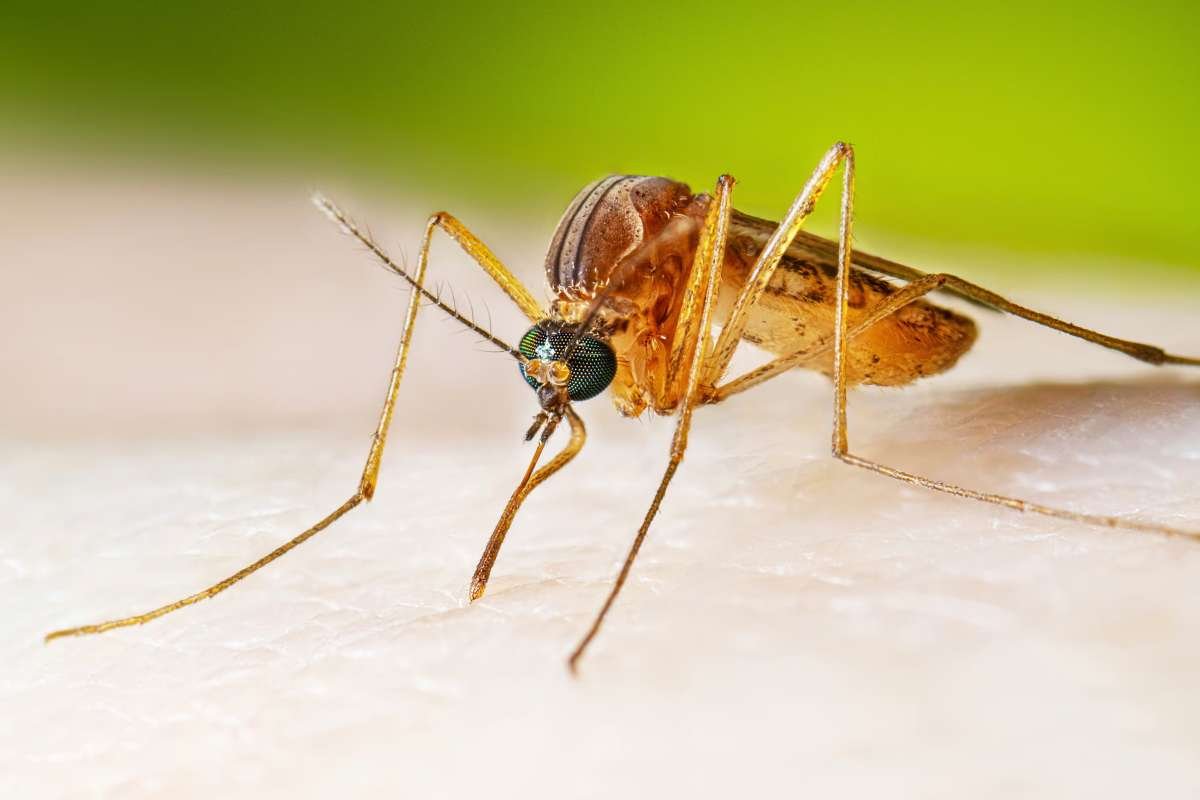
Salt Lake County health officials reported the county’s first human case of West Nile virus in 2026, as mosquito samples testing positive continue to rise across Utah, prompting renewed calls for residents to prevent mosquito bites, a pattern seen in other states’ first human case announcements this season.
Health officials confirm first human infection
MUMBAI, India, July 31 (AP) — The Salt Lake County Health Department has confirmed the county’s first human case of West Nile virus this year, marking another milestone in Utah’s mosquito season as health officials warn of increasing virus activity.
The infected adult was not identified. Officials said they expect the person to make a full recovery.
The case follows Utah’s first reported human infection of 2026, which the Bear River Health Department announced in late June.
Health officials said mosquito surveillance continues to show growing virus activity. Three mosquito abatement districts in Salt Lake County have detected West Nile virus in 86 mosquito samples, while statewide testing has identified the virus in 296 samples.
Positive mosquito samples rise across Utah
The number of infected mosquito samples has increased sharply compared with previous years.
At this point last year, Utah had recorded 39 positive mosquito samples statewide. During the same period in 2024, officials detected only 18 positive samples.
“Because mosquitoes can travel several miles, everyone in the county — regardless of exact location — should take precautions against mosquito bites to avoid exposure to the virus,” the Salt Lake County Health Department said.
The department added that residents cannot determine which mosquitoes carry the virus and should reduce exposure throughout mosquito season, which continues until the first hard freeze.
Officials recommend using an EPA-registered mosquito repellent containing DEET, picaridin, IR3535 or oil of lemon eucalyptus. They also advise wearing long sleeves and long pants after dusk, draining standing water around homes, maintaining roof gutters, stocking ponds with mosquito-eating fish or mosquito control products, repairing window and door screens, and trimming weeds and tall grass where mosquitoes rest.
Officials warn severe cases remain rare but dangerous
Health officials said many infected people never develop symptoms. Those who do typically become ill within two to 14 days after a mosquito bite and may experience fever, headache and body aches.
Less than one percent of infected people develop neuroinvasive disease, the most serious form of West Nile virus infection. According to the health department, severe illness can include high fever, neck stiffness, disorientation, tremors, muscle weakness, convulsions, coma or death.
State data from last year illustrate the potential impact of severe infections. Utah confirmed 49 human West Nile virus cases in 2025, including 39 neuroinvasive infections. Four people died.
“Because only 20–30% of infected people will have any symptoms at all, and many of those will notice only minor, flu-like symptoms, it’s likely that infection with WNV is more prevalent than the reported case numbers indicate,” the health department said.
Officials urged residents to continue taking preventive measures as mosquito activity remains high during the summer months, echoing prevention guidance from the CDC on avoiding mosquito bites.