Key Takeaway:
- Daraxonrasib Pancreatic Cancer Drug doubled survival for advanced pancreatic cancer patients, extending average survival from about six months to 13 months after chemotherapy.
- The drug targets the KRAS pathway, a genetic driver present in more than 90% of pancreatic cancer cases, long considered difficult to treat.
- Researchers call the results a breakthrough, with potential applications in other cancers such as colorectal and lung cancer, pending further trials and regulatory approval.
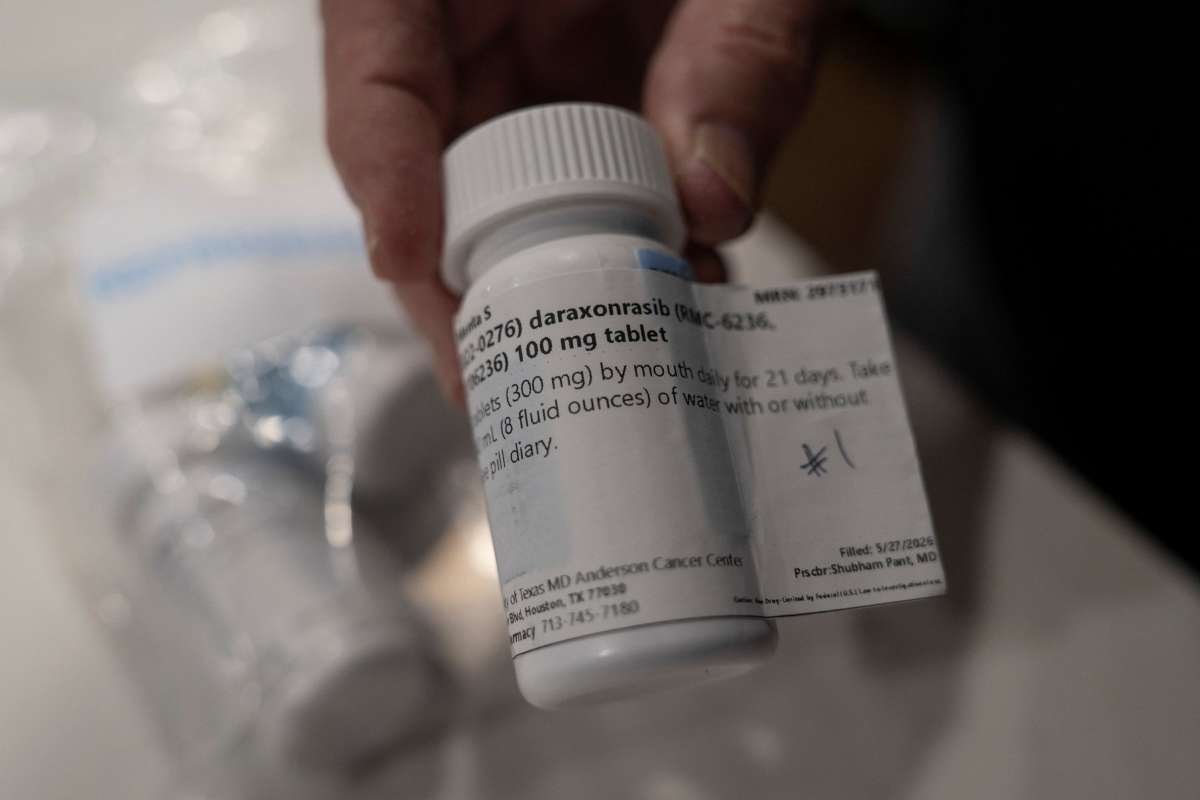
An experimental daily pill called daraxonrasib is doubling survival rates for patients with advanced pancreatic cancer, researchers reported this week, marking a breakthrough against one of the deadliest forms of cancer after decades of failed efforts.
Trial results show significant survival gains
The drug targets the KRAS pathway, a genetic driver found in more than 90% of pancreatic cancers. Researchers say the treatment slowed disease progression and extended survival among patients whose cancer had already advanced after at least one round of chemotherapy.
According to trial results presented over the weekend, patients receiving daraxonrasib lived an average of 13 months, compared with about six months for those who did not receive the drug.
Dr. Rachna Shroff, associate director of clinical investigations at the University of Arizona Comprehensive Cancer Center, called the findings unprecedented.
“Having the ability to have a pill double survival in patients who have already had one prior type of treatment for pancreatic cancer and have stage four disease is so far unprecedented,” Shroff said.
Pancreatic cancer is expected to kill more than 52,000 Americans this year. The disease is often diagnosed after it has spread, contributing to a five-year survival rate of about 13%.
Researchers call findings a potential game-changer
For many patients with advanced pancreatic cancer, chemotherapy has long been the primary treatment option. Experts say the new findings could change the standard of care.
Shroff described the announcement as a “game changer” after years of limited progress in treating the disease.
“We have never seen a doubling of survival when it comes to treating this disease,” she said. “That is incredibly impactful and meaningful to patients.”
The drug has also drawn attention through former U.S. Sen. Ben Sasse, who revealed he has been taking Daraxonrasib pancreatic cancer drug following his pancreatic cancer diagnosis.
In an interview earlier this year, Sasse said he experienced a 76% reduction in tumor volume over four months and reported significantly less pain.
“I am on extended time already,” Sasse said while discussing his treatment.
Side effects remain a challenge as approval process advances
Researchers cautioned that the drug can cause significant side effects, including severe skin reactions. Sasse has publicly described symptoms that included skin bleeding and intense discomfort.
Shroff said doctors are learning how to better manage those effects through preventive measures such as limiting sun exposure, prescribing oral antibiotics, and using topical steroids.
She noted that only a small percentage of trial participants stopped taking the drug because of side effects.
The U.S. Food and Drug Administration has granted some patients early access to Daraxonrasib Pancreatic Cancer Drug while the drug’s manufacturer seeks expedited approval.
Researchers also see broader potential for the treatment because KRAS mutations play a role in several other cancers, including colorectal and lung cancers.
“This has been the Holy Grail for cancer,” Shroff said. “Now that we have proof of principle, the next obvious question is what this drug and other RAS inhibitors can do.”
Scientists expect additional clinical trials to evaluate daraxonrasib and similar drugs across multiple cancer types in the coming years.