Key Takeaway:
- Two NIH researchers are accused in an NIH researchers monkeypox smuggling 113 biological sample vials, including deactivated monkeypox virus, into the U.S. through Detroit Metropolitan Airport.
- Federal authorities allege the scientists falsely told customs officers the case contained diagnostic equipment instead of biological materials.
- Both defendants face conspiracy and false statement charges, carrying a maximum penalty of five years in prison if convicted.
Two National Institutes of Health scientists are charged with conspiring to smuggle monkeypox-related biological materials into the United States through Detroit Metropolitan Airport and making false statements to federal investigators after returning from the Republic of Congo.
Federal authorities detail airport discovery
A federal criminal complaint filed Tuesday accuses Vincent Munster, 53, a Dutch citizen and chief of the Virus Ecology Section at the NIH Rocky Mountain Laboratories in Hamilton, Montana, and Claude Kwe, 38, a Cameroonian citizen and NIH research fellow, of illegally transporting biological samples into the country.
According to investigators, the men arrived at Detroit Metropolitan Airport’s McNamara Terminal on Jan. 25 after traveling from Brazzaville, Republic of Congo, where a monkeypox outbreak was ongoing.
U.S. Customs and Border Protection officers inspected the pair and observed them carrying a large black plastic case. Authorities said the researchers told officers the case contained diagnostic and testing equipment.
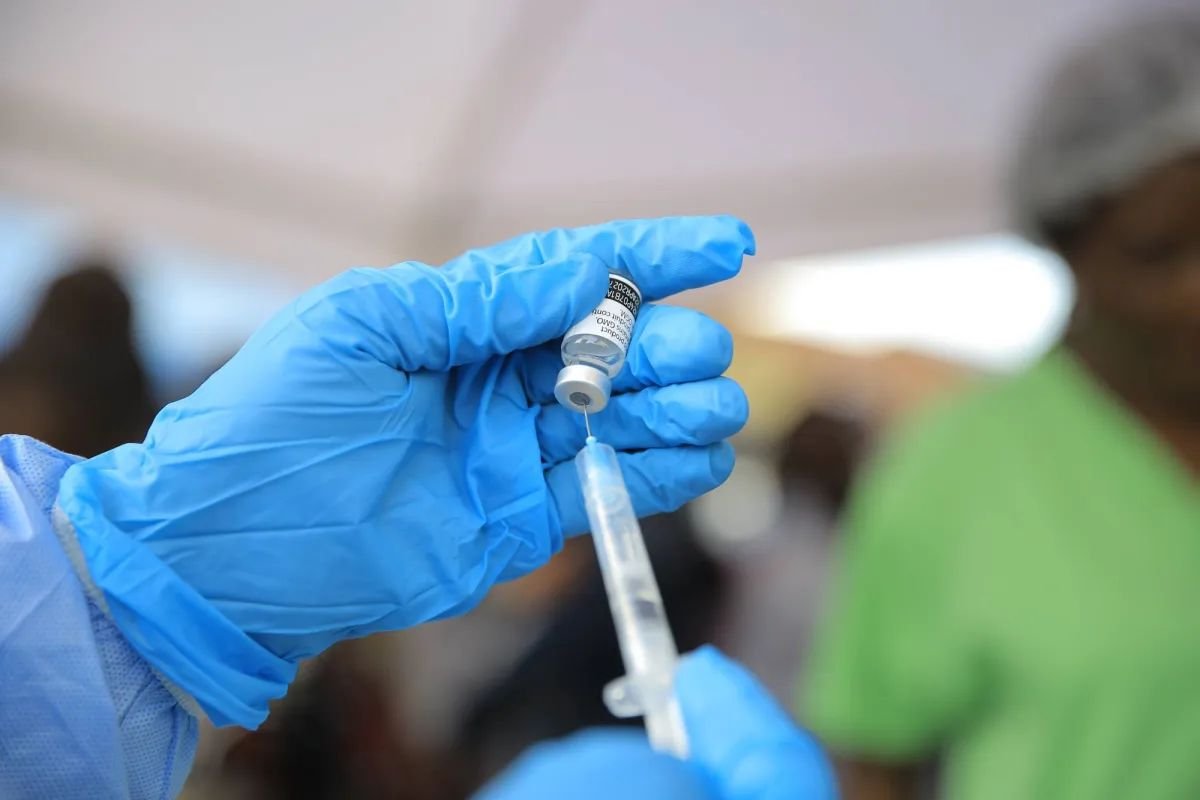
A subsequent investigation by CBP and the FBI allegedly found 113 vials stored inside Styrofoam coolers within the case.
Testing reveals viral materials
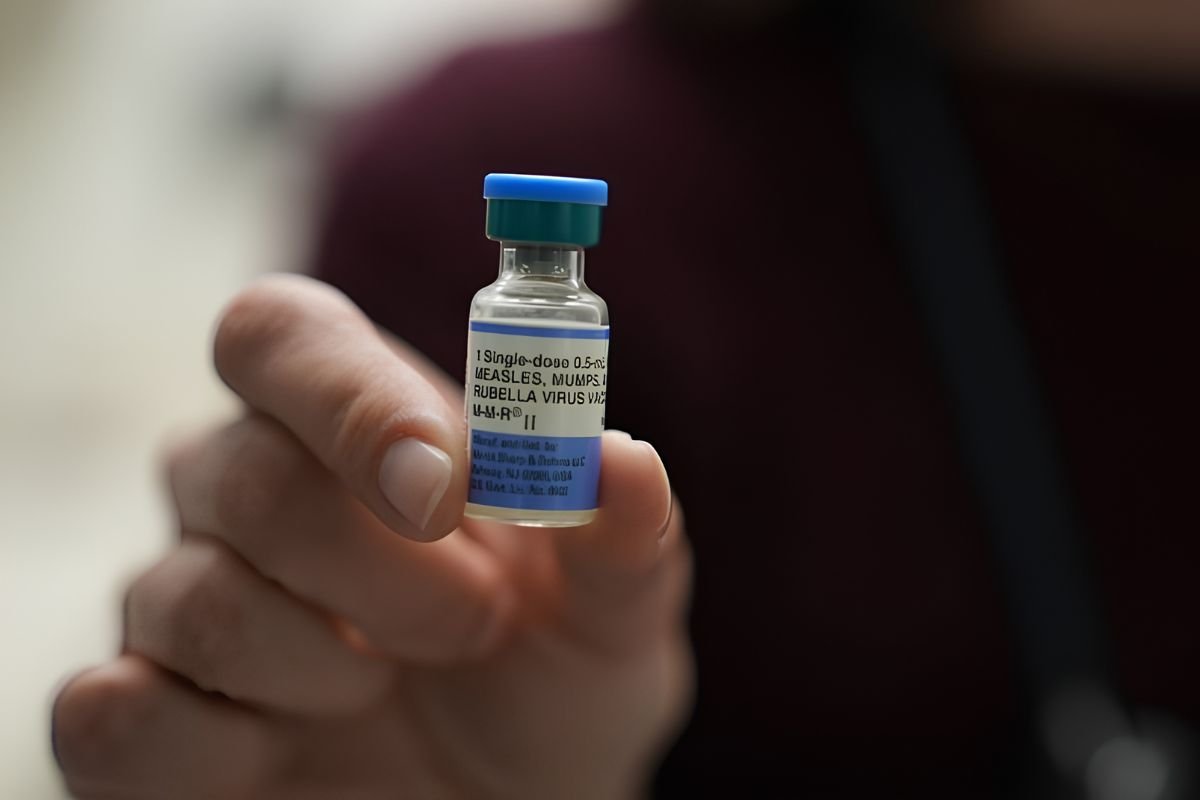
In the NIH researchers monkeypox smuggling case, federal authorities said laboratory testing was conducted on 20 of the seized vials. Results showed that 17 contained the deactivated monkeypox virus, one contained the chickenpox virus, and two contained human DNA.
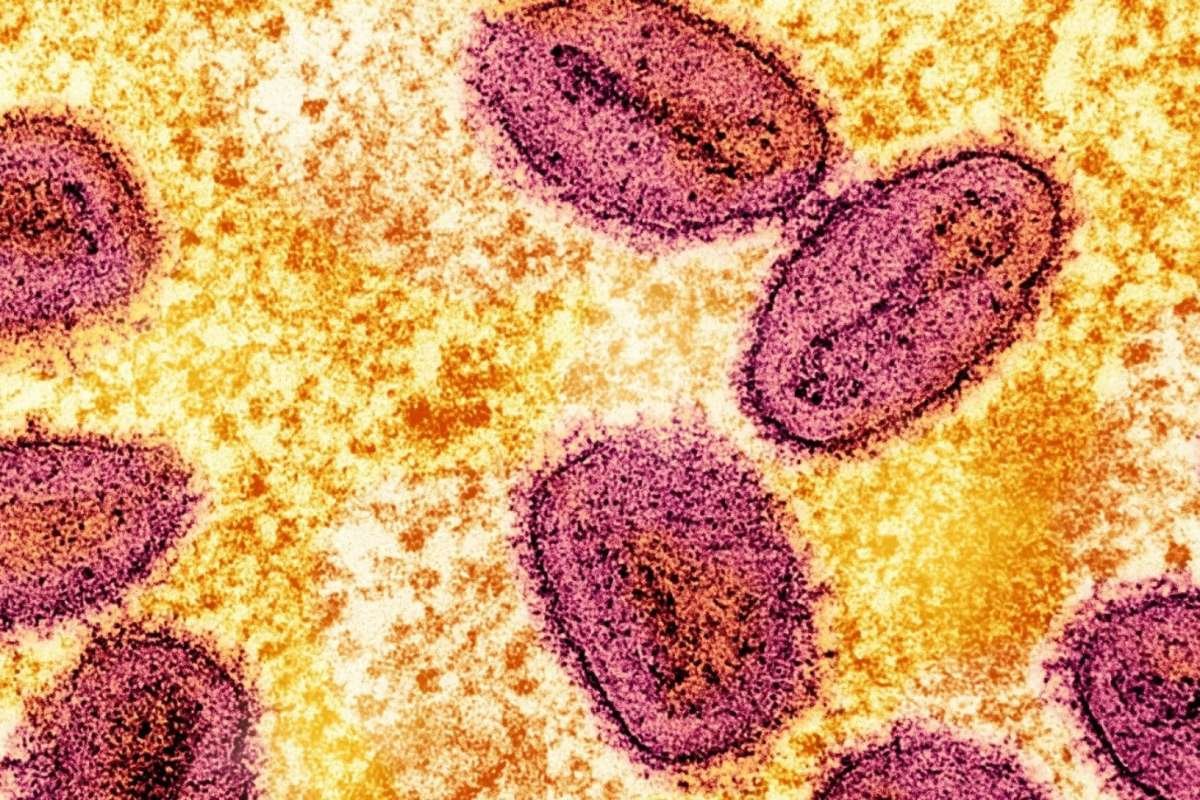
Monkeypox, also known as mpox, is a viral disease that can cause fever, rash, and swollen lymph nodes.
Investigators allege that Munster and Kwe falsely described the contents of the case during questioning at the airport.
Both researchers work in a Biosafety Level 4 laboratory that studies emerging viral pathogens and diseases capable of crossing between animals and humans.
The complaint alleges the transportation of biological materials violated federal requirements governing the importation and declaration of such items.
Officials cite public trust concerns
In the NIH researchers monkeypox smuggling case, Federal officials emphasized that the charges stem from alleged actions involving the transportation and declaration of biological materials, not from any claim that an outbreak occurred in the United States.
In a statement, federal prosecutor Jerome F. Gorgon Jr. said the allegations involve violations of laws designed to protect public safety and regulate the movement of potentially hazardous biological materials.
FBI Special Agent in Charge Cheyvoryea Gibson said the agency remains committed to investigating conduct that could threaten public health and safety.
Assistant Special Agent in Charge Adam Runyan described the allegations as involving “dangerous and unlawful smuggling” of viral material and attempts to mislead investigators.
Marcus L. Sykes, special agent in charge of the U.S. Department of Health and Human Services Office of Inspector General, said the case represents a “breach of the public’s trust” by individuals responsible for safeguarding federal research programs.
If convicted, Munster and Kwe each face a maximum penalty of five years in prison.
The FBI Detroit Field Office is leading the investigation.
A criminal complaint contains allegations only. The defendants are presumed innocent unless and until proven guilty in a court of law.