In a time when farmers face rising costs, unpredictable weather, and increasing strain on natural resources, agriculture is at a critical turning point. Growers everywhere are looking for reliable, science-based methods to protect their crops, enhance quality and build resilience on their land, all without harming the environment or losing consumer confidence. This is where a new wave of advanced plant biostimulants is quietly changing the future of farming. These products help plants better handle stress, make more efficient use of nutrients and produce higher value from the same amount of land. Central to this change is Maxstim, a science-driven company whose biostimulant technologies are already supporting farmers, horticulture businesses and top sports venues worldwide.
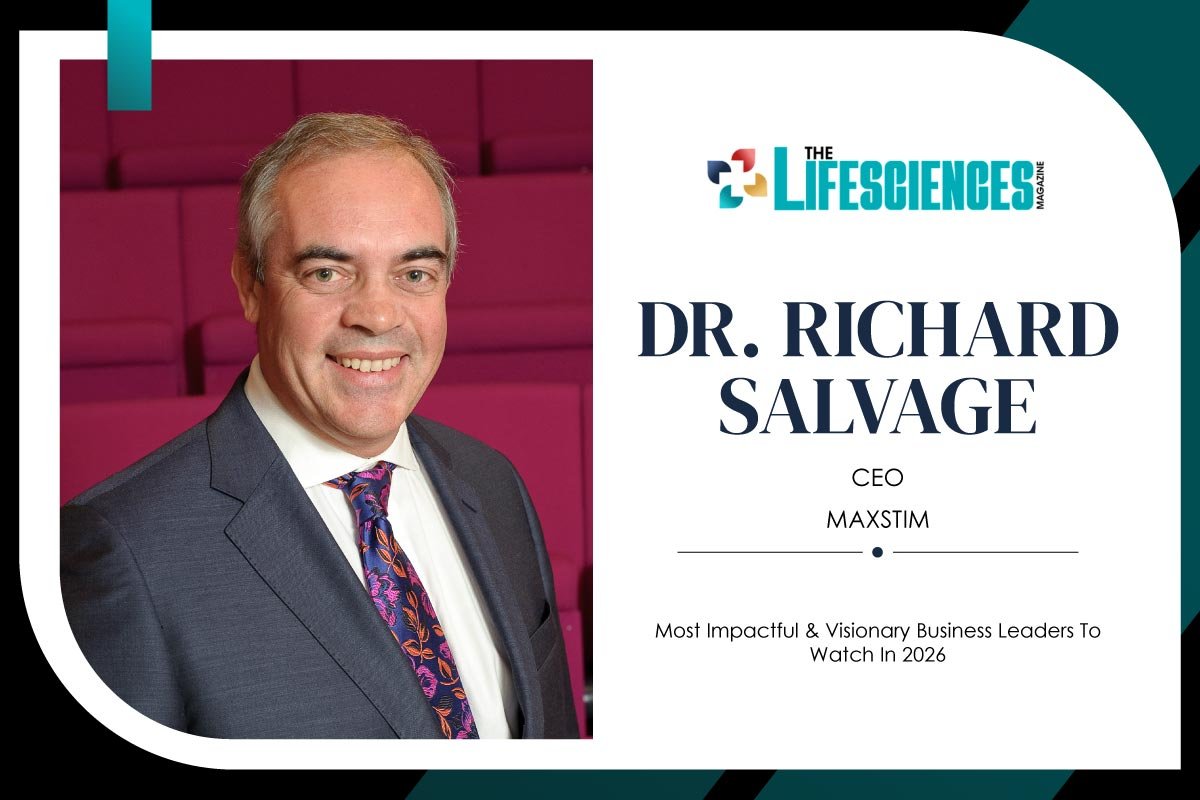
Leading this effort is Dr. Richard Salvage, CEO of Maxstim. With a background that combines deep scientific expertise and successful entrepreneurship in life sciences, Dr. Salvage has played a key role in creating Maxstim’s patented Amphenox-based products. These formulations assist crops in coping with environmental stresses and achieving better yields and quality. Under his guidance, Maxstim has grown into a global company known for turning thorough scientific research into practical solutions that help forward-thinking growers practise sustainable agriculture while maintaining commercial success.
The Journey Toward Modern and Sustainable Farming
Dr. Salvage’s professional journey has been driven by a strong interest in science, engineering, and understanding how biological systems work, along with a desire to apply this knowledge to real-world problems. Agriculture, in particular, is one of the most complex and important biological systems on Earth. It directly influences food security, environmental sustainability and economic growth.
He explains, “What inspired me to focus on this intersection was the realisation that agriculture was entering a period of profound transformation.” Recent advances in molecular biology, plant signalling, microbial interactions and bioactive compounds have greatly expanded our knowledge of how plants grow and respond to stress from their environment. At the same time, digital technologies and data-driven farming methods allow for more precise and efficient crop management.
Maxstim was established to connect these fields by combining life-science research, biotechnology and modern agricultural practices. As Dr. Salvage notes, “By doing so, we can develop innovative biostimulant technologies and growth enhancement solutions that improve plant performance in a sustainable way.”
Ultimately, the motivation behind this work is both scientific and practical: “to help growers produce more with fewer resources while safeguarding ecosystems, supporting global food resilience and creating an economic gain.”
Leading Innovation with Resilience and Focus
Every leadership journey is shaped by a mix of opportunities, challenges and important learning experiences. Before entering agriculture, Dr. Richard Salvage had already found success in the healthcare and pharmaceutical industries. He holds a PhD in biological sciences from Queen’s University, which provided him with a strong foundation in scientific research and helped him transition from pure science to the entrepreneurial and commercial side of biotechnology.
He emphasises, “Scientific innovation alone does not change industries. Implementation and scalability do.” Learning how to turn laboratory discoveries into market-ready products was a major turning point in his career.
Another significant milestone was founding Maxstim. Building a company based on solid scientific principles required bringing together a diverse team with expertise in plant biology, formulation science, agronomy and business strategy. Creating this collaborative environment was essential for the company’s early success.
Over time, several breakthroughs shaped Maxstim’s growth: successful field trials that showed clear improvements in crop performance, expanding into international markets and developing proprietary formulations that greatly enhance plant growth.
Dr. Richard Salvage also notes that leadership in science-driven companies demands resilience. “Agricultural innovation cycles can be long and results must be validated across diverse environments and crop systems.” Managing this complexity while keeping a clear strategic focus has been one of the most important parts of his role as CEO.

Building a Better Future for Farming
Maxstim was founded on a clear idea: the future of agriculture depends on combining biological science with advanced technology to increase productivity in a sustainable way. For many years, agriculture has struggled to balance feeding a growing global population while protecting the environment and maintaining healthy soils amid changing climate conditions. Traditional farming methods alone cannot solve this challenge.
The concept behind Maxstim arose from the understanding that plants have extraordinary biological abilities that are often overlooked in modern farming. Progress in plant physiology, microbial science and biostimulation technologies has created new opportunities to improve plant growth, resilience and nutrient use. Maxstim was created to turn these scientific discoveries into practical and scalable solutions for farmers and agricultural producers.
Maxstim’s vision is guided by four key principles: “scientific rigour, sustainability, measurable performance and delivering a financial gain to the grower.” It strives to develop products that not only boost crop yield and quality but also improve soil health, use resources more efficiently and support sustainable farming over the long term.
Today, Maxstim works where life sciences, biotechnology and precision agriculture meet. Its mission is to provide growers with science-based tools that help plants reach their full potential while reducing the need for traditional chemical inputs. As climate challenges grow and farming systems change, this vision becomes even more important.
Smart Products for Stronger and Healthier Crops
Maxstim’s product range focuses on biostimulant technologies that improve plant growth, increase stress tolerance and enhance nutrient use efficiency. Its flagship products are based on proprietary formulations that stimulate important physiological processes in plants, leading to better root development, stronger plant structure and greater yield potential.
A key area of innovation is the optimisation of plant metabolic pathways that affect growth and stress response. Through carefully designed bioactive compounds and growth stimulants, Maxstim activates natural plant processes that help crops resist environmental stresses such as drought, changes in temperature and nutrient shortages. Its formulations combine specific bioflavonoids, polyphenols, organic acids and other highly active compounds to create a powerful, synergistic effect.
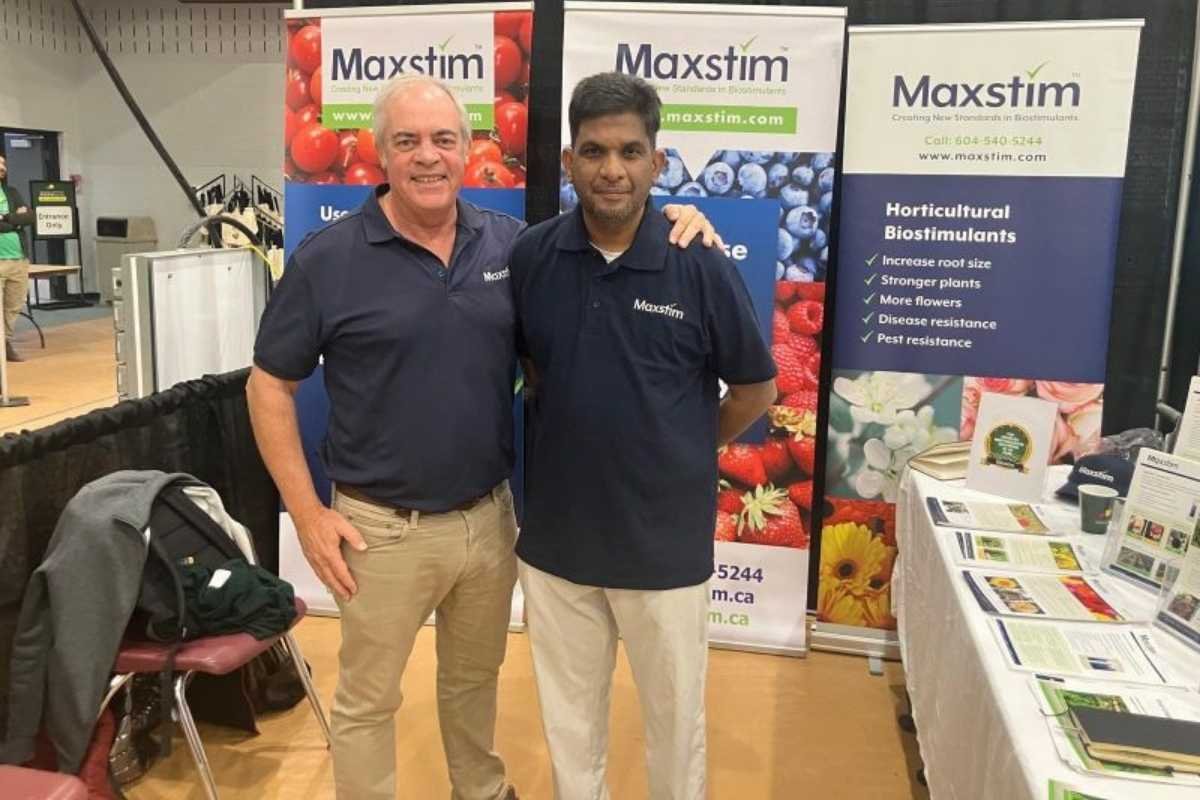
Having established a strong presence in Europe, Maxstim is now expanding into North America and other global markets. Its technologies are used in various crop types, including fruits, root vegetables, horticultural crops, turf sod and speciality agriculture. Farmers using Maxstim’s products often report better seed germination, improved root systems and more reliable crop performance under different growing conditions.
Dr. Salvage highlights, “Generating high-quality commercial field data is a key aspect of our strategy. In order to create credibility, Maxstim needs to show consistent high performance in the real world of farming.” The company holds one of the largest collections of multi-season data among biostimulant manufacturers.
To understand how its products work, Maxstim uses the latest analytical methods. By employing RNA sequencing, it has identified the metabolic processes stimulated by its formulations. Maxstim knows its products positively affect chlorophyll production, root structure, stress management and overall plant growth. This important data places Maxstim in a strong position to guide future product and formulation development.
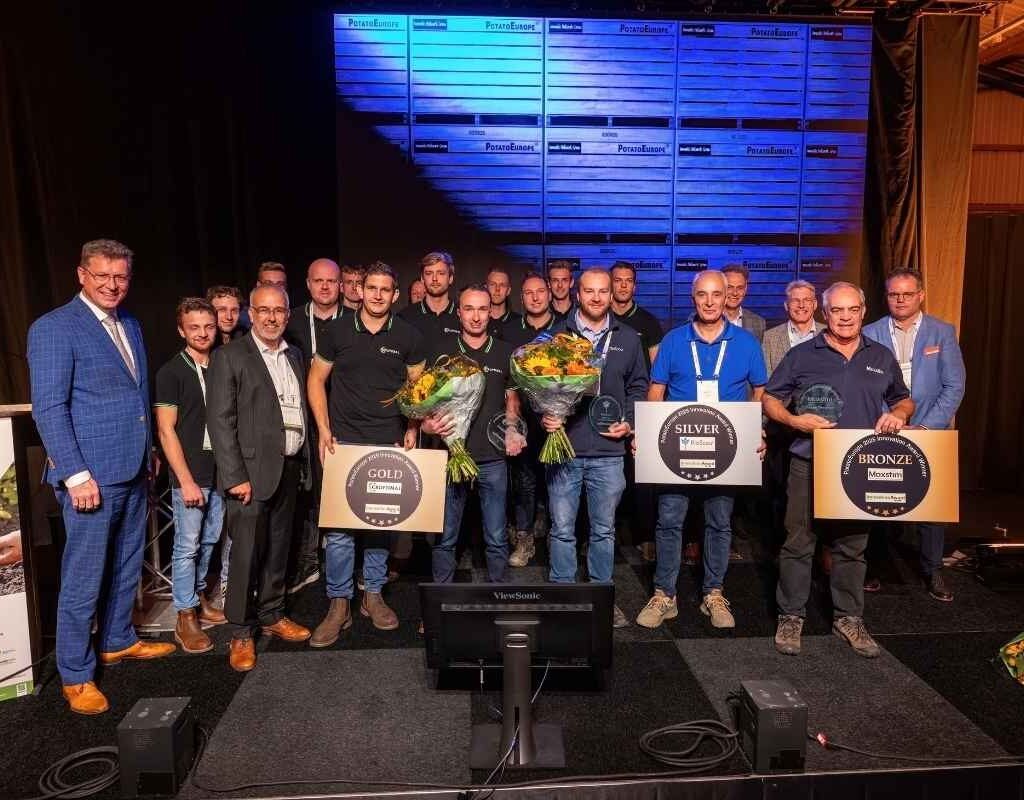
Research Driving Sustainable Farming Solutions
At Maxstim, research is not just a part of the company; it is the driving force behind everything it does. The company’s research and development efforts focus on understanding the biological processes that affect plant growth and turning this knowledge into practical solutions for agriculture.
Dr. Richard Salvage explains, “One of the most important contributions of biostimulant technologies is their ability to improve nutrient use efficiency.” By boosting the plant’s natural capacity to absorb and use nutrients, farmers can often reduce the amount of fertiliser they apply while maintaining or even increasing crop yields.
Another key benefit for sustainability is enhanced plant resilience. With increasing climate variability putting pressure on farming systems, crops need to better withstand environmental stresses. Maxstim’s research aims to activate the plants’ natural defence and adaptation mechanisms, helping them manage difficult growing conditions more effectively.
By improving plant performance through natural biological processes instead of relying only on chemical inputs, Maxstim supports more sustainable and environmentally responsible farming practises.
Partnering for Smarter Farming Solutions
Strategic collaboration is key to speeding up innovation and increasing market presence. At Maxstim, the company actively works with research institutions, agronomy experts, and distribution partners to enhance both its technological and commercial strengths.
Dr. Salvage notes, “Academic partnerships allow us to remain at the forefront of plant science research, while industry collaborations enable us to scale technologies more effectively across global markets.” These partnerships also provide access to new crop types, regional knowledge and valuable field-testing opportunities. Maxstim collaborates closely with academic institutions such as Queen’s University, Belfast and the Institute for Global Food Security.
Looking ahead, Maxstim is exploring strategic alliances that combine biotechnology with emerging agricultural technologies, including organic integrated pest management, digital agronomy platforms and advanced biological inputs.
While specific projects are confidential at this time, the company’s goal is clear: “to build collaborative ecosystems that accelerate the development and adoption of next-generation agricultural solutions.”
A Culture That Drives Innovation and Growth
In innovative fields like agricultural biotechnology, company culture plays a crucial role in achieving long-term success. At Maxstim, there is a strong focus on creating a culture of curiosity, experimentation and continuous improvement.
Dr. Salvage explains, “Our teams are encouraged to challenge assumptions, test new ideas and pursue interdisciplinary research approaches.” Since scientific breakthroughs often come from unexpected insights, maintaining an open and collaborative environment is essential.
Maxstim also invests significantly in field validation and real-world testing. Laboratory discoveries must prove their value under actual farming conditions. By combining thorough research with extensive field trials, the company ensures its innovations consistently provide benefits to growers.
Talent development is equally important. Maxstim seeks to attract scientists, agronomists and professionals who are passionate about advancing sustainable agriculture and motivated to push the boundaries of plant science.
Leading with Evidence, Collaboration and Purpose
Leading a science-focused organisation requires balancing curiosity with disciplined action. At Maxstim, Dr. Richard Salvage highlights three key leadership principles: “evidence-based decision making, collaborative innovation and long-term vision.”
He explains that evidence-based thinking is essential in biotechnology. “Every claim, product and innovation must be supported by robust data and rigorous testing.” This scientific approach builds credibility and trust among farmers, partners and regulators.
Collaboration is equally important. Innovation in life sciences rarely happens alone; it depends on teamwork between researchers, agronomists, formulation scientists and commercial experts. Creating an environment where these groups work well together is critical to success.
Finally, Dr. Salvage stresses the importance of long-term thinking. “Agriculture operates on multi-year cycles and meaningful innovation takes time.” Sustainable growth requires patience, persistence and a commitment to continuous improvement.
Together, these principles guide Maxstim’s leadership and decision-making ensuring the company remains focused on delivering reliable, science-driven solutions for agriculture.
The Future of Farming and Agricultural Technology
The field of agricultural biotechnology is changing quickly, with several important scientific trends set to reshape the industry in the coming decade. Much of this change is driven by the increasing unpredictability of weather patterns.
Dr. Richard Salvage highlights one major trend: “The growing integration of biological inputs such as biostimulants, microbial solutions and plant-signalling compounds into mainstream agriculture.” These technologies offer sustainable alternatives to traditional farming methods while enhancing crop performance.
Another key development is the merging of biology with data science. Advances in artificial intelligence, remote sensing and precision agriculture allow farmers to monitor plant health and manage crops with greater accuracy than ever before.
Research into plant microbiome interactions is also opening new opportunities to boost crop productivity through beneficial microbial communities. Understanding how plants interact with their biological environment is expected to be a major focus in agricultural innovation and will help improve soil health.
Finally, climate resilience remains a top priority. Technologies that enable crops to withstand drought, heat stress and changing environmental conditions will be essential to ensuring global food security.

Guidance for Aspiring Innovators in Life Sciences
For aspiring leaders and entrepreneurs entering the life sciences and agricultural biotechnology fields, Dr. Salvage advises staying closely connected to both scientific knowledge and the real needs of farmers.
He explains, “Innovation in this field requires more than scientific knowledge. It requires understanding the challenges that farmers face every day. Solutions must be practical, scalable and economically viable.”
Dr. Richard Salvage also encourages new entrepreneurs to adopt interdisciplinary thinking. “The most impactful innovations often arise at the intersection of multiple fields, such as biology, chemistry, data science and engineering.”
Persistence is another vital quality. Scientific innovation can be complex and slow, with progress happening gradually. Maintaining focus and resilience during this process is essential.
Most importantly, he urges emerging leaders to work with a strong sense of purpose. “Agriculture is one of the most meaningful sectors in which to innovate because it directly contributes to feeding the world and protecting our planet’s natural resources.”