Modern agriculture is at a crossroads. With rising global food demand, climate change challenges, and the need for sustainable farming practices, farmers and agribusinesses are actively seeking innovative solutions. One such game-changing innovation is plant biostimulants—a rapidly growing segment in agricultural inputs that is redefining crop management.
What Are Plant Biostimulants?
Plant biostimulants are natural or synthetic substances and microorganisms applied to plants or soil to enhance nutrient uptake, improve stress tolerance, and boost overall plant growth. Unlike traditional fertilizers, they do not directly supply nutrients. Instead, they stimulate the plant’s natural processes to optimize performance.
These include:
- Seaweed extracts
- Humic and fulvic acids
- Protein hydrolysates
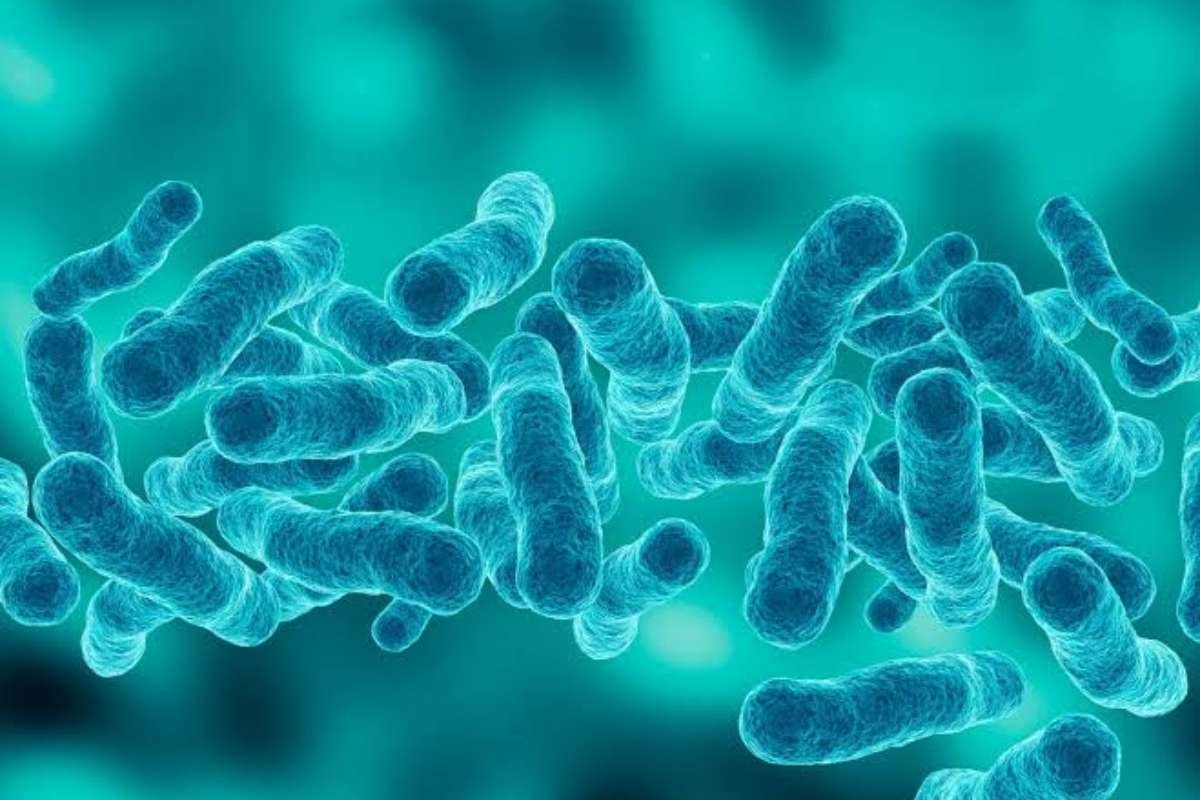
- Beneficial fungi and bacteria
- Silicon-based compounds
Why Biostimulants Matter in Modern Agriculture
With increasing pressure on agricultural systems, biostimulants offer a sustainable and efficient way to improve productivity without harming the environment. Here’s why they are gaining traction:
1. Improved Nutrient Efficiency
Biostimulants enhance the plant’s ability to absorb and utilize nutrients more effectively. This reduces dependency on chemical fertilizers, lowering costs and environmental impact.
2. Enhanced Stress Tolerance
Crops today face multiple stress factors such as drought, salinity, and temperature fluctuations. Biostimulants help plants build resilience, ensuring stable yields even under adverse conditions.
3. Better Soil Health
Many biostimulants promote microbial activity in the soil, improving soil structure and fertility over time. Healthy soil leads to healthier crops and long-term sustainability.
4. Increased Crop Quality and Yield
Farmers using biostimulants often report improved crop quality, better shelf life, and higher yields—critical factors in both domestic and export markets.
Types of Plant Biostimulants
Understanding the different types helps in selecting the right product for specific agricultural needs:
1. Seaweed Extracts
Derived from marine algae, these are rich in growth hormones and trace elements. They are widely used to enhance root development and improve crop vigor.
2. Humic Substances
These organic compounds improve soil structure and increase nutrient availability, making them essential for long-term soil health.
3. Microbial Biostimulants
Beneficial microorganisms like mycorrhizal fungi and rhizobacteria enhance nutrient uptake and protect plants from pathogens.
4. Protein Hydrolysates
These amino acid-based products support plant metabolism and help crops recover quickly from stress.
Role in Sustainable Agriculture
Sustainability is no longer optional—it is a necessity. Plant biostimulants align perfectly with sustainable farming goals by:
- Reducing chemical input usage
- Enhancing resource efficiency
- Supporting regenerative agriculture practices
- Lowering environmental footprint
Governments and regulatory bodies across the globe are also encouraging the adoption of eco-friendly agricultural inputs, further accelerating the growth of the biostimulant market.
Market Trends and Growth Opportunities
The global plant biostimulants market is witnessing significant growth, driven by increasing awareness among farmers and advancements in agricultural biotechnology. Emerging economies, particularly in Asia and Latin America, are adopting these solutions at a rapid pace.
Key trends include:
- Integration with precision agriculture technologies
- Development of crop-specific formulations
- Increased investment in R&D
- Growing demand for organic farming inputs
Challenges in Adoption
Despite their benefits, biostimulants face certain challenges:
- Lack of standardized regulations in some regions
- Limited awareness among small-scale farmers
- Variability in product performance due to environmental factors
Addressing these challenges through education, research, and policy support will be crucial for widespread adoption.
The Future of Biostimulants
The future of plant biostimulants looks promising. As agriculture moves towards sustainability and efficiency, these products will play a vital role in bridging the gap between productivity and environmental responsibility.
Innovations such as bio-based formulations, AI-driven crop management, and integration with digital farming platforms will further enhance their impact.
Conclusion
Plant biostimulants are not just an alternative—they are becoming a necessity in modern agriculture. By improving crop performance, enhancing soil health, and promoting sustainable practices, they offer a holistic solution to some of the most pressing challenges in farming today.
For farmers, agribusinesses, and policymakers alike, embracing biostimulants is a step toward a more resilient and sustainable agricultural future.