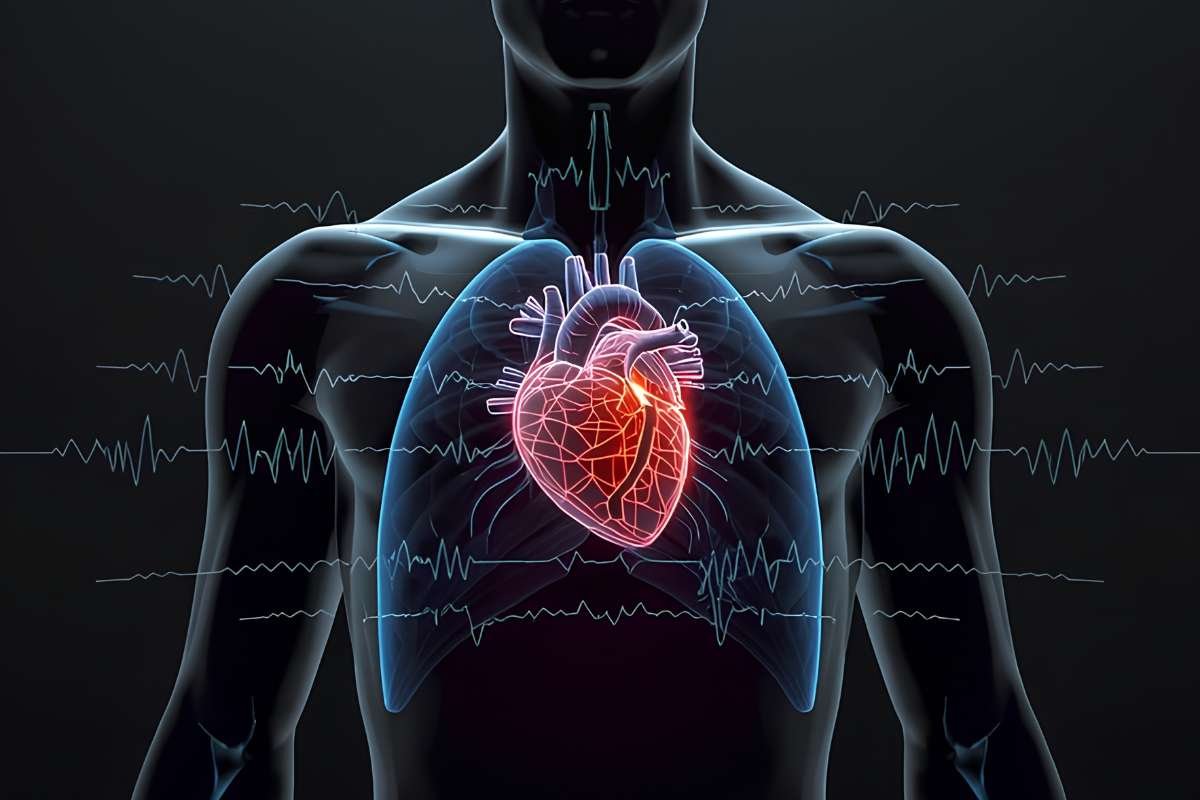
Heart rate variability measures how well your body handles stress, recovery, and emotions. This blog explains what HRV means, what affects it, how to interpret your numbers, and science-backed ways to improve it naturally for better overall wellness.
Ever wonder why two people doing the same workout can recover so differently? Heart Rate Variability (HRV) is the small change in time between each heartbeat. It is one of the best ways to measure how well your body copes with stress, emotions, and recovery. Higher HRV is generally associated with better autonomic balance and resilience. While chronically low HRV may indicate strain, poor sleep, or insufficient recovery.
This guide explains what HRV is, why it’s more than just a fitness metric. And how to interpret it without freaking out over a single reading. You will also learn evidence-based strategies to enhance HRV through sleep, breathing, training load, and stress management.
What Is Heart Rate Variability and Why Does It Matter?
Heart rate variability (HRV) is the small change in time between one heartbeat and the next. That’s important because HRV can tell you how well your body is coping with stress, recovery, and the demands of everyday life. It is not simply how fast your heart is beating. This balance is controlled by the autonomic nervous system, with the sympathetic branch driving you into action and the parasympathetic branch helping you recover and relax.
In healthy adults, resting HRV commonly ranges from about 20 to over 100 milliseconds (measured using the RMSSD metric), although values vary considerably with age, fitness level, and overall health. Simply put, higher HRV is generally associated with greater adaptability and resilience, while persistently lower HRV is linked to increased physiological stress and poorer recovery. Because HRV fluctuates from day to day, experts recommend tracking weekly or monthly trends rather than relying on a single measurement.
| Topic | Simple meaning |
| HRV vs heart rate | Heart rate = beats per minute; HRV = variation between beats. |
| Why it matters | It reflects stress response, recovery, and resilience. |
| Best use | Track trends over time, not single readings. |
What Your HRV Says About Stress, Emotional Wellness, and Recovery:

A higher or steadier HRV often suggests your body is recovering well, while a lower HRV can show stress, poor sleep, anxiety, or heavy training load. In simple terms, HRV reflects how smoothly your nervous system shifts between “fight or flight” and “rest and digest.” This is why it matters for emotional resilience, emotional regulation, and stress recovery. The vagus nerve helps drive this calming side of the system, and changes in Heart Rate Variability can also reflect burnout risk and recovery after exercise. For readers of emotional wellness and mental health, HRV is best seen as a helpful trend, not a diagnosis.
| What HRV may suggest | Simple meaning |
| Higher/stable HRV | Better resilience and recovery |
| Lower HRV | More stress, fatigue, or poor sleep |
| After exercise | Recovery may still be ongoing. |
Read Next: The Neuroscience of Emotional Wellness: What Your Brain Knows That You Don’t
What’s Normal HRV? Understanding Your Number
There is no universal “normal” or optimal HRV number. The values vary by age, sex, fitness, and device. “Rather than trying to achieve a ‘high’ HRV number, it’s more useful to identify your own baseline and track your progress over time,” notes Dr. Naderi, as a more resilient heart better handles stress and lowers cardiovascular risk.
Instead of comparing yourself to others, focus on your own trend. For the most consistent tracking, take your reading every morning at the same time, in the same position, and before exercise or caffeine.
| Factor | Why it matters |
| Age | HRV often changes with age, so younger and older adults may naturally have different ranges. |
| Sex | Average values can differ between men and women. |
| Fitness | Better aerobic fitness is often linked with higher HRV. |
| Wearables | Different devices use different methods, so scores are not always directly comparable. |
| Baseline | Your personal average is more useful than a single reading. |
| Trends | A steady rise or fall matters more than one bad day. |
| Morning measurements | Morning values are usually more repeatable. |
In practice, build a 1- to 4-week baseline, then watch for gradual changes. That is usually more helpful than chasing a “perfect” number.
Factors That Affect Heart Rate Variability:
Sleep, exercise, stress, alcohol, caffeine, hydration, illness, medications, hormones, and shift work all impact HRV by affecting your nervous system and recovery. While hard workouts, stress, or a night of drinking temporarily drop your score, consistent sleep and exercise raise your baseline over time. Ultimately, HRV is best used to track your overall recovery trend rather than focus on a single daily score.
- Sleep: Short or poor-quality sleep deprives the body of full recovery, dropping your HRV the following day.
- Exercise: Heavy workouts cause temporary fatigue that lowers HRV, though regular training boosts your baseline over time.
- Illness: Infections and inflammation trigger an immune response that stresses the body and lowers HRV.
- Alcohol: Drinking disrupts your restorative sleep cycles and autonomic balance, significantly depressing HRV.
- Hydration: Dehydration strain forces the heart to work harder, pushing HRV downward.
- Medications: Certain drugs alter heart rate and nervous system activity, directly shifting your HRV readings.
- Chronic stress: Persistent stress keeps your fight-or-flight system active, suppressing long-term HRV levels.
- Hormones: Natural fluctuations in hormone levels shift nervous system balance and cause HRV to vary.
- Menopause: Estrogen declines disrupt sleep and body temperature regulation, leading to lower or irregular HRV patterns.
- Caffeine: As a stimulant, caffeine heightens nervous system arousal, which can temporarily reduce HRV.
- Shift work: Irregular work hours disrupt your circadian rhythm, impairing recovery and lowering HRV.
Read Next: Are Your Emotional Reactions Normal? Understanding Emotional Dysregulation in Adults
How to Improve Heart Rate Variability Naturally?

The most powerful ways to improve HRV are getting sleep, aerobic exercise, not drinking too much alcohol, breathing exercises, and stress management. Next are consistency, recovery, mindfulness, hydration, and nutrition. These are most helpful when they support the bigger habits above. Sleep and regular wake times can help reset your nervous system. Moderate aerobic exercise can improve baseline HRV over time. You can find some relief sooner by using slow breathing and mindfulness to calm your body in the moment. Better recovery (avoiding alcohol, staying hydrated, and eating well) is especially important for hard training. In short, heart rate variability benefits most from regular stress and regular recovery in your body.
Most people notice small changes in days to 2 weeks from better sleep, less alcohol, hydration, and breathing practice, while exercise and consistency usually take 4 to 12 weeks to show clearer trends. The key is to track your own baseline, not chase a single high number.
Conclusion
Heart rate variability is a simple way to get to know how your body is responding to stress, recovery, and daily demands. The bottom line here is that you don’t chase one perfect number. Watch your patterns, protect your sleep, control your stress, and support your recovery consistently. When you do, HRV can be a useful guide to better training, better balance, and better overall wellness. If you want to know your body better, start tracking your own trend this week and see how it changes you.
FAQ:
1. What is a good HRV by age?
A good heart rate variability (HRV) naturally declines as you get older, with typical resting or sleeping RMSSD values dropping from a broad average of 55–105 ms in young adults down to 20–45 ms in older adults.
2. Is an HRV of 20 good?
An HRV score of 20 ms may be low for a young adult, but absolute numbers matter less than your personal baseline, age, and unique physiology.
3. What is a normal heart rate variability for a 70-year-old woman?
For a 70-year-old, a normal or average HRV typically ranges between 20 and 60 milliseconds (ms).
4. Why is my HRV only 30?
Your heart rate variability (HRV) is likely in the 30s because of personal genetics, normal daily stress, or your unique baseline rather than a sign of poor health.
5. Why don’t doctors look at HRV?
Doctors do not routinely use HRV because it lacks a universal baseline, is easily disrupted by normal daily factors, and does not pinpoint a specific diagnosis or change medical treatment plans.
Links and Sources:
- https://mcpress.mayoclinic.org/healthy-heart/can-tracking-heart-rate-variability-improve-your-health
- https://my.clevelandclinic.org/health/symptoms/21773-heart-rate-variability-hrv
- https://pmc.ncbi.nlm.nih.gov/articles/PMC5447093
- https://lifestylemedicine.stanford.edu/hrv-heart-health/