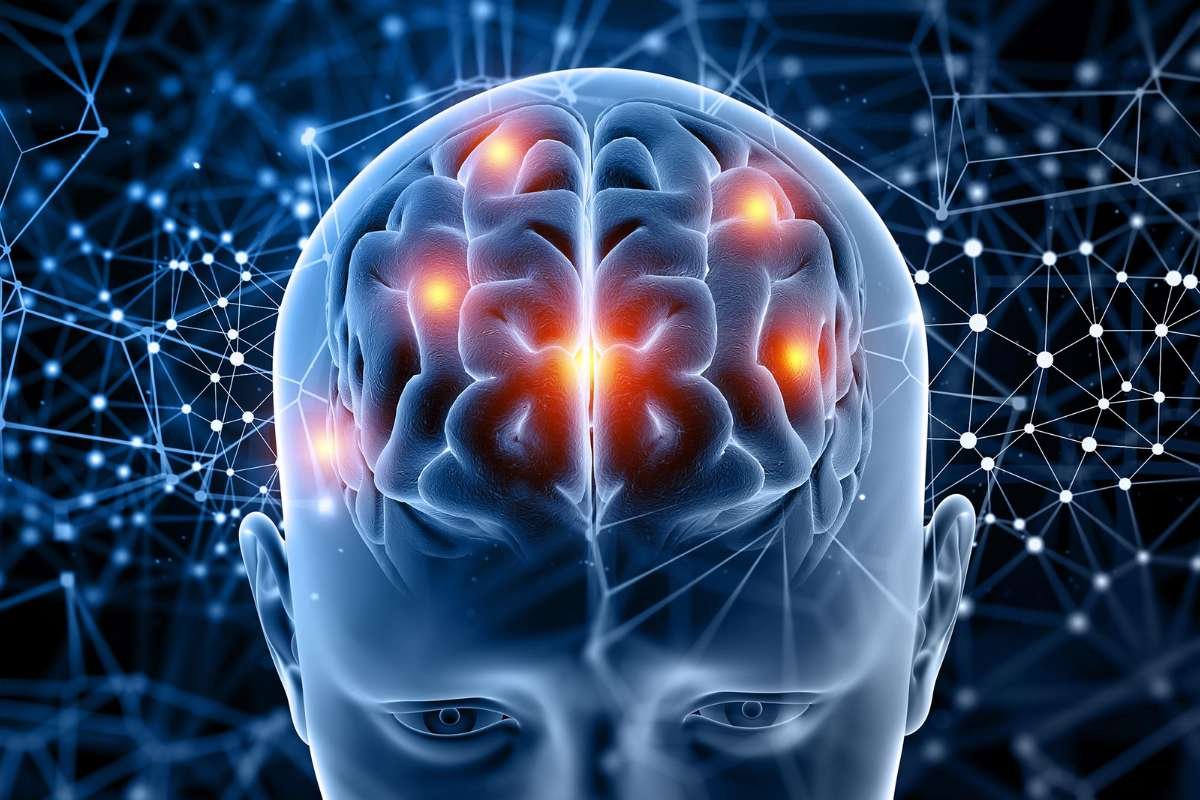
The neuroscience of emotional wellness explains how your brain processes emotions, stress, and resilience. Learn how brain networks, neuroplasticity, hormones, and everyday habits shape emotional balance, with practical, science-backed insights to help you better understand and support your emotional well-being.
But really, what’s going on inside your head? The neuroscience of emotional wellness shows that long-term stress. It can lead to a smaller hippocampus and memory impairment. While short-term practices such as 10-20 minutes of mindfulness a day. This has been linked to measurable increases in the thickness of the prefrontal cortex and 10-20% improvements in emotion regulation in months.
Read on to find out simple, science-based explanations of the brain circuits that drive mood, how stress and resilience change brain structure, and simple, science-based steps to improve emotional balance.
Expect clear, simple-to-understand insights about amygdala reactivity, dopamine reward loops, and neuroplastic interventions. It is shown in randomized trials, so you can apply what is really going on in your brain.
What is the neuroscience of emotional wellness?
The neuroscience of emotional wellness is the study of how the brain manages feelings, stress, and recovery, and how those processes support a steady, healthy emotional state. In simple terms, neuroscience explains how brain circuits, chemicals, and the nervous system shape what you feel and how you respond. Emotional wellness means being able to handle life’s stresses, adapt to change, and maintain a sense of purpose and connection.
| Emotions | Emotional wellness |
| Short-term reactions like anger, fear, or joy. | A broader ability to manage emotions well and cope with stress. |
| Can change quickly. | Helps you stay balanced over time. |
| They are part of the daily experience. | Supports overall mental and physical health. |
This field matters because emotional wellness is linked to better health, stronger relationships, and lower risk of disease and injury. It also helps explain why the same stress can affect people differently, which is why it connects closely to emotional wellness and mental health.
What’s actually happening in your brain during emotions?
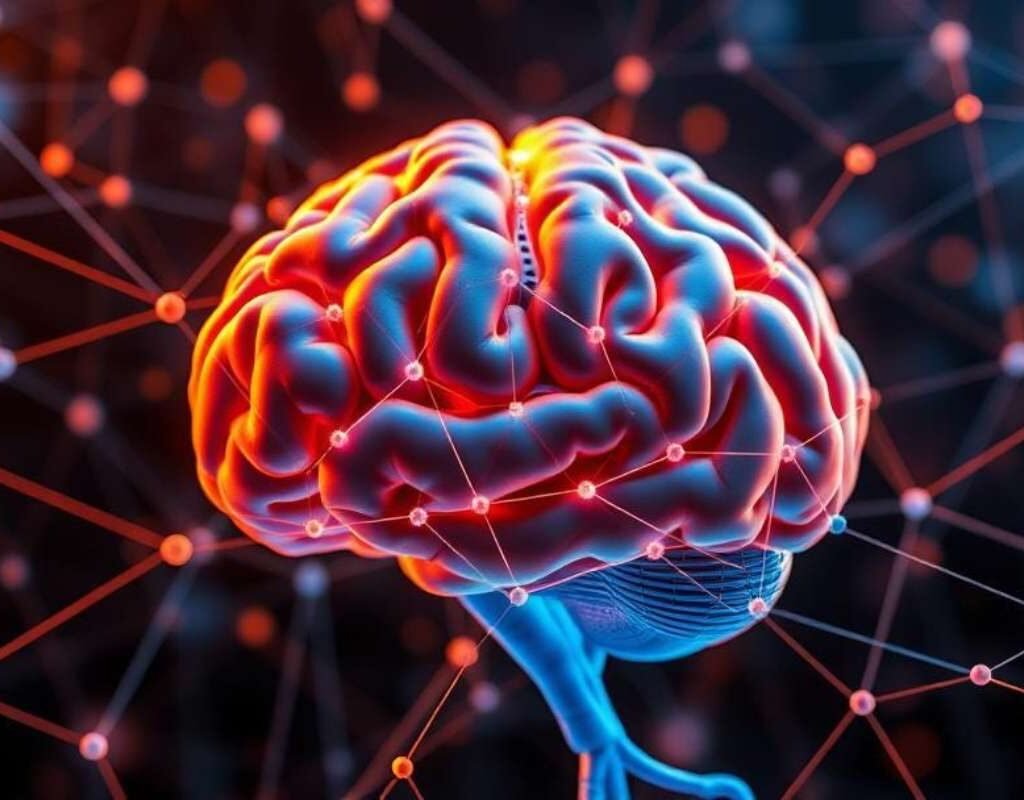
Here’s the simple picture of what’s happening in your brain during emotions: your brain takes in a signal from the world, interprets it, and then your body responds. In the neuroscience of emotional wellness, this is a fast loop between sensing, feeling, and regulating.
Event
↓
Brain detects
↓
Emotion generated
↓
Body reacts
↓
Brain regulates
Your senses first process what is happening, then the amygdala helps flag emotional importance, especially danger. The hippocampus adds context and memory, the prefrontal cortex helps calm and guide reactions, the anterior cingulate cortex supports attention and control, and the insula helps you sense internal body states like a racing heart.
What happens during:
- Fear: the amygdala signals threat, and the body prepares for action.
- Happiness: reward and safety signals become more active, supporting approach and connection.
- Sadness: the brain shifts toward low-energy, reflective processing and may slow action.
- Stress: threat detection rises, and regulation becomes harder if stress is prolonged.
- Emotional recovery: the prefrontal cortex and related networks help the brain return to balance.
This matters because understanding the brain helps explain why emotions feel so strong and why small habits can support emotional wellness and mental health over time.
What brain networks control emotional balance?
The neuroscience of emotional wellness is not just about isolated brain regions; it is about networks that work together to detect what matters, regulate reactions, and return you to balance.
- Default Mode Network (DMN): active during rest and self-reflection. It helps with inner thoughts, memories, and meaning-making.
- Salience Network: spots what is important or emotionally urgent, then helps shift attention toward it.
- Executive Control Network: supports focus, planning, and regulation, especially when emotions need to be managed.
These networks communicate like a relay system. The salience network helps decide, “This needs attention,” and then the executive control network steps in to regulate the response, while the DMN supports reflection after the event. Together, they shape how quickly you react, how well you recover, and how long emotions linger.
A useful clue here is heart rate variability. Higher HRV is often linked with better emotional regulation and emotional well-being because it reflects stronger coordination between the brain and the autonomic nervous system. In simple terms, the brain sends guidance, the autonomic nervous system adjusts the body, and the body’s signals feed back to the brain.
This is why the neuroscience of emotional wellness deserves deeper exploration: it shows how brain networks and body systems shape everyday emotional balance.
How does stress change the brain?
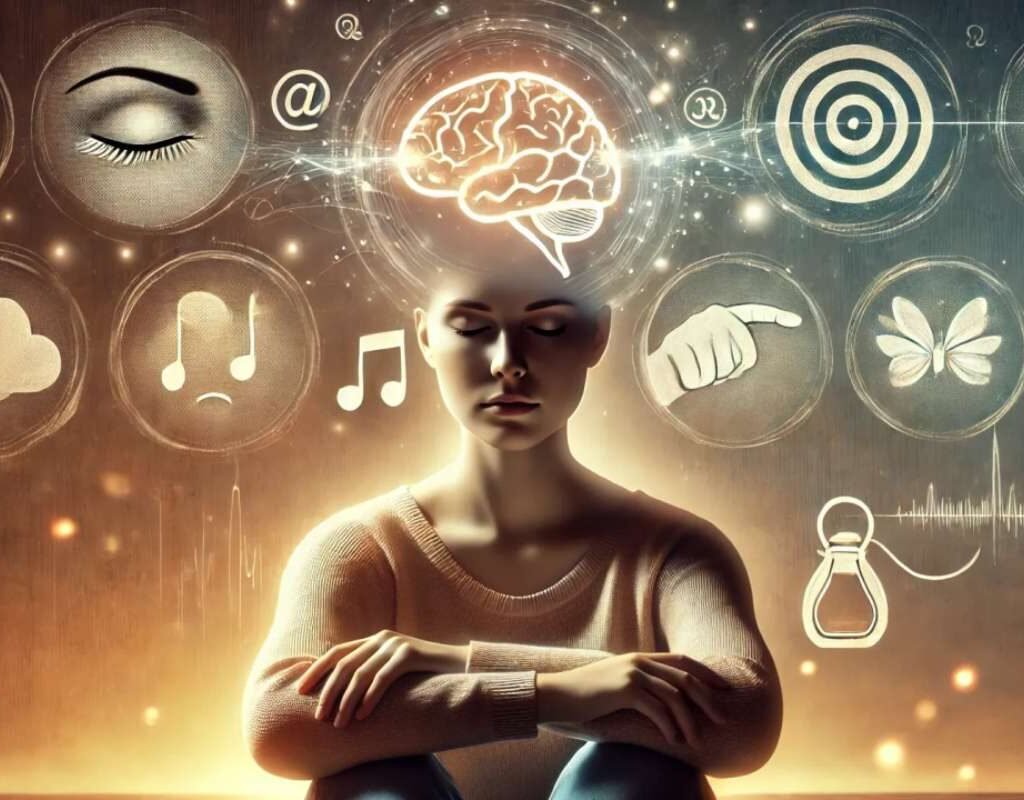
Emotional dysregulation in adults occurs when an overactive amygdala (the brain’s alarm system) triggers intense emotions that a weakened prefrontal cortex (the control system) struggles to calm and manage.
Common triggers include chronic stress, trauma, sleep deprivation, burnout, and anxiety. These can keep stress circuits switched on for too long, which makes the brain more reactive and less flexible.
What this means in simple terms:
- The amygdala reacts quickly to threat or pressure.
- The prefrontal cortex is less able to slow things down.
- The result is more irritability, worry, shutdown, or emotional overload.
This is not a character flaw. It is a brain-body response that can build over time. Understanding it matters because it points to why rest, recovery, therapy, and stress reduction can help the brain regain balance.
Emotional dysregulation in adults deserves attention because it affects relationships, work, and health, and it sits at the center of emotional wellness and mental health.
Can your brain become more emotionally healthy?
Yes, neuroplasticity means the brain can change based on experience, so better habits can support better mental health over time. In the neuroscience of emotional well-being, learning, mindfulness, meditation, gratitude, sleep, exercise, and healthy relationships can help create new neural pathways that make regulation easier, not instant.
Learning strengthens useful circuits by repeated practice. Mindfulness and meditation train attention and calm reactivity. While gratitude can shift focus toward positive cues. Sleep helps the brain consolidate learning and restore regulatory systems, and exercise supports brain health and stress recovery. Supportive relationships also matter because the brain is built to respond to social safety and connection.
The key point is simple: repeated healthy experiences can slowly reshape how the brain responds to stress and emotion. That does not mean emotions disappear. It means the brain may become more flexible, so strong feelings are easier to notice, process, and recover from.
Factors that influence emotional wellness across life:
Hormones, aging, and lifestyle all shape emotional wellness by changing how the brain and body handle stress, reward, and connection. In the neuroscience of emotional wellness, cortisol rises during stress, dopamine supports motivation and reward, serotonin helps regulate mood, oxytocin supports bonding and calm, and estrogen can influence mood sensitivity and emotional stability.
Emotional wellness in menopause is important because changing estrogen levels can affect sleep, mood, and stress response, which may make emotions feel more intense or less predictable.
Lifestyle matters too:
- Sleep helps the brain reset stress signals.
- Nutrition supports neurotransmitter production and energy.
- Exercise can lift mood and reduce stress.
- Social connection strengthens resilience and feelings of safety.
The main idea is simple: hormones do not control emotions alone, but they strongly influence how easily the brain stays balanced. That is why daily habits and supportive relationships can make a real difference over time.
Practical ways to support a healthier emotional brain:

Daily habits can strengthen an emotional brain by calming stress circuits and supporting better regulation over time. In the neuroscience of emotional wellness, small repeated actions matter because the brain learns from what you do often.
- Movement improves blood flow and supports brain chemicals linked to mood and stress control.
- Sleep helps the brain reset, store learning, and reduce emotional reactivity.
- Breathing slows the stress response and signals safety to the nervous system.
- Mindfulness trains attention and reduces automatic emotional reactions.
- Learning builds new neural connections through repetition and practice.
- Social relationships increase feelings of safety, belonging, and emotional regulation.
- Time outdoors can lower stress and support a steadier mood.
- Nutrition gives the brain the fuel it needs to make neurotransmitters and maintain energy.
These habits work because the brain and body are constantly talking to each other. Over time, that communication can become calmer, more flexible, and more resilient.
Conclusion:
Your brain is very resilient. The neuroscience of emotional wellness reveals that your neural pathways are not fixed. They adapt dynamically to the habits you engage in daily. With simple shifts in mindful breathing, intentional rest, and daily movement, you can help your prefrontal cortex and gradually calm an overactive alarm system, building lasting psychological strength. You have the power to change your emotional health, one small repetition at a time.
What brain-healthy habit will you commit to today?
FAQ:
1. What are the components of emotional wellness?
Emotional well-being is the ability to successfully manage, understand, and navigate your thoughts and feelings.
2. What is the neuroscience of emotion?
The neuroscience of emotions studies how brain structures, like the amygdala for rapid threat detection, the prefrontal cortex for regulation, and the limbic system. Also, generate feelings, motivations, and bodily responses.
3. How to release emotional pain from the body?
Release stored emotional pain by connecting with your physical sensations rather than avoiding them.
4. What are the 5 C’s of emotional intelligence?
The 5 core components of Emotional Intelligence (EQ), as popularized by psychologist Daniel Goleman, are Self-Awareness, Self-Regulation, Motivation, Empathy, and Social Skills.
5. Where is emotional trauma stored in the body?
Emotional trauma is not stored as a distinct physical object, but rather lives in the body as chronic dysregulation within the Autonomic Nervous System and sustained bracing patterns in the muscles and fascia.
Links and sources:
- https://www.nih.gov/health-information/your-healthiest-self-wellness-toolkits/emotional-wellnes
- https://www.cdc.gov/emotional-well-being/about/index.html
- https://pubmed.ncbi.nlm.nih.gov/23603916
- https://pmc.ncbi.nlm.nih.gov/articles/PMC3181986
- https://www.nature.com/articles/s41598-025-98673-x
- https://link.springer.com/article/10.1007/s11065-019-09398-4
- https://www.sciencedirect.com/science/article/abs/pii/S0377123725002965