
Artificial intelligence is becoming an important part of surgical care, encouraging healthcare organizations to rethink its role in clinical practice. The American College of Surgeons reports that AI is supporting medical documentation, diagnosis, robotic procedures, and surgical decision-making. A 2025 American Medical Association survey found a sharp increase in physician use of AI, reflecting its growing presence across hospitals and surgical centers.
Key Opportunities
AI has the potential to improve surgical care across every stage of treatment. It can support preoperative planning, assist surgeons during procedures through advanced imaging and real-time guidance, and help monitor patients after surgery. AI-based simulation platforms are also improving surgical education by allowing trainees to practice realistic cases, compare their performance with national benchmarks, and refine technical skills before entering the operating room. Recent milestones, including autonomous surgical procedures and successful robotic telesurgery between different countries, demonstrate the growing capabilities of these technologies.
Need for Governance
Despite these advances, experts emphasize that clear governance remains essential. Questions regarding accountability, patient safety, legal responsibility, data privacy, and ethical decision-making still require standardized policies. Healthcare organizations, technology developers, regulators, and surgeons must work together to establish practical frameworks that guide AI implementation while maintaining transparency and public trust. Existing programs promoting responsible health data management offer a useful starting point for broader AI oversight in medicine.
Future Outlook
The American College of Surgeons states that AI should remain a clinical support tool rather than a replacement for surgeon judgment. Successful adoption depends on responsible oversight, reliable data, and active participation by surgeons in developing standards that keep patient outcomes as the highest priority. Continued collaboration will help healthcare organizations introduce AI safely while preserving quality care and professional accountability.
Medical Liability Claims Decline, but Financial Pressures Continue

Medical liability lawsuits against physicians are becoming less frequent, according to new research released by the American Medical Association (AMA). Despite this decline, legal risk remains a significant concern, particularly for surgeons and physicians with longer careers. The report also notes that rising malpractice insurance premiums continue to increase financial pressure on healthcare providers.
Key Findings
The AMA found that 28.7% of physicians reported being sued at least once during their careers in 2024, compared with 31.2% in 2022. Surgical specialties continue to face the highest exposure to litigation. Obstetricians and gynecologists, along with general surgeons, reported the greatest likelihood of legal claims. In comparison, endocrinologists and psychiatrists experienced considerably lower litigation rates. The report also shows that the probability of facing a lawsuit increases with years of medical practice.
Rising Insurance Costs
Although lawsuit frequency has decreased, malpractice insurance premiums continue to rise. According to a separate AMA analysis of Medical Liability Monitor data, almost 40% of surveyed insurance premiums increased in 2025. General surgery, obstetrics and gynecology, and internal medicine recorded some of the largest increases. Higher insurance costs add financial strain to physician practices that are already managing inflation and rising operating expenses.
Future Outlook
The AMA states that continued increases in liability costs could affect the sustainability of physician practices and patient access to care. The organization believes balanced medical liability reforms, together with predictable insurance costs, could help reduce financial burdens while allowing physicians to continue delivering high-quality care. As legal risks remain present across many specialties, healthcare leaders are expected to closely monitor liability trends and insurance pricing in the coming years.
Robotic Surgery Market Sees Greater Competition and Clinical Expansion in 2026
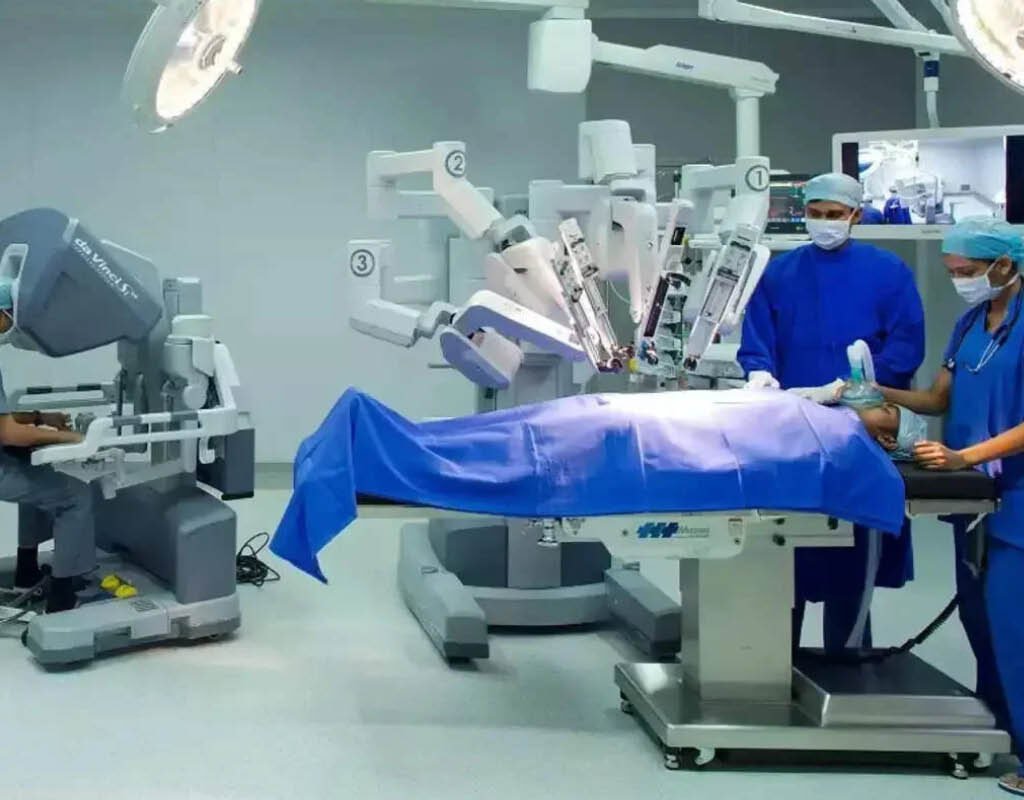
Robotic surgery is entering a new phase as more companies introduce advanced systems across multiple surgical specialties. According to a MedTech Dive report, established manufacturers and emerging developers are expanding minimally invasive surgical technologies, creating greater competition in a market long led by Intuitive Surgical. Regulatory approvals, clinical studies, and product launches are expected to increase access to robotic-assisted procedures in hospitals and outpatient settings.
Key Industry Trends
One major trend is the arrival of new competitors. Medtronic has secured U.S. clearance for its Hugo robotic surgery system in urology and is pursuing additional indications in general surgery and gynecology. Johnson & Johnson has also submitted its Ottava robotic platform for regulatory review. At the same time, several smaller companies are focusing on specialized procedures and ambulatory surgery centers where robotic adoption remains limited.
Technology and Clinical Growth
Manufacturers are expanding robotic surgery into cardiac surgery, plastic and reconstructive surgery, ophthalmology, and vascular procedures. Companies are introducing systems with improved imaging, greater precision, compact designs, and specialized surgical instruments. These technologies aim to improve minimally invasive treatment options while helping hospitals perform a wider range of procedures. Cardiac surgery has emerged as an important area of investment, with several developers introducing dedicated robotic platforms and clinical programs.
Future Outlook
Industry experts expect competition to increase over the next few years as additional robotic systems receive regulatory clearance and enter commercial use. Intuitive Surgical continues to introduce new capabilities while other companies seek opportunities in underserved specialties and healthcare facilities. As robotic technology becomes available across more clinical settings, healthcare providers will have a wider selection of platforms that support precision, efficiency, and patient care.