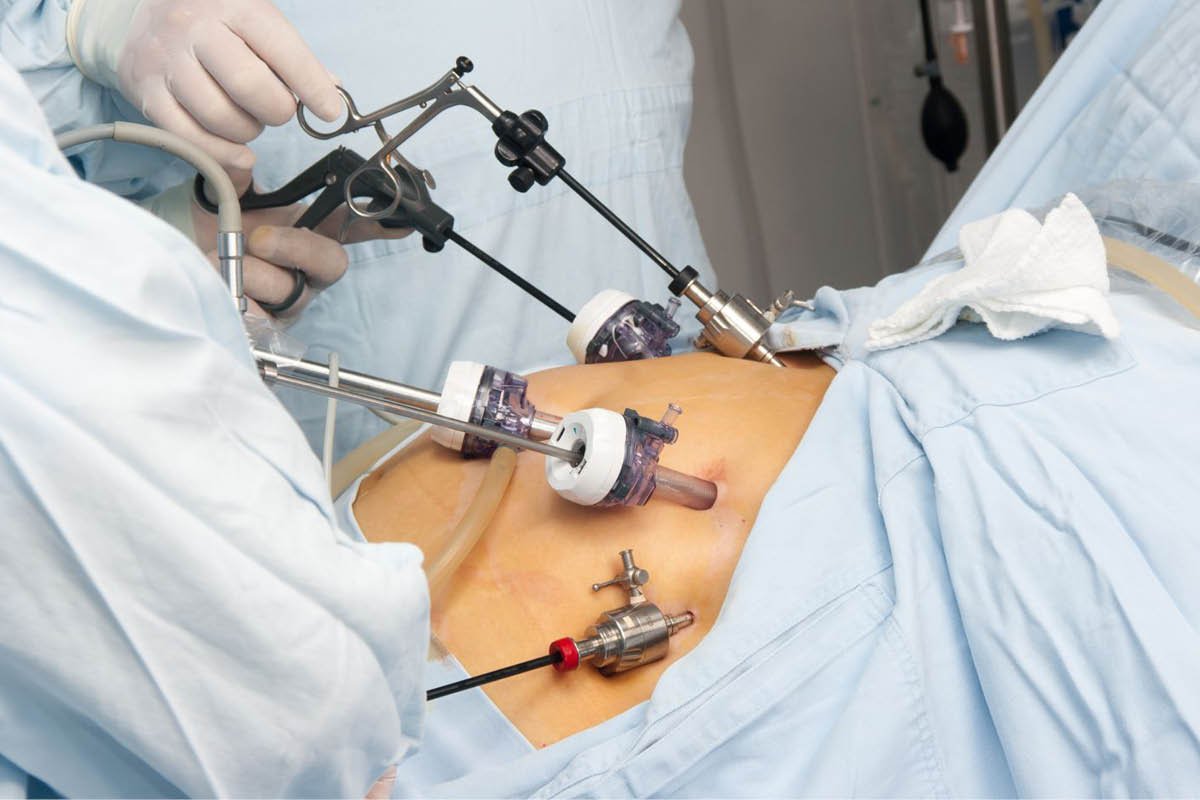
A stomach cancer diagnosis brings a flood of questions, but for many patients, the most pressing concern isn’t just about removing the cancer; it’s about what life looks like afterward. For many, understanding the benefits of robotic surgery for stomach cancer recovery is an important part of planning their treatment journey. The road to recovery, the level of pain, the size of the scars, and the time it takes to feel like yourself again are critical factors that weigh heavily on patients and their families.
Historically, surgery to treat gastric malignancies meant a large, open incision, a prolonged hospital stay, and a recovery period measured in months, not weeks. Today, however, the paradigm has shifted. For patients seeking both oncological precision and a smoother healing journey, robotic surgery for stomach cancer recovery represents a transformative advancement in surgical care.
As a leader in minimally invasive and robotic foregut surgery, Dr. Sharona B. Ross has dedicated nearly two decades to making complex abdominal operations safer while dramatically improving the patient experience.
Understanding the robotic difference in gastric surgery
It’s a common misconception that in a robotic procedure, a machine is operating on the patient. In reality, the state-of-the-art da Vinci Surgical System is an extension of the surgeon’s own hands. Seated at a console, the surgeon controls every movement of tiny, wristed instruments that offer a range of motion far beyond the human hand.
But how exactly does this technology translate into a better recovery for stomach cancer patients?
1. Unparalleled precision in a confined space
The upper abdomen is densely packed with vital organs and major blood vessels, demanding microscopic precision during cancer surgery. Robotic systems provide a magnified 3D view, allowing surgeons to distinguish cancerous margins from healthy tissue with crystal clarity essential for complete tumor removal and preserving long-term digestive function and quality of life.
2. Reduced physical trauma
The most visible difference for patients undergoing robotic surgery for stomach cancer recovery is the shift from a long incision to a few dime-sized incisions. This minimally invasive approach means less blood loss, reduced infection risk, and significantly less pain, often leading to fewer narcotics and faster mobilization to prevent complications like pneumonia and blood clots.
3. Faster return to normal life
Dr. Ross focuses on restoring patients to their lives, not just discharging them. Traditional open gastrectomy often requires a 7-10 day hospital stay with months of recovery. With robotic-assisted surgery, hospital stays are shortened to just a few days, and patients resume eating soft foods and walking comfortably far sooner than expected. When patients ask Dr. Ross about robotic surgery for stomach cancer recovery, she emphasizes that the goal isn’t just survival; it’s about thriving and returning to the family table with strength and dignity.
The human element behind the technology
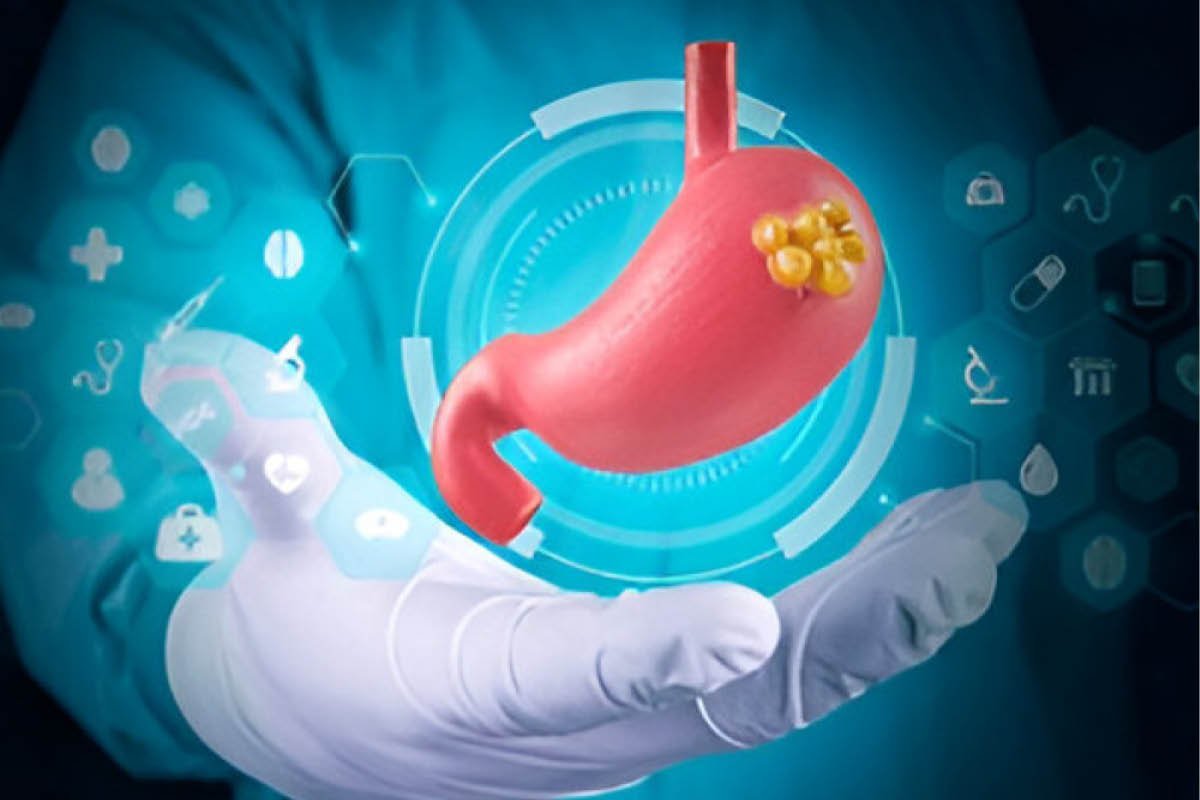
While the robotics technology is impressive, the surgical philosophy guiding it determines the outcome. Dr. Sharona B. Ross, Professor of Surgery at the University of Central Florida and Director of Minimally Invasive Surgery at AdventHealth Tampa, has built her career on a simple principle: “Every decision must prioritize the patient’s safety and long-term recovery.”
Dr. Ross is one of the few U.S. surgeons performing highly complex robotic abdominal procedures for cancer patients. As President of the Society of Laparoendoscopic & Robotic Surgeons (2025) with over 240 peer-reviewed publications, she sits at the forefront of surgical innovation. Her pancreatic and biliary expertise directly informs her gastric cancer work, as seen in her successful navigation of a large bleeding duodenal tumor involving the Superior Mesenteric Vein.
This expertise ensures that the operation is not just minimally invasive, but maximally effective.
Is robotic surgery right for your recovery?
Robotic surgery is a powerful tool, but not every patient or tumor configuration is a candidate. The decision requires a meticulous diagnostic workup and a deep conversation with a surgeon who understands both the limits and the capabilities of the technology. During a consultation, a specialist will review imaging, staging, and the patient’s overall health to design a personalized surgical plan.
Dr. Sharona B. Ross and her multidisciplinary team at AdventHealth Tampa provide seamless, patient-centered care from diagnosis through recovery. By integrating nutritional support, pain management, and surgical follow-up, she ensures a comprehensive treatment experience. Her leadership of the Pancreatic Cancer Center and the Advanced GI and HPB Fellowship Program uniquely positions her to manage even the most complex scenarios with a coordinated, team-based approach.
Hope through innovation
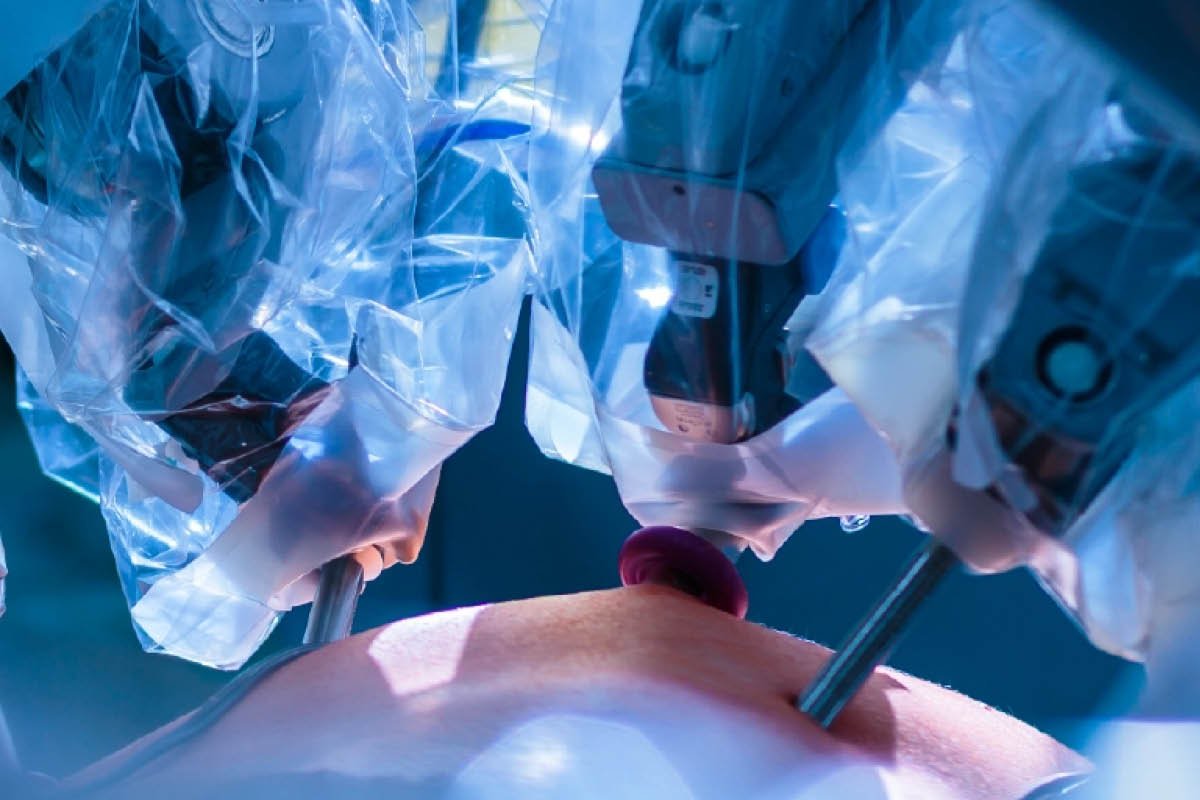
Receiving a stomach cancer diagnosis is undeniably frightening, but the tools available today offer immense hope. By focusing on robotic surgery for stomach cancer recovery, patients can drastically change the narrative of their treatment journey. Instead of a story defined by a lengthy, painful recovery, patients can look forward to a path marked by smaller scars, less pain, and a quicker return to the people and activities they love.
If you are seeking the highest level of surgical precision paired with deeply compassionate, patient-centered care in the Tampa Bay area, it’s time to explore your options with a world-class surgeon who has dedicated her life to making recovery faster and safer.