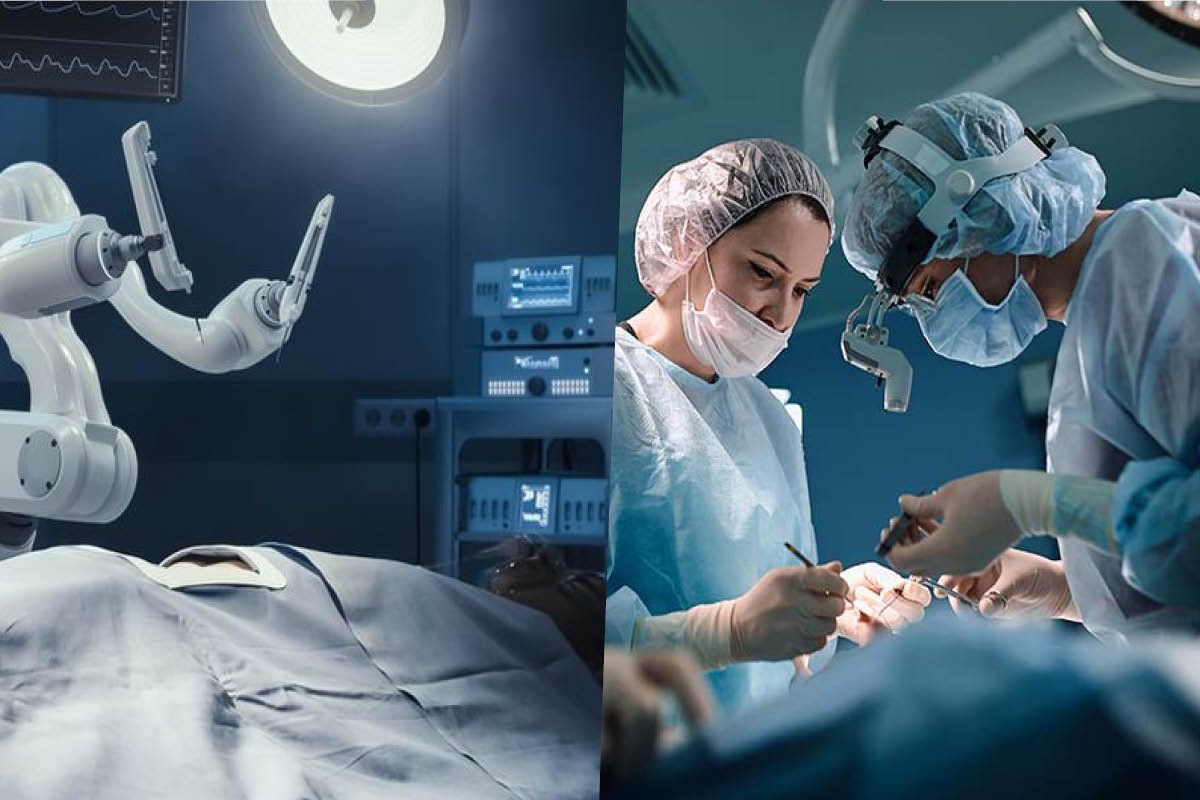
When facing a major abdominal operation, the question that keeps most patients awake at night is a simple yet profound one: “What are the risks?” In recent years, the rise of robotic-assisted procedures has sparked intense discussion in both medical circles and patient communities. With terms like “da Vinci” and “minimally invasive” becoming commonplace, patients are increasingly asking, is robotic surgery safer than traditional surgery?
The answer is nuanced, but for the vast majority of patients requiring complex digestive, pancreatic, or foregut procedures, the data and clinical experience increasingly point toward a clear yes, provided the surgeon behind the console possesses the necessary expertise. Dr. Sharona B. Ross, a Professor of Surgery at the University of Central Florida and Director of Minimally Invasive Surgery at AdventHealth Tampa, has spent nearly twenty years pioneering these techniques, and her perspective is shaped by thousands of successful outcomes.
The real meaning of “Safety” in surgery
To properly answer the question, is robotic surgery safer than traditional surgery, we must first define what safety truly means in a surgical context. True surgical safety goes beyond survival. It means minimizing blood loss, preventing infection, reducing complications like hernias, avoiding damage to surrounding organs, and ensuring a recovery free from life-threatening setbacks such as blood clots or pneumonia.
Traditional open surgery has been the standard for over a century and remains vital in certain cases. However, the long incision causes significant trauma to muscles and intestines, creating major physical stress. Dr. Ross emphasizes that when a safer, less invasive option is available, it should be the preferred choice.
How robotics reduces surgical risk
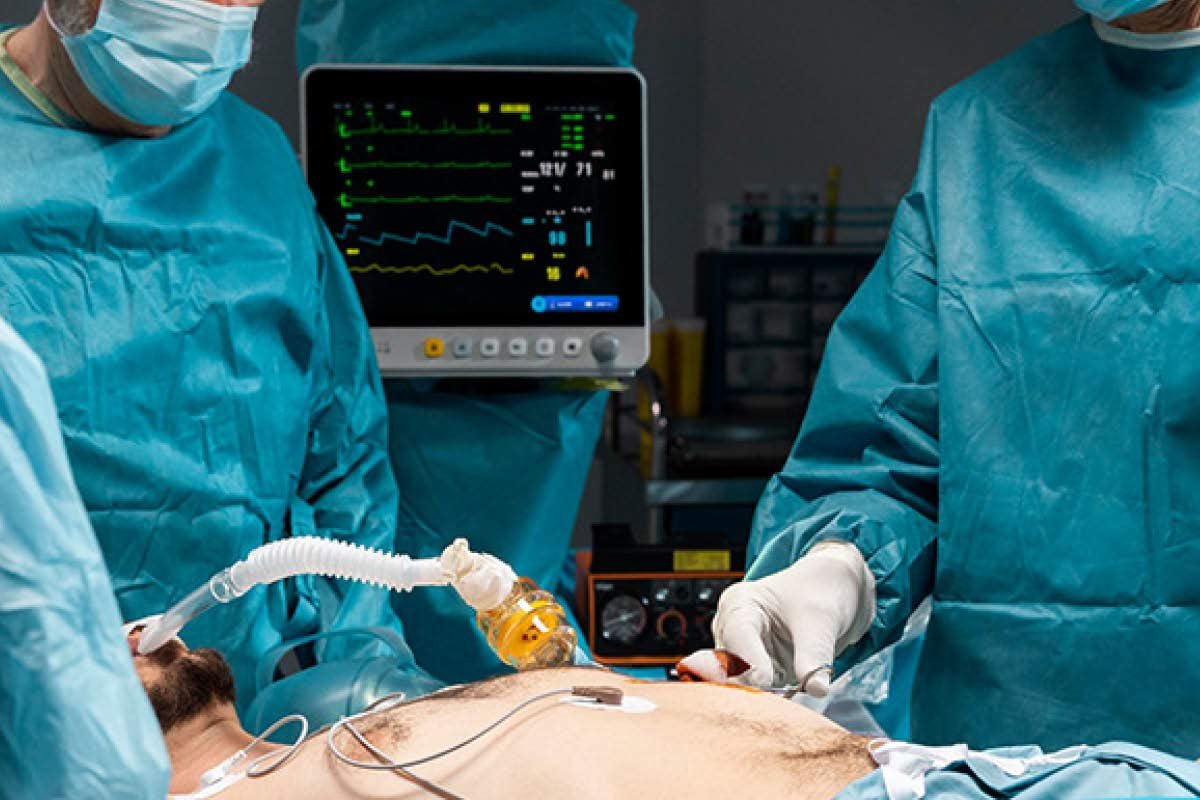
The question of whether robotic surgery is safer than traditional surgery is best answered by examining the specific advantages that robotic platforms bring to the operating table.
1. Magnified vision prevents errors
In the tight spaces of the upper abdomen, avoiding injury requires vision beyond the naked eye. The da Vinci system provides a magnified, high-definition 3D view, making tiny vessels and delicate nerves crystal clear. This precision allows for safer dissection and preservation of healthy tissue, directly lowering accidental injury rates during complex pancreatic and bile duct procedures.
2. Tremor-free precision in tight spaces
Even the steadiest human hands have a natural micro-tremor. Robotic instruments filter out this tremor and offer wristed movement with a greater range of motion than the human hand. In high-stakes cases like a bleeding duodenal tumor involving the Superior Mesenteric Vein, this precise control can be the defining factor between a successful outcome and a tragedy.
3. Dramatically lower infection and hernia rates
One of the most significant safety advantages is the reduction in surgical site infections and incisional hernias. A large open wound carries a substantially higher risk of becoming contaminated compared to a few dime-sized incisions. Similarly, the long-term risk of developing a painful hernia at the incision site is drastically minimized. For patients asking if robotic surgery is safer than traditional surgery, these lowered complication rates translate into a smoother, uninterrupted healing trajectory and fewer return trips to the hospital.
The deciding factor: the surgeon behind the robot
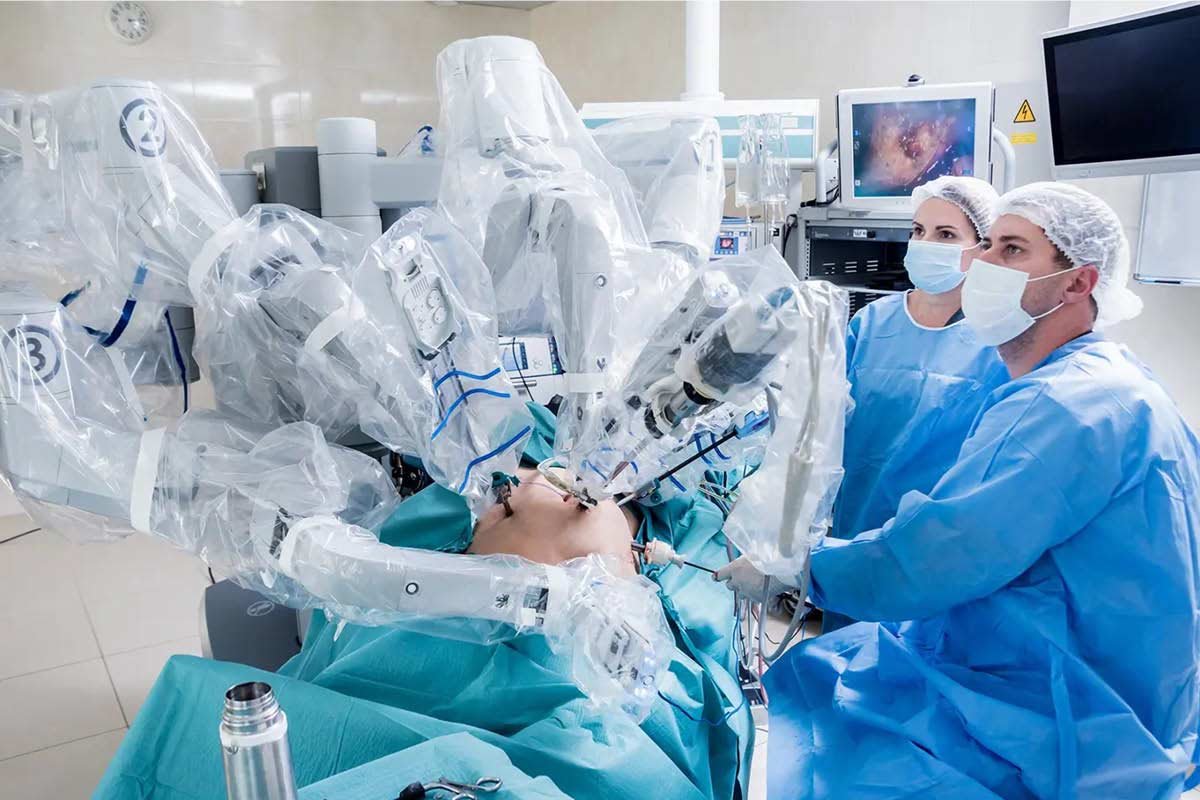
The most critical safety factor in robotic surgery is not the machine, but the surgeon. In inexperienced hands, it offers no safety advantage and can introduce new risks. In the hands of a seasoned expert like Dr. Ross, President of the Society of Laparoendoscopic & Robotic Surgeons and leader of the Advanced GI and HPB Fellowship Program, the safety profile is dramatically enhanced.
Dr. Ross’s philosophy is straightforward: “Every decision must prioritize the patient’s safety and long-term recovery.” This means she meticulously evaluates whether a robotic approach is genuinely the safest choice for a specific individual, always placing clinical judgment above the allure of technology.
A surgeon who understands the patient’s journey
Dr. Ross’s unwavering commitment to safety and recovery gained an even deeper dimension after a life-changing bicycle accident on June 1, 2025. Suffering a skull fracture and multiple facial fractures, she spent weeks in intensive care, experiencing healthcare from the patient’s perspective for the very first time. This profound experience intensified her empathy and her resolve to make surgery as safe and as gentle as possible. When she answers the question of whether robotic surgery is safer than traditional surgery, she does so with the mind of a master surgeon and the heart of someone who has navigated a long, painful recovery herself.
Making the right choice for your health
So, is robotic surgery safer than traditional surgery? For complex abdominal, pancreatic, reflux, and esophageal procedures, robotic minimally invasive surgery, when performed by a highly skilled expert, offers a safer approach with less trauma, fewer complications, shorter hospital stays, and a faster return to normal life.
The true key to safety is choosing a surgeon who has dedicated their career to mastering this technology and who sees you not as a case, but as a human being in need of compassionate, world-class care.