Did you know that at least 37% of cancer cases may be potentially preventable through modifiable factors, including lifestyle? A diet for cancer prevention is less about hunting down “superfoods” and more about the eating pattern you follow consistently. Leading bodies like the WCRF/AICR emphasize a package of habits, not single miracle foods: a plant-rich diet, a healthy body weight, regular physical activity, and limiting alcohol and processed foods. No one ingredient prevents cancer, and the evidence is stronger for some factors than others.
This article focuses on cancer prevention for people without a cancer diagnosis. It is not a treatment diet for people undergoing cancer therapy.
Table of Contents
What is a Diet for Cancer Prevention?
A cancer-prevention eating pattern supports a healthy body weight and overall dietary quality while emphasizing foods and habits associated with lower cancer risk. No single “superfood” can prevent cancer; overall diet quality and lifelong habits matter far more than any one item.
The World Cancer Research Fund/American Institute for Cancer Research (WCRF/AICR) framework centers on building most meals around minimally processed plant foods, then adding appropriate protein and whole-food carbohydrates to complete the plate. This is the core of an effective diet for cancer prevention.
Key elements include making whole grains, vegetables, fruits, and beans the foundation of daily eating, aiming for high fiber and nutrient density while keeping calorie density in check to support a healthy weight. For practical guidance on managing weight through food choices, see our healthy diet plan for weight loss.
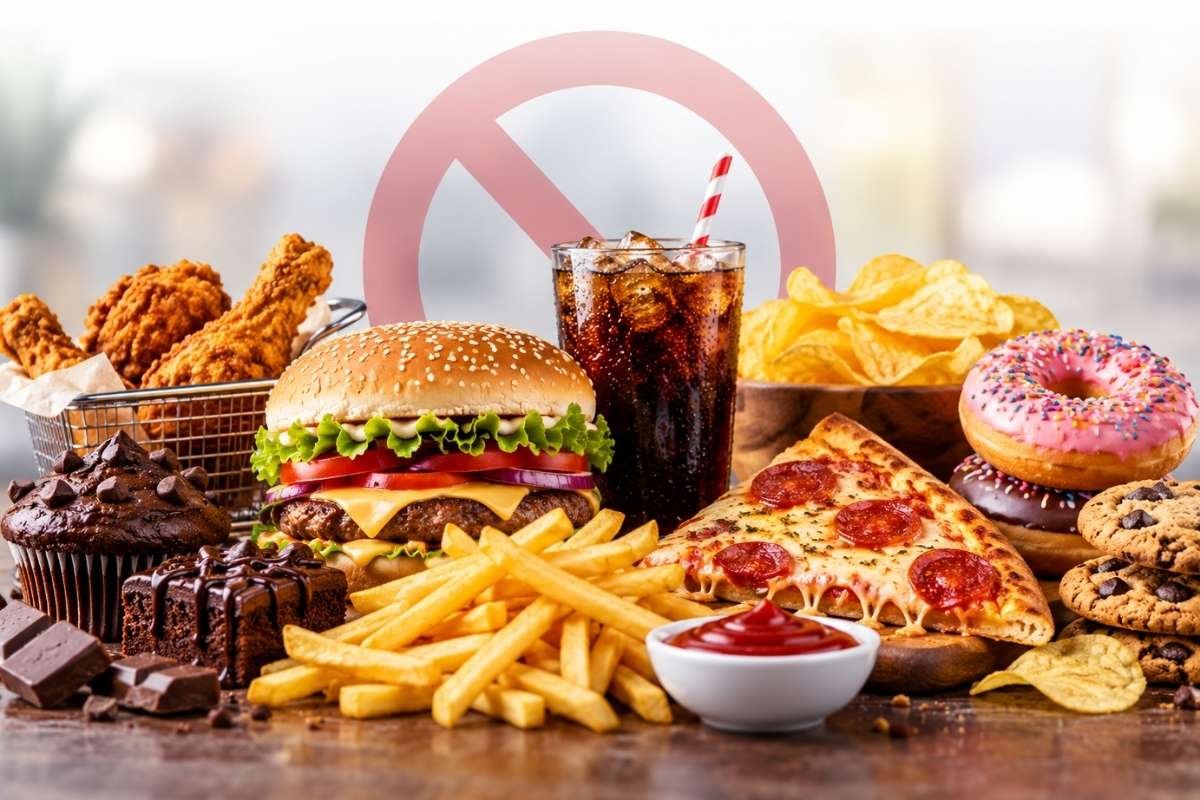
The framework also advises limiting fast foods and other highly processed items, red and processed meat, sugary drinks, and alcohol, all of which are associated with increased risk for several cancers. WCRF/AICR specifically recommend keeping red meat to no more than about 12–18 ounces (cooked) per week, avoiding processed meat where possible, and not drinking alcohol for cancer prevention.
Which Foods Have the Strongest Evidence for Lower Cancer Risk?
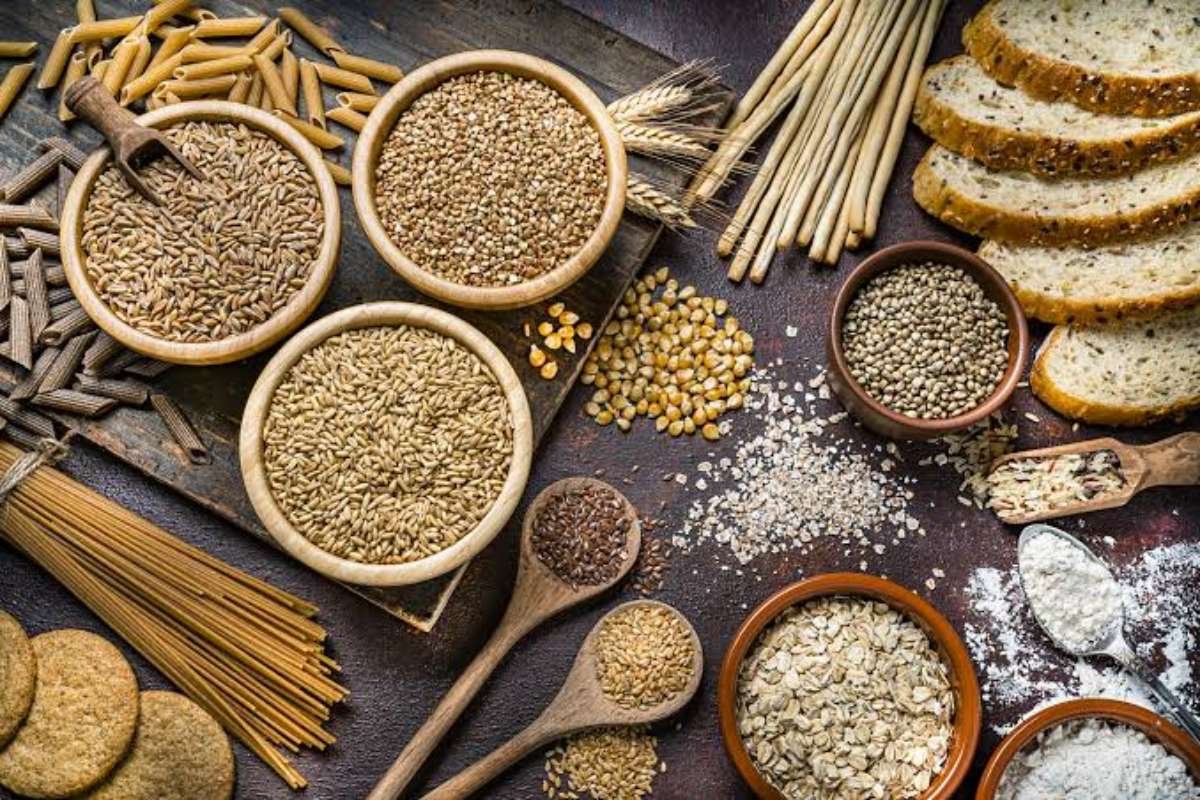
Whole Grains and Fiber-Rich Foods
Whole grains and dietary fiber have particularly strong evidence for colorectal cancer risk reduction.
- Oats
- Barley
- Brown rice
- Whole-wheat foods
- Other intact whole grains
The WCRF/AICR reports that every 10g increase in daily fiber intake is linked to a measurable drop in colorectal cancer risk. Exploring high fibre foods will help you understand the strategy better.
Beans, Lentils and Other Legumes
Legumes offer fiber, resistant starch, and protective phytochemicals, making them a core part of plant-forward eating.
- Lentils
- Chickpeas
- Black beans
- Kidney beans
AICR identifies legumes as a key component of its cancer-prevention dietary pattern. Their fermentable fiber also supports gut health. This also helps nurture beneficial gut microbes through probiotic and prebiotic foods.
Vegetables and Fruit
No single vegetable or fruit prevents cancer; variety matters more than any one “superfood.”
- Cruciferous vegetables (broccoli, cabbage, cauliflower)
- Leafy greens
- Tomatoes
- Colorful vegetables
- Whole fruits
Compounds like carotenoids and glucosinolates show protective mechanisms in lab studies, but this doesn’t confirm that eating one specific vegetable prevents a specific cancer. A well-rounded diet for cancer prevention relies on consistent intake across food groups rather than isolated compounds, which is why WCRF/AICR recommends filling at least two-thirds of your plate with plant foods.
Nuts and Seeds
Nuts and seeds are nutrient-dense additions to a healthy pattern, not standalone “cancer killers.” Almonds, walnuts, and flaxseeds provide healthy fats, fiber, and minerals that support overall dietary quality.
Fish and Other Healthy Protein Choices
Fish, especially fatty varieties, offer a healthier protein alternative to processed and red meat. Fish can provide protein and unsaturated fats and can replace red or processed meat in a plant-rich eating pattern. Its specific role in cancer prevention should not be reduced to omega-3 foods alone.
The Dana-Farber Cancer Institute notes that research reviewed by the American Institute for Cancer Research supports a link between higher dietary fiber intake and lower colorectal cancer risk.
Foods and Drinks to Limit for Cancer Prevention
| Category | Examples | Evidence & Risk | Recommendation |
| Processed Meat | Bacon, sausages, ham, salami, hot dogs | WCRF/AICR and Cancer Research UK cite convincing evidence linking processed meat to colorectal cancer | Consume very little, if any. |
| Red Meat | Beef, pork, lamb | Higher intakes are probably linked to increased colorectal cancer risk | Limit cooked red meat to 350–500g (12–18 oz)/week (3 portions) |
| Alcohol | Beer, wine, spirits | For cancer prevention, the lowest-risk choice is not to drink alcohol | If you drink, reducing consumption can reduce risk. |
| Sugar-Sweetened Drinks | Soda, sweetened juices, energy drinks | Can contribute to excess calorie intake and weight gain, which is associated with increased risk of several cancers | Limit as part of a diet for cancer prevention. |
| Ultra-Processed Foods | Packaged snacks, refined-grain products, calorie-dense processed items | Often high in calories, refined grains, added sugars, fat, or sodium; frequent intake may contribute to excess calorie intake and weight gain, while the direct relationship with cancer risk remains an area of ongoing research | Limit to support overall diet quality and healthy body weight |
How Fiber, Whole Grains and Plant Foods Fit Into Cancer Prevention
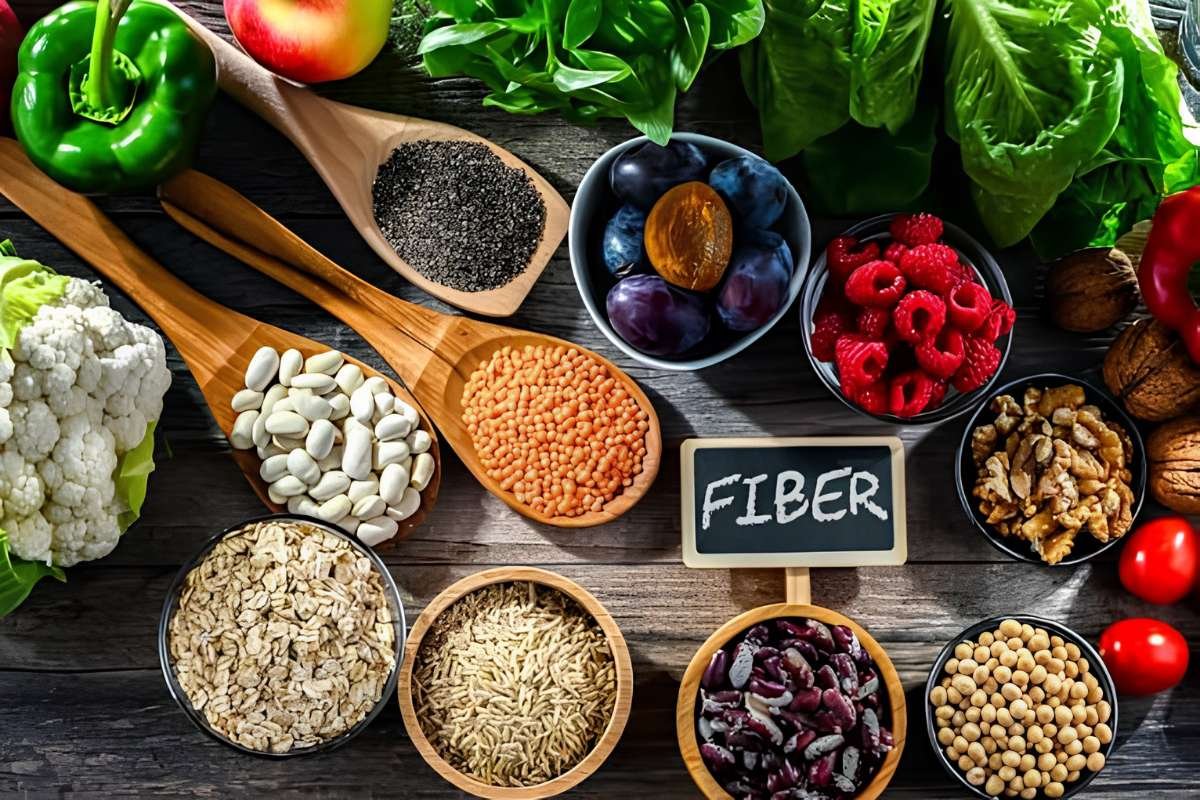
Fiber-rich foods support bowel health, healthy weight, and a favorable gut environment, all of which influence cancer-risk pathways. Soluble fiber (found in oats, legumes, and many fruits) dissolves in water. Gut bacteria ferment some types of fiber into short-chain fatty acids such as butyrate. These compounds are being studied for their roles in maintaining gut health and influencing biological pathways relevant to colorectal cancer.
Whole grains, legumes, vegetables, and fruits provide varying amounts and types of dietary fiber, while legumes, whole grains, and some cooked-and-cooled starches can also provide resistant starch. Resistant starch is a type of carbohydrate that reaches the colon largely undigested, where it can be fermented by gut microbes. This fermentation produces short-chain fatty acids, including butyrate, that are being studied for their roles in gut health. This mechanism is linked to lower colorectal cancer risk. Choosing whole grain over refined grain further boosts fiber and phytochemical intake. See whole grain vs refined grain for details.
Within a diet for cancer prevention, fiber is not a magic anti-cancer nutrient on its own. Its value comes from the whole foods that provide it and the overall dietary pattern they create. AICR/WCRF report provides probable evidence that higher dietary fiber intakes reduce colorectal cancer risk. AICR reports about a 7% lower colorectal cancer risk for each additional 10 g/day of dietary fiber.
What Does a Cancer-Prevention Plate Actually Look Like?
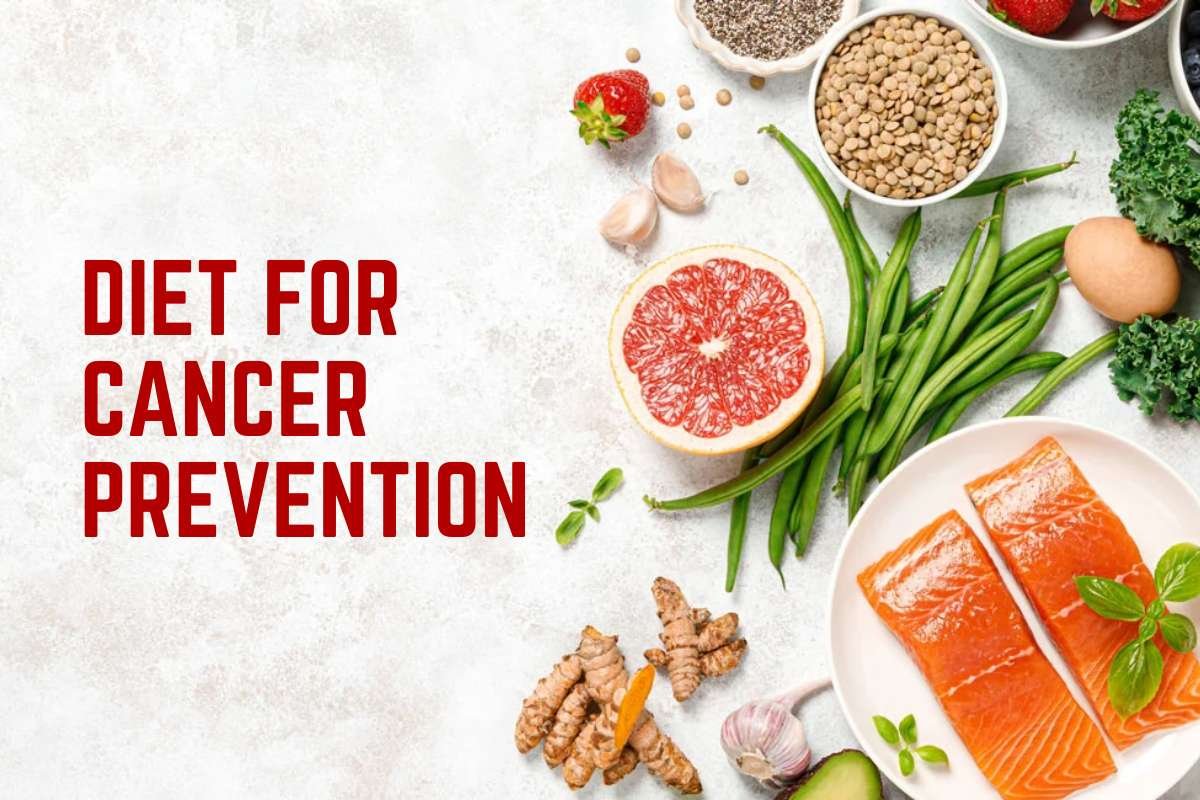
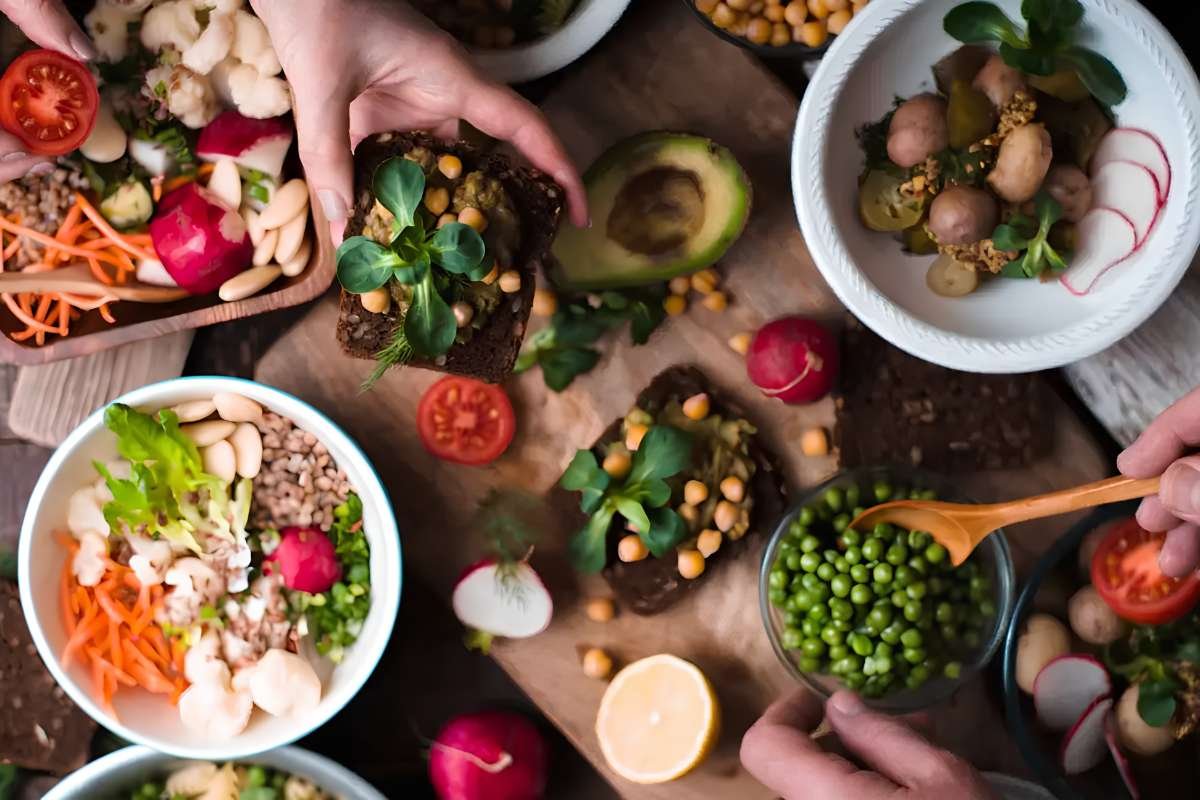
A simple, globally adaptable framework is to fill half your plate with vegetables and fruit, one-quarter with whole grains or other minimally processed carbohydrate sources (such as brown rice, quinoa, or whole-wheat roti), and one-quarter with beans, lentils, fish, poultry, tofu, or another protein. Add a small portion of nuts, seeds, or healthy unsaturated fats (olive oil, avocado) where appropriate to support satiety and nutrient absorption. This pattern aligns with WCRF/AICR guidance to make plant foods the foundation of a diet for cancer prevention while limiting red and processed meat and refined carbohydrates.
Practical meal examples
- Breakfast: Oats topped with berries or other fruit, plus a spoonful of nuts or seeds.
- Lunch: A whole grain (brown rice, whole-wheat roti, or barley) with dal or beans, mixed vegetables (sabzi or stir-fry), and a side salad.
- Dinner: Fish, beans, or tofu with a generous portion of vegetables and a small serving of whole grain.
Small swaps you can make today
- White bread → whole-grain bread
- Processed meat (bacon, sausages) → beans, lentils, fish, or poultry
- Sugary drink → water or unsweetened tea/coffee
- Refined grain (white rice, maida) → whole grain (brown rice, whole-wheat, millets)
- Meat-heavy meal → plant-forward meal with legumes and vegetables
These simple adjustments shift the overall pattern toward higher fiber, more phytochemicals, and better weight management. They are practical ways to move your overall eating pattern toward established cancer-prevention recommendations.
Cancer prevention diet myths: supplements, superfoods and more
Myth 1: One food can prevent cancer
No. AICR explicitly states that no single food, diet, or supplement can prevent, treat, or cure cancer on its own. Protection comes from overall dietary patterns, not isolated “superfoods.”
Myth 2: Antioxidant supplements are better than food
WCRF recommends not using dietary supplements to prevent cancer. Supplements may still be appropriate for specific nutritional deficiencies or medical circumstances under professional guidance. Large trials show many common supplements offer little proven benefit and may even increase risk in some groups, whereas whole foods provide a complex mix of nutrients that work together.
Myth 3: More turmeric/garlic/green tea means more protection
Laboratory studies on isolated compounds (like curcumin or catechins) show biological activity, but this does not automatically translate into cancer prevention in humans. Within a diet for cancer prevention, these foods can be part of a varied, plant-rich pattern, but they are not standalone shields.
Myth 4: Sugar directly “feeds cancer”
All cells use glucose; there is no evidence that dietary sugar uniquely fuels tumors. The real concern is that excess sugar contributes to weight gain and obesity, which are established risk factors for at least 12 cancers.
Myth 5: A cancer-prevention diet guarantees prevention
No dietary pattern eliminates cancer risk. Genetics, environment, infections, and other factors also matter, so diet is one important piece of a broader prevention strategy.
Conclusion:
There’s no single food or supplement that can shield you from cancer. But the evidence is clear that consistent, everyday choices add up. A diet for cancer prevention comes down to a few core habits: build meals around whole grains, vegetables, fruits, and legumes. Limit red and processed meat, alcohol, and sugary drinks. Also maintain a healthy body weight through balanced eating. These aren’t rigid rules but a flexible framework you can adapt to your own meals, culture, and taste.
Start small. Swap one refined grain for a whole grain, add a serving of legumes to lunch, or skip the sugary drink today. Small, sustained changes build the pattern that matters most for long-term health.
FAQ:
1. What foods should you eat to reduce cancer risk?
Prioritize vegetables, fruits, whole grains, beans, lentils, nuts and seeds, and choose healthy protein sources.
2. What is a plant-based diet for cancer prevention?
A plant-rich eating pattern fits current cancer-prevention recommendations, but “plant-based” does not necessarily mean completely vegan.
3. Does eating more fiber reduce cancer risk?
Higher dietary fiber intake is associated with a lower risk of colorectal cancer. Good sources include whole grains, beans, lentils, vegetables, fruits, nuts, and seeds.
4. Can one “superfood” prevent cancer?
No. Cancer risk is influenced by multiple factors, and no individual food has been shown to prevent cancer on its own. Focus on the overall dietary pattern rather than chasing individual “superfoods.”
5. Can a cancer-prevention diet replace cancer screening?
No. A healthy diet is one part of cancer-risk reduction, but it does not replace recommended cancer screening, vaccination where appropriate, avoiding tobacco, or medical care.
Links and Sources:
- https://www.who.int/news/item/03-02-2026-four-in-ten-cancer-cases-could-be-prevented-globally#:~:text=Released%20ahead%20of%20World%20Cancer%20Day%2C%204%20February%2C%20the%20analysis%20estimates%20that%2037%25%20of%20all%20new%20cancer%20cases%20in%202022%2C%20around%207.1%20million%20cases%2C%20were%20linked%20to%20preventable%20causes.%20The%20findings%20highlight%20the%20enormous%20potential%20of%20prevention%20in%20reducing%20the%20global%20cancer%20burden. (Intro citation)
- https://www.macmillan.org.uk/cancer-information-and-support/stories-and-media/blogs/food-and-cancer-separating-fact-from-fiction
- https://pmc.ncbi.nlm.nih.gov/articles/PMC12624963
- https://www.frontiersin.org/journals/oncology/articles/10.3389/fonc.2026.1860619/full
- https://www.cancer.org.au/about-us/policy-and-advocacy/prevention/obesity/related-resources/information-sheet-sugar-and-cancer-risk
- https://www.eufic.org/en/misinformation/article/what-journalists-need-to-know-about-vegan-diets-and-colorectal-cancer-risk
- https://evidenced.health/frameworks/red-and-processed-meat-and-cancer
- https://wholegrainscouncil.org/blog/2026/02/eating-more-food-could-prevent-nearly-200000-colorectal-cancer-deaths