Key Takeaway:
- Congo’s Ebola outbreak has surpassed 2,000 deaths and 4,381 confirmed cases.
- Bundibugyo virus differs genetically from other Ebola strains, limiting existing treatment and vaccine options.
- U.S. risk remains low, with transmission requiring direct contact with infected bodily fluids.
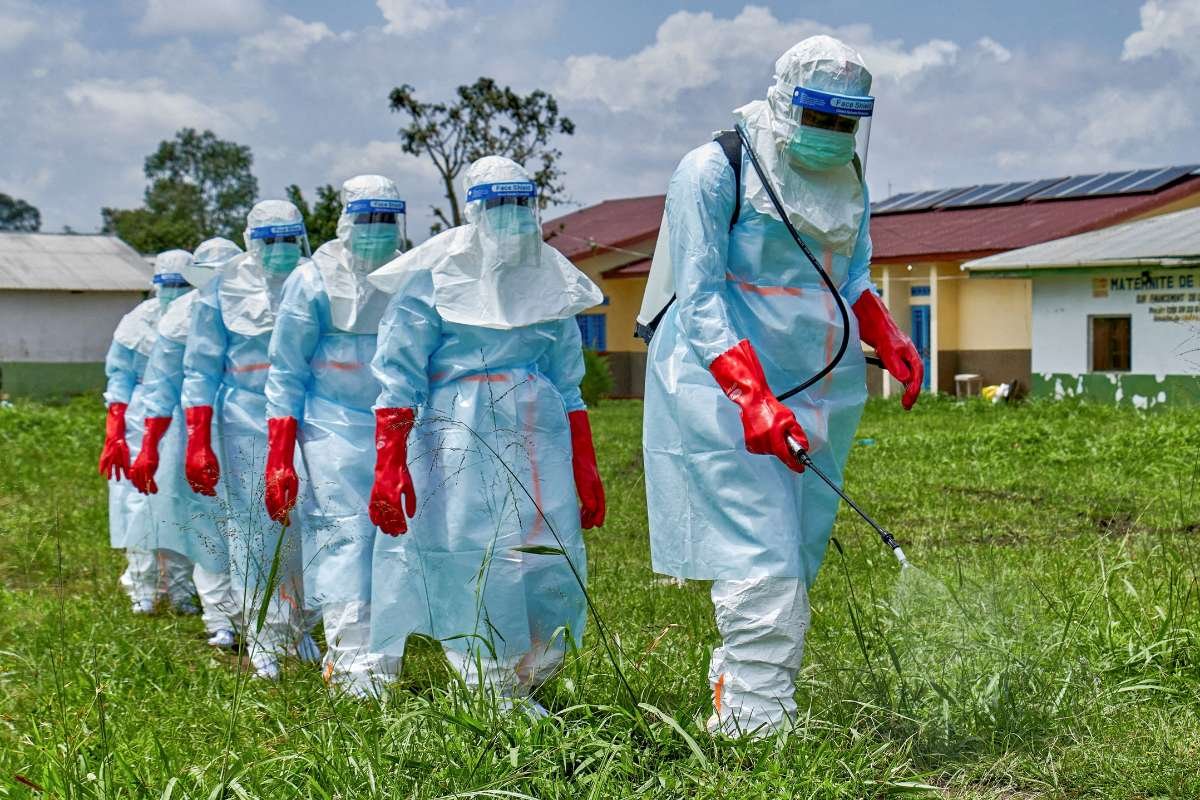
More than 2,000 people have died in the Congo Ebola outbreak sweeping eastern regions of the country, officials say, as the rare Bundibugyo virus spreads rapidly despite containment efforts and poses a low current risk to Americans.
Outbreak spreads rapidly across Eastern Congo
Congo has recorded 2,011 confirmed Ebola deaths and 4,381 confirmed cases across five provinces, according to government data reported by Reuters. The outbreak, declared on May 15, is the country’s 17th and is considered the fastest-growing Ebola outbreak on record.
The outbreak is concentrated in eastern Congo, where conflict, limited health infrastructure, shortages of medical supplies and difficulties tracing contacts have slowed efforts to contain transmission. Health authorities say the virus likely began spreading months before the outbreak was officially declared.
World Health Organization Director-General Tedros Adhanom Ghebreyesus said the response is struggling to keep pace.
“The outbreak had a big head start, still way ahead of us, and we’re playing catch-up,” Tedros said Wednesday.
The outbreak has also spread across the border into Uganda, while WHO has classified the global risk as low. The agency has continued to urge stronger surveillance, contact tracing and international support.
U.S. risk remains low despite global concern
For Americans, health officials say the immediate risk remains limited. The CDC says there are currently no Ebola cases in the United States and assesses the risk of the Congo Ebola outbreak spreading to the country as low.
Ebola primarily spreads through direct contact with the bodily fluids of an infected person or contaminated materials. Health care workers and people caring for infected patients without appropriate protective measures face greater risks than the general public.
David Wohl, a professor of medicine in the infectious diseases division at the University of North Carolina at Chapel Hill, said the average American does not need to view the outbreak as an immediate personal threat.
“This is not something that I think the average person has to worry about acquiring here in the United States,” Wohl told News channel.
The United States recorded four laboratory-confirmed Ebola cases during the 2014 outbreak in West Africa. Two were people who contracted the virus abroad, and two were health care workers who became infected while caring for an Ebola patient in Dallas, according to the CDC.
Bundibugyo strain limits treatment options
The current outbreak differs from the 2014-2016 West African epidemic because it is caused by Bundibugyo virus, a distinct Ebola species. The strain is genetically different from versions identified in earlier Bundibugyo outbreaks, according to research cited by the Associated Press.
No approved vaccine or treatment specifically targets Bundibugyo virus. The widely used Ebola vaccine was developed for the Zaire species and has not been proven to protect against Bundibugyo virus, according to WHO materials.
Researchers are testing two vaccines designed specifically for Bundibugyo virus in people. WHO also plans to study whether an existing Ebola vaccine could protect after promising results in animal studies.
The Congo Ebola outbreak has already surpassed 2,000 deaths in less than three months, while the 2014-2016 West African outbreak took nearly five months to reach 1,000 deaths. WHO officials warn that the current outbreak could continue for months as responders work to expand testing, treatment, and disease surveillance.