
Ever stood in front of a $300 juicer wondering if it’s actually worth the counter space? Many people ask the same question: is juicing good or bad for your health?
The honest answer is messier than any wellness influencer wants to admit. Juicing gives you a fast hit of vitamins and antioxidants, but it also strips away fiber and concentrates sugar in ways whole produce never does. Doctors and nutritionists don’t fully agree on whether the trade-off is worth it.
This article explains the real science behind whether juicing is good or bad, so you can decide for yourself. We’ll cover the benefits, the risks, what research actually shows, and how to juice smarter if you choose to do it.
Does Juicing Actually Give You More Nutrients?
Juicing pulls vitamins, minerals, and antioxidants out of fruits and vegetables into a drinkable liquid. This process gives you a high concentration of vitamins and minerals in one go, and these nutrients can boost immunity and improve skin health. That’s the main selling point, and it’s a real one.
But concentration isn’t the same as superiority. Whole produce delivers those same nutrients plus fiber, which slows digestion and keeps you full. Juicing skips that step entirely, so you absorb nutrients fast but lose the steady release your body actually prefers.
If you already eat plenty of fruits and vegetables, juicing adds little extra value. If you struggle to eat enough produce, whether juicing is good or bad becomes less important than simply getting more nutrients however you can.
What Happens to Fiber When You Juice?
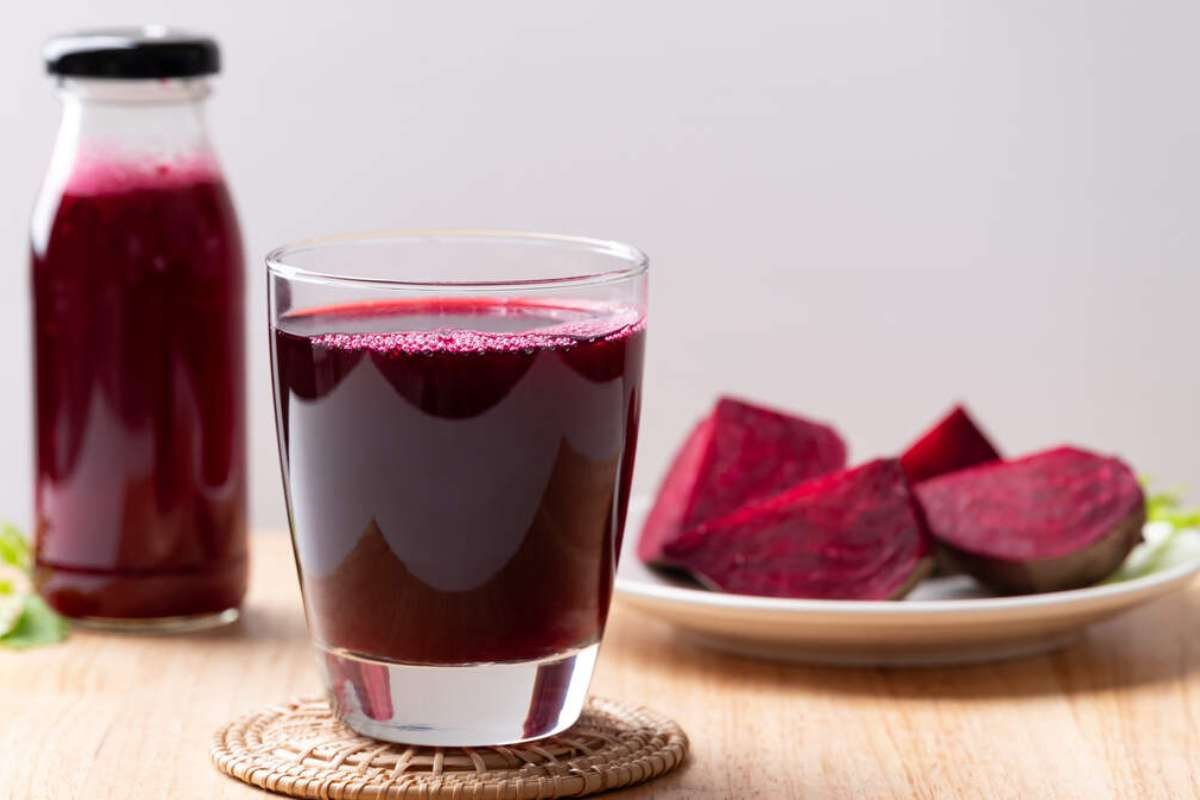
This is the biggest sticking point in the whole is juicing good or bad debate. Juicing eliminates fiber, and removing it means you’re getting all the sugar straight from the fruit without anything to slow it down.
“Without fiber, the overall health benefits are diminished. Only 5% of Americans consume the recommended amount of fiber per day, so it’s helpful to keep the fiber intact where you can.”, says Haley Stevens, Registered Dietitian for Community Nutrition Programs at AHWC
Fiber isn’t just about digestion. It acts as a prebiotic, feeding the gut bacteria that produce vitamins and support overall health, so juicing deprives your body of that benefit. Losing fiber also means you get hungrier faster after drinking juice than after eating the same produce whole.
Here’s a quick comparison of what you gain and lose:
| Factor | Whole Fruit/Veg | Juiced Version |
| Fiber content | High | Nearly zero |
| Sugar absorption | Slow, steady | Fast spike |
| Nutrient concentration | Moderate | High |
| Satiety | Strong | Weak |
| Prep effort | Higher | Lower |
Juicing: Good or Bad for Blood Sugar?
Short answer: it can be, especially with fruit-heavy juices. Without fiber to slow things down, the natural sugars hit your bloodstream quickly. This spikes blood glucose faster than eating the same fruit whole would.
People managing diabetes or insulin resistance should be especially cautious here. A green juice loaded with apples and pineapple can spike blood sugar just like soda does, even though it feels healthy. Sticking to mostly vegetables with a small amount of fruit keeps the sugar content lower.
If blood sugar is a concern, pairing juice with protein or fat can slow absorption. Still, whole produce remains the safer default for steady energy.
Can Juicing Hurt Your Gut Health?

Recent research by Northwestern University adds a new wrinkle to whether juicing is good or bad for your microbiome. A study on short-term juice cleanses found notable shifts in gut and oral bacteria after just a few days. Researchers linked this to the sugar and carbohydrate levels in juice diets, which appear to feed less favorable bacteria while starving beneficial ones that rely on fiber.
This doesn’t mean occasional juicing wrecks your microbiome. But extended juice cleanses, especially ones replacing whole meals for multiple days, may do more harm than good for gut balance. Moderation matters more than most juice cleanse marketing suggests.
If gut health is a priority, treat juice as a supplement to meals rather than a replacement for them.
Read More: Soybean Seeds Nutrition: A Treasure of Health Benefits
What are the Real Benefits of Juicing?
Juicing isn’t all downside. It has practical perks that keep people coming back to it, even knowing the fiber trade-off, and they help explain why juicing is good or bad rarely has a simple answer.
- Convenience: Juice travels well and takes seconds to drink when you’re rushed.
- Variety: You can blend vegetables you’d normally skip into one glass.
- Reduced Waste: Overripe produce that’s headed for the trash still makes great juice.
- Palate Training: Regularly drinking vegetable juice can make you crave whole produce more over time.
These benefits explain why juicing remains popular despite the nutritional trade-offs. It’s less about replacing whole food and more about making produce easier to fit into a busy life.
Is Juicing Worth the Cost and Effort?
Quality juicers aren’t cheap, and neither is the produce needed to fill a single glass. Juicing can be expensive due to the cost of high-quality juicers and ingredients, and you’ll need a lot of fruits and vegetables to get a decent amount of juice out of them. That’s a real barrier for many households.
Cold-press juicers in particular run higher prices but preserve more nutrients than centrifugal models. If budget is tight, a blender that keeps the fiber intact often delivers better value and better nutrition than a dedicated juicer.
Weigh the cost against how often you’ll realistically use it before deciding if juicing is good or bad for your budget to justify.
How Can You Juice the Smart Way?
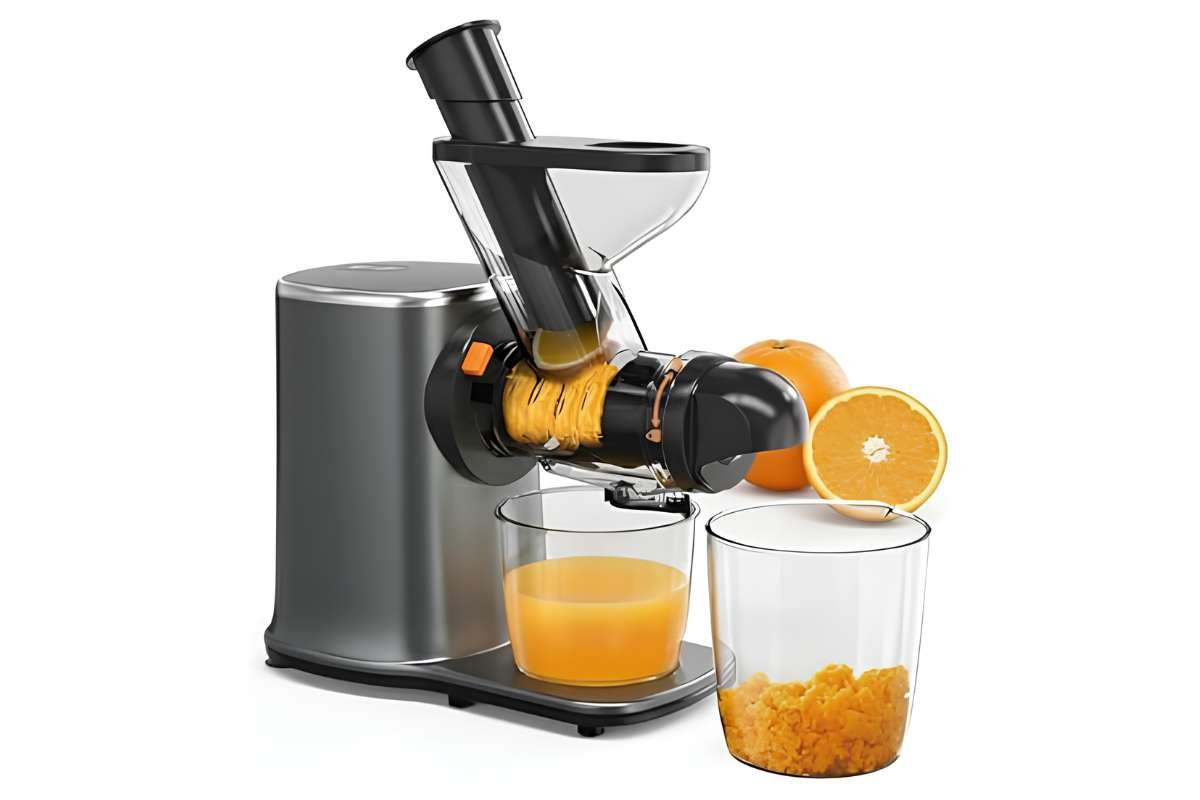
If you’ve decided juicing fits your lifestyle, a few habits make it healthier. Lean vegetable-heavy with just a touch of fruit for sweetness, since this keeps sugar content manageable. Ginger, lemon, or cucumber add flavor without adding much sugar at all.
Drink juice alongside a meal rather than as a meal replacement. This slows sugar absorption and keeps you fuller longer. Save whole fruits and vegetables for the bulk of your fiber intake, and treat juice as a bonus, not a foundation.
Rotate your greens and vegetables to avoid overloading on any single compound, like oxalates in spinach. Small habits like these turn juicing from a sugar bomb into a genuinely useful addition to your diet.
The Bottom Line
So, juicing: good or bad? It depends entirely on how you use it. As an occasional nutrient boost alongside whole foods, juicing offers real convenience and variety. As a meal replacement or extended cleanse, the fiber loss and sugar spikes start working against you.
The smartest approach treats juice as a supplement, not a substitute. Keep whole fruits and vegetables as your foundation, and let juice fill in the gaps on busy days. Try swapping one snack a week for a vegetable-forward juice and see how your body responds.
Read More: Why Super Healthy Foods Are the Secret Weapon of Lifelong Energy?
FAQs
1. Is juicing better than eating whole fruit?
No, whole fruit retains fiber and keeps blood sugar more stable than juice does.
2. How often is it safe to juice?
Daily juicing is fine if it supplements meals rather than replacing them regularly.
3. Does juicing help with weight loss?
Not reliably, since juice lacks fiber and protein that keep you full longer.
4. What’s the healthiest vegetable to juice?
Leafy greens like kale and spinach offer strong nutrients with minimal sugar impact.
5. Can juicing cause blood sugar spikes?
Yes, especially fruit-heavy juices consumed without fiber or protein.
Sources: