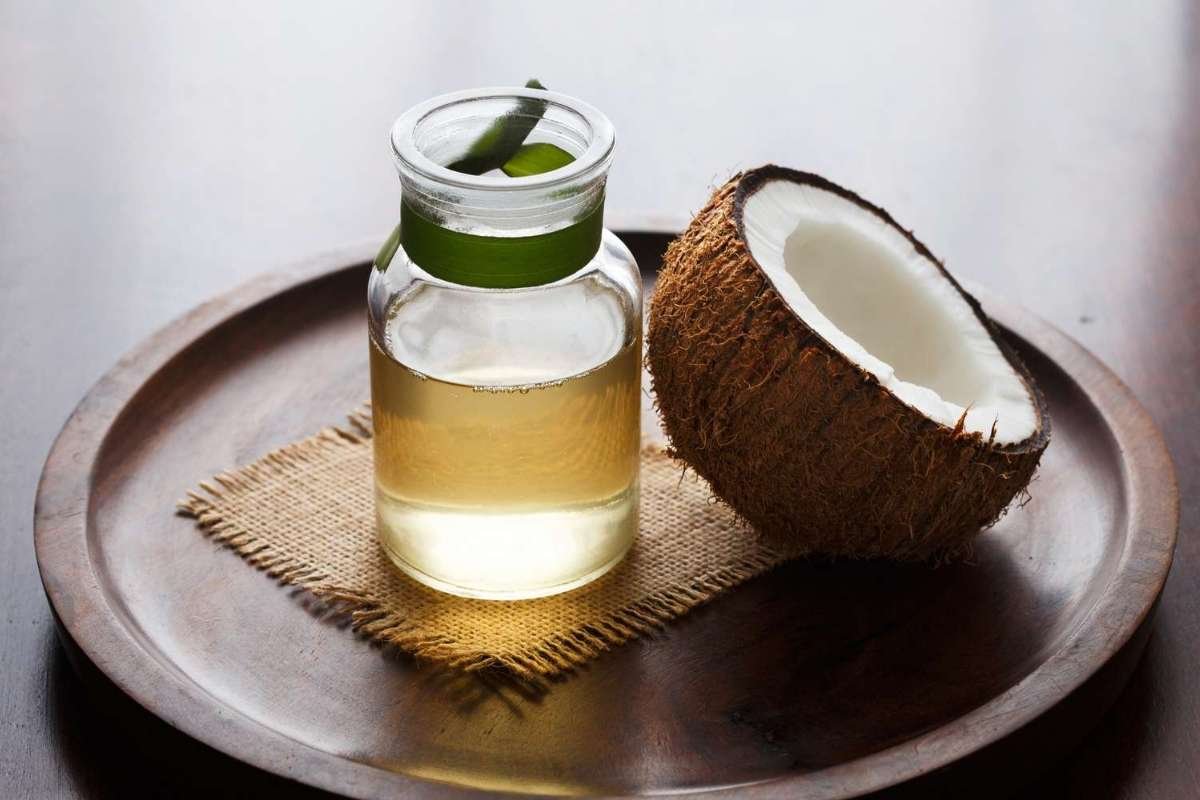
Does using coconut oil really speed up hair growth? Science says no, it won’t speed up your biological growth rate. But it is a great way to make your hair grow healthier.
It gets deep into the hair shaft. This helps keep protein from leaking out and prevents breakage, which can slow your progress. It also protects your scalp’s natural barrier. It is the best place for strong strands to grow.
Using coconut oil for hair growth won’t make your hair grow faster. But it will make sure you keep every inch of hair you grow. Let’s look at what science really says about Coconut Oil for Hair Growth. Starting from who it works best for, and how to use it the right way.
What is Coconut Oil and Why Is It Used in Hair Care?
Coconut oil is a natural fat extracted from raw coconuts. Unlike many surface oils that just sit on top of your strands. It is uniquely rich in lauric acid. This specific medium-chain fatty acid has a high affinity for hair protein. Allowing the oil to penetrate deep into the hair shaft. This helps prevent damage and keeps the hair strong from the inside out. Its antimicrobial properties also help keep the scalp clean and balanced.
This oil is a global staple for a reason. It has deep roots in Ayurvedic traditions in India and has been a cornerstone of Caribbean and African hair care for centuries. Today, it leads the DIY and clean beauty movements worldwide. Whether used as a mask or a scalp treatment, many people rely on coconut oil for hair growth and overall hair health.
Does Coconut Oil for Hair Growth Actually Work?
While the internet often calls it a “miracle cure,” the truth is more nuanced. Science shows that it doesn’t necessarily make hair sprout faster, but it is one of the most effective ways to ensure your hair stays strong enough to actually reach longer lengths.
What Research Says
Reduces Protein Loss: Hair is primarily made of protein. Unlike most oils, coconut oil can penetrate the hair shaft. It also significantly reduces protein loss during washing and styling. This keeps your strands structurally sound.
Prevents Breakage: By filling the hair shaft. It makes the hair more flexible and less prone to snapping. If your hair isn’t breaking at the ends, you will see more “growth” over time.
Protects the Cuticle: It acts as a protective barrier. This is preventing water from swelling the hair fiber excessively (hygral fatigue). It can damage the outer cuticle.
May Reduce Scalp Inflammation: Its natural antimicrobial and anti-inflammatory properties help maintain a healthy scalp environment. This is the foundation for healthy hair.
What It Does NOT Do
Does Not Stimulate Follicles: Unlike medical treatments like minoxidil. Coconut oil does not increase blood flow or chemically signal follicles to start a new growth phase.
Does Not Reverse Genetic Baldness: It cannot change your DNA or “wake up” follicles that have ceased functioning. Due to male or female pattern baldness.
Not a Clinical Treatment for Alopecia: For medical conditions like alopecia areata. Coconut oil is a supportive care tool. It is not a cure or a clinical replacement for specialized medicine.
Comparison: Natural Support vs. Medical Treatment
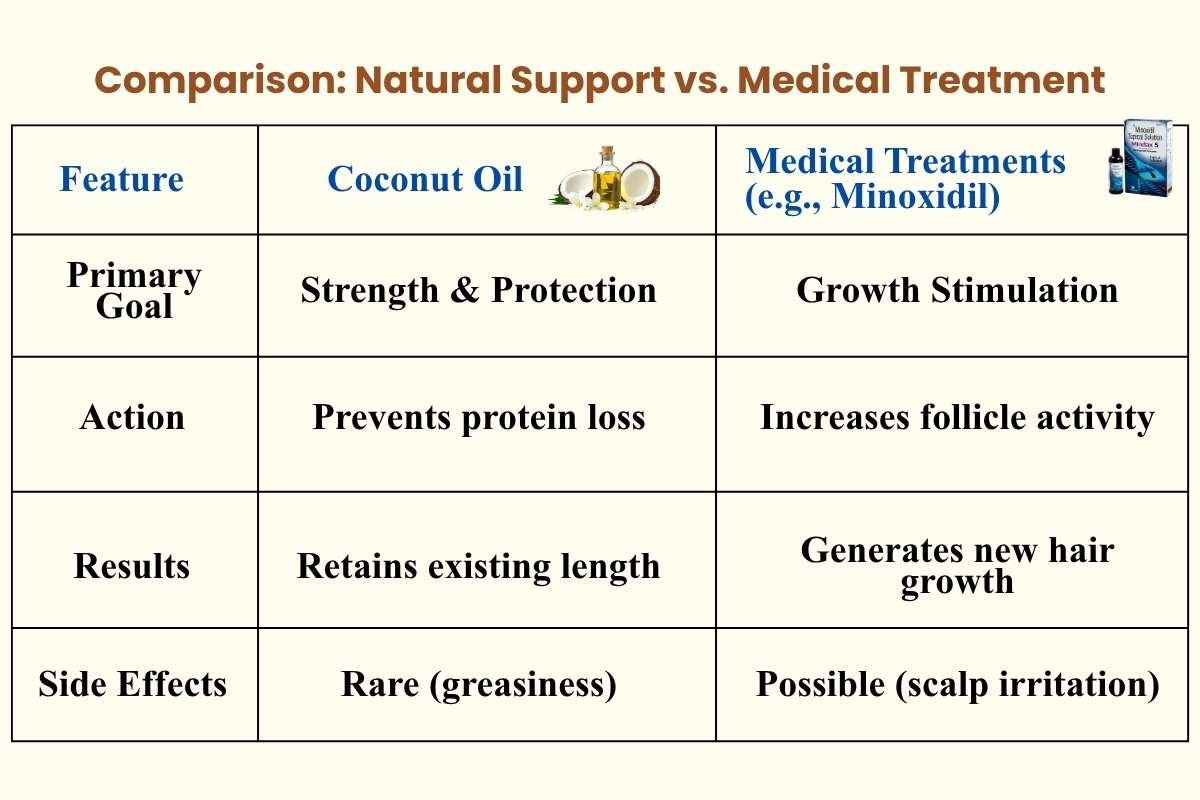
| Feature | Coconut Oil | Medical Treatments (e.g., Minoxidil) |
| Primary Goal | Strength & Protection | Growth Stimulation |
| Action | Prevents protein loss | Increases follicle activity |
| Results | Retains existing length | Generates new hair growth |
| Side Effects | Rare (greasiness) | Possible (scalp irritation) |
How Does Coconut Oil Support Healthier Hair Growth Indirectly?
Coconut oil doesn’t change your DNA to make hair grow faster, but it acts as a “bodyguard” for your length. When your hair breaks less, you finally see the progress that was previously snapped away. Here is how it works:
- Strengthens the Hair Shaft: Because it is one of the few oils that can actually enter the hair fiber. It reinforces the internal structure. This makes each strand more resilient against daily wear and tear.
- Prevents Split Ends: By keeping the hair hydrated and lubricated. It prevents the ends from fraying. This stops a small split from traveling up the hair and ruining the entire strand.
- Reduces Hygral Fatigue: Hair swells when wet and shrinks when dry. This constant “stretching” weakens the hair over time. Coconut oil limits how much water the hair absorbs, protecting it from this cycle of damage.
- Supports Scalp Microbiome: A healthy scalp is the “soil” for your hair. The antimicrobial properties of coconut oil. This helps maintain a balanced environment, reducing flakes and irritation that can hinder growth.
- Protects Against UV Damage: It provides a light, natural barrier against the sun. UV rays can degrade hair proteins, making them brittle. Coconut oil also helps shield them from becoming “sunburned” and weak.
The “Growth Illusion”: Why Less Breakage Matters
The most common reason people feel their hair “stops growing” at a certain point is actually breakage, not a slow scalp. If your hair grows one inch a month but breaks off half an inch at the ends, your progress is cut in half.
By significantly reducing breakage, coconut oil allows you to retain every millimeter your scalp produces. When your ends stay thick and intact. You experience the appearance of faster growth. Using coconut oil for hair growth is essentially a strategy for length retention. This is ensuring the hair you grow actually stays on your head.
Is Coconut Oil Good for All Hair Types?

While coconut oil is a hero for many. However, it is not a one-size-fits-all solution. Hair texture and scalp health play a massive role in how this oil performs. Understanding your specific needs is key to seeing the benefits of coconut oil for hair growth.
Works Best For:
- Curly & Coily Hair (Types 3 & 4): These hair types often struggle to stay hydrated. Because natural scalp oils have a harder time traveling down the spiral shape of the strand. Coconut oil provides the deep moisture and slip these curls need.
- Thick Hair: Strands with a larger diameter can handle the weight of the oil. It helps smooth the cuticle and manage volume.
- Dry or Damaged Hair: If your hair feels like straw, it likely has gaps in its structure. Coconut oil fills those gaps and restores a soft, healthy feel.
- Chemically Treated Hair: Bleach and dyes strip away natural proteins. Using this oil helps replenish that lost protection and prevents further chemical “frying.”
May Not Work For:
- Fine or Low-Porosity Hair: On fine hair, this oil can be too heavy. This makes it look greasy and flat. On low-porosity hair, the scales of the cuticle are tightly closed. The oil may simply sit on the surface and cause “protein buildup.” This makes the hair feel stiff.
- Oily Scalp Types: If your scalp already produces plenty of sebum. It is adding more heavy oil can clog pores or lead to a limp, oily appearance.
- Seborrheic Dermatitis Sufferers: This is a common scalp condition. Since certain fungi feed on the fats in oils. Applying coconut oil can actually make dandruff or itchy patches worse.
By recognizing where your hair falls on this spectrum. You can decide if coconut oil for hair growth is the right tool for your personal beauty toolkit.
How to Use Coconut Oil for Hair Growth the Right Way?
To get the best results without making your hair feel greasy or stiff. You need a solid plan. Following a proper routine ensures the oil penetrates. This is where it is needed most while keeping your scalp healthy.
Step-by-Step Application Guide
- Choose Virgin or Cold-Pressed Oil: Always look for “unrefined” or “virgin” labels. These versions are processed without high heat or harsh chemicals. This keeps the beneficial nutrients and fatty acids intact.
- Patch Test First: Before a full application, apply a tiny amount to your inner arm or a small patch of skin behind your ear. Wait 24 hours to ensure you don’t have a sensitive reaction.
- Apply to Scalp (Optional): If you have a dry scalp, massage a small amount into the skin using your fingertips. This can help soothe dryness, but skip this step if you are prone to oily roots or dandruff.
- Focus on Mid-Lengths and Ends: This is the oldest and driest part of your hair. Coat these areas thoroughly to seal the cuticle and prevent the splits that hinder your progress.
- Leave for 30–60 Minutes: Give the oil time to sink in. For a deeper treatment, you can leave it on overnight, provided you wrap your hair in a silk scarf to protect your bedding.
- Wash with Mild Shampoo: Use a gentle cleanser to remove the excess oil. You may need to shampoo twice to ensure your hair feels light and bouncy rather than weighed down.
How Often Should You Use It?

More is not always better. Overusing heavy oils can lead to buildup, which actually makes hair feel brittle over time.
- Dry or Curly Hair: Aim for 1–2 times weekly. This helps maintain the high moisture levels these hair types require.
- Normal Hair: Once weekly is usually enough to provide protection and shine without causing buildup.
- Oily or Fine Hair: Use it as a pre-wash treatment only once every two weeks, focusing strictly on the very ends of the hair.
Avoid daily heavy application, as this can clog pores and attract dirt. When used with balance, coconut oil for hair growth becomes a sustainable part of a healthy hair journey.
Common Mistakes That Stop Coconut Oil from Working
Even the best natural remedies can fail if applied incorrectly. To truly see the benefits of coconut oil for hair growth, avoid these common pitfalls that often lead to frustration instead of results.
- Using Too Much: Your hair can only absorb so much. Drenching your strands in excessive oil doesn’t help it work better. It just makes the washing process much harder and can leave your hair looking limp.
- Not Washing It Out Properly: If you leave a heavy film of oil behind, it can attract dust and pollutants. This buildup makes hair feel “crunchy” or stiff. You might need a second light lather to ensure your hair is clean.
- Applying on a Dirty Scalp: Putting oil on top of old product buildup, sweat, and dry skin creates a thick paste that can clog your follicles. Always start with relatively clean hair or use the oil as a pre-wash treatment.
- Using Refined Oil: Refined oils are often bleached and deodorized, stripping away the very antioxidants and “good” fats your hair needs. Stick to virgin, cold-pressed versions to get the full nutritional value.
- Expecting Medical-Grade Results: Remember, this is a tool for strength and maintenance. If you expect it to cure a medical condition or cause three inches of growth in a week, you will be disappointed.
By avoiding these errors, you ensure that coconut oil for hair growth remains a helpful ally rather than a messy chore. Consistency and the right technique are what transform dull hair into a resilient, long mane.
Coconut Oil vs. Other Oils for Hair Growth: Let’s Find out the Competitor
Choosing the right oil depends on your specific goal. Coconut oil is a champion for protection. Other oils offer different benefits. Understanding these differences helps you build a routine for coconut oil for hair growth. It acts as a supportive foundation rather than a miracle cure.
- Coconut Oil vs. Castor Oil: Coconut oil is excellent for deep penetration to prevent breakage. Castor oil is much thicker and is often used to moisturize the scalp and give the appearance of thicker hair. Though it can be harder to wash out.
- Coconut Oil vs. Rosemary Oil: Research suggests rosemary oil may help stimulate follicles similarly to some over-the-counter treatments. Coconut oil protects existing hair. Rosemary oil is more focused on encouraging new activity at the root.
- Coconut Oil vs. Argan Oil: Argan oil is a “dry” oil that works beautifully as a finishing shine treatment. Coconut oil penetrates the hair shaft. Argan oil mostly stays on the surface to add gloss and reduce frizz.
- Coconut Oil vs. Clinical Treatments: Medical treatments like minoxidil are scientifically proven to regrow hair in cases of thinning. Coconut oil cannot regrow hair in dead follicles; instead, it ensures the hair you do have stays strong and healthy.
By pairing these ingredients correctly, you can create a balanced environment for your hair to thrive. Using coconut oil for hair growth ensures your strands are tough enough to handle daily life without snapping.
Are There Any Side Effects or Risks?
While coconut oil is a natural product, it isn’t perfect for everyone. To maintain a high standard of hair care. It is important to recognize the potential downsides. Being aware of these risks ensures you use coconut oil for hair growth safely and effectively.
- Scalp Buildup: Because coconut oil is a heavy, “comedogenic” fat. It can easily clog the pores on your scalp. If not washed out thoroughly, this buildup can lead to irritation and may even hinder healthy hair production.
- Acne Around the Hairline: If the oil migrates from your hair to your skin. It can clog pores on your forehead and neck. This often results in “pomade acne” or small breakouts along the hairline.
- Allergic Reactions: Although rare, some individuals may have a sensitivity to coconut. Always perform a patch test on a small area of skin before applying it to your entire head.
- Worsening Fungal Conditions: Conditions like seborrheic dermatitis (dandruff) are often caused by yeast-like fungi that feed on saturated fats. Applying coconut oil to an inflamed scalp can actually provide “fuel” for the fungus, making the itching and flaking worse.
When to See a Specialist?
Natural oils are great for maintenance, but they cannot fix underlying medical issues. You should skip the DIY treatments and consult a dermatologist if you experience:
- Excessive Hair Loss: If you notice significantly more hair in your brush or shower drain than usual.
- Bald Patches: Smooth, round spots where hair has completely stopped growing.
- Sudden Shedding: Rapid thinning that occurs over a short period, which could signal a nutritional deficiency or hormonal change.
A professional can help you determine if you need a clinical treatment or if coconut oil for hair growth is enough to support your journey.
Conclusion:
So, is coconut oil the miracle cure-all for a longer mane? The short answer is: not exactly. While it won’t trigger brand-new growth or speed up your biological clock. It is one of nature’s best tools for length retention. By strengthening the hair you already have and preventing the breakage that stalls your progress. It helps you reach your hair goals faster than going it alone.
If you keep your expectations realistic. You’ll find that coconut oil for hair growth is an incredible ally. It ensures that every inch of hair your scalp produces stays strong, shiny, and exactly where it belongs. That is on your head.
The Bottom Line:
- Not a Miracle Cure: It won’t fix genetic balding or medical hair loss, but it is a powerhouse for structural health.
- Protection is Key: Its real magic lies in preventing protein loss and shielding your hair from daily damage.
- Type Matters: Your success depends on your hair type. What works for thick curls might be too heavy for fine strands.
- Part of a Routine: For the best results, use it alongside a balanced diet and proper scalp care.
People Also Ask:
1. Is lauric acid good for your hair?
Yes, lauric acid is excellent for hair. Primarily found in high concentrations in coconut oil, it penetrates the hair shaft better than most oils due to its low molecular weight and linear structure. It strengthens hair by reducing protein loss, boosts moisture retention, and offers antimicrobial benefits for a healthier scalp.
What oil not to put in hair?
Mineral oil, petroleum-based oils, and heavy oils like castor oil are generally not good for hair, as they can cause significant build-up, clog pores, and lead to dullness. Other unfavorable options include lemon oil (too acidic) and unrefined, heavy seed oils that cause greasy buildup or scalp irritation.
What are the big 3 for thinning hair?
The “Big 3” for thinning hair. Specifically, androgenetic alopecia (pattern baldness). They are Minoxidil (Rogaine), Finasteride (Propecia), and Ketoconazole (Nizoral) shampoo. This combination is popular because it targets hair loss from three angles: stimulating growth, blocking the hormone responsible for shrinkage, and reducing scalp inflammation.