Key Takeaway:
- Epigenetic “biological age” tests are reliable for large research studies, not individual health decisions.
- Results vary widely due to different testing methods and short-term biological changes.
- Scientists warn that consumer use may mislead buyers and worsen health inequities.
Scientists say biological age tests marketed to consumers claim to measure how fast people age, but research shows the tools work reliably only for population studies, not individual health decisions.
Scientists Explain How Epigenetic Clocks Measure Aging
Companies selling biological age tests promise insights into how quickly a person’s body is aging, but researchers caution that the technology remains unsuitable for personal medical use despite growing consumer interest.
Dozens of companies now offer tests costing about $30 to more than $1,000 that estimate biological age using “epigenetic clocks,” tools developed to analyze chemical changes in DNA linked to aging.
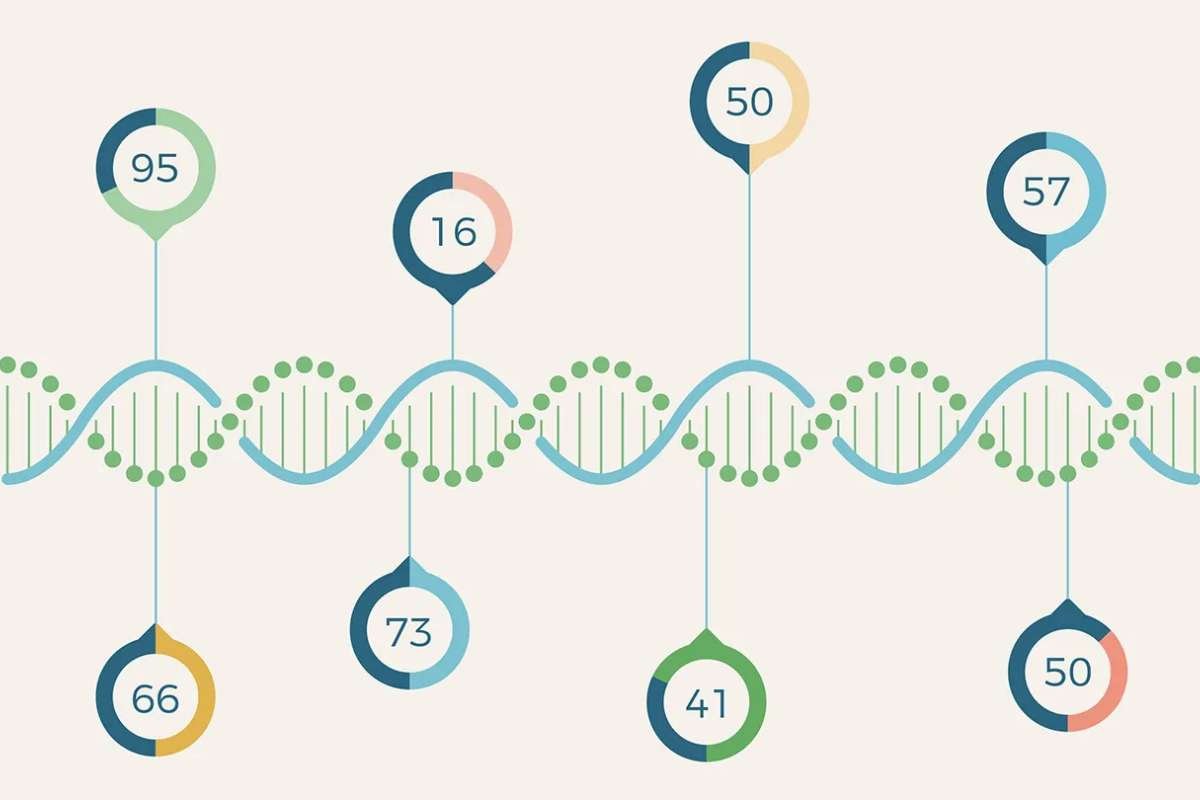
Epigenetic clocks measure molecular markers called epigenetic changes, which shift over time in response to lifestyle, stress, and environmental exposure. Scientists analyze DNA collected through blood or saliva samples and apply statistical models to estimate biological aging.
“These clocks are powerful tools for studying aging across large populations,” biobehavioral health researchers said in recent scientific commentary. “But they were never designed to diagnose or evaluate individual health.”
Researchers say the technology helps scientists understand how behaviors such as exercise, diet, sleep, and smoking influence aging trends across groups of people.
Researchers Warn Tests Produce Inconsistent Individual Results
Scientists emphasize that biological age scores can vary widely for individuals because no single standardized method exists.
There are dozens of epigenetic clocks, each designed for different purposes, including predicting chronological age, disease risk, or mortality. Results often differ even when multiple clocks analyze the same person.
Short-term factors also influence results. Illness, environmental exposure, diet changes, or even the time of day can alter epigenetic measurements, making single test results unreliable indicators of long-term health.
“Epigenetic changes are dynamic,” researchers said. “An individual’s estimated age may fluctuate significantly depending on when and how the test is performed.”
Differences in laboratory methods further complicate accuracy. Tests using saliva samples may produce different outcomes than those using blood samples, and evolving measurement technologies can affect how algorithms interpret data.
Scientists also note that aging itself lacks a universally accepted definition. Reducing a complex biological process to a single number may oversimplify health risks and create misleading conclusions for consumers.
Experts Highlight Ethical Risks and Research Value
Beyond accuracy concerns, researchers warn that individual biological age scores could worsen social inequities if misused by insurers or employers.
Epigenetic clocks reflect lifelong experiences, including stress, trauma, and discrimination. Studies show marginalized communities often exhibit signs of accelerated biological aging due to environmental and social factors rather than personal choices.
“If biological age estimates were used to set insurance premiums, people could be penalized for circumstances beyond their control,” researchers said.
Despite limitations for consumers, scientists stress that the technology remains valuable for research. Epigenetic clocks have helped identify habits associated with slower aging, including regular exercise, balanced diets, sufficient sleep, and avoiding smoking.
Researchers also use the tools to test anti-aging therapies. Early studies suggest drugs such as rapamycin and treatments aimed at regenerating immune tissues may influence biological aging markers when analyzed across groups.
Experts say epigenetic measurements may eventually inform personal health decisions as methods improve. For now, they advise consumers to view commercial biological age tests cautiously.
“Epigenetic clocks are advancing aging science,” researchers said. “But at present, they are research instruments, not medical tests for individual diagnosis.”