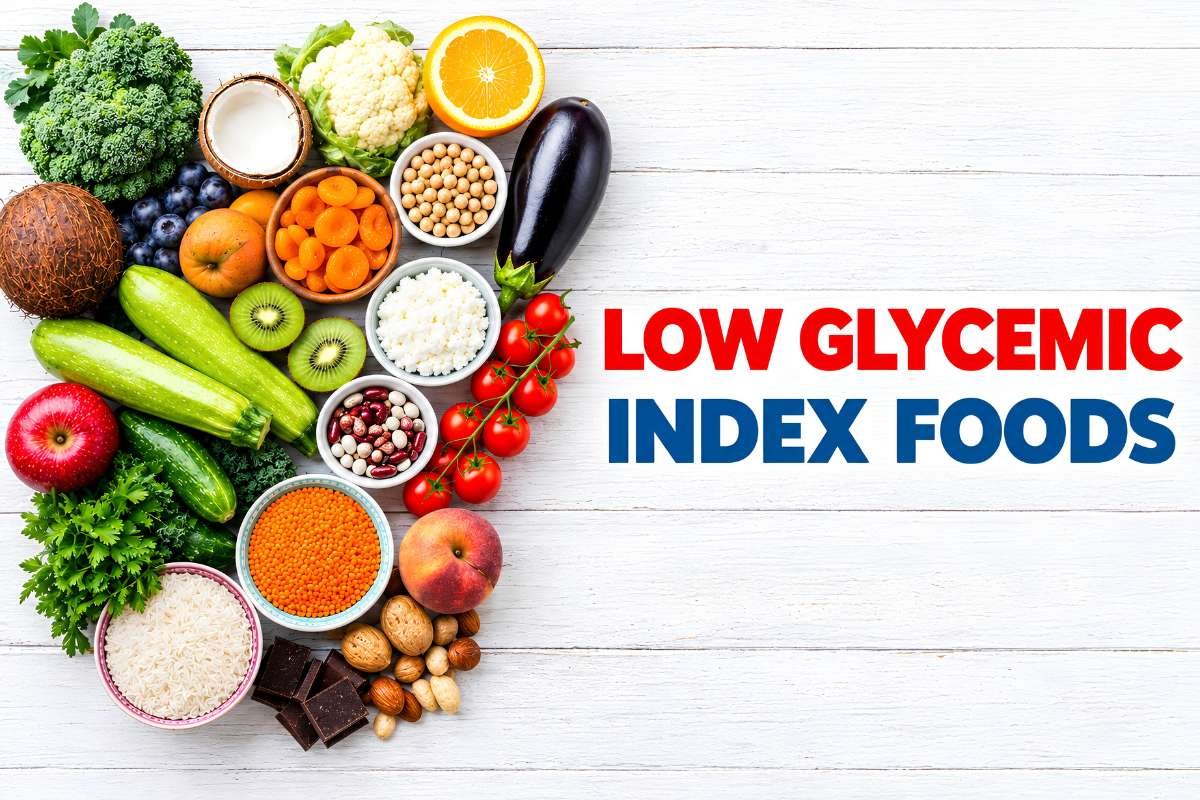
Looking for low glycemic index foods? Start with lentils, beans, non-starchy vegetables, whole fruits, and selected whole grains. But don’t judge a food by GI alone. The glycemic index measures how quickly a carbohydrate-containing food raises blood glucose: 55 or below is low, 56–69 is medium, and 70 or above is high, per Mayo Clinic’s thresholds. But GI ignores portion size, which is where glycemic load (GL) comes in. It accounts for both the food’s GI and the amount of available carbohydrate in a serving.
This guide covers common low-GI foods, plus the GI-versus-GL framework you need to apply it. By the end, you’ll know which foods fit your meals, portions, and goals. Not just which ones make the list.
What Are Low Glycemic Index Foods? Start With These Everyday Choices
Low glycemic index foods are carbohydrate-containing foods that produce a relatively slower, smaller rise in blood glucose after you eat them.
How the GI scale works
- Low GI: ≤55
- Medium GI: 56–69
- High GI: ≥70
These cut-offs are used in international GI tables and clinical guidance to group foods by their blood-sugar impact.
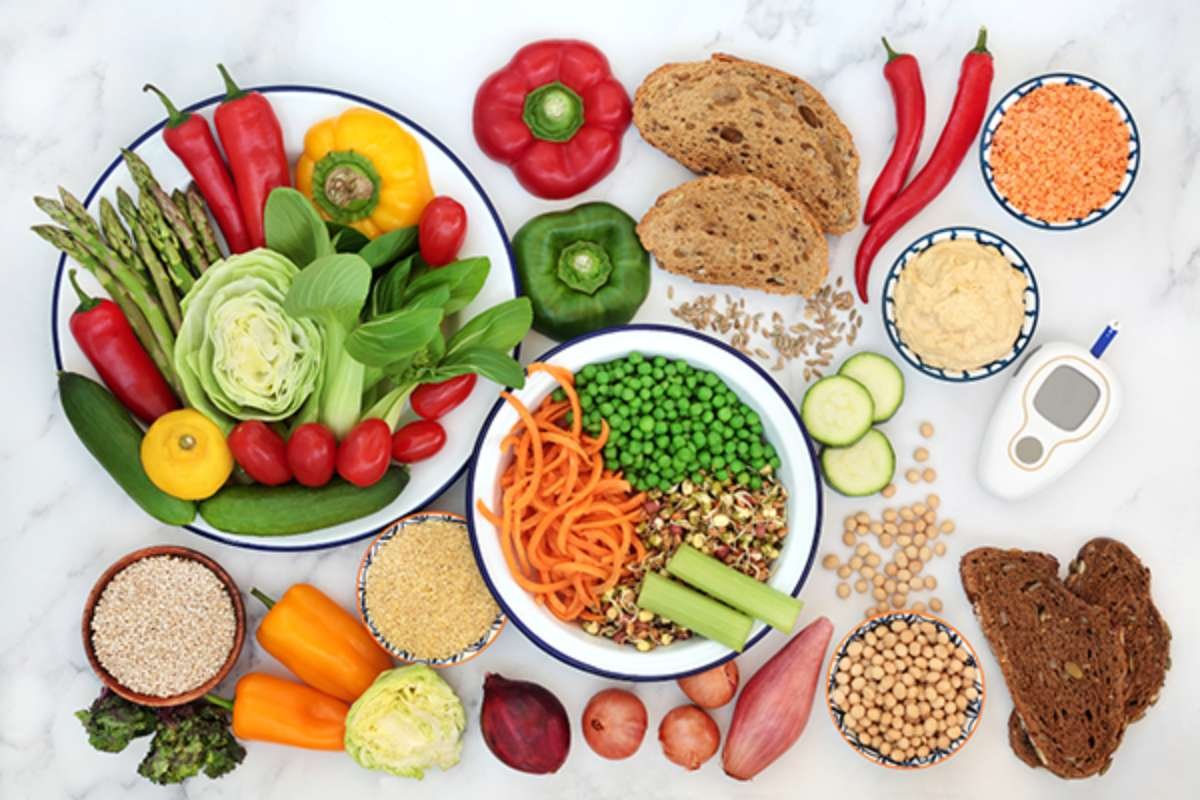
Best everyday low-GI choices to start with
If you want simple, practical options, begin with:
- Lentils
- Chickpeas
- Kidney beans
- Non-starchy vegetables (e.g., broccoli, spinach, peppers)
- Many whole fruits (e.g., apples, berries, oranges)
- Plain yoghurt and milk
- Barley
- Less-processed oats such as steel-cut or rolled oats often have a lower glycemic impact than more highly processed varieties, although preparation and serving size also matter.
- Some whole-grain and minimally processed carbohydrate foods (e.g., sourdough, basmati rice, certain whole-grain pastas)
International GI databases show that legumes, dairy products and many fruits are often low-GI, while rice and breads can vary widely depending on type and processing.
When you plan meals around Low Glycemic Index Foods, you’re mainly choosing carbs that digest more slowly and blunt post-meal glucose spikes.
Important warning
Low GI describes a food’s blood-glucose response, not its overall nutritional quality. A low-GI food can still be high in calories, saturated fat, or added sugar. And a high-GI food can be nutrient-dense (for example, some fruits or starchy vegetables). Use GI as one tool alongside fibre, protein, micronutrients, and portion size. Especially if you’re building a diet for diabetes, choosing high-fibre foods, or supporting foods for gut health.
GI vs Glycemic Load: Why the Number on the Food List Isn’t Enough
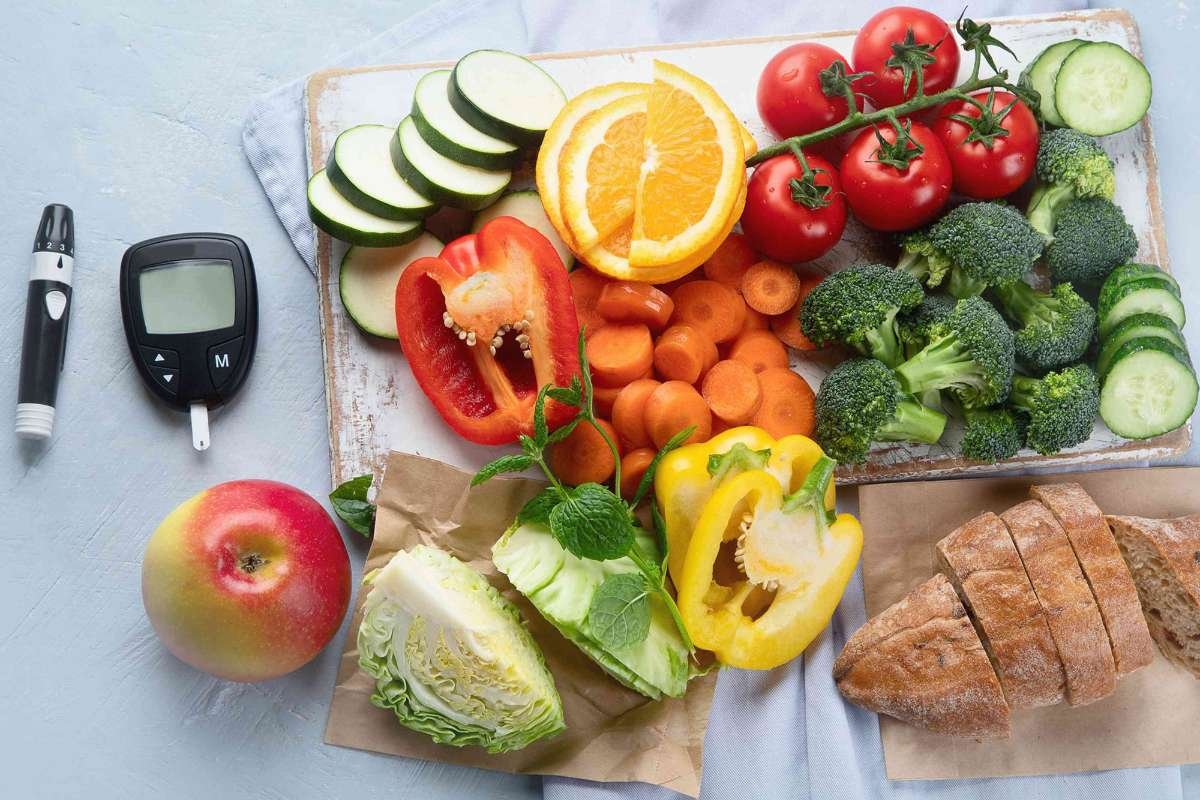
GL combines a food’s GI with the amount of available carbohydrate in a serving, giving you a better sense of the potential glycemic impact of that portion.
GI vs GL in one line
- GI asks: “How quickly does this carbohydrate raise blood glucose?”
- GL asks: “How much glucose-raising carbohydrate am I getting in this portion?”
GL is calculated as:
GL = (GI × available carbohydrate in a serving) ÷ 100
Mayo Clinic and other clinical sources emphasise that GL fixes GI’s main limitation by accounting for portion size.
GL categories (per serving)
- Low GL: 1–10
- Medium GL: 11–19
- High GL: 20+
These bands help you judge the real blood-sugar impact of a typical serving, not just the food’s inherent speed.
Why the number on the list isn’t enough
A high-GI food isn’t automatically a high-GL meal, and a low-GI food isn’t automatically low-GL. Watermelon, for example, can have a high GI but a low GL in a small serving. A large portion of a low-GI grain can still deliver a high GL.
That’s why portion size matters. When you choose low glycemic index foods, you still need to check typical serving sizes and total carbs to estimate GL accurately.
This also explains why “whole grain” doesn’t automatically mean low GI or low GL. Processing, type, and portion all shift the result. For more on that, see whole grain vs refined grain. If you’re focused on glucose management, pair this with a structured diet for diabetes.
Low Glycemic Index Foods List: Fruits, Vegetables, Grains, Legumes and More
This section organises low-GI options the way you actually shop and plate meals, not as a raw database dump.
Low-GI fruits
- Apples
- Pears
- Oranges
- Grapefruit
- Berries (strawberries, blueberries, raspberries, blackberries)
- Cherries
- Plums
Choose whole fruit over juice. Fruit juice removes fibre and can raise blood glucose much faster, even if the original fruit is low GI.
Low-GI vegetables
- Leafy greens (spinach, kale, romaine)
- Broccoli
- Cauliflower
- Cucumber
- Tomatoes
- Green beans
- Peppers
- Mushrooms
Most non-starchy vegetables contain little available carbohydrate, making GI less useful as a standalone measure for them. Their fibre and overall nutrient density still make them valuable components of balanced meals.
Legumes
- Lentils
- Chickpeas
- Kidney beans
- Black beans
- Split peas
- Soybeans/edamame
Legumes are generally low GI and provide fibre and plant-based protein.
Grains and starches
- Barley
- Oats (rolled/steel-cut)
- Some whole-grain pasta
- Quinoa
- Selected whole grains
Not every whole grain is low GI. Values vary by product, processing, and cooking method, as international GI tables show.
Dairy, milk alternatives, nuts and seeds
- Plain yoghurt
- Milk
- Unsweetened soy milk
- Almonds, walnuts, peanuts
- Chia, flax, pumpkin seeds
These have little available carbohydrate, so GI isn’t always the most useful metric for them.
When you build meals around low glycemic index foods, start with lentils, chickpeas, vegetables, berries, apples, barley, oats, plain yoghurt, and nuts/seeds as your everyday picks.
How to Build a Low-GI Meal Without Cutting Carbs
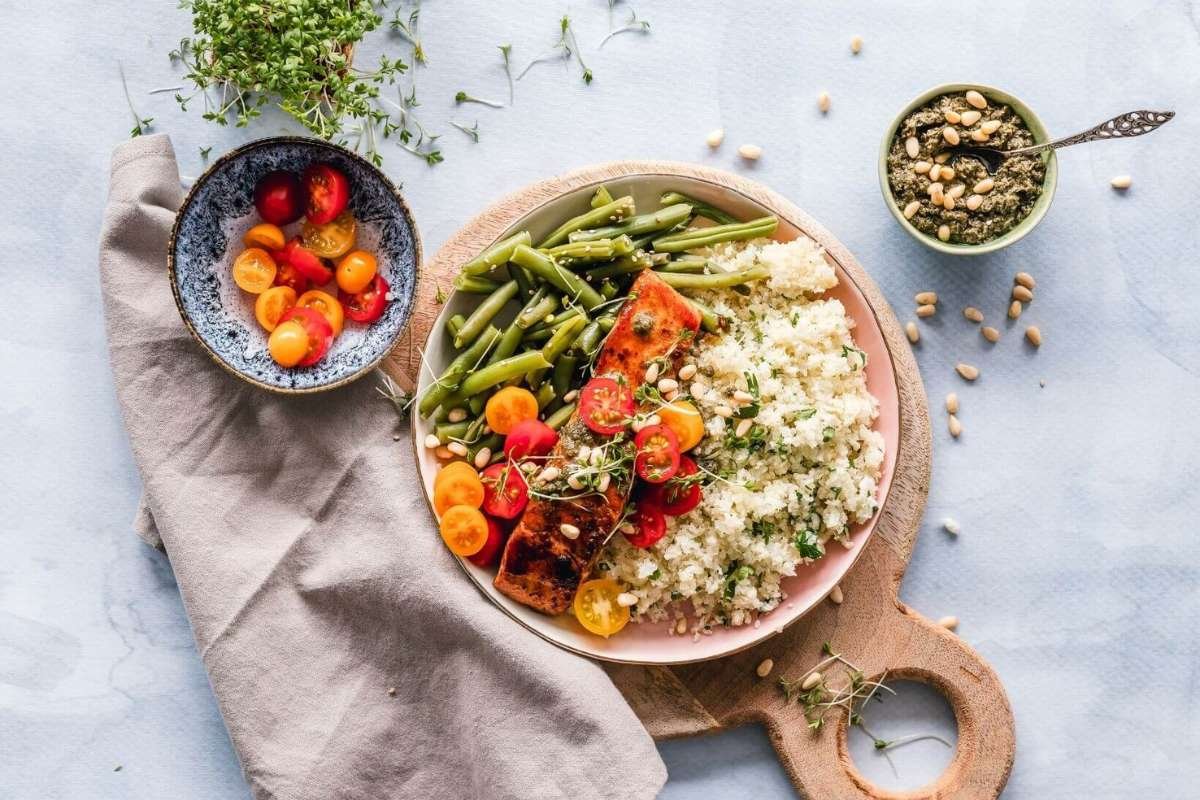
You don’t need to cut carbs to eat low-GI; you just need a simple plate framework that slows glucose release and keeps meals satisfying.
A practical plate framework for lower-glycemic meals
Use this as a practical guide, not a rigid medical prescription:
- ½ plate: non-starchy vegetables
- ¼ plate: protein
- ¼ plate: high-fiber/less-refined carbohydrate
- Plus: healthy fat as appropriate (oil, nuts, seeds, avocado)
This combination can help create a meal with more fibre and protein and a more moderate carbohydrate portion. Research backs this up: in one controlled study, adding 50 g of protein to a meal significantly lowered the glucose response and measured glycemic index (P = 0.0026 for glucose AUC and P = 0.0139 for meal GI)
Example meals
| Meal | What’s on the plate |
| Breakfast | Plain yoghurt + berries + nuts + oats |
| Lunch | Lentils + barley/brown rice (or another whole grain) + mixed vegetables + yoghurt |
| Dinner | Chickpeas/beans or lean protein + large vegetable serving + controlled carbohydrate portion |
Indian-meal examples
Traditional Indian foods fit this pattern well: dal, chana, rajma, millets and vegetables can all form lower-GI meals when portions are managed.
- Dal + vegetable sabzi + controlled rice/roti portion
- Rajma + vegetables + brown rice
- Chana + salad + whole-grain roti
- Vegetable + dal-based khichdi
Starting meals with non-starchy vegetables and including protein and fibre with carbohydrate may help moderate post-meal glucose responses.
Low GI Foods for Diabetes, Weight Management and Everyday Health
Low-GI eating is best viewed as one tool within a broader, sustainable pattern. Not a standalone cure for diabetes, weight, or heart disease.
For diabetes
Choosing more lower-GI carbohydrates can help blunt post-meal glucose rises, which is why Mayo Clinic lists blood-glucose management as one reason people use a low-GI approach. Still, GI should complement, not replace, an individualised diabetes eating plan that accounts for medications, carb targets, and overall diet quality.
For weight management
Fibre-rich, minimally processed foods can increase fullness and improve meal quality, and pairing them with adequate protein often helps. But lower GI alone doesn’t guarantee weight loss; total calorie intake and the overall dietary pattern matter most. As some clinicians note, a low-GI food can still be calorie-dense or nutritionally poor, so portion size and food quality remain key.
For heart health
Heart health depends on the overall dietary pattern, including more vegetables, fruits, legumes, nuts, whole grains, and unsaturated fats, and fewer refined carbohydrates and saturated fats, not GI alone. This is why evidence-based patterns like the Mediterranean diet and the DASH diet are often recommended; they naturally include many low-GI foods while targeting blood pressure, lipids, and inflammation.
For general energy
Swapping highly refined carbs for fibre-rich, minimally processed alternatives can support steadier energy by slowing digestion and glucose absorption. Avoid the oversimplified claim that every glucose fluctuation causes an “energy crash”; sleep, hydration, activity, and meal timing also shape how you feel.
When you build meals around Low Glycemic Index Foods, think “better carbs within a better pattern,” not “GI fixes everything.”
Common Low-GI Mistakes: What the Food Lists Don’t Tell You
Low-GI lists are useful, but they can mislead if you treat them as a health checklist instead of one piece of a bigger picture.
Mistake 1: Assuming low GI = healthy
Some foods can have a relatively low GI without being good everyday choices. As clinicians note, items like certain desserts, fried foods, or processed snacks. They may score modestly on GI yet be high in calories, saturated fat, or added sugar. So “low GI” doesn’t automatically mean “healthy.”
Mistake 2: Ignoring portion size
A low-GI food in a large portion can still deliver a high glycemic load (GL). Revisit the GL formula: (GI × carbs per serving) ÷ 100. This helps to see why serving size often matters more than the GI number alone.
Mistake 3: Avoiding all high-GI foods
GI is one tool, not a forbidden-food list. Some higher-GI foods (e.g., certain fruits, starchy vegetables) can fit into a balanced pattern when portions and overall diet quality are sound.
Mistake 4: Assuming all whole grains are low GI
International GI tables show wide variation: “whole grain” on the label doesn’t guarantee low GI. Finely milled whole-grain flours and some breads can still spike glucose despite being whole grain.
Mistake 5: Treating fruit as “too sugary”
Most whole fruits are low to medium GI and fit well into healthy eating patterns. Major sources emphasise fruit as a useful part of a low-GI approach, especially in whole form rather than juice.
Mistake 6: Ignoring the rest of the plate
A carbohydrate’s impact doesn’t exist in isolation. Protein, fat, fibre, and non-starchy vegetables all blunt post-meal glucose rises, so meal composition matters as much as the GI value.
Conclusion:
Low glycemic index foods give you a practical starting point. It is not a rulebook. Lentils, beans, non-starchy vegetables, whole fruits, and select whole grains form a solid everyday base. But GI works best alongside glycemic load, portion size, and overall meal quality. A low-GI label doesn’t guarantee a food is healthy, and a higher-GI food isn’t automatically off-limits. What matters is the whole plate: fibre, protein, healthy fats,s and portions working together to keep blood sugar steadier and energy more consistent.
Use the lists and frameworks here as a flexible guide. You can adjust them to your own goals and health needs, and build meals that work for you, one plate at a time.
FAQ:
1. What are the best foods with a low glycemic index?
Good low glycemic index foods include lentils, chickpeas, beans, many non-starchy vegetables, whole fruits, barley, and some less-processed grains. They can help support a lower-glycemic eating pattern, but portion size and overall meal composition still matter.
2. Can a low-GI food still raise blood sugar?
Yes. Low GI doesn’t mean a food does not affect blood glucose. Portion size matters, which is why glycemic load can provide additional context. A large serving of a low-GI food can still contribute a substantial amount of carbohydrate.
3. Are eggs high in glycemic?
Eggs don’t have a meaningful GI because they contain very little carbohydrate. Rather than assigning them a GI score, consider eggs a protein-rich food that can be paired with carbohydrate-containing foods.
4. Is oatmeal a low glycemic index food?
Some types of oatmeal have a relatively low or moderate GI. But the result can vary with processing, cooking time, and added ingredients.
5. Does cooking change the glycemic index of food?
Yes. Cooking and processing can change the structure of starch and affect how quickly carbohydrates are digested.