Key Takeaway:
- Both diets support weight loss: Med-South and Weight Watchers produce similar weight-loss results over two years.
- Med-South improves diet quality: It emphasizes fruits, vegetables, whole grains, nuts, seeds and fish.
- Sustainable habits matter: The program focuses on practical dietary changes rather than detailed food tracking.
A University of North Carolina study finds that a Mediterranean diet-style approach and Weight Watchers both help adults lose weight over two years, but the Med-South program produces greater improvements in diet quality through healthier eating habits.
Med-south matches weight watchers on weight loss
The randomized DELISH study compares Med-South, a Southern adaptation of the Mediterranean diet, with Weight Watchers, now known as WW. The trial enrolls 360 adults and follows participants for two years, with weight assessed at four, 12, and 24 months.
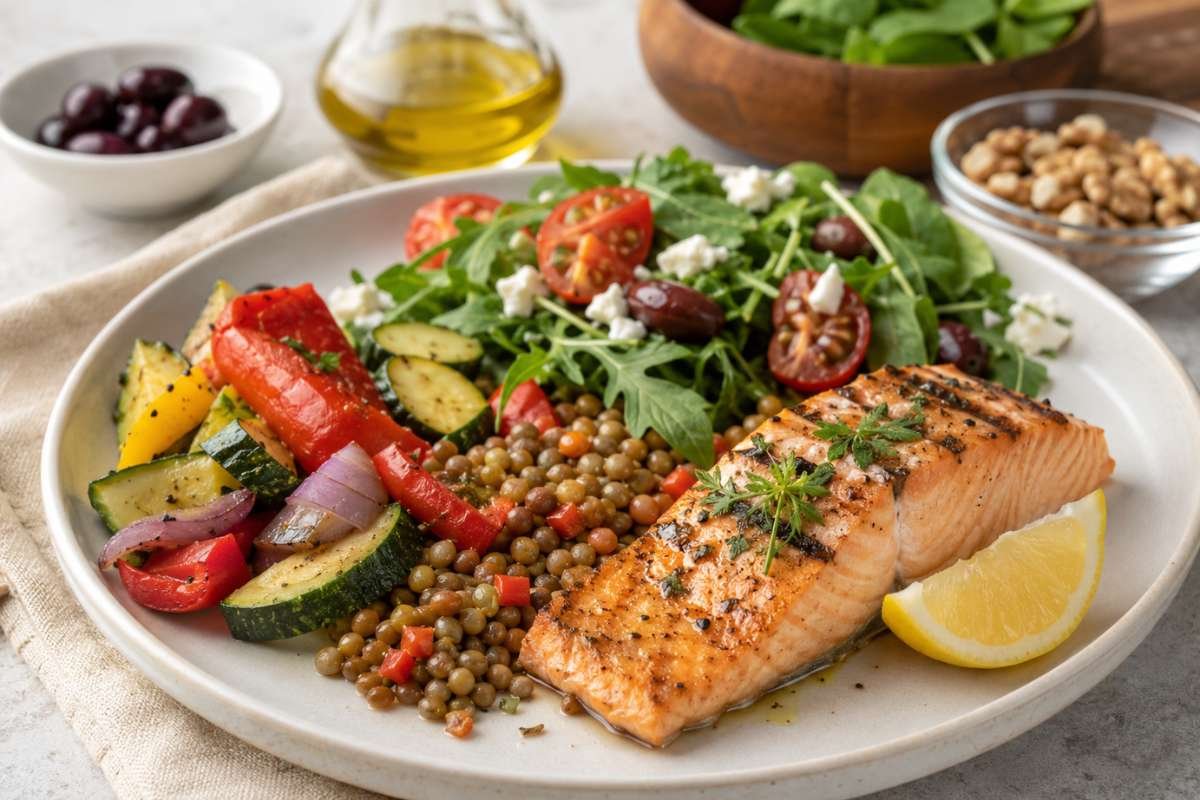
Med-South emphasizes fruits, vegetables, beans, whole grains, nuts, seeds, fish, and vegetable oils while reducing sugar-sweetened beverages and refined grains. The program is designed to fit Southern food preferences rather than require participants to abandon familiar foods.
Both programs use counseling to support weight loss, but their approaches differ. Med-South emphasizes gradual changes in overall eating patterns, while WW combines workshops with a digital platform that helps users track food and activity.
Thomas Keyserling, a UNC researcher and co-leader of the Med-South program, said the approach was designed to help people adopt healthier eating patterns that can be maintained over time. UNC developed the program specifically to make Mediterranean-style eating more practical for people in the southeastern United States.
Healthy food choices remain the focus
The Med-South intervention unfolds in three phases: four months focused on establishing healthier eating habits, eight months centered on weight loss, and a final year focused on maintaining or continuing weight loss. Counseling includes in-person sessions and telephone follow-ups.
The program encourages practical changes, such as replacing white bread and white rice with whole-grain options and reducing sugary drinks. Recipes also adapt familiar Southern dishes with healthier ingredients.
Emily Case, a registered dietitian at Northwell Health, told The New York Post that the Mediterranean diet can improve overall eating habits in a way that is sustainable. She said the emphasis on whole foods may make people more likely to maintain those habits over time.
A 2026 study involving Med-South participants also validates tools used to assess diet quality among people in the southeastern United States, supporting the program’s focus on measuring healthier eating patterns.
Researchers target obesity and chronic disease
The findings come as obesity remains a major health concern in the United States. Excess weight is associated with conditions including Type 2 diabetes and cardiovascular disease, making sustainable dietary changes an important part of long-term health strategies.
Earlier UNC research found that Med-South could improve diet quality and support modest weight and blood pressure changes. A separate implementation study reported increased consumption of nuts and healthy fats, better fruit, vegetable, and bean intake, and lower consumption of sugar-sweetened beverages.
The study does not show that Med-South produces substantially greater weight loss than WW. Instead, its potential advantage is improving the overall quality of what participants eat while supporting weight-management efforts.
Researchers say the approach may offer a practical alternative for people who want to lose weight without relying primarily on detailed food tracking.