Key Takeaway:
- Ebola outbreak becomes DRC’s deadliest, with at least 2,325 deaths reported.
- Conflict, misinformation, and weak health systems are complicating containment efforts.
- International aid cuts have weakened response capacity, highlighting the importance of global health cooperation.
The DRC Ebola outbreak has killed at least 2,325 people, surpassing the country’s previous record as the Bundibugyo strain spreads amid conflict, weak health infrastructure and reduced international aid.
Outbreak surpasses previous death toll
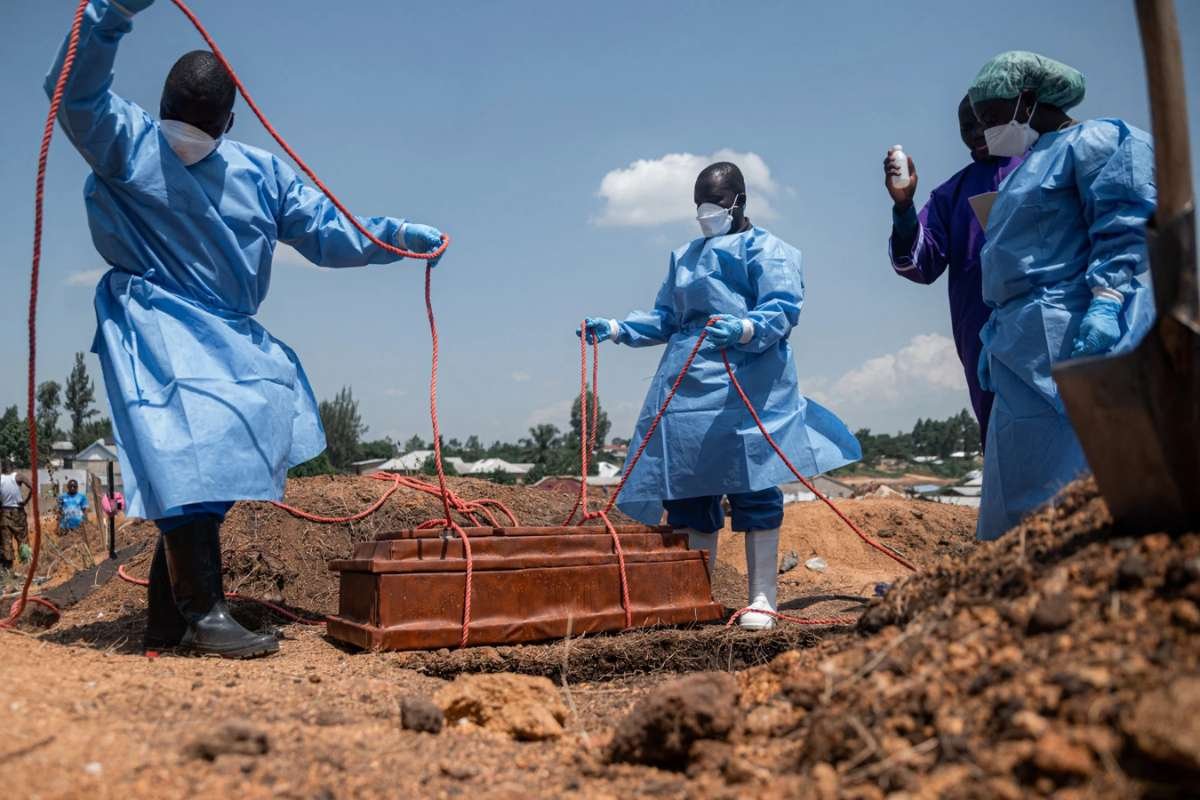
The outbreak, declared May 15, is the country’s 17th Ebola outbreak, following a smaller, contained outbreak in Kasai Province late last year, and has become its deadliest and fastest-growing. As of Aug. 16, authorities reported 4,945 confirmed cases and 2,325 deaths, exceeding the 2,299 deaths recorded during the 2018-20 outbreak.
The outbreak is driven by the rare Bundibugyo virus, which has spread across several provinces. The World Health Organization said the outbreak had expanded to five provinces and 49 health zones by July 30, with sustained transmission and rising deaths.
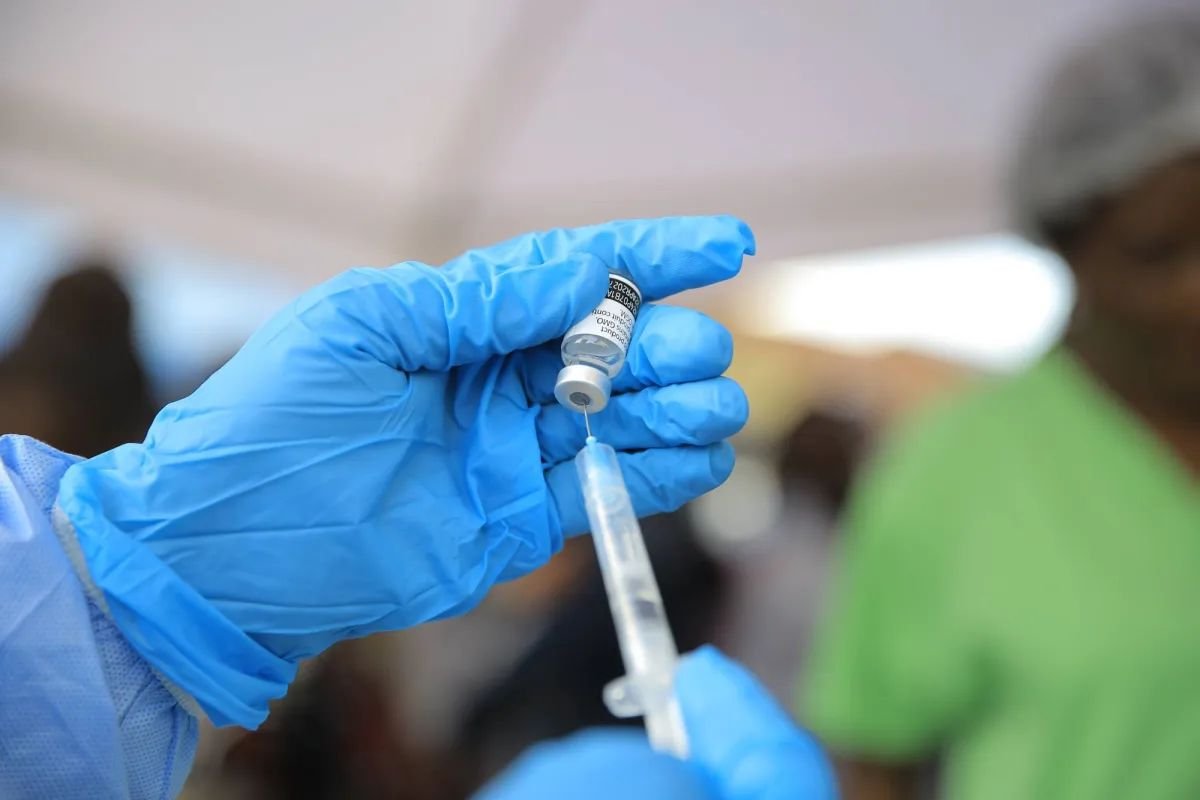
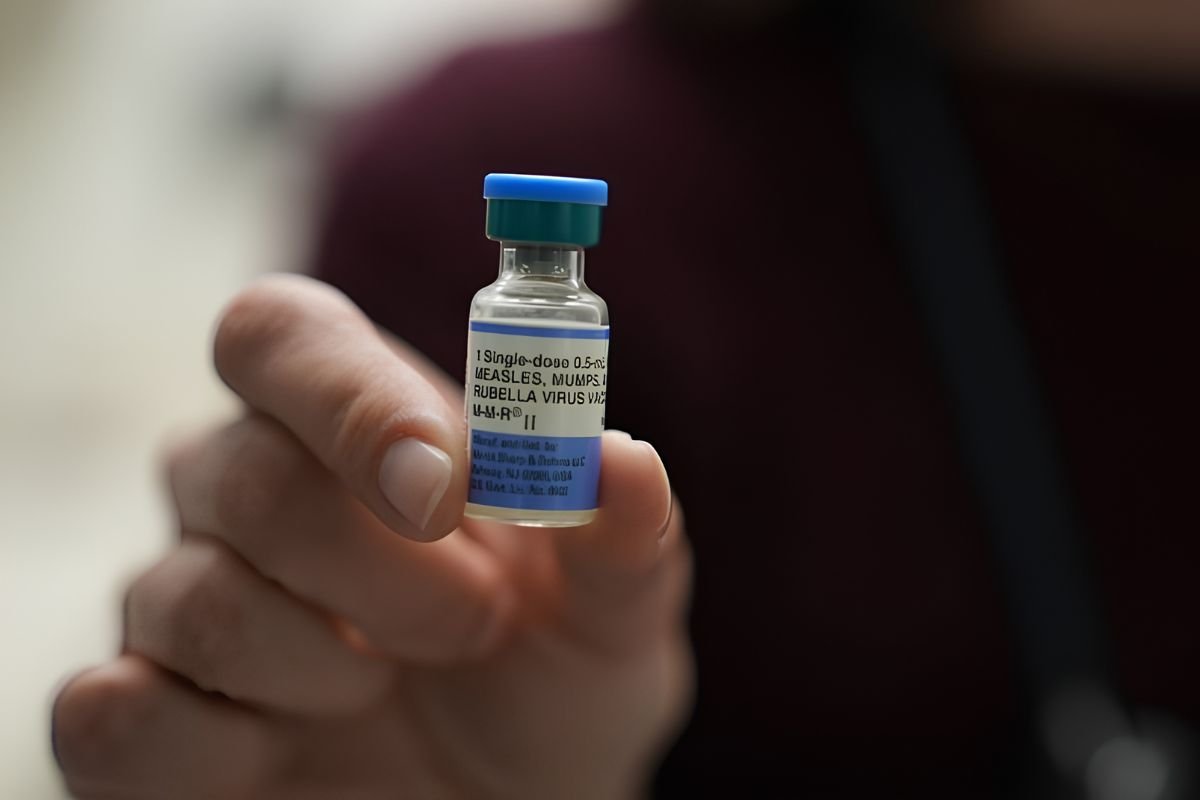
Unlike some other Ebola strains, there are no approved vaccines or treatments specifically for Bundibugyo virus. Experimental vaccines and treatments are being evaluated, while health authorities focus on surveillance, diagnosis, treatment, and community engagement.
Conflict and misinformation complicate response
Health workers face major obstacles in eastern Congo amid the DRC Ebola outbreak, including armed conflict, population displacement and limited health infrastructure. Misinformation and distrust have also contributed to attacks on treatment centers and made contact tracing more difficult.
The WHO said in May that insecurity and inadequate isolation and referral systems were already complicating the response. Uganda, which recorded imported Bundibugyo cases linked to Congo, has reported no new cases since June 21, according to the WHO.
The rapid rise in reported deaths also reflects expanded surveillance and testing, but health officials say much of the increase represents continued transmission. The WHO reported 1,587 deaths among 3,605 confirmed cases in Congo as of July 30.
Aid cuts weaken global health response
The Guardian editorial argues that cuts to international aid have weakened Congo’s ability to respond and reduced the global capacity to manage health emergencies. It points to the United States’ dismantling of the U.S. Agency for International Development under President Donald Trump and reduced contributions to international health efforts.
The editorial contrasts the current response with the 2014-16 West Africa Ebola epidemic, when the United States under President Barack Obama helped mobilize an international response. USAID supported health-worker training, contact tracing and other containment efforts during that crisis.
The United Kingdom, Germany and France also have reduced or reconsidered foreign aid commitments, according to the editorial. The Guardian argues that the retreat from international health financing leaves vulnerable countries less prepared for outbreaks that can spread beyond national borders.
The current crisis is now drawing additional international support. The United Nations has released $30.5 million from its emergency fund, while the World Health Organization expands staffing and response operations in Congo.
WHO officials have emphasized the need for a coordinated response as transmission continues. The agency declared the outbreak a public health emergency of international concern in May and has continued working with Congo, Uganda and other partners.
The DRC Ebola outbreak underscores the continuing importance of surveillance, trained health workers, treatment capacity and international cooperation. With transmission accelerating, health authorities face pressure to expand those efforts before the epidemic grows further.