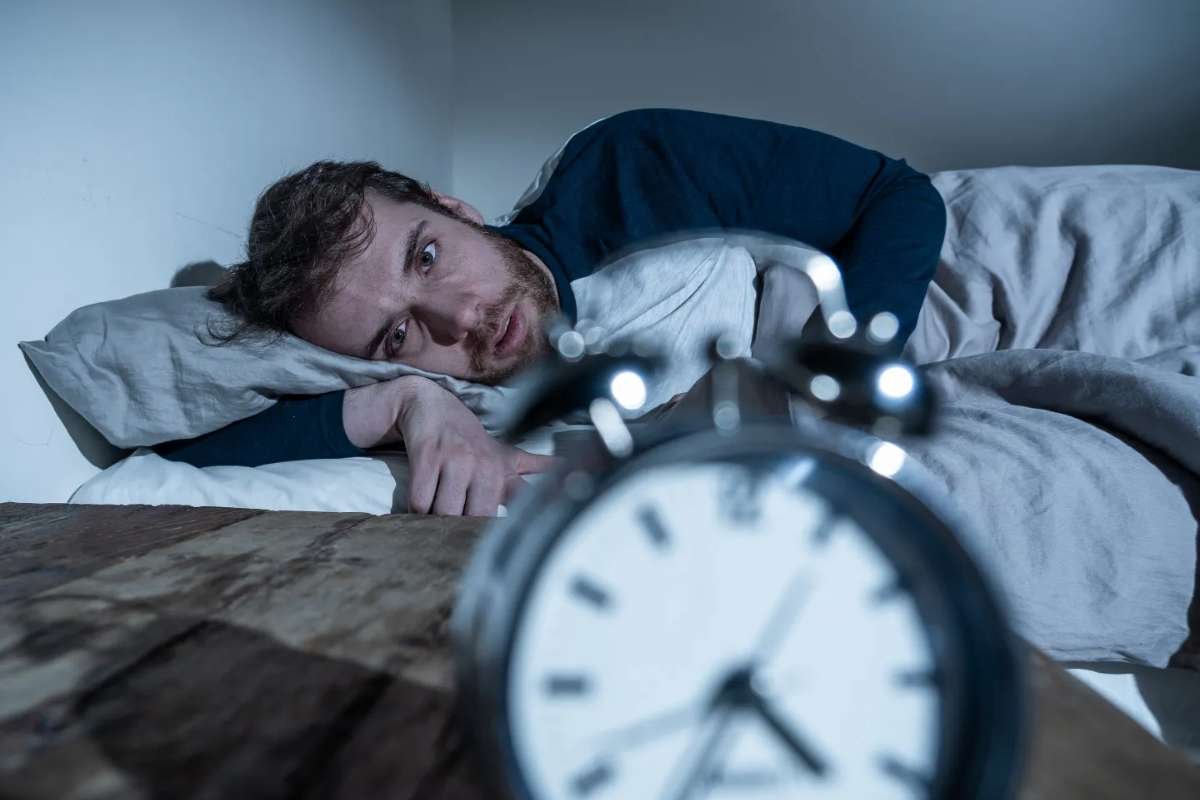
Sleep deprivation emotional dysregulation weakens emotional control, making stress, irritability, and impulsive reactions more likely. Learn the brain science behind it, recognize key symptoms, understand recovery timelines, and discover evidence-based strategies to restore emotional balance and resilience.
Have you ever had one of those nights where you can’t sleep and every little annoyance is magnified? The link between sleep deprivation and emotional dysregulation is clear: as sleep is reduced, the brain’s ability to regulate mood, control impulses, and cope with stress deteriorates rapidly, increasing the likelihood of irritability and emotional reactivity. Studies show just one night of poor sleep boosts amygdala reactivity by over 60% and weakens emotional regulation. Losing even 1–2 hours consistently lowers positive mood and raises anxiety, while getting under 6 hours nightly increases frequent mental distress by up to 40% and impairs decision-making.
In this guide, you’ll learn about the effect of sleep on emotional regulation, why it matters for daily functioning, and practical steps to help bring balance back.
Table of Contents
What is sleep deprivation emotional dysregulation?
Sleep deprivation emotional dysregulation means having a harder time managing emotions after too little sleep. In simple terms, emotional dysregulation in adults happens when feelings like irritability, anxiety, or frustration become stronger, last longer, or are harder to calm down; sleep loss can make that more likely. The effect may be temporary after one bad night, but chronic sleep loss can make emotional control problems more persistent and noticeable. Sleep matters because it supports the brain systems that help you stay calm, think clearly, and respond instead of react.
Temporary vs chronic
A temporary sleep problem may cause a short mood dip, more impatience, or low frustration tolerance the next day. Chronic poor sleep can build up over time and make emotional regulation harder regularly, especially under stress.
Why it matters
When sleep is disrupted, the brain is less efficient at regulating emotional responses and behavior, which can affect relationships, work, and decision-making. That is why Sleep deprivation emotional dysregulation are more than feeling “grumpy.” It can change how you handle daily pressure.
Why does sleep loss change your emotional brain? The link between sleep deprivation emotional dysregulation
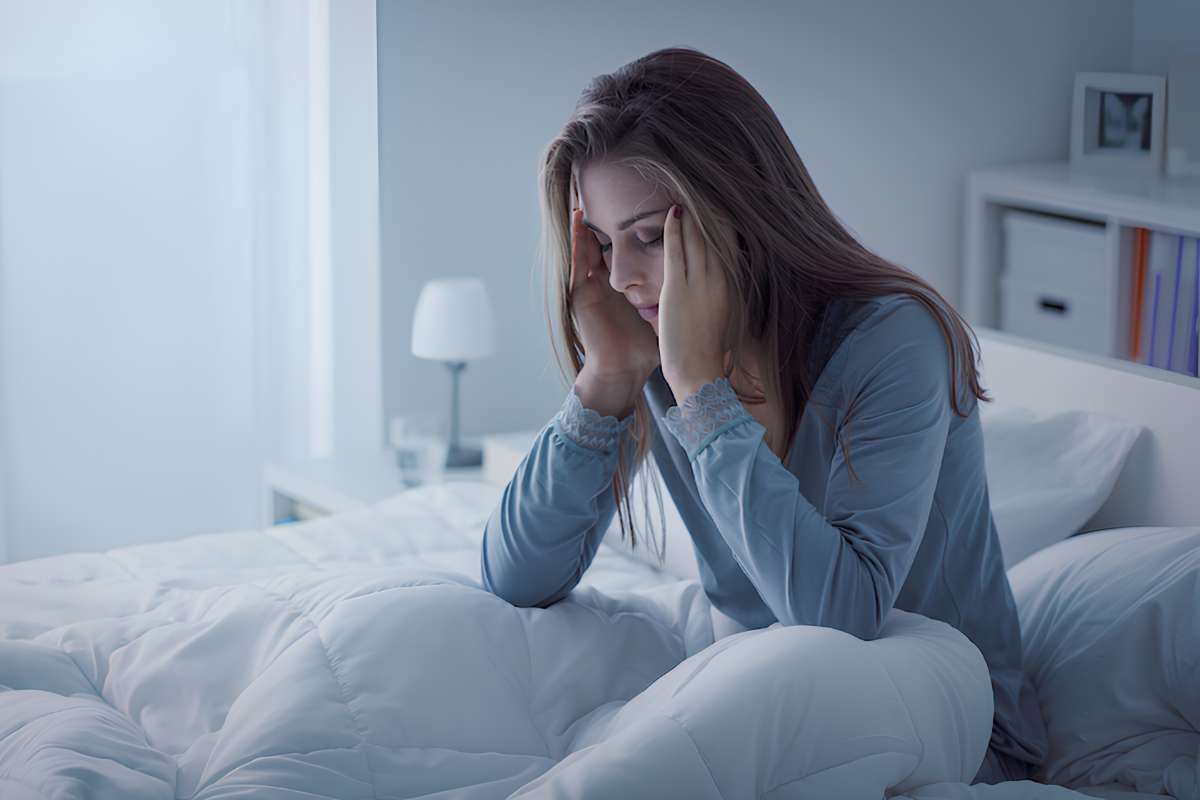
When you are short on sleep, two key brain systems shift in ways that make emotions harder to manage. The amygdala, the brain’s alarm center for threat and strong feelings, becomes more reactive. At the same time, the prefrontal cortex, which acts like a “brake” to calm and reason through emotions, works less effectively. This weaker top-down control means small stressors can feel bigger and reactions become more intense.
Less REM sleep also matters because it normally helps “reset” emotional circuits and process emotional memories in a calmer way. During REM, stress hormones and noradrenaline levels drop, which helps strip excess emotional charge from upsetting memories. Without enough REM, emotional memories stay more “raw,” and the brain is primed for higher stress. Research using brain imaging shows that sleep deprivation reduces prefrontal–amygdala connectivity and increases amygdala reactivity, which helps explain why people feel more irritable and less resilient after poor sleep.
How REM sleep supports emotional recovery
REM sleep is the stage most linked to emotional recovery. During this phase, the brain reactivates emotional memories while stress chemicals are low, allowing the intensity of those memories to fade. This process helps you wake up feeling less overwhelmed by yesterday’s stress.
The connection between sleep and heart rate variability
Heart Rate Variability reflects how well your nervous system switches between stress and calm. Good sleep supports higher HRV, which is linked to better emotional control. Poor sleep reduces this flexibility, making it easier to feel stressed and harder to settle down. This reduced autonomic balance is one pathway through which Sleep deprivation emotional dysregulation can build over time.
Signs your emotions are being affected by poor sleep:
You may notice your emotions feel “bigger” or harder to control after a bad night. Common signs that poor sleep is affecting your mood include:
- Anger or irritability that feels out of proportion to what happened
- More impulsivity, like snapping at people or making rash decisions
- Heightened anxiety or a constant sense of unease
- Crying more easily, even over small things
- Low patience and frustration tolerance
- Poor concentration and mental fog
- Emotional numbness or feeling “flat” and disconnected
Normal tiredness vs emotional dysregulation
Normal tiredness feels like physical fatigue: you are slow, yawning, and want to rest, but your mood and reactions are still mostly in your control. You might feel a bit grumpy, but you can still calm yourself and think clearly after a short break.
Sleep deprivation and emotional dysregulation go further: emotions feel intense, frequent, or hard to manage even when you know you are reacting too strongly. You may feel overwhelmed by small stressors, unable to “talk yourself down,” or notice mood swings, tearfulness, or anger that surprises you. If these patterns happen most days with poor sleep, it is more than just being tired. It suggests your emotional regulation system is being affected by sleep loss.
Can better sleep restore emotional balance?

Yes. Improving sleep can help your brain regain control over emotions, but the timeline depends on how long and how severely you have been short on sleep.
“Sleep is the single most effective thing we can do to reset our brain and body health each day,” says neuroscientist Dr. Matthew Walker, emphasizing that adequate rest is foundational for emotional stability and cognitive function.
Recovery timeline
- One night: After a single poor night, many people notice mood, irritability, and anxiety improve within 24–48 hours once they get a full, good-quality night of sleep. Emotional reactions feel less intense, and patience returns.
- One week: With several nights of consistent, adequate sleep (7–9 hours for most adults), emotional stability, stress tolerance, and concentration usually improve further. The brain’s “calming” circuits start working more efficiently again.
- Chronic deprivation: If you have been sleep-deprived for weeks or months, recovery takes longer. Mood and emotional control can improve within a few weeks, but full restoration of energy, focus, and stress resilience may take several weeks to months of regular, quality sleep.
Myths: Can you “catch up” on sleep?
You can partially repay short-term sleep debt with extra sleep on weekends or an early bedtime, which helps alertness and mood. However, you cannot fully “erase” long-term sleep loss with one or two long sleeps. Research suggests it may take up to four days to recover from just one hour of lost sleep, and chronic sleep debt needs many consistent nights, not occasional catch-up.
Improving sleep won’t fix every emotional problem, but it is a key lever for reducing sleep deprivation, emotional dysregulation, and building a more stable emotional baseline.
How to fix sleep deprivation emotional dysregulation with evidence-based ways:
Improving sleep and emotional control often go hand in hand. The strategies below are ranked by strength of evidence for helping both sleep quality and emotional stability.
Strong evidence
- Consistent sleep schedule: Going to bed and waking up at the same time every day stabilizes your body clock, improves sleep depth, and reduces mood swings.
- CBT-I (Cognitive Behavioral Therapy for Insomnia): Structured therapy that targets thoughts and habits around sleep; it improves sleep onset, maintenance, and daytime mood.
- Regular exercise: Moderate aerobic or strength exercise most days improves sleep quality and reduces anxiety and irritability.
- Morning light exposure: Getting bright light soon after waking helps regulate circadian rhythms, making it easier to fall asleep at night and feel more balanced during the day.
- Stress reduction: Techniques like problem-solving, journaling, or structured worry time lower pre-sleep arousal and emotional reactivity.
Moderate evidence
- Mindfulness and meditation: Regular practice can improve sleep quality and reduce emotional reactivity, though effects vary by person.
- Relaxation techniques: Progressive muscle relaxation, breathing exercises, or guided imagery help calm the nervous system before bed.
- Limiting alcohol: Reducing evening alcohol improves sleep continuity and next-day emotional stability.
Emerging evidence
- Sleep and HRV wearables: Track patterns and provide feedback, but long-term benefits for emotional regulation are still being studied.
- HRV biofeedback: Early studies suggest it may support stress resilience and sleep, but more research is needed.
Interventions for emotional wellness:
- CBT vs. DBT: CBT targets unhelpful thoughts to ease stress and sleep deprivation-related emotional dysregulation; DBT builds skills for impulse control and distress tolerance.
- Therapy vs. Medication: Therapy delivers long-term coping skills, while medication reduces heavy symptoms. Combining both often works best.
- In-Person vs. Teletherapy: Teletherapy matches in-person effectiveness for anxiety and stress with added flexibility, though in-person is ideal for those needing private space or structure.
Conclusion:
Sleep and emotion are intricately connected. Less sleep means the emotional brakes in the brain are weaker, and daily stress feels more intense. The good news is, even small, consistent changes to your sleep can help restore emotional balance over time. You can mitigate the effects of sleep deprivation and emotional dysregulation by protecting your sleep schedule, managing stress, and using evidence-based tools like CBT-I or mindfulness to build a more resilient mood. Begin tonight: Pick one easy change, such as a regular bedtime or a short wind-down routine, and see how you feel tomorrow.
FAQ:
1. What are the symptoms of extreme sleep deprivation?
Extreme sleep deprivation causes severe mental and physical breakdowns, featuring hallucinations, microsleeps, and profound cognitive impairment.
2. Can lack of sleep cause emotional dysregulation?
Sleep and emotional health are deeply intertwined. Chronic sleep deprivation can intensify anxiety, depression, and emotional dysregulation.
3. What are the symptoms of sleep deprivation psychosis?
Sleep deprivation psychosis is a temporary mental state triggered by going too long without sleep, leading to hallucinations, paranoia, and confusion.
4. How many hours of sleep is considered deprived?
For adults, getting less than 7 hours of sleep in 24 hours is considered insufficient and marks the threshold for sleep deprivation.
5. Which psychological symptom is an indication of sleep deprivation?
Hyperexcitability, irritability, and mood changes are key psychological indications of sleep deprivation.
Links and Source:
- https://my.clevelandclinic.org/health/symptoms/25065-emotional-dysregulation
- https://link.springer.com/article/10.1007/s11920-014-0500-x
- https://pmc.ncbi.nlm.nih.gov/articles/PMC12168795
- https://www.psychologytoday.com/us/blog/dream-catcher/201112/rem-sleep-emotional-regulation-and-prefrontal-cortex