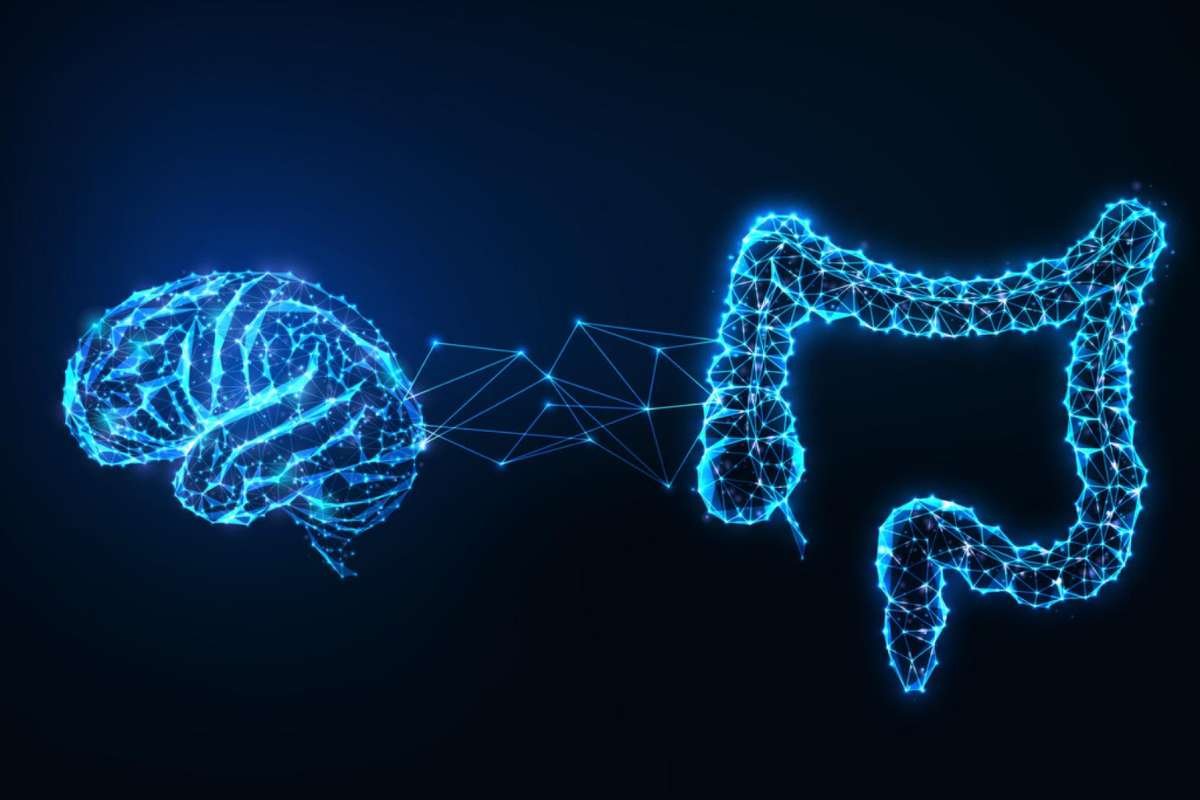
The gut-brain axis and emotional wellness describe how your gut influences mood, stress, and emotional balance via ongoing communication with your brain. Understand how this connection works, identify signs of imbalance, and discover practical, science-based habits to cultivate healthier digestion, greater emotional resilience, and better overall well-being.
Are you anxious for no reason? Or do you feel moody after bad sleep or digestive problems? The Gut-Brain Axis and Emotional Wellness reveals the connection behind these patterns: the gut and brain are in perpetual communication via nerves, hormones, immune signals, and the microbiome.
In simple terms, gut inflammation and microbial imbalance can affect mood, stress response, and emotional stability, while healthier diet patterns may encourage better gut-brain signalling. In this article, you’ll learn what the gut-brain axis is, how it can be thrown off, and what you can do practically to support more stable emotional health.
Table of Contents
What is the gut-brain axis?
The gut-brain axis is the two-way communication system between your digestive system and your brain. In simple terms, your gut can affect how you feel, and your brain can affect how your gut works.
Why your gut is often called the “Second brain”
Your gut has its own network of nerves that helps control digestion and sends signals to the brain. That is why stress, anxiety, or emotional strain can show up as stomach pain, nausea, bloating, or changes in bowel habits.
The role of the microbiome
The microbiome is the community of trillions of microbes living in your gut. These microbes help digest food and may also influence brain signaling, inflammation, and mood-related pathways.
Gut health, emotional wellness, and mental health
For the gut-brain axis and emotional wellness, the key idea is simple: when gut health is out of balance, emotional health may be affected too. Research has linked gut microbiome changes with anxiety and depression, though scientists still say more human studies are needed.
How the gut and brain communicate?
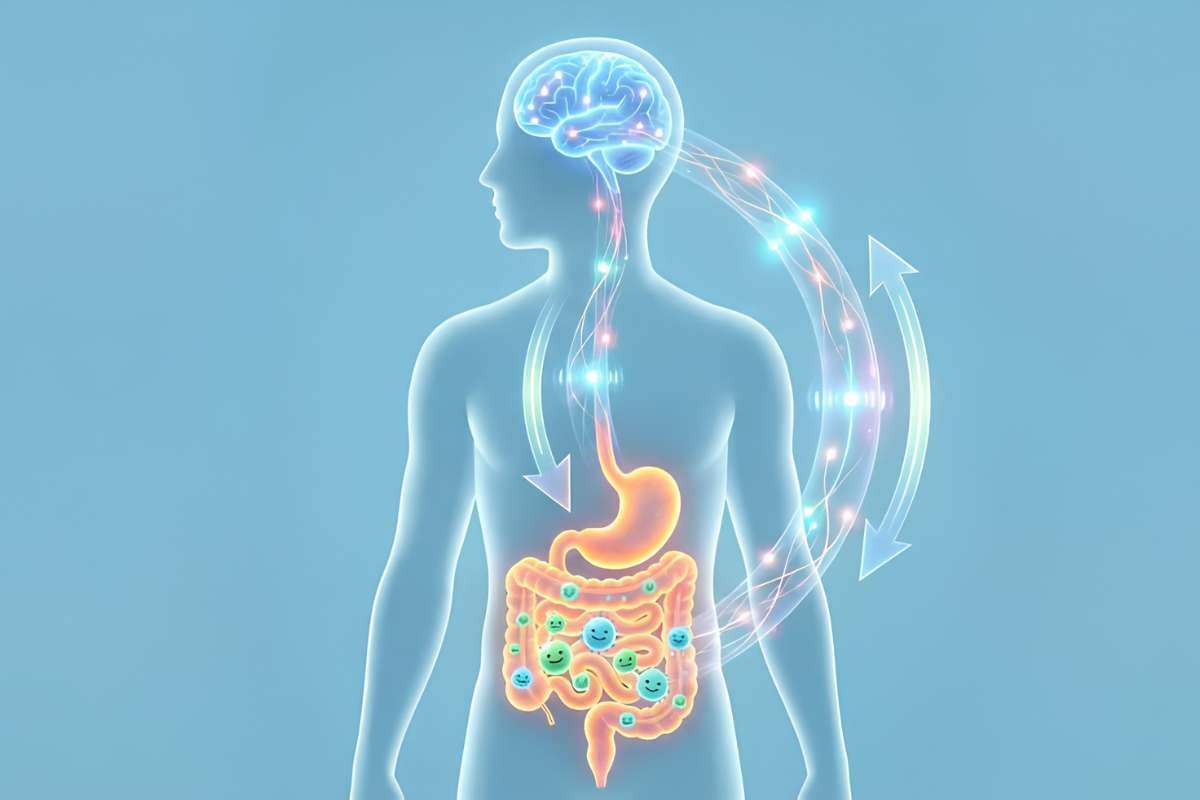
The gut and brain are in constant conversation through a two-way communication network known as the gut-brain axis. Rather than working independently, these two systems continuously exchange information: your brain can alter stomach motility and digestion, while signals originating in your gut travel back up to shape your mood, stress levels, and overall comfort.
Key pathways of communication
This internal dialogue happens through several connected pathways:
- The Vagus Nerve: Acting like a high-speed direct highway, the vagus nerve connects the central nervous system directly to the digestive tract. It carries rapid messages in both directions to adjust digestion, regulate heart rate, and manage physical responses to stress.
- Microbial Neurotransmitters: Trillions of gut bacteria actively produce and influence brain chemicals. This includes precursors and pathways for key neurotransmitters like serotonin (which affects mood and happiness) and GABA (which promotes calmness and focus).
- Hormonal & Inflammatory Signals: Psychological stress directly alters gut motility, stomach acid production, and microbiome balance. When the gut balance is disrupted, inflammatory markers and hormones enter circulation, signaling back to the brain and influencing mental and emotional states.
The role of heart rate variability (HRV)
Because the gut-brain axis operates through the autonomic nervous system, which controls automatic processes like digestion and heart rate. Its balance can actually be measured. Heart Rate Variability tracks the subtle fluctuations in time between heartbeats, reflecting how well your autonomic network shifts between stress and recovery. A healthy, adaptive HRV is often a direct indicator of a well-balanced gut-brain connection capable of handling everyday physical and emotional demands.
How the gut-brain axis support emotional wellness?
The Gut-Brain Axis and Emotional Wellness by keeping communication between the gut and brain active and balanced. When functioning well, this system promotes emotional resilience, steady mood, and faster stress recovery.
Healthy communication builds resilience
The gut-brain axis supports emotional wellness by keeping communication between the gut and brain active and balanced. When functioning well, this system promotes emotional resilience, steady mood, and faster stress recovery.
- Continuous System Communication: Your gut and brain interact constantly through nerves, hormones, and immune pathways. This ongoing exchange helps your body recognize stress, recover quickly, and maintain daily adaptability and self-awareness.
- Stress, Anxiety, and Mood: High pressure can shift your gut bacteria and digestion. Maintaining a healthy gut-brain connection keeps your nervous system grounded and protects mood stability during challenging times.
- Chronic Stress and Nervous System Load: Persistent pressure keeps the body on high alert, disturbing gut function over time. Research on emotional dysregulation in adults shows how chronic stress alters microbial activity, making stress recovery harder and leading to increased irritability and emotional fatigue.
- Hormonal Shifts and Mind-Body Harmony: Hormonal fluctuations directly affect your microbiome, sleep, and energy. Prioritizing emotional wellness in menopause helps manage these shifts as changing hormones alter gut-brain communication, subtly impacting stress tolerance and emotional balance.
Signs your gut may be affecting your emotions:

Digestive trouble often shows up before emotional symptoms do. With IBS, stress, or a disrupted microbiome, you may notice bloating, constipation, diarrhea, cramps, nausea, or a “tight stomach” feeling first.
1. Digestive symptoms that often appear first
Common early clues include frequent gas, abdominal pain, irregular bowel movements, and food-related discomfort. These symptoms can become more noticeable during chronic stress or after antibiotics, which can disturb gut balance.
2. Emotional symptoms to watch for
When the gut is struggling, mood may shift too. Signs can include irritability, lower frustration tolerance, brain fog, poor stress recovery, anxiety, or feeling emotionally “off” after poor sleep or digestive flare-ups.
3. Who is most at risk?
People with IBS are at higher risk because gut symptoms and emotional distress often reinforce each other. Risk also rises with chronic stress, poor sleep, highly processed diets, and recent antibiotic use, all of which can affect gut function and the gut-brain axis.
Ways to support a healthy gut-brain axis naturally:
Eating a wider range of plant foods helps feed different gut microbes, which supports a more diverse microbiome and better gut-brain signaling. For the gut-brain axis and emotional wellness, that diversity may help support steadier mood and resilience over time.
Food choices that support signaling
Prebiotics, probiotics, and fermented foods can help the gut microbiome produce and balance compounds that influence digestion, inflammation, and communication with the brain. In practical terms, they may help the gut send calmer, more stable signals upward.
Sleep and movement
Sleep gives the gut and nervous system time to recover, while daily movement supports digestion, circulation, and stress regulation. Together, they help the body shift out of constant alert mode and into better balance.
Stress tools that help the gut
Slow breathing, mindfulness, and other stress-reduction habits can lower the stress response that often disrupts gut motility and comfort. When stress eases, gut-brain communication often becomes more stable and predictable.
Therapy comparisons
CBT vs DBT matters because both can improve emotional regulation in different ways: CBT helps reshape unhelpful thought patterns, while DBT adds skills for distress tolerance and emotion control. In-Person Therapy vs Teletherapy for Emotional Wellness often comes down to access and comfort, while Therapy vs Medication for Emotional Wellness depends on whether the main need is skill-building, symptom relief, or both.
Conclusion:
Supporting the gut-brain axis and emotional wellness (pillar) gives your digestion and mood a better chance to stay steady. Small habits of daily life, such as sleeping better, managing stress more gently, and eating a more varied diet, can really add up over time. The goal is not perfection, but rather consistency that will help your body recover faster and feel more balanced. Today, pick one behavior and see how your gut and emotions react.
FAQ:
1. What emotion is held in the gut?
The stomach and gut primarily store emotions related to the fight-or-flight response, most notably anxiety, fear, and stress.
2. What is the gut-brain axis of emotion?
The gut–brain axis enables the central nervous system (CNS) to modulate gastrointestinal activity in response to psychological and physiological stress and thereby affect immune and secretory activities.
3. How do you reset your gut health?
You can “reset” your gut health by focusing on a whole-food, plant-based diet, consistent hydration, and healthy lifestyle habits rather than restrictive cleanses.
4. Which organ holds sadness?
In Traditional Chinese Medicine (TCM), the lungs (and the large intestine) are believed to hold sadness and grief.
5. Does 90% of your serotonin come from your gut?
Yes, about 90% of your body’s serotonin is produced in your gut by specialized enterochromaffin cells.
Links and Sources:
- https://pubmed.ncbi.nlm.nih.gov/40842787
- https://www.templehealth.org/about/blog/how-stress-can-affect-your-digestive-health
- https://my.clevelandclinic.org/health/body/the-gut-brain-connection
- https://www.health.harvard.edu/digestive-health/how-the-gut-brain-connection-influences-mood
- https://www.youtube.com/watch?v=JfmeXSkmfE4
- https://pmc.ncbi.nlm.nih.gov/articles/PMC10237074