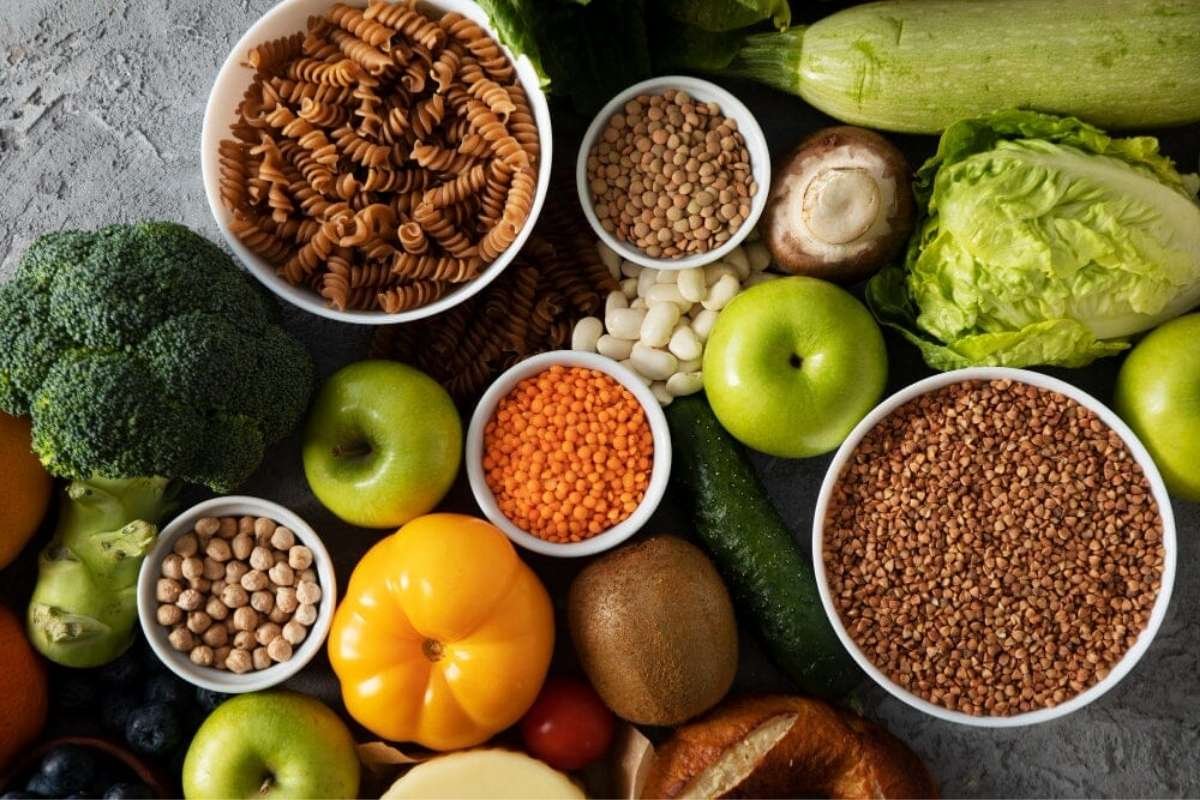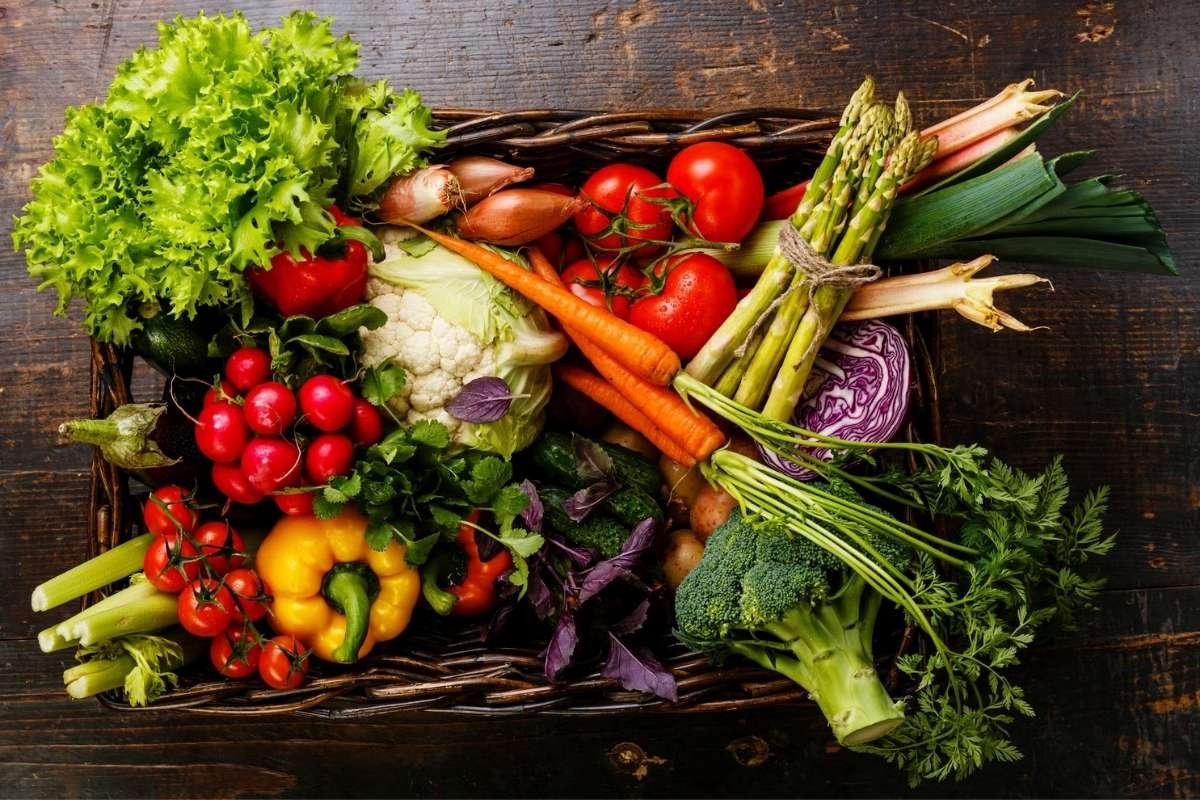
This guide highlights unique and healthy vegetables that can add more nutrients, flavor, and variety to your meals. It explains what makes these vegetables special, their key health benefits, simple ways to cook and store them, and practical tips for adding them to your weekly diet. Small changes can help you build healthier eating habits over time.
Eating vegetables every day is one of the best ways to stay healthy. Still, many people buy the same ones every week. While spinach, carrots, and broccoli are great choices, there are many other vegetables that deserve a place on your plate. These foods bring new flavors, colors, and nutrients that can make meals more exciting.
Trying Unique and Healthy Vegetables is an easy way to eat a wider range of vitamins, minerals, and fiber. This guide introduces some of the best options, explains why they are good for you, and shares simple ways to enjoy them at home.
What makes a vegetable both unique and healthy?
A vegetable is unique when it is less common, has a different taste or texture, or grows in specific parts of the world. Some have bright colors, while others have unusual shapes. Their appearance may be different, but what matters most is what they offer your body.
Many Unique and Healthy Vegetables are packed with vitamins, minerals, fiber, and natural plant compounds. These nutrients help support your heart, eyes, digestion, and immune system.
Eating different vegetables instead of the same few every day also gives your body a wider mix of nutrients. Each color often provides different health benefits. Green vegetables are usually rich in vitamin K, orange and purple ones contain helpful antioxidants, and white vegetables can provide important minerals and fiber.
The more variety you eat, the more balanced your diet becomes.
Quick comparison of unique vegetables and their main benefits
| Vegetable | Main Nutrient | Health Benefit | Easy Way to Eat |
| Romanesco | Vitamin C | Supports the immune system | Roast with olive oil |
| Kohlrabi | Fiber | Helps digestion | Slice raw into salads |
| Celeriac | Potassium | Supports heart health | Mash like potatoes |
| Oca | Vitamin C | Supports healthy skin | Roast in the oven |
| Malabar Spinach | Vitamin A | Supports eye health | Stir fry |
| Sunchokes | Inulin fiber | Supports gut health | Roast or bake |
These Unique and Healthy Vegetables each bring something different to your meals. Instead of focusing on just one “superfood,” eating a mix of vegetables helps you get a wider range of nutrients throughout the week.
8 unique vegetables worth trying and why they stand out
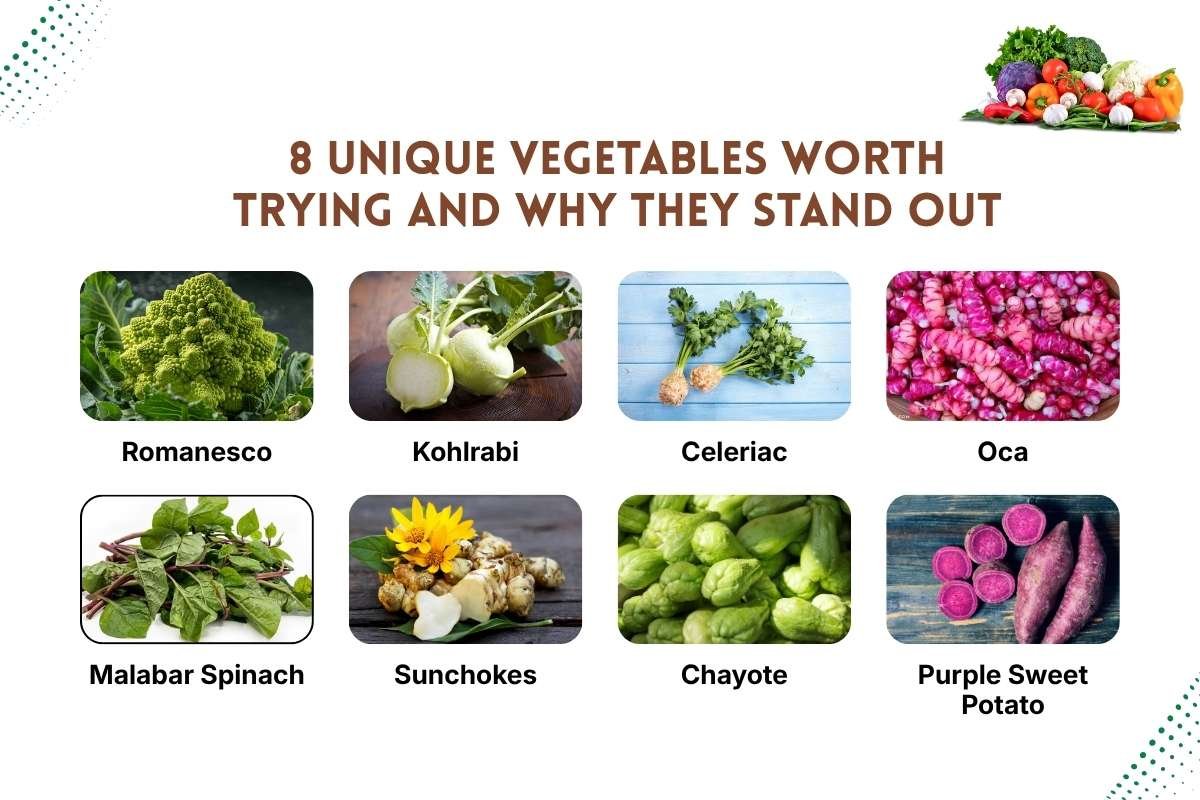
Adding Unique and Healthy Vegetables to your meals does not have to be difficult. Many of them are easy to cook and taste great with simple seasonings.
1. Romanesco
Romanesco looks like a bright green spiral. It tastes similar to broccoli but is slightly sweeter and nuttier. It provides vitamin C, fiber, and vitamin K. Roast it with olive oil, garlic, and black pepper for a simple side dish.
2. Kohlrabi
Kohlrabi has a crisp texture that reminds many people of an apple or cabbage stem. It is rich in fiber and vitamin C. Peel it and slice it into sticks for a fresh snack, or add it to salads for extra crunch.
3. Celeriac
Celeriac, also called celery root, has a mild, earthy flavor. It is a good source of potassium and fiber. Boil and mash it with potatoes, or roast it to bring out its natural sweetness.
4. Oca
Oca is a small root vegetable from the Andes. It becomes sweeter after cooking and contains vitamin C and antioxidants. Roasting brings out its flavor, making it a tasty replacement for regular potatoes.
5. Malabar Spinach
Unlike common spinach, Malabar spinach grows as a climbing vine. Its thick leaves stay firm when cooked. It provides vitamins A and C and works well in soups, curries, and stir-fries.
6. Sunchokes
Also called Jerusalem artichokes, sunchokes have a nutty flavor. They contain inulin, a type of fiber that feeds helpful gut bacteria. Roast them until golden for the best taste.
7. Chayote
Chayote is a light green vegetable with a mild flavor. It contains vitamin C, folate, and fiber. It can be added to soups, stir-fries, or even eaten raw in salads.
8. Purple Sweet Potato
Purple sweet potatoes are known for their deep color. They are rich in fiber, vitamin C, and anthocyanins, which are natural antioxidants that give them their purple color. Bake or steam them for a colorful and filling side dish.
One simple way to improve your meals is by choosing different vegetables throughout the week. Eating a wider variety means your body receives more types of helpful nutrients instead of the same ones every day.
How to buy, store, and cook lesser-known vegetables
Buying new vegetables can feel confusing at first, but a few simple tips can help. Look for vegetables that feel firm and heavy for their size. Avoid ones with soft spots, deep cuts, or wilted leaves. Fresh vegetables usually have bright colors and a clean smell.
Many Unique and Healthy Vegetables taste best when they are in season. Shopping at local farmers’ markets or stores that sell fresh produce can give you more choices throughout the year.
Store leafy vegetables in the refrigerator and use them within a few days. Root vegetables like celeriac, oca, and sunchokes stay fresh longer in a cool, dry place or in the vegetable drawer of your refrigerator.
Wash vegetables just before cooking instead of before storing them. Too much moisture can make them spoil faster. If the skin is clean and edible, keep it on whenever possible because many nutrients are found close to the skin.
Simple cooking methods often work best. Roasting, steaming, stir-frying, or grilling helps keep the natural flavor. Adding a little olive oil, avocado, or nuts can also help your body absorb vitamins A, D, E, and K. Once you become comfortable cooking them, healthy Vegetables can easily become part of your regular meals.
Simple ways to add more variety to weekly meals
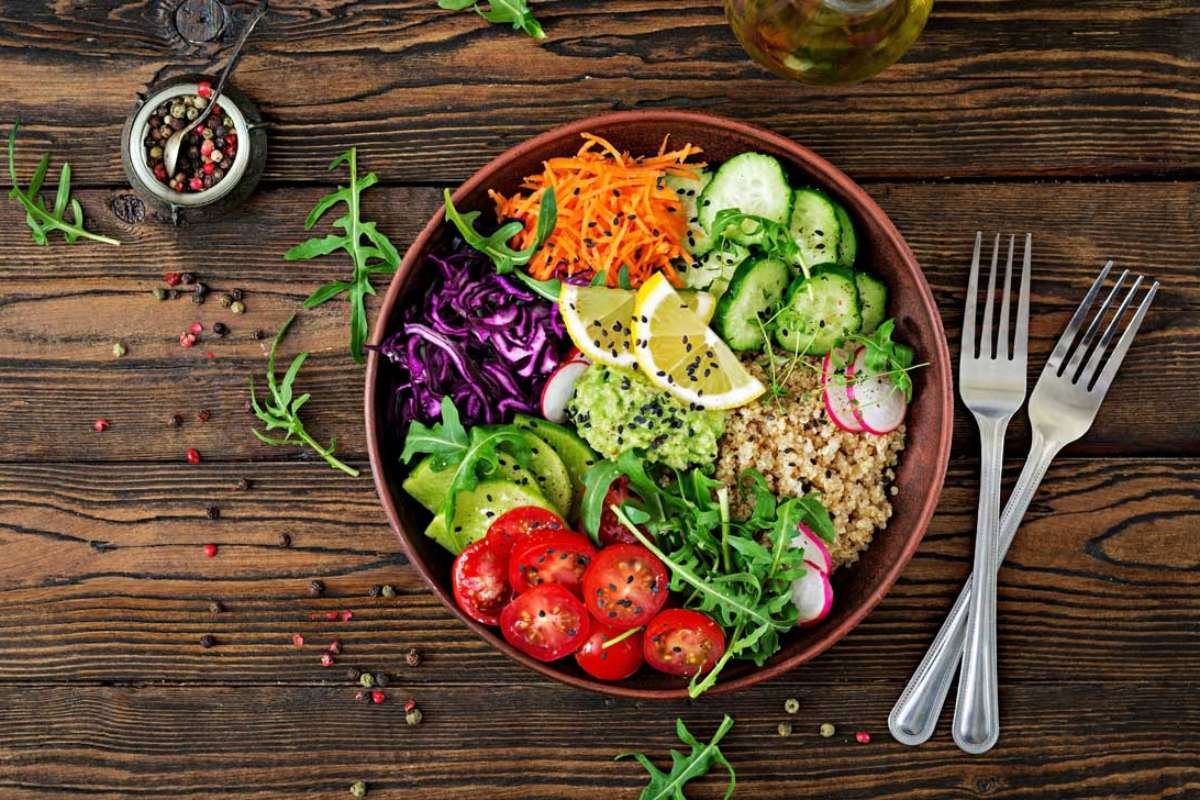
Adding Unique and Healthy Vegetables to your diet does not mean changing every meal. Start with one new vegetable each week. Small changes are easier to keep.
Mix new vegetables with foods you already enjoy. Add kohlrabi to a salad, roast Romanesco with broccoli, or cook Malabar spinach with your usual greens. This makes new flavors feel familiar.
Keep frozen vegetables on hand when fresh ones are not available. They are picked at peak ripeness and can still provide plenty of nutrients. Visiting a local farmers’ market is another great way to find vegetables you may not see in large grocery stores.
Over time, these simple habits help you eat a wider range of Vegetables without making cooking harder.
Conclusion
Eating different vegetables is one of the easiest ways to improve your diet. Every vegetable brings its own mix of nutrients, flavors, and textures. You do not have to change everything at once. Try one new vegetable this week and build from there. Over time, Unique and Healthy Vegetables can make your meals more colorful, more interesting, and better for your overall health.
FAQs
1. Which unique vegetables are the most nutritious?
Some of the most nutritious choices include Romanesco, Malabar spinach, purple sweet potatoes, kohlrabi, and sunchokes. They provide vitamins, minerals, fiber, and antioxidants that support overall health.
2. Are unusual vegetables healthier than common vegetables?
Not always. Common vegetables like broccoli and carrots are very healthy too. The biggest benefit comes from eating a wide variety of vegetables instead of relying on only a few.
3. Where can I buy unique vegetables?
You can often find them at farmers’ markets, specialty grocery stores, organic food shops, and some larger supermarkets. Many online produce retailers also sell seasonal varieties.
4. Can children eat unique vegetables safely?
Yes. Most unique vegetables are safe for children when cooked or prepared properly. Introducing them in small amounts with familiar foods can help children enjoy new flavors more easily.
5. What is the easiest unique vegetable to cook for beginners?
Romanesco is a great choice because it cooks much like broccoli. Toss it with olive oil and seasonings, then roast it until tender for a simple and tasty side dish.