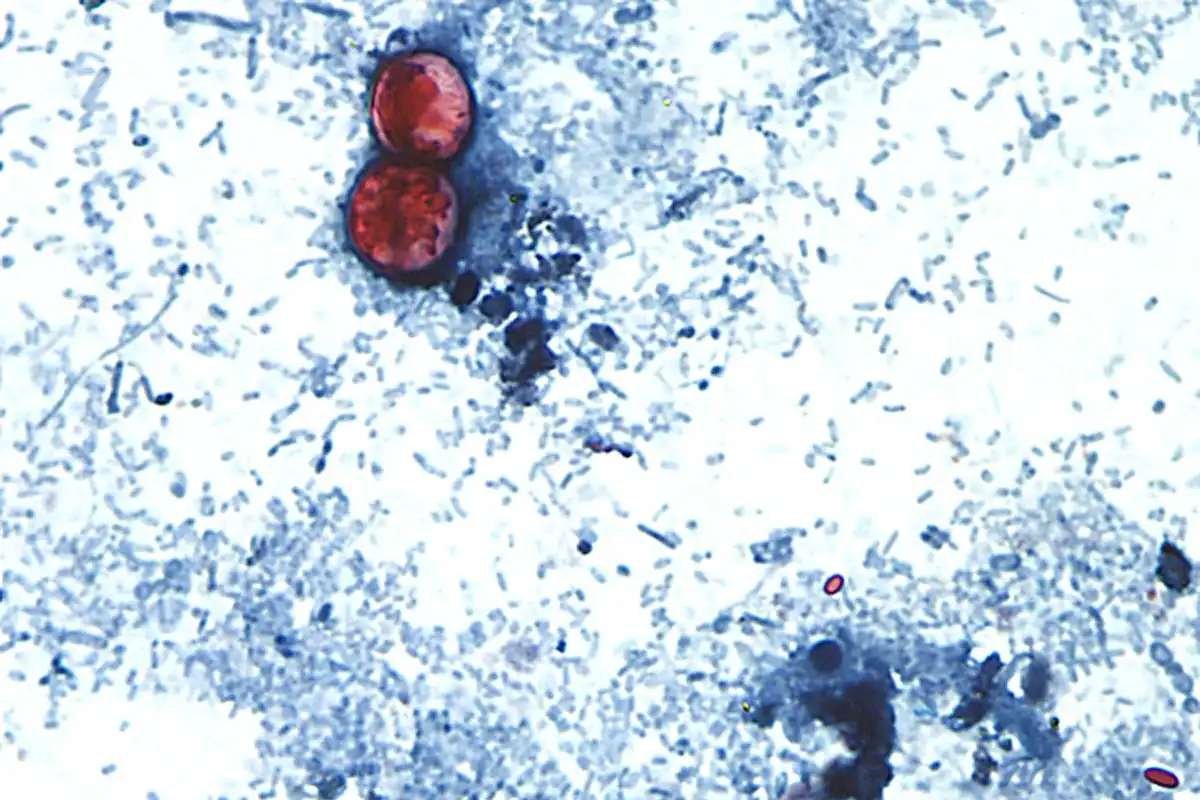
Key takeaway:
- Alaska confirmed five cases of cyclosporiasis since May, while the CDC has reported about 1,650 confirmed cases nationwide in the ongoing outbreak.
- No hospitalizations have been reported in Alaska, but officials urge people to wash fresh produce thoroughly and seek treatment if they develop prolonged diarrhea.
- Investigators are still tracing the outbreak source, with contaminated fresh produce, including lettuce, under investigation, though no single source has been confirmed.
Alaska health officials have confirmed five Alaska Cyclospora cases since May as a nationwide outbreak sickens about 1,650 people, urging residents and health care providers to remain vigilant while investigators continue searching for the outbreak’s source.
Alaska confirms cases as national infections rise
The Alaska Department of Health said Thursday that five adults have been diagnosed with cyclosporiasis — the latest Alaska Cyclospora cases — an intestinal illness caused by the Cyclospora parasite. The first case in the state was reported in May, according to a public health alert.
The announcement comes as the Centers for Disease Control and Prevention reports about 1,650 confirmed cases nationwide since May, along with roughly 5,100 additional suspected cases awaiting confirmation.
State officials said none of the Alaska Cyclospora cases have required hospitalization. Nationally, nearly 10% of confirmed patients have been hospitalized, according to the CDC.
Three Alaska patients had recently traveled internationally before becoming ill. Another reported out-of-state travel and exposure to fast food, while the fifth had not traveled outside Alaska.
“It’s unclear if Alaska’s cases are tied to the same source of the larger outbreak in the U.S.,” state epidemiologist Dr. Joe McLaughlin said.
Officials investigate possible sources of infection
People become infected by consuming food or water contaminated with feces containing the Cyclospora parasite. The illness most commonly occurs between May and August and is often linked to fresh produce exposed to contaminated water, similar to other foods that cause food poisoning.
Alaska health officials said they have not identified a single food item, grower or supplier responsible for the illnesses reported in the state, as investigators assess ties between the Alaska Cyclospora cases and the national outbreak.
The Washington Post reported Thursday that investigators have identified lettuce supplied to Taco Bell restaurants as a potential source of many illnesses nationwide. However, officials have not confirmed whether Alaska’s cases are connected to that investigation.
According to the CDC, cyclosporiasis typically causes prolonged watery diarrhea, along with nausea, fatigue, loss of appetite and low-grade fever. Some patients experience recurring symptoms over several weeks.
“Unfortunately, this particular illness can linger for weeks, and in some cases, even months,” McLaughlin said.
He said severe illness requiring hospitalization is more common among young children, older adults and people with weakened immune systems who develop significant dehydration.
Health officials urge prevention and prompt reporting
McLaughlin advised anyone experiencing symptoms to stay hydrated by drinking water with added electrolytes. Antibiotics can also reduce the severity and duration of the illness when prescribed.
Officials emphasized that washing fresh fruits and vegetables thoroughly remains the most effective way to reduce infection risk, in line with FDA guidance on preventing Cyclospora infection.
“Even if it’s labeled as pre-washed, go ahead and clean it,” McLaughlin said. “The better you wash your fruits and vegetables, the more likely you are to get most of that cyclospora off of them.”
He also urged residents to wash their hands frequently, avoid cross-contaminating kitchen surfaces and utensils, and cook produce to at least 158 degrees Fahrenheit when appropriate, a temperature that kills the parasite.
The Department of Health has asked health care providers, laboratories and tribal health organizations to watch for patients with prolonged or recurring watery diarrhea, test suspected cases and promptly report confirmed or suspected infections to the state’s Section of Epidemiology.
State officials noted that Alaska Cyclospora cases typically number about five annually, while the CDC recorded about 250 U.S. cases during the same period last year, highlighting the sharp increase in infections this season.