Key Point:
- A 13-year-old girl fell into septic shock, and a two-week coma after symptoms initially thought to be a stomach bug were linked to undiagnosed congenital bowel adhesions.
- Rapid progression of Sepsis symptoms highlights the danger of dismissing persistent abdominal pain or worsening symptoms.
- The girl is recovering in intensive care, and her mother urges families to recognize sepsis signs early and seek immediate medical attention.
A 13-year-old girl from Lancashire is beginning recovery after spending two weeks in a coma caused by sepsis following symptoms initially believed to be a stomach bug, prompting her mother to warn families about the condition’s rapid progression.
Mother Warns Of Sepsis Risks After Teen’s Sudden Collapse
Natalie-Anne Rowlett says her daughter Felicity-Jo nearly died after complications from undiagnosed congenital bowel scarring led to septic shock weeks after doctors initially treated her for suspected gastroenteritis, with early Sepsis symptoms going unnoticed
Felicity-Jo first went to Royal Blackburn Teaching Hospital in early February, suffering vomiting and severe abdominal pain. Medical staff provided fluids for dehydration and discharged her the following day when symptoms appeared to improve.
Doctors initially believed she had a stomach virus circulating at the time, Rowlett said. “They thought it was gastroenteritis or a stomach bug going around,” she said, adding that plans for further scans were canceled after her daughter’s condition briefly improved.
The teenager returned home and soon resumed normal activities, even performing on stage in a production of Joseph and the Technicolour Dreamcoat.
But one month later, her condition deteriorated rapidly.
Hidden Condition Leads To Septic Shock And Emergency Surgery
On March 15, Felicity-Jo collapsed at home in severe pain and was rushed to Burnley General Teaching Hospital, where doctors discovered congenital adhesions — scar tissue in the bowel present since birth.
According to Guts UK Charity, adhesions can remain symptomless but may cause dangerous bowel obstructions. In Felicity-Jo’s case, the blockage triggered infection and sepsis, a life-threatening immune response that damages organs.
She was transferred to Blackburn Hospital, where doctors resuscitated her before performing emergency bowel surgery. She was later moved to the Royal Manchester Children’s Hospital and admitted to the pediatric intensive care unit.
“I was terrified,” Rowlett said. “My first instinct was, ‘ Is she going to die?”
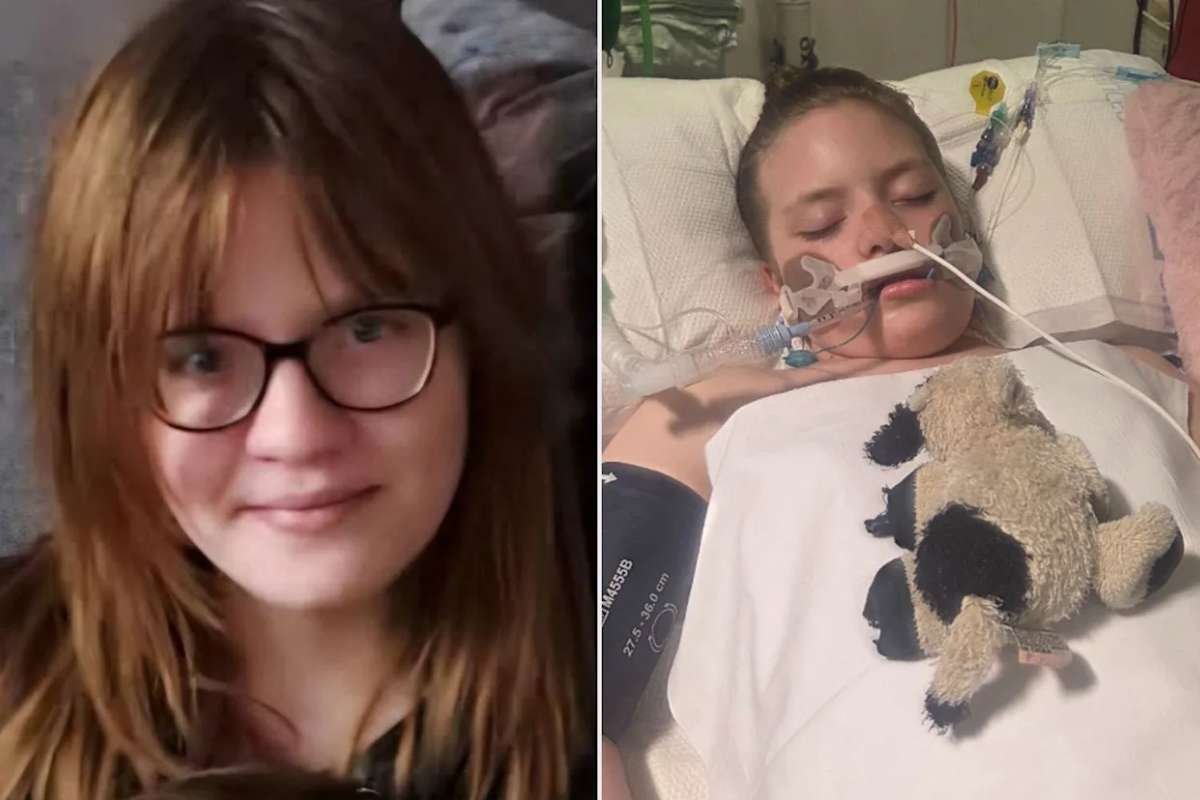
Felicity-Jo underwent two emergency surgeries, including the removal of part of her bowel. Doctors placed her in an induced coma and kept her on life support for two weeks while treating widespread infection.
Sepsis symptoms occur when the body’s immune system overreacts to infection, potentially leading to organ failure, according to the National Health Service.
Teen Takes First Steps As Family Urges Early Action
After four weeks in intensive care, Felicity-Jo remains hospitalized but has begun speaking again and recently took her first steps since awakening from the coma.
She now lives with a stoma bag and has developed two blood clots, requiring lifelong blood-thinning medication. Doctors have not confirmed when she may be discharged.
“She is very weak, but she hasn’t lost that spirit,” Rowlett said. “She’s a fighter.”
Rowlett said watching her normally energetic daughter unconscious was devastating. “We just noticed this big hollow silence and thought, ‘We want her back,’” she said.
The mother is now urging parents to trust their instincts if symptoms worsen or do not feel typical. “You know your own child,” she said. “I felt something wasn’t right.”
Health officials advise seeking urgent medical care if sepsis symptoms appear, including confusion, breathing difficulty, pale or blotchy skin, or a rash that does not fade when pressed.
Rowlett encouraged families to review guidance on the NHS website to better recognize warning signs. “Sepsis develops so quickly,” she said. “I want others to be aware.”
Felicity-Jo faces a long recovery, but her family remains optimistic. “She’s a warrior,” Rowlett said. “I know she’ll come through it.”