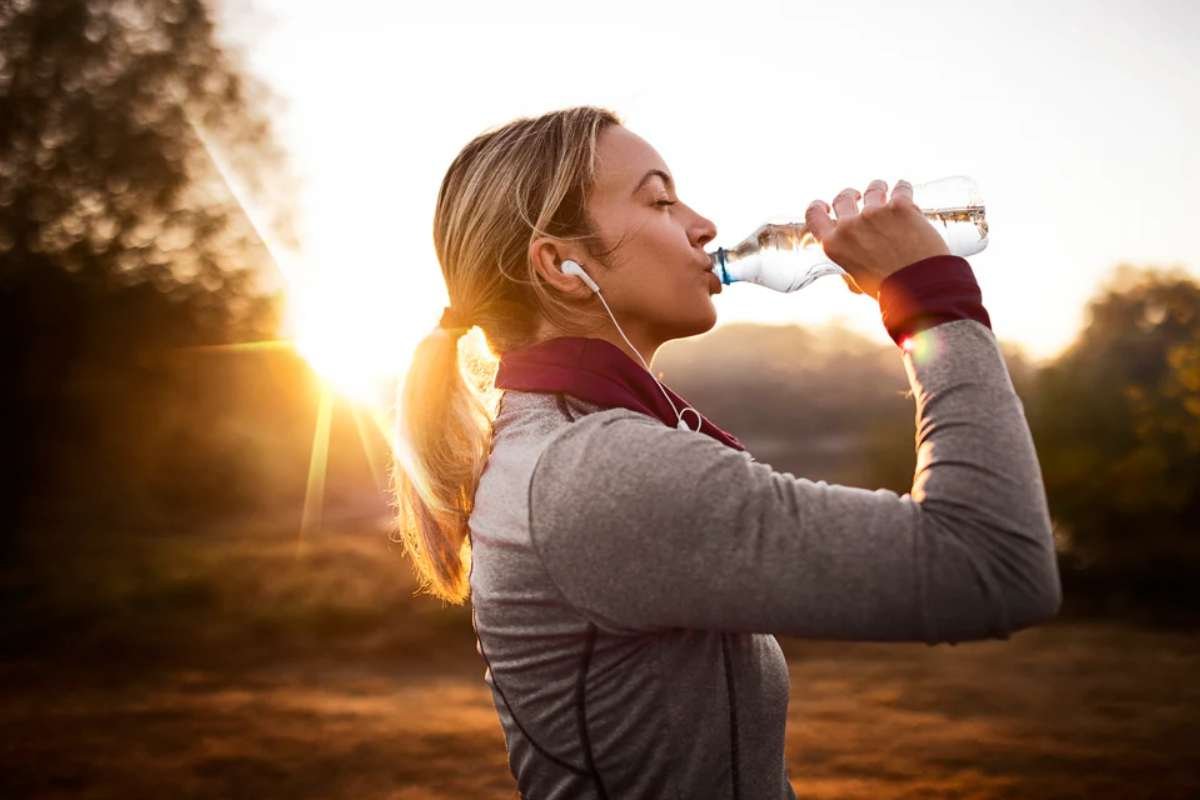
There’s a reason elite athletes don’t wait until they’re thirsty.
By the time your body asks for water, it’s already compensating, slowing down processes you don’t notice until performance drops, focus slips, or recovery drags longer than it should. Dehydration, in most cases, doesn’t announce itself. It accumulates quietly, showing up as fatigue you can’t explain or a dip in energy you learn to ignore.
That’s what makes understanding the best ways to rehydrate less about wellness trends—and more about control.
Because hydration isn’t simply about replacing lost fluids, it’s about how efficiently your body absorbs, distributes, and retains them under different conditions, whether you’re recovering from illness, pushing through a workout, or navigating a demanding day.
Once you understand that distinction, hydration stops being passive. It becomes a strategy.
Why Hydration is Your Body’s Invisible Foundation?
Water makes up about 60% of your body weight. It regulates your temperature, lubricates your joints, and flushes out metabolic waste. According to the Cleveland Clinic, even mild dehydration can impair your memory and mood.
When you lose fluid through sweat, breath, or illness, you don’t just lose H2O. You lose electrolytes, minerals like sodium, potassium, and magnesium that carry electrical signals across your cells. Simply guzzling plain water after a heavy sweat can actually lead to “hyponatremia,” a dangerous condition where your sodium levels drop too low. This is why the Best Ways to Rehydrate always involve a balance of water and minerals.
1. The Power of Oral Rehydration Solutions (ORS)
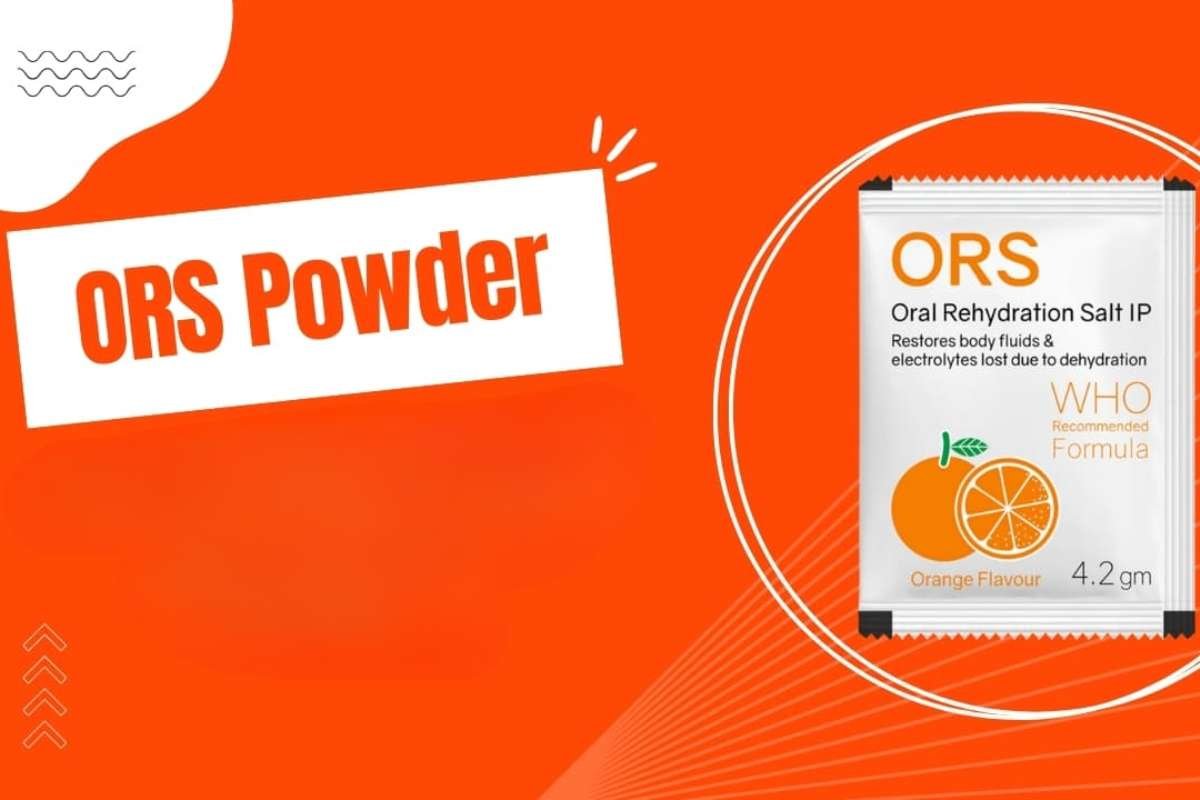
When you need to recover fast, particularly after a bout of stomach flu or an ultra-marathon, plain water isn’t enough. The World Health Organization (WHO) pioneered Oral Rehydration Solutions to save lives in extreme dehydration cases. These formulas use a specific ratio of sugar and salt to pull water into your bloodstream via the “sodium-glucose cotransport” mechanism.
Research published by Healthline highlights that these solutions work significantly faster than water alone because the glucose helps your small intestine absorb salt and water more efficiently. You can find these as over-the-counter products like Pedialyte or Liquid I.V., which remain among the best ways to rehydrate when your system is compromised.
2. Nature’s Secret: Skim and Low-Fat Milk
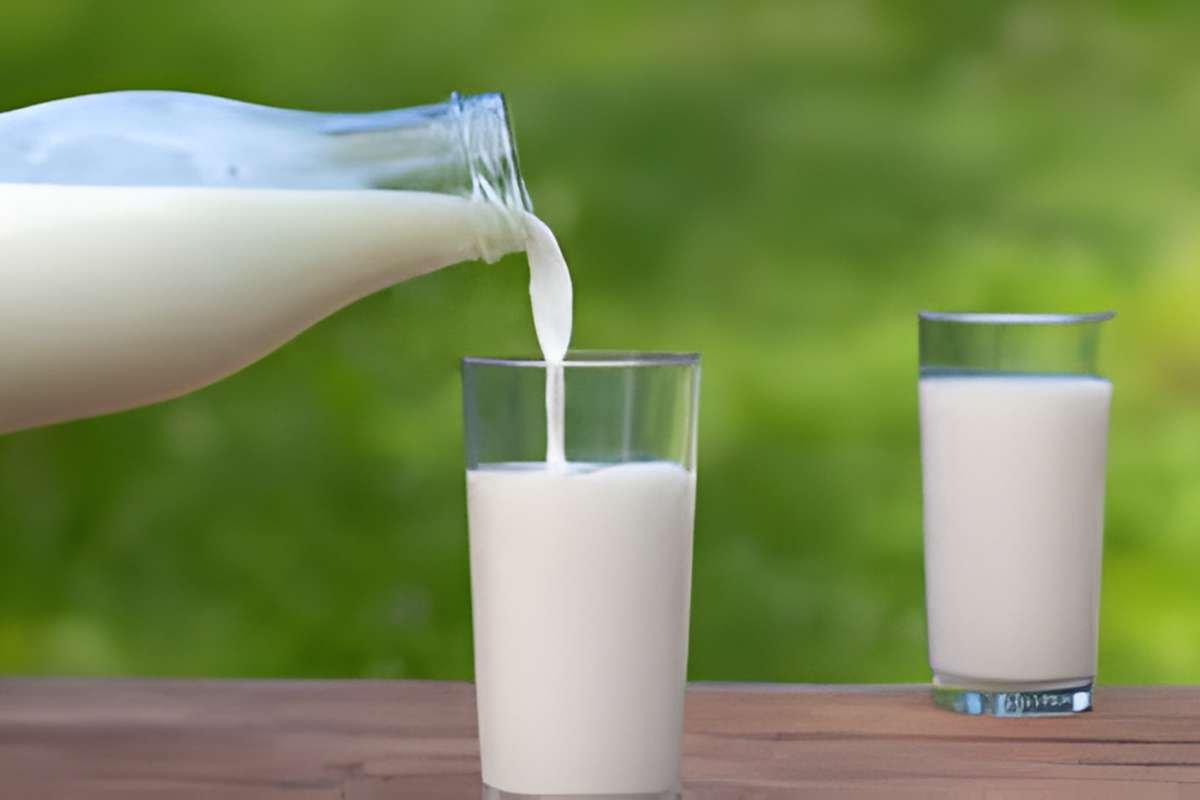
It might surprise you, but a study from St. Andrews University in Scotland found that milk is actually more hydrating than plain water. Milk contains the sugar lactose, some protein, and some fat, all of which help slow down the emptying of fluid from the stomach. This keeps the hydration in your body longer.
Milk also provides a massive dose of electrolytes. If you are looking for the best ways to rehydrate after a weight-lifting session, a glass of cold skim milk provides the sodium and potassium necessary to retain that fluid.
3. Eat Your Water: Hydrating Whole Foods

We often forget that roughly 20% of our daily water intake comes from food. If you struggle to drink liters of water, reaching for high-water-content produce is a smart move.
- Cucumber (96% water): Contains silica for skin health.
- Watermelon (92% water): Packed with lycopene and vitamin C.
- Strawberries (91% water): Provide fiber and antioxidants.
- Zucchini (94% water): Great for cooked or raw consumption.
Incorporating these into your meals stands as one of the best ways to rehydrate without feeling like you are constantly tethered to a water bottle.
4. Strategic Electrolyte Replacement
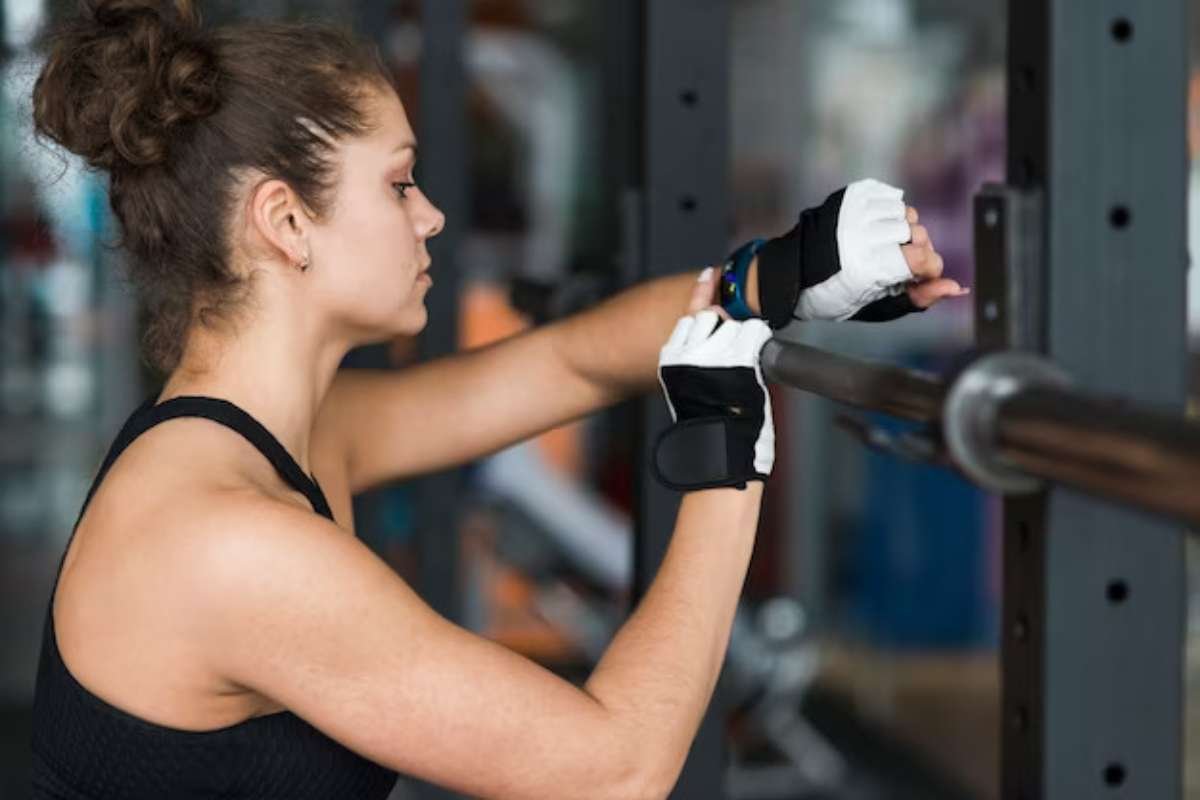
If you are an athlete or someone working outdoors in the heat, you are losing more than just water. Precision Hydration notes that sweat rates vary wildly; some “salty sweaters” lose significantly more sodium than others.
For high-intensity situations, sports drinks provide the necessary electrolytes to prevent cramping. However, be wary of “sugar bombs.” Many commercial sports drinks contain excessive amounts of high-fructose corn syrup. Look for options with at least 200mg of sodium and 100mg of potassium per serving to ensure you are utilizing the best ways to rehydrate effectively.
5. Intravenous (IV) Hydration: When is it Necessary?

In severe cases, such as heatstroke or uncontrollable vomiting, where you cannot keep liquids down, medical intervention is required. GoodRx emphasizes that IV fluids bypass the digestive system entirely, delivering saline and electrolytes directly into the vein.
While “IV Bars” have become a trendy wellness fad for hangovers, medical professionals at Scripps Health suggest that oral hydration is safer and more cost-effective for 95% of people. Save the IVs for true medical emergencies.
6. Managing Dehydration during Illness

Illness is the most common cause of rapid dehydration. When you suffer from diarrhea or vomiting, you lose fluids at an alarming rate. Banner Health suggests taking small, frequent sips rather than large gulps, which can trigger the gag reflex.
One of the best ways to rehydrate during illness involves “clear liquids.” This includes:
- Broths (Chicken or Vegetable)
- Herbal teas (Ginger or Peppermint)
- Apple juice (diluted with 50% water)
According to WebMD, if you experience confusion, a rapid heart rate, or go more than 8 hours without urinating, you must seek urgent care immediately.
The Psychology of Habit: How to Stay Ahead of the Curve
Most people fail to hydrate because they rely on thirst. Thirst is a “lagging indicator.” By the time your brain signals thirst, your cells are already screaming for help. To maintain optimal levels, you must use behavioral psychology to trigger the habit.
- Visual Cues: Keep a transparent water bottle on your desk. The visual of the water level going down provides a sense of accomplishment.
- Habit Stacking: Drink a full glass of water every time you brush your teeth or wait for your coffee to brew.
- Flavor Enhancement: If plain water bores you, use “infusions.” Lemon, mint, or frozen berries can make the process enjoyable rather than a chore.
Finding the best ways to rehydrate often starts with making water the path of least resistance in your environment.
Expert Quotes and Case Studies
“Hydration isn’t just about water; it’s about the balance of solutes in your blood. If you just drink water without salt during heavy exertion, you dilute your system and risk performance collapse.” — Dr. Stacy Sims, Exercise Physiologist.
A case study involving endurance cyclists showed that those who used a personalized electrolyte plan recovered their power output 25% faster than those who used plain water. This highlights that the best ways to rehydrate are often tailored to the individual’s specific sweat rate and environment.
Stats You Should Know
- The 8×8 Myth: While the “8 glasses a day” rule is easy to remember, the National Academies of Sciences suggests about 3.7 liters for men and 2.7 liters for women from all foods and beverages.
- The Urine Test: Your urine should look like pale lemonade. If it looks like apple juice, you are dehydrated. If it’s clear, you might be over-hydrating.
- Brain Power: A mere 1% drop in hydration can lead to a 5% decrease in cognitive function.
Common Hydration Mistakes to Avoid
- Over-relying on Caffeine: While moderate coffee intake doesn’t significantly dehydrate you, it is a mild diuretic. Don’t let it replace your water intake.
- Chugging Ice-Cold Water: In extreme heat, tepid water is often absorbed faster by the stomach lining.
- Ignoring the “Golden Hour”: The first 60 minutes after exercise is the most critical window for fluid retention. This is when the best ways to rehydrate have the most impact.
Read Next:
- 11 Effective Tips for Staying Hydrated and Avoiding Dehydration
- 10 Side Effects of Not Drinking Enough Water
FAQ
1. Can I rehydrate with soda or juice?
A: High-sugar drinks can actually cause “osmotic diarrhea,” where the sugar pulls water out of your tissues and into your gut, making dehydration worse. Stick to water or diluted juices.
2. Is coconut water really better than sports drinks?
A: Coconut water is excellent for potassium but low in sodium. It’s great for light activity, but for heavy sweating, a dedicated ORS or sports drink is more effective.
3. How fast can I rehydrate?
A: Your body can absorb about 20 to 27 ounces of water per hour. Do not exceed this, or you will simply end up running to the bathroom without hydrating your cells.
Conclusion:
Recovery is an active process. You cannot expect your body to perform if you deny it the literal medium through which all biological life exists. Whether you choose a balanced ORS, a glass of skim milk, or a plate of fresh fruit, the best ways to rehydrate involve intentionality and a respect for your body’s biochemistry.
Start today. Drink a glass of water before your next meal. Watch your energy levels stabilize, and your focus sharpen. True health isn’t just about the food you eat or the miles you run; it’s about the water that carries those nutrients to your heart and mind. Stay hydrated, stay sharp, and keep your engine running smoothly. For more specialized advice, consult professionals at Riverside Online or Concur Urgent Care for a personalized hydration assessment.