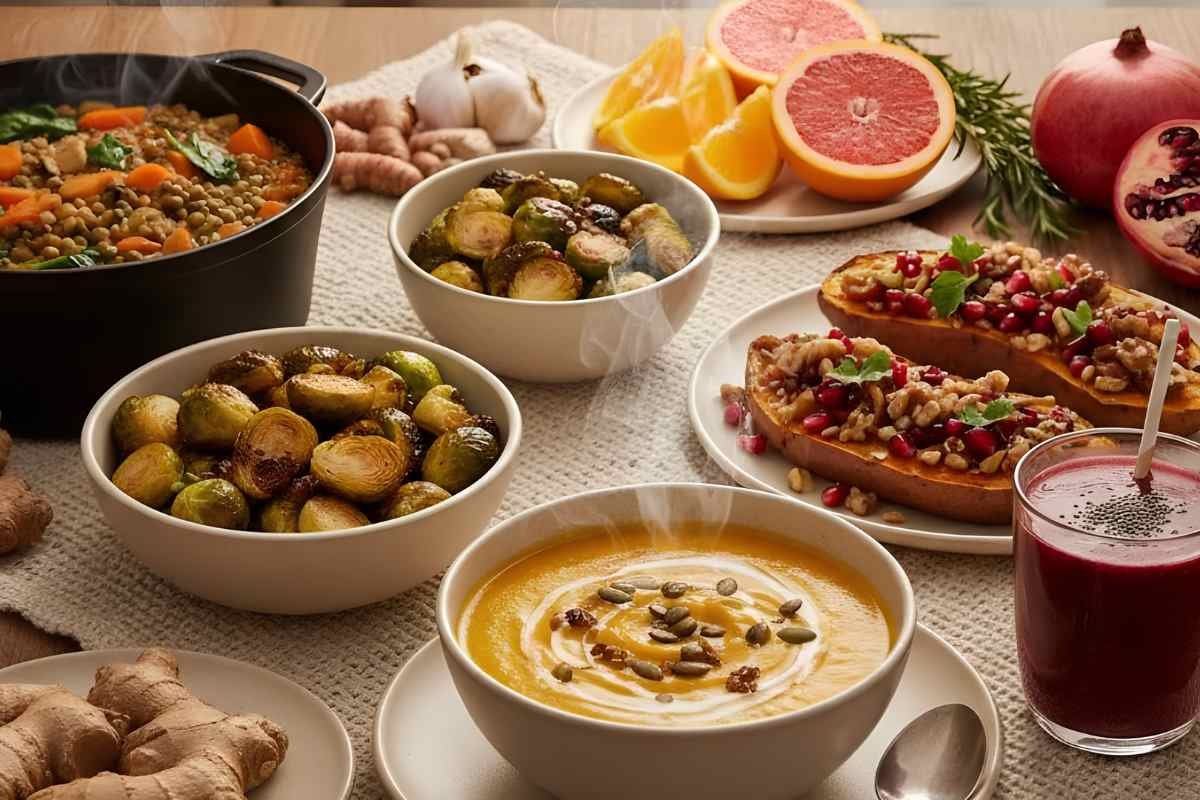
Ever notice how everyone gets sniffly the moment it turns cold? Cold weather makes your body more open to bugs. Your plate has more power over that than you think.
Shorter days mean less sunlight. Less sunlight means lower vitamin D for most people. Add more time spent indoors near coughing coworkers, and you get a rough season. The right winter immunity boosting foods can change how often you get sick. They can also help you bounce back faster.
This article explains which foods deserve a spot in your winter kitchen. We explain why they work and how to use them without a full diet overhaul. We cover citrus, greens, fermented foods, healthy fats, and warming spices. You will also find answers to common questions about staying healthy this season.
What makes winter immunity-boosting foods different from regular healthy eating?

Regular healthy eating focuses on overall balance. Immunity-boosting foods for winter target nutrients your body burns faster in cold months, like vitamin C, vitamin D, and zinc. Your immune system works overtime in the cold. It needs more raw material to keep up.
Think of your immune cells like a construction crew. They need steady supplies to build barriers against viruses. Without enough vitamin C, zinc, or healthy fats, that crew shows up short-staffed right when you need it most.
This is why experts push seasonal eating over one-size-fits-all diets. Winter immunity boosting foods are not exotic superfoods flown in from far away. Most already sit in your grocery store, waiting for you to notice them.
Which fruits should you eat for winter immunity?
Citrus fruits are the obvious place to start. Oranges, grapefruits, and lemons are loaded with vitamin C. This vitamin helps your body make more white blood cells, which fight off infections.
Cranberries and pomegranates deserve credit too. Cranberries carry antioxidants that may lower swelling in the body. Pomegranates bring vitamin K for strong bones plus extra immune support.
| Fruit | Key Nutrient | Best Use |
| Oranges | Vitamin C | Snack or fresh juice |
| Pomegranate | Vitamin K, antioxidants | Salad topping |
| Cranberries | Antioxidants | Smoothies, oatmeal |
| Kiwi | Vitamin C, fiber | Breakfast bowl |
Rotate through these fruits each week to keep things interesting. This also covers different nutrient gaps. Winter immunity boosting foods work best when you mix them up instead of eating the same orange every day.
Do leafy greens really help fight off colds?
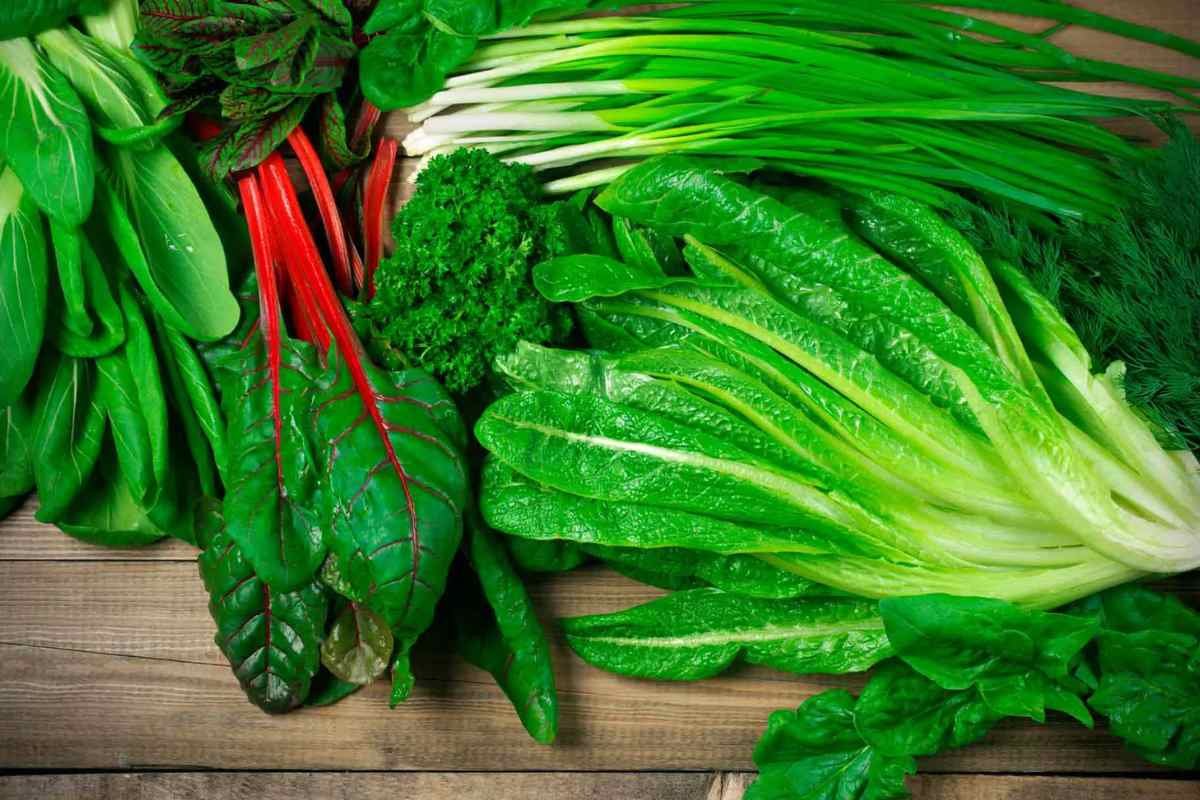
Yes, and they get less credit than flashier foods. Spinach, kale, and Swiss chard pack vitamins A, C, and E, plus iron. Iron helps your body build healthy immune cells.
Vitamin A protects the lining of your airways. That lining is your body’s first wall against germs in the air. This makes leafy greens one of the most useful winter immunity-boosting foods, since you can add them to almost any meal.
Try blending spinach into a smoothie. Add kale to soup, or cook chard with garlic as a quick side. None of these takes more than ten minutes. Your body notices the difference over time.
Why do nutritionists recommend fermented foods in winter?
Gut health and immune health connect more than most people realize. A large share of your immune system lives in your gut. Fermented foods give you probiotics that support a healthy gut. Good options include:
- Yogurt – easy to add to breakfast or smoothies
- Kefir – a tangy, drinkable option similar to yogurt
- Sauerkraut – a crunchy topping for sandwiches or bowls
- Kimchi – spicy and packed with probiotics
As Dr. Justin Sonnenburg and his team at Stanford School of Medicine demonstrated, a diet rich in fermented foods enhances microbiome diversity and decreases systemic inflammatory markers. This shows that they are actively training the immune system to respond efficiently rather than burning out from chronic inflammation.
Are healthy fats actually immune boosters too?
Yes, and this one surprises people. Avocados, nuts, seeds, and fatty fish like salmon carry omega-3 fats. These fats calm ongoing swelling in the body, which frees up your immune system to fight real threats.
Fatty fish also gives you vitamin D. This matters even more in winter since sunlight drops off fast. About a third of adults may run low on vitamin D during the darker months, based on nutrition research.
Add a handful of walnuts to your oatmeal. Try salmon for dinner twice a week. This is an easy way to work these winter immunity boosting foods into meals you already make.
What role do spices like ginger and turmeric play?
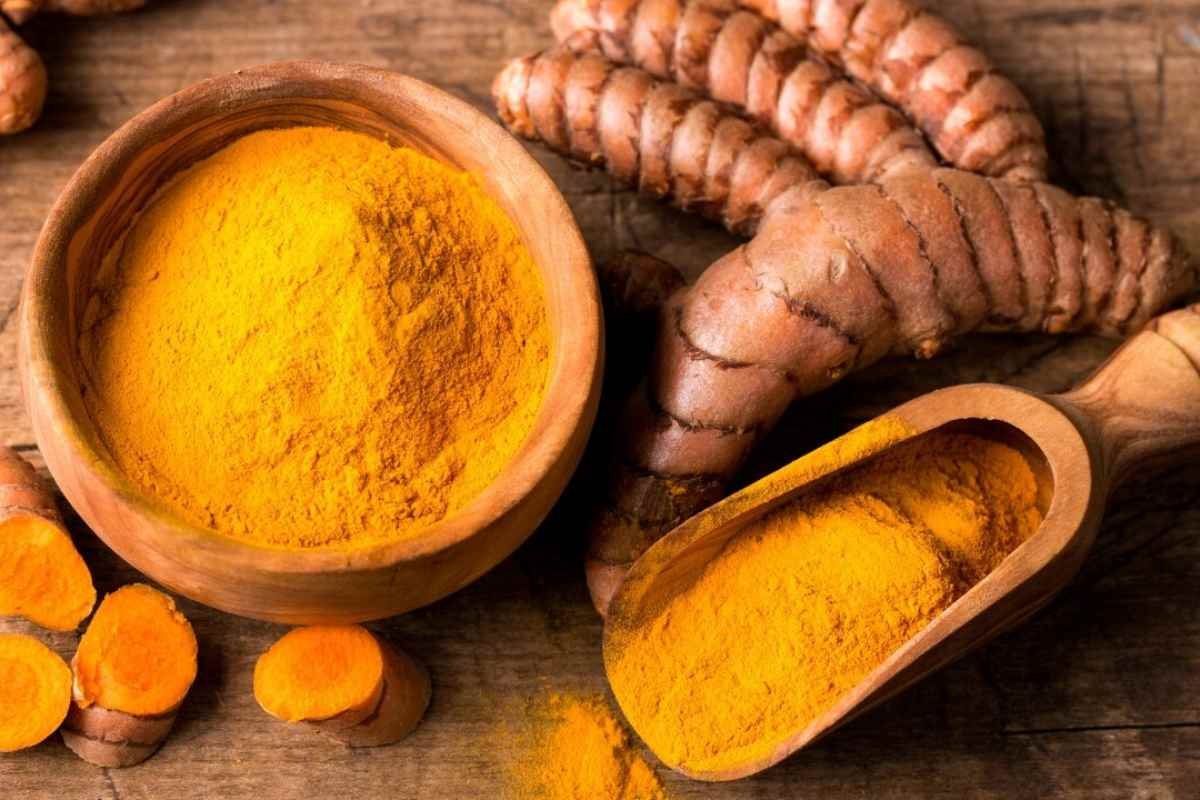
Spices are not just for flavor. They carry real immune benefits too.
| Spice | Key Compound | Main Benefit |
| Ginger | Gingerol | Lowers swelling, eases sore throat |
| Turmeric | Curcumin | Supports immune response |
| Cinnamon | Antioxidants | Fights cell damage |
Ginger’s gingerol is tied to lower swelling and stronger antioxidant activity. Turmeric brings curcumin, studied for its role in immune support. Both spices show up in old winter remedies for good reason.
Stir ginger into tea. Add turmeric to soup, or sprinkle cinnamon over oatmeal. Small steps like these add up over weeks. They make winter immunity boosting foods easy to work into your routine without much thought.
How can you fit these foods into a busy winter schedule?
You don’t need a full meal plan to see results. Swap your usual snack for citrus or nuts. Add one leafy green to lunch or dinner most days. Cook a big pot of vegetable soup with garlic, ginger, and greens on Sunday. Reheat it throughout the week. This one habit covers several immunity boosting foods at once, with little extra effort.
Keep frozen fruit and washed greens on hand for busy weeks. Convenience matters more than being perfect when you want a habit to stick through February.
Cases of respiratory illness climb every winter. The CDC reports close to one million hospital visits each year tied to viruses like the flu and RSV. That number is a strong reminder that food choices are one thing you fully control this season.
Final thoughts
Winter immunity-boosting foods don’t need to be complicated or expensive. Small swaps like citrus over chips, yogurt over ice cream, or salmon over fried food add up fast. Your immune system runs on what you feed it every day.
Pick two or three foods from this list and start this week. Add them to meals you already cook. Consistency matters more than perfection here. Over time, these small choices help your body fight off colds faster and bounce back stronger. Winter will always bring germs, but your plate can help you stay ahead of them.
FAQs
1. Can winter immunity-boosting foods completely prevent me from getting sick?
No food guarantees zero illness, but a nutrient-rich diet lowers your risk and can shorten recovery time.
2. How soon will I notice a difference after changing my diet?
Most people notice better energy within two to three weeks, though immune resilience builds gradually over a full season.
3. Should I take supplements instead of eating whole foods?
Whole foods are generally better absorbed, though a vitamin D supplement is often recommended in winter due to low sunlight.
4. Are frozen fruits and vegetables as effective as fresh ones?
Yes, frozen produce is typically flash-frozen at peak ripeness and retains most of its nutritional value.
5. Do warm drinks like herbal tea actually support immunity?
Herbal teas support hydration and can soothe symptoms, though their direct immune impact is milder than whole foods.
Sources:
- https://med.stanford.edu/news/all-news/2021/07/fermented-food-diet-increases-microbiome-diversity-lowers-inflammation.html
- https://www.mdpi.com/2304-8158/14/3/473