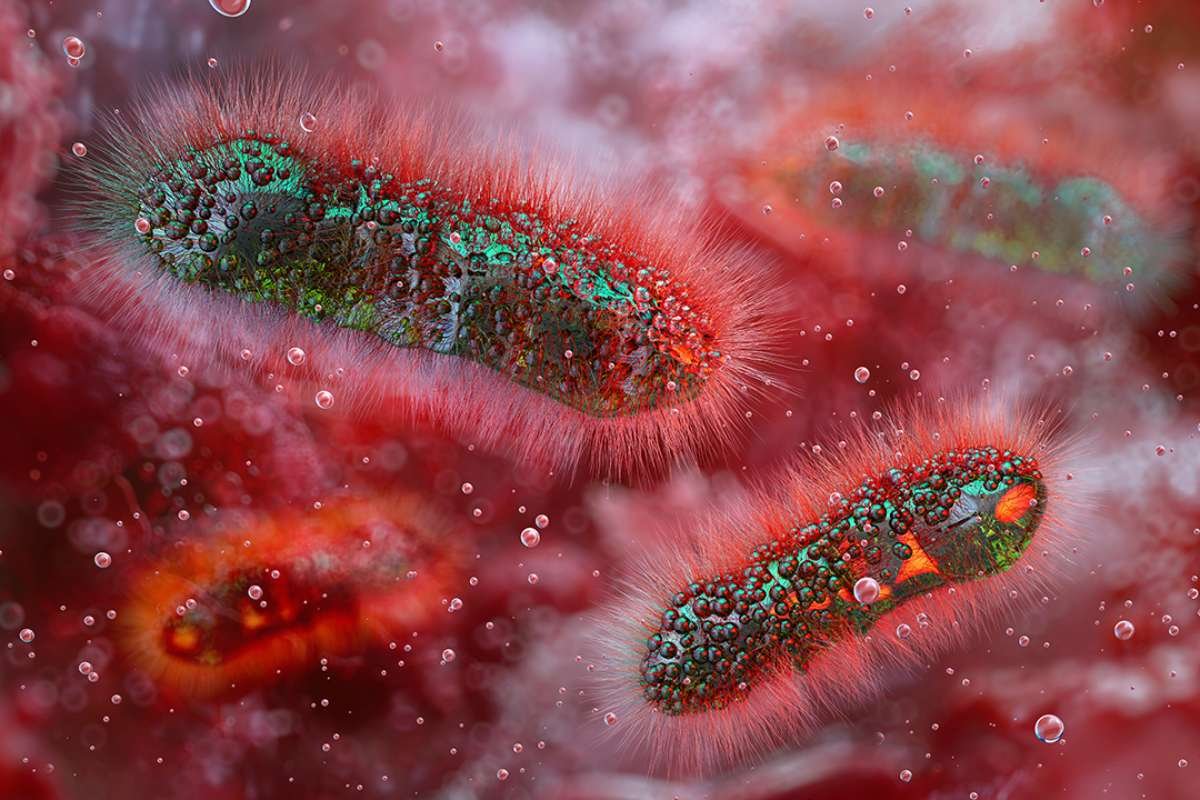
Key Takeaway:
- Vibrio vulnificus thrives in warm coastal waters and can cause life-threatening infections.
- Keep cuts, wounds and recent piercings away from salt or brackish water.
- Seek medical care quickly if exposed wounds become red, swollen, painful or discolored.
Louisiana health officials are urging Gulf Coast beachgoers to protect cuts from warm coastal water as Vibrio vulnificus, a potentially fatal strain of Vibrio bacteria, becomes more active during summer.
Warm coastal waters create higher infection risk
Vibrio vulnificus, a type of Vibrio bacteria, naturally occurs in warm coastal and brackish waters and is more common from May through October. The bacterium can cause severe wound infections when it enters cuts, scrapes, or other breaks in the skin.
The Centers for Disease Control and Prevention says about one in five people with Vibrio vulnificus infection die. Severe infections can require intensive care or amputation.
Louisiana health officials have warned that people should seek medical care immediately if a wound exposed to salt or brackish water becomes red, swollen, painful, warm or discolored. Patients should tell their health care providers about the water exposure.
Florida also continues to track infections. The Florida Department of Health reported 11 confirmed Vibrio vulnificus cases and one death in 2026 as of July 23, compared with 33 cases and five deaths for all of 2025.
Wounds and raw shellfish can spread infection
People can become infected when the bacteria enter through open wounds while swimming or wading in coastal water. Recent piercings, tattoos, and surgical incisions can also provide entry points.
The CDC says people should wash cuts and scrapes thoroughly with soap and clean running water after exposure to coastal water or raw seafood. Anyone who develops fever, chills, or rapidly worsening skin changes after exposure should seek medical attention promptly.
Raw or undercooked shellfish, particularly oysters, also can carry the bacteria. The CDC says people at higher risk, including those with liver disease or weakened immune systems, should take particular care around raw shellfish and warm coastal waters.
Health officials recommend avoiding raw oysters and properly cooking shellfish. People handling raw shellfish should wash their hands afterward, while those with weakened immune systems should consider wearing protective gloves.
Scientists track northward spread
Researchers say warming coastal waters may be contributing to the changing distribution of Vibrio vulnificus. A 2023 study of infections in the eastern United States found that wound infections increased eightfold between 1988 and 2018, while the northern limit of reported cases shifted about 48 kilometers, or 30 miles, per year.
The study projected that continued warming could expand the bacteria’s range farther north and increase the number of people at risk. Researchers linked the trend to warmer coastal waters that create more favorable conditions for the bacterium.
For beachgoers, health officials emphasize a simple precaution against Vibrio bacteria: Keep open wounds away from warm salt or brackish water, clean any exposed wound immediately, and seek medical care quickly if concerning symptoms appear.