Simple Foods for Better Everyday Meals
A rough day can make a warm bowl of oats or a home-cooked meal feel comforting. Food cannot fix a bad day, but what you eat affects energy, fullness, and overall health. That is why mood-boosting recipes focus on balanced meals, not miracle ingredients. Fish, beans, whole grains, fruits, vegetables, nuts, and seeds can help build meals with nutrients.
What Makes a Recipe Mood-Friendly?
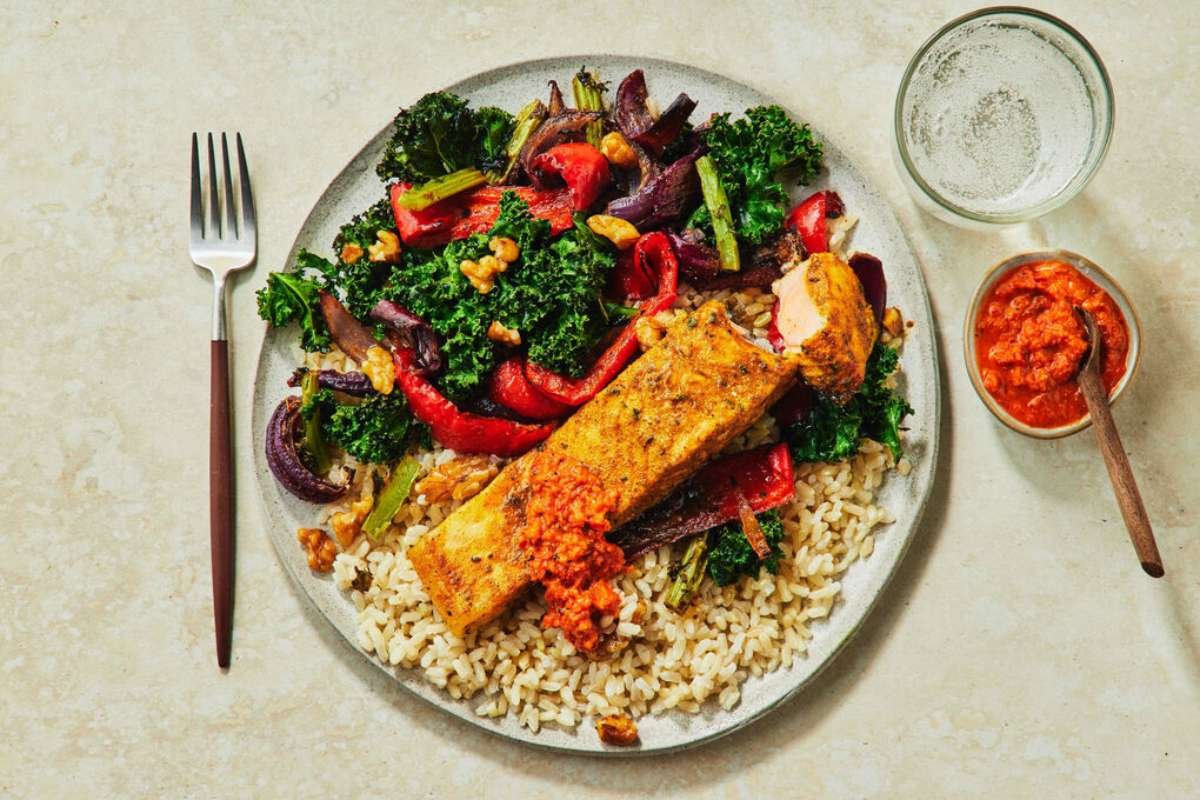
The goal is not instant happiness. Build meals with protein, fiber, healthy fats, vitamins, and minerals.
For everyday mood-boosting recipes, use this simple formula:
- Protein: eggs, fish, beans, lentils, yogurt, or tofu
- Whole-food carbs: oats, brown rice, quinoa, or whole-grain bread
- Produce: fruit or colorful vegetables
- Healthy fat: nuts, seeds, avocado, or olive oil
Harvard’s Healthy Eating Plate uses a similar idea, with vegetables and fruit taking up about half the plate, plus whole grains and healthy protein.
7 Foods Often Used in Mood-Friendly Meals
These foods can make useful building blocks for mood-boosting recipes. They are not magic mood cures. Their value comes from the nutrients they add to an overall healthy eating pattern.
| Food | What it adds |
| Salmon | Omega-3 fats and protein |
| Eggs | Protein and vitamin B12 |
| Oats | Whole-grain carbs and fiber |
| Spinach | Folate and other nutrients |
| Berries | Fiber and plant compounds |
| Walnuts | Healthy fats and omega-3 ALA |
| Yogurt | Protein and, in some types, live cultures |
NIH notes that folate is found in leafy greens, beans, peas, nuts, eggs, and other foods. Vitamin B12 is found naturally in fish, meat, eggs, and dairy, while some fortified foods provide it too.
Easy Breakfast Recipes for a Better Start
Breakfast does not need to be fancy. A few basic ingredients can make mood-boosting recipes that are filling and easy to make.
Berry Walnut Oatmeal: Mix cooked oats with milk or a fortified plant drink. Add berries, chopped walnuts, and cinnamon.
Egg and Spinach Toast: Top whole-grain toast with a cooked egg, spinach, and sliced avocado. Add black pepper or lemon juice.
Quick tip: Choose plain oats. Add fruit yourself instead of using heavily sweetened flavored packets.
Simple Lunch and Dinner Ideas
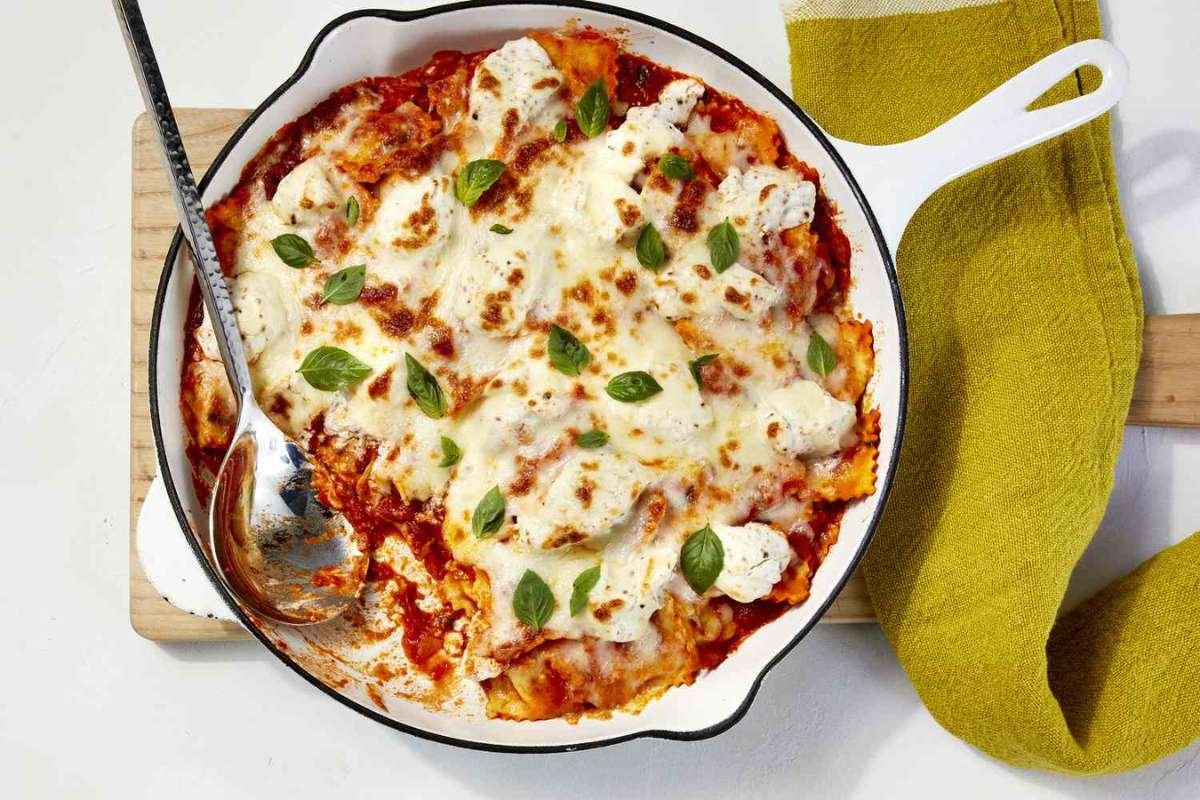
For lunch or dinner, mood-boosting recipes can use foods you already keep at home. Combine different food groups instead of making one ingredient carry the meal.
1. Salmon Grain Bowl
Combine salmon with brown rice or quinoa, spinach, cucumber, and yogurt dressing. Use canned sardines as a lower-cost swap.
2. Chickpea Vegetable Wrap
Fill a whole-grain wrap with chickpeas, lettuce, tomato, carrot, and hummus. Cooked beans work too.
3. Lentil Tomato Pasta
Toss whole-grain pasta with lentils, tomato sauce, and spinach. Canned beans can replace lentils.
These mood-boosting recipes follow a simple pattern: protein, high-fiber carbs, produce, and healthy fat.
Sweet Snacks That Fit the Same Idea
Snacks can be simple. Try Greek yogurt with berries and walnuts, an apple with peanut butter, or a banana with oats and plain yogurt.
These mood-boosting recipes can add protein, fruit, whole grains, or healthy fats between meals.
Check peanut butter labels for added sugar and choose a product with a short ingredient list when possible.
Nutrients Linked With Brain and Mood Health
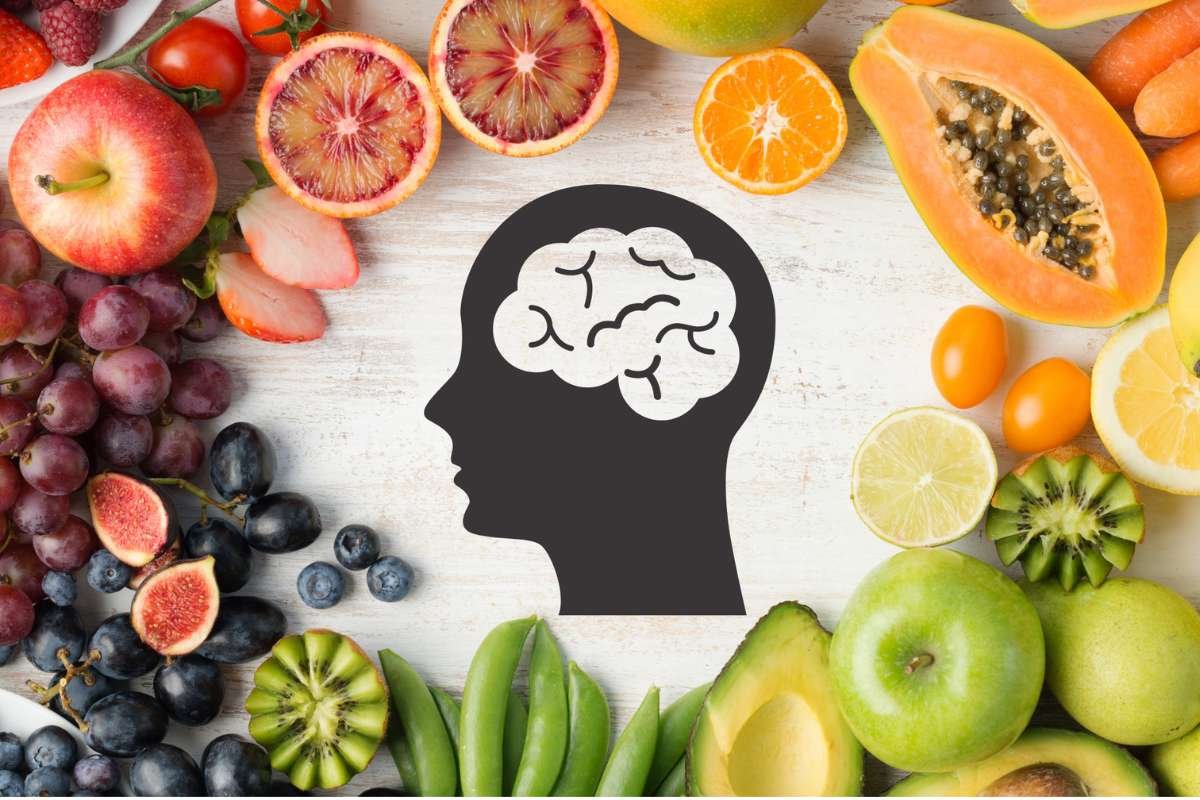
Food contains nutrients that support normal body and brain function. That does not mean every nutrient directly changes mood.
- Omega-3 fats: fatty fish, walnuts, and some seeds
- Folate: leafy greens, beans, peas, and fortified foods
- Vitamin B12: fish, meat, eggs, dairy, and fortified foods
- Iron: meat, beans, lentils, and leafy greens
- Magnesium: nuts, seeds, whole grains, and leafy greens
This is why mood-boosting recipes are more useful when they include a mix of foods rather than one “superfood.”
How to Build Your Own Meal in 5 Minutes
You can make mood-boosting recipes without a recipe card.
Pick: 1 protein + 1 whole grain or high-fiber carb + 1 fruit or vegetable + 1 healthy fat.
Try chickpeas + brown rice + spinach + tahini.
What These Recipes Can and Cannot Do
Mood-boosting recipes can support a healthy eating pattern, but they are not a treatment for depression, anxiety, or other mental health conditions. If low mood lasts, talk with a qualified health professional.
Conclusion
Mood-boosting recipes do not need rare ingredients, strict rules, or complicated cooking. Simple meals built with protein, whole grains, fruits, vegetables, nuts, and healthy fats can support a balanced diet and steady energy. Try different combinations and focus on variety instead of chasing one “perfect” food. Most importantly, remember that food is only one part of feeling well. Sleep, movement, stress, and support matter too.
FAQs About Mood-Friendly Foods
1. What is the best food for improving mood?
There is no single best food. A varied diet with vegetables, fruit, whole grains, healthy proteins, and healthy fats is a better target.
2. What is a quick mood-friendly breakfast?
Try oatmeal with berries and walnuts or eggs with whole-grain toast and spinach. These mood-boosting recipes use several useful food groups.
3. Can food improve your mood?
Food may support overall health and provide nutrients your body needs. However, mood is shaped by many factors, so no single meal guarantees a change.
4. Are these recipes suitable every day?
Most can fit into a balanced diet. Variety matters. Rotate proteins, grains, vegetables, fruits, nuts, and seeds.
Sources
- Harvard T.H. Chan School of Public Health. Healthy Eating Plate. Guidance on building balanced meals with vegetables, fruits, whole grains, healthy proteins, and healthy fats.
- National Institutes of Health, Office of Dietary Supplements. Folate Fact Sheet for Health Professionals. Information on folate, its role in the body, and dietary sources.
- Harvard T.H. Chan School of Public Health. What Should I Eat? Evidence-based guidance on food quality, whole grains, fruits, vegetables, healthy fats, and protein sources.