Key Takeaway:
- Nearly half of metastatic lung cancer patients never receive treatment despite major advances improving survival and quality of life.
- Many patients never reach an oncologist or are diagnosed too late, with about 40% dying within 90 days of diagnosis.
- Researchers urge earlier screening, faster referrals, and better awareness of modern therapies to close the treatment gap.
Nearly half of people diagnosed with metastatic non-small-cell lung cancer in the United States never receive treatment, according to a new study, highlighting missed opportunities despite advances that improve survival and quality of life.
Study Identifies Major Treatment Gap
A study published in JAMA Oncology finds that about half of patients with metastatic non-small-cell lung cancer do not receive systemic therapy, highlighting a major metastatic lung cancer treatment gap even as newer treatments significantly extend survival for many people.
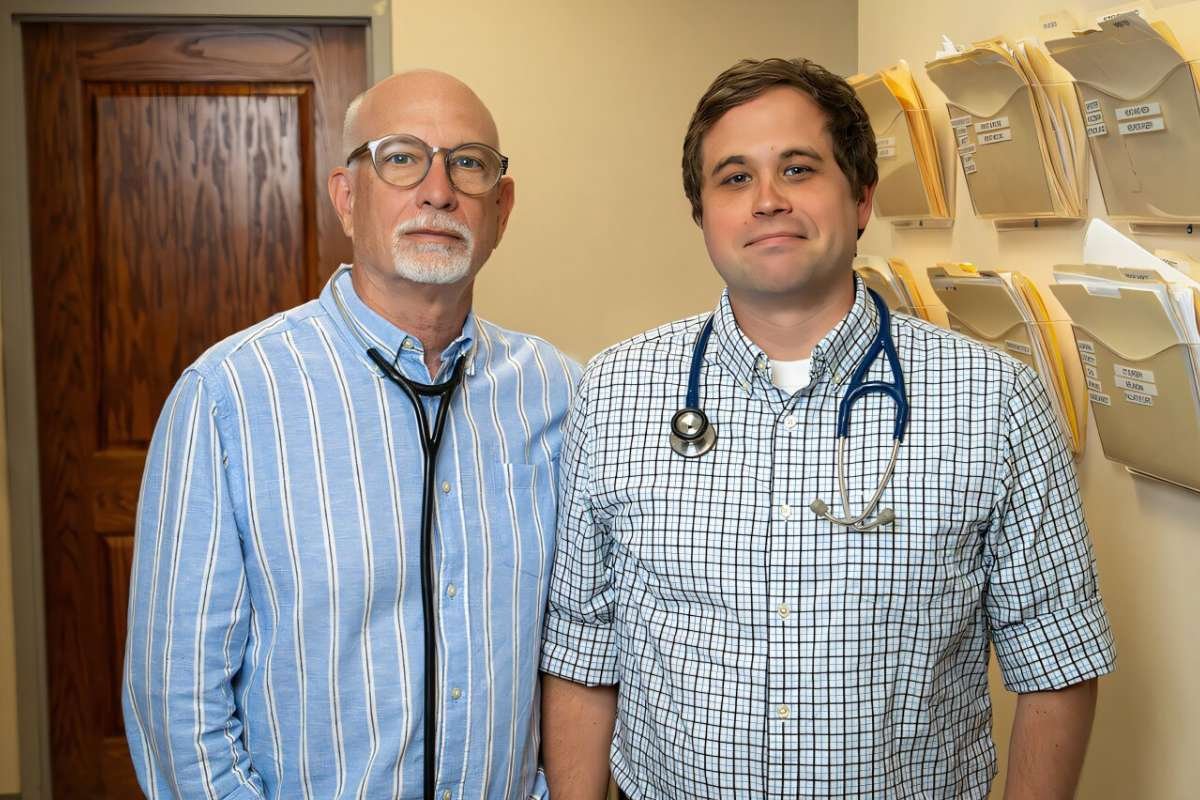
Researchers led by lung cancer specialists Dr. Gerard Silvestri and Dr. Adam Fox of the MUSC Hollings Cancer Center analyzed national data spanning 2006 through 2021. The work was conducted on behalf of the American Cancer Society National Lung Cancer Roundtable.
The findings challenge assumptions held by many oncologists, who believed 80% to 90% of patients were receiving treatment.
“The findings are a loud wake-up call to the clinical community,” said Robert Smith, co-chair of the roundtable and a study co-author. He said advances in therapy make it critical that patients at least have an opportunity to receive care.
Targeted therapies and immunotherapies now allow doctors to match treatments to patients’ genetic profiles through biomarker testing, improving outcomes compared with traditional chemotherapy.
Fox said researchers initially aimed to study biomarker testing rates but realized a more fundamental question remained unanswered.
“Before we look at how many people get tested, we should start to know how many people even get treated,” he said.
Delayed Referrals Leave Many Untreated
The study suggests a key reason many patients go untreated is that they never see a medical oncologist.
“If you make it to a medical oncologist, especially at a cancer center, your odds of getting treated are much higher,” Fox said.
Silvestri said physicians must prioritize rapid referrals. “The take-home message for physicians is to get patients to an oncologist quickly so that we can see if they’re eligible for one of these new treatments,” he said.
Researchers found about 40% of patients died within 90 days of diagnosis, indicating many were already severely ill when cancer was discovered.
The finding underscores the importance of early detection through screening programs and prompt evaluation of persistent respiratory symptoms, even among people who do not meet standard screening criteria for metastatic lung cancer treatment.
Although some patients may be too sick for therapy, investigators say a significant minority likely could have benefited from treatment but never received it.
Social Barriers, Perceptions May Limit Care
The study did not identify definitive reasons patients miss treatment, but researchers outlined several likely contributors.
Outdated perceptions about lung cancer therapy remain common. Older chemotherapy regimens often carried severe side effects and limited benefit, shaping public expectations.
“Patients remember relatives who received chemotherapy and declined quickly,” Fox said. “But that’s not the case for newer therapies,” which in some instances have extended survival by nearly seven years.
Social factors may also play a role. Patients lacking transportation or treated in under-resourced medical systems may face barriers to specialist care. The study found married patients were more likely to receive treatment, suggesting social support influences access.
Researchers also noted that clinical trials often enroll healthier participants, potentially excluding patients with additional medical conditions who might still benefit from modern immunotherapies with fewer side effects.
The authors call for expanding trial eligibility and improving communication about treatment advances.
More than 200,000 Americans are expected to receive a Metastatic Lung Cancer diagnosis this year, Silvestri said, including roughly 100,000 cases already metastatic at diagnosis.
“Lung cancer remains the leading cause of cancer-related deaths,” he said. “The onus is on the medical community to diagnose disease early, refer quickly and communicate that effective treatment options exist.”
Researchers say closing the treatment gap will require earlier detection, faster referrals and broader access to modern therapies.