You finish a hard workout, wipe the sweat off, and feel good about yourself. But here’s something that most people who are just starting to work out or who have been going to the gym for a while don’t know: your results don’t just depend on how hard you work out. A lot depends on what happens after you leave the gym, especially how you eat after workout.
What you eat after working out can affect how well your muscles heal, how much fat you lose, how much energy you get back, and how well you perform. Many Americans don’t realize they are slowing their progress by skipping meals, eating the wrong foods, or waiting too long to eat again.
Learning how and when to eat after workout can make a bigger difference in your fitness results than adding another hour of training.
Why Post-Workout Nutrition Matters More Than You Think
During exercise, your body undergoes several important physiological changes:
- Glycogen (stored energy) gets depleted
- Muscle fibers experience microscopic damage
- Electrolytes and fluids are lost through sweat
- Stress hormones temporarily increase
Your body immediately shifts into recovery mode once the workout ends. This is when nutrition plays a critical role.
When you eat After Workout, you help your body:
- Repair muscle tissue
- Replenish energy stores
- Reduce soreness
- Improve metabolism efficiency
- Support long-term strength gains
Without proper nutrition, recovery slows down, fatigue increases, and performance plateaus become common.
The Golden Window: When Should You Eat?
For years, fitness experts debated the so-called “anabolic window.” Modern research suggests the timing is flexible but still important.
Best time to refuel:
Within 30 to 90 minutes after exercise.
Eating within this period allows your muscles to absorb nutrients more efficiently because blood flow and insulin sensitivity remain elevated.
If you exercise early in the morning or fast, eating sooner becomes even more important to prevent muscle breakdown.
What Happens If You Skip Post-Workout Meals?
Many Americans trying to lose weight mistakenly avoid food after exercise. Unfortunately, this strategy often backfires.
Skipping nutrition after training may lead to:
- Muscle loss instead of fat loss
- Increased cravings later in the day
- Slower metabolism
- Higher fatigue levels
- Poor workout recovery
Instead of accelerating results, neglecting recovery nutrition can undo your hard work.
That’s why learning how to properly eat after Workout is essential for both weight loss and muscle growth.
The Perfect Post-Workout Nutrient Formula
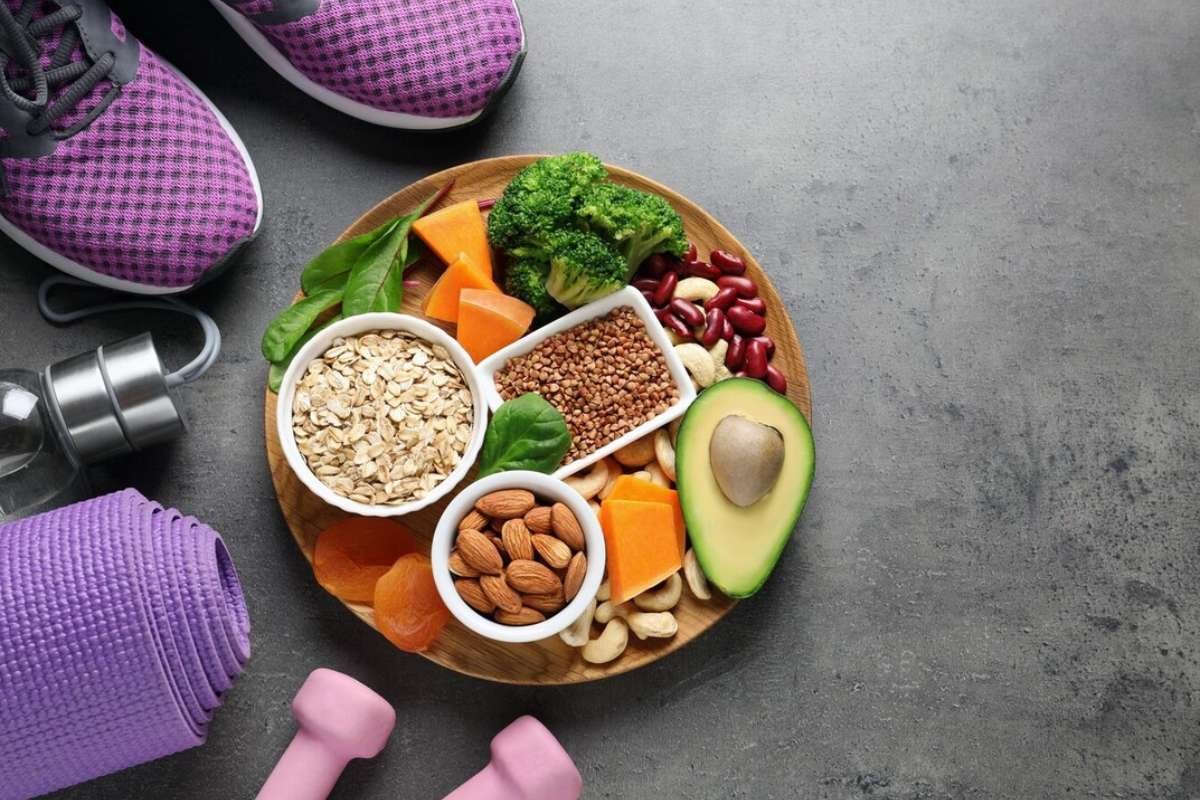
The best recovery meals follow a simple science-backed formula:
1. Protein: Muscle Repair Champion
Protein provides the amino acids needed to rebuild damaged muscle fibers.
Recommended amount:
20–40 grams depending on body size and workout intensity.
Great protein sources include:
- Grilled chicken breast
- Eggs or egg whites
- Greek yogurt
- Protein shakes
- Salmon or tuna
- Tofu or lentils for plant-based diets
Protein not only repairs muscles but also keeps you full longer.
2. Carbohydrates: Energy Restoration Fuel
Carbohydrates often get unfair criticism, but after exercise, they become extremely beneficial.
Carbs help restore glycogen levels depleted during training.
Healthy carb choices:
- Sweet potatoes
- Brown rice
- Quinoa
- Oatmeal
- Bananas
- Whole-grain toast
Combining protein with carbs significantly improves recovery speed.
3. Healthy Fats: Support Recovery
While fats slow digestion slightly, moderate amounts help reduce inflammation and support hormone balance.
Smart fat options:
- Avocado
- Nuts and seeds
- Olive oil
- Peanut butter
Balance is key; avoid heavy fried foods immediately after workouts.
Hydration: The Overlooked Recovery Tool
Water plays a massive role in post-exercise recovery.
Even mild dehydration can cause:
- Headaches
- Muscle cramps
- Fatigue
- Reduced performance
Drink water immediately after exercise and consider electrolyte drinks if workouts exceed 60 minutes or involve heavy sweating.
Hydration works alongside nutrition to maximize recovery benefits when you eat After Workout.
Best Post-Workout Meal Ideas (American Favorites):
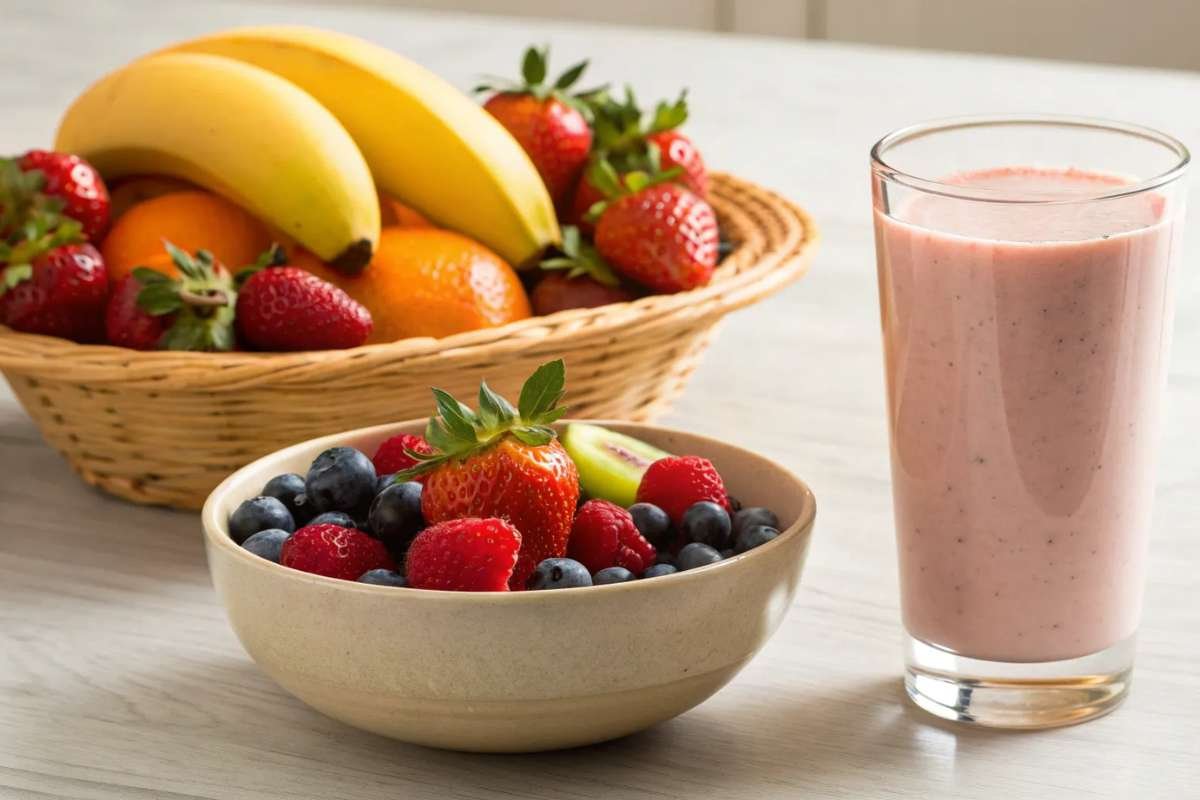
Here are practical meal combinations popular among U.S. fitness enthusiasts:
Quick Options
- Protein shake + banana
- Greek yogurt with berries
- Chocolate milk (science-backed recovery drink)
Balanced Meals
- Grilled chicken, quinoa, and roasted vegetables
- Turkey sandwich on whole-grain bread
- Salmon bowl with brown rice and avocado
Plant-Based Choices
- Lentil salad with olive oil dressing
- Tofu stir-fry with vegetables
- Smoothie with plant protein, spinach, and almond butter
The goal is convenience, balance, and nutrient density.
Common Post-Workout Mistakes Americans Make:
Even motivated gym-goers often sabotage progress unknowingly.
1. Waiting Too Long to Eat
Delaying meals reduces nutrient absorption efficiency.
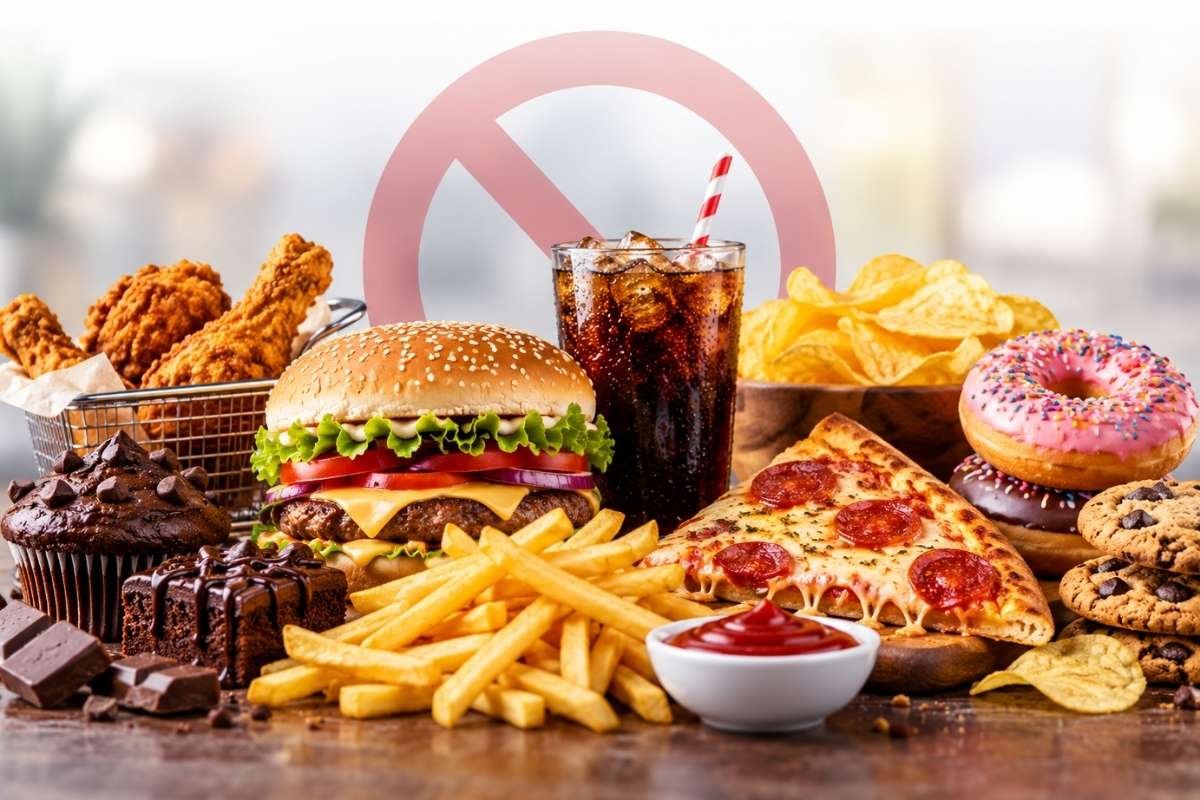
2. Overeating Junk Food
A tough workout doesn’t justify fast food binges.
3. Ignoring Protein Intake
Many people focus only on calories instead of muscle recovery.
4. Drinking Alcohol Immediately After Exercise
Alcohol interferes with muscle repair and hydration.
Avoiding these mistakes ensures that when you eat After Workout, your effort actually supports your goals.
Does Post-Workout Nutrition Change Based on Goals?
Yes, your goals should guide your meal strategy.
Fat Loss
- Moderate carbs
- High protein
- Controlled calories
Muscle Gain
- Higher calorie intake
- Increased carbohydrates
- Consistent protein timing
Endurance Training
- Extra carbohydrates for glycogen replenishment
- Electrolyte replacement
Personalization matters more than following trends.
Morning vs Evening Workouts: Does It Matter?
Your workout timing affects food choices slightly.
Morning workouts:
Your body needs faster refueling because you’ve likely been fasting overnight. Smoothies or easy-digest meals work best.
Evening workouts:
Focus on balanced meals without excessive calories before sleep. Contrary to myths, eating at night does not automatically cause weight gain.
Consistency matters more than clock timing.
Supplements: Helpful or Overrated?
Supplements can support recovery, but should never replace real food.
Popular post-workout supplements include:
- Whey protein powder
- Creatine monohydrate
- Branched-chain amino acids (BCAAs)
- Electrolyte mixes
Whole foods remain the gold standard because they provide additional vitamins, minerals, and fiber.
The Psychology of Recovery Nutrition:

One overlooked aspect of fitness success is habit formation.
People who plan post-workout meals ahead of time are far more likely to stay consistent. Preparing meals, packing snacks, or scheduling eating times removes decision fatigue.
Fitness success often depends less on motivation and more on systems.
When healthy eating becomes automatic after training, progress becomes sustainable.
Read More:
- Cure Sore Muscles After Workout: Proven Tips for Fast Recovery
- 12 Worst Foods to Eat After a Workout.
Final Thoughts:
Working out breaks down your body. It gets stronger with good nutrition.
Recovery habits, not how hard you work out, are often what make the difference between making progress and seeing big changes. Long-term fitness success depends on eating the right foods, at the right times, and drinking enough water.
If you really want to build muscle, improve your endurance, speed up your metabolism, and lose fat for good, remember this simple fact: you don’t just get stronger from lifting weights or running miles; you also get stronger from how you eat after workout.
Once you get the hang of this habit, every workout will start to work harder for you.