Key Takeaway:
- Dengue cases rise: Hillsborough County reaches 15 locally acquired cases, while Pinellas reports its third case.
- Mosquito pools test positive: Five Hillsborough mosquito pools carried dengue, signaling local virus circulation.
- Residents urged to take precautions: Health officials recommend repellent, protective clothing, and eliminating standing water.
Five mosquito pools in Hillsborough County tested positive for dengue this month as local cases rose to 15, while Pinellas County reported its third case, signaling local transmission after recent rain.
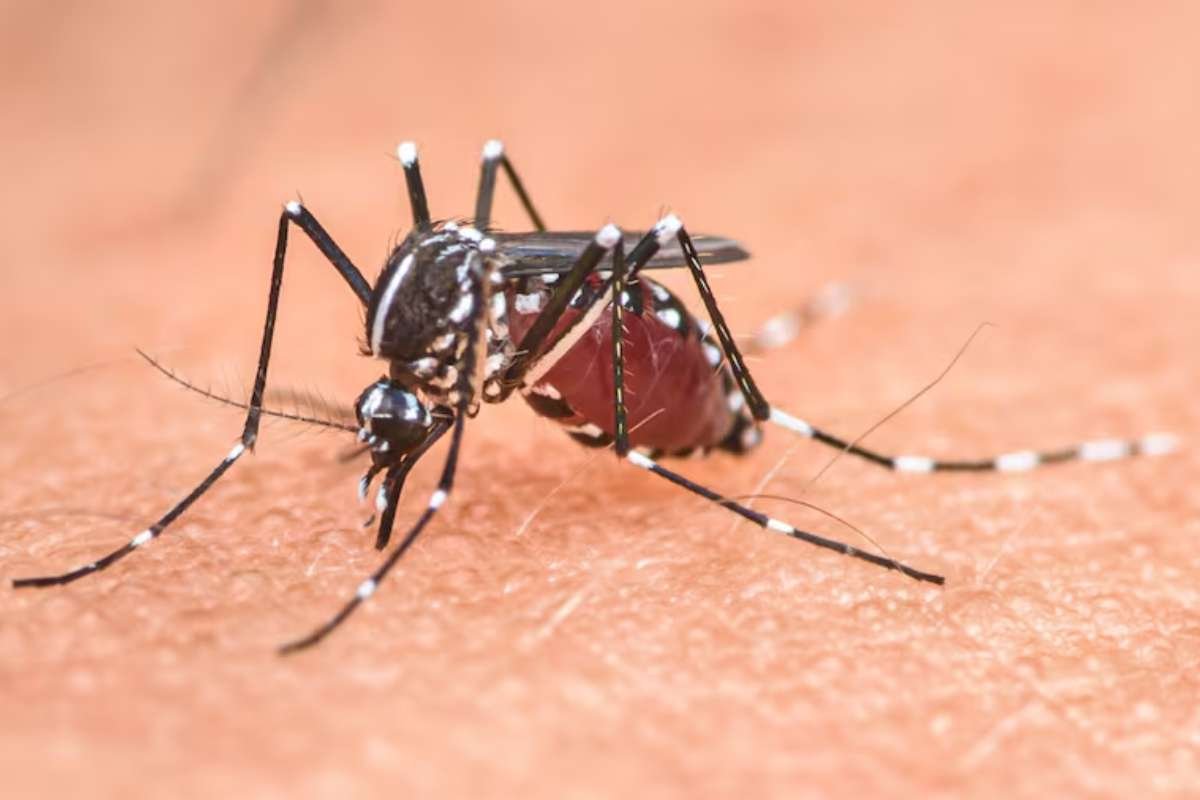
Mosquito pools collected Aug. 6 and 11 contained Aedes aegypti mosquitoes, the species that can transmit dengue to people. State surveillance treats positive pools as an early warning that the virus is circulating and allows local officials to increase mosquito-control measures.
Hillsborough adds seven cases in one week
Hillsborough County added seven locally acquired dengue cases in the latest reporting week, bringing its total for the year to 15. Pinellas County recorded its third locally acquired case during the week of Aug. 8-14, after reporting its first two cases in 15 years the previous week.
The Florida Department of Health reported 23 locally acquired dengue infections statewide in its latest arbovirus report. Miami-Dade County had four cases, and Palm Beach County had one at the time of the report. The state also reported 86 dengue infections associated with international travel.
Citrus County reported its first locally acquired dengue case after the Aug. 14 reporting update. The county health department and mosquito control agency said they were coordinating surveillance and prevention efforts, including increased truck spraying, aerial larvicide applications and ground inspections.
Rain creates more breeding sites
Recent rainfall has created more places for mosquitoes to breed across the Tampa Bay area, where locally acquired dengue cases have been reported since July. Aedes aegypti can breed in relatively small amounts of standing water around homes.
A positive mosquito pool does not represent an infected person, but it indicates that mosquitoes carrying the virus are present. Health officials say the findings do not necessarily mean dengue is spreading widely, but they reinforce the need for residents to reduce mosquito exposure.
The latest state report also found seven West Nile-positive mosquito pools in Escambia County in the western Panhandle. Florida recorded three travel-associated chikungunya cases during the week, bringing the year’s total to 50.
Residents urged to limit mosquito exposure
Health officials recommend using insect repellent, wearing long sleeves and pants, keeping doors and windows closed, and repairing damaged screens. Residents should also empty standing water from containers around their homes, particularly after rainfall.
Dengue is spread through the bite of an infected mosquito. Most people who become infected have mild symptoms or no symptoms, but some cases can become severe and require hospitalization.
Symptoms can include fever, headache, muscle and joint pain, and rash. They generally last about a week, according to health officials.
The Florida Department of Health has emphasized mosquito surveillance and prevention as summer rainfall continues. Local mosquito-control efforts can help identify areas where infected mosquitoes are present and reduce breeding sites.