Key Takeaway:
- CDC modeling warns the ongoing Bundibugyo Ebola outbreak in the DRC and Uganda could exceed 20,000 cases within three months if isolation measures remain weak.
- Increasing patient isolation to 70% dramatically reduces outbreak growth, with only about 5% of simulations projecting more than 10,000 cases.
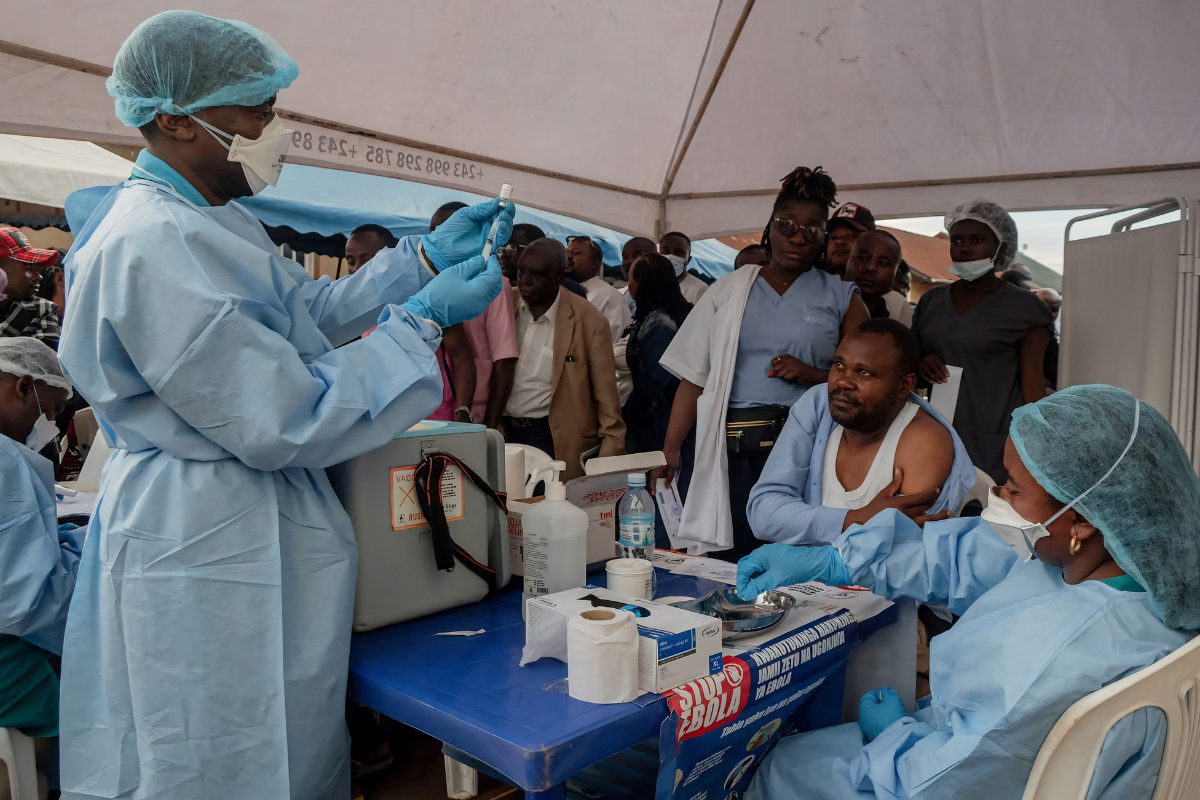
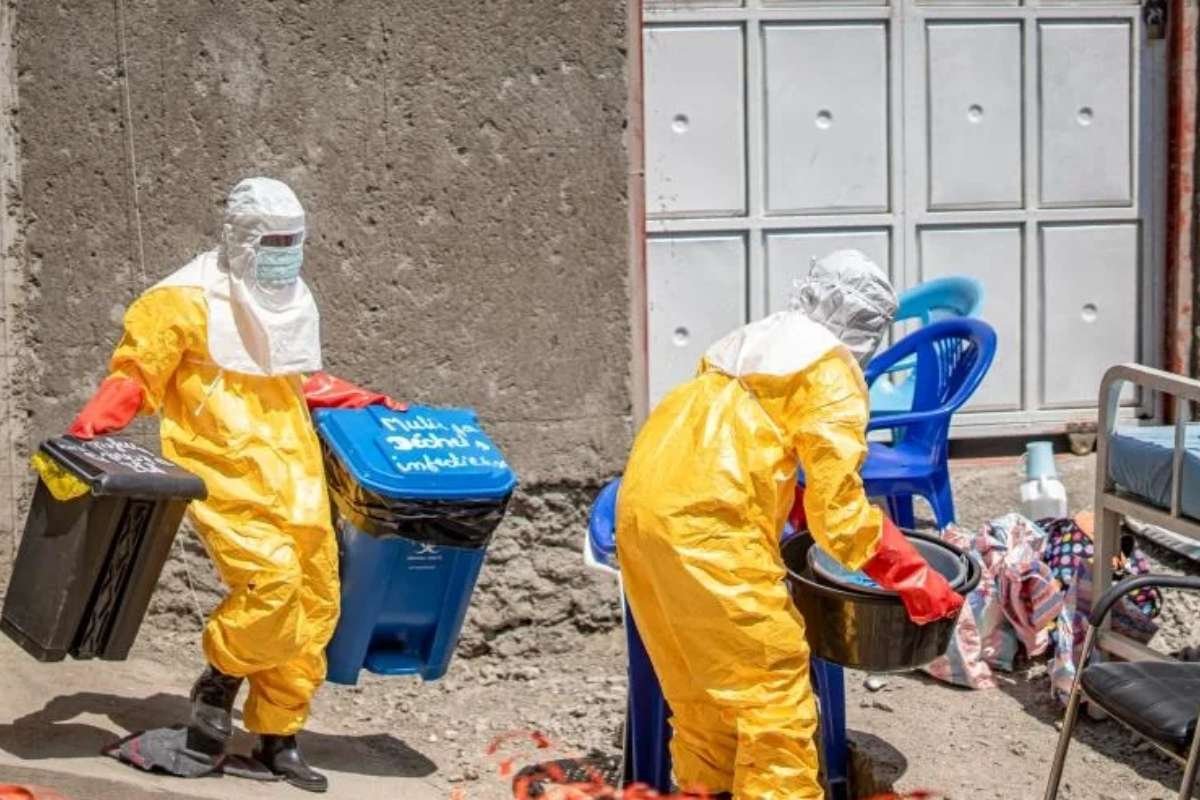
- Health officials say urgent, large-scale interventions, including case detection, isolation, contact tracing and safe burials. They are critical to prevent one of the largest Ebola outbreaks in history.
A CDC modeling analysis warns that the ongoing Bundibugyo Ebola outbreak in the Democratic Republic of the Congo and Uganda could become one of the largest Ebola epidemics in history within months unless health authorities rapidly identify, isolate, and treat infected patients.
CDC projections show risk of massive outbreak
The outbreak, caused by the Bundibugyo virus, a type of Ebola virus, has recorded 378 confirmed cases and 63 confirmed deaths as of June 2, according to health authorities in the Democratic Republic of the Congo and Uganda.
The U.S. Centers for Disease Control and Prevention used a transmission model to estimate how the Bundibugyo Ebola outbreak could evolve over the next three months under different public health response scenarios.
Researchers found that if only 20% of symptomatic patients are successfully identified and isolated, there is a 65% chance the outbreak could exceed 20,000 cases within 90 days, assuming 50 cumulative deaths had occurred by May 24.
The model also estimated that the outbreak likely began with a spillover event from an animal reservoir to humans in mid- to late February.
“The current BVD outbreak is already the largest known BVD outbreak,” the CDC report said, warning that it could become “one of the largest Ebola outbreaks ever documented” without urgent intervention.
Higher isolation rates dramatically reduce cases
The CDC analysis found that increasing patient isolation significantly lowers projected transmission and deaths.
Under a scenario where 70% of infected people are identified and isolated, only about one in 20 simulations projected an outbreak exceeding 10,000 cases within three months. Ninety-four percent of simulations projected fewer than 10,000 cases, while 90% projected fewer than 2,000 deaths.
Researchers evaluated four intervention scenarios, ranging from poor isolation rates of 20% to extremely high rates of 95%.
The model assumed isolation efforts would begin May 24 and that identified patients would enter treatment and isolation within an average of two days after symptom onset.
“Rapid identification of cases, contact tracing, isolation and treatment of persons with BVD, community engagement, and use of safe and dignified burial practices are necessary to control the outbreak,” the report stated.
The study also found that the Bundibugyo Ebola outbreak became substantially harder to contain when intervention efforts began later or when transmission rates were higher than expected.
Health officials call for large-scale response
CDC officials said the scale of the outbreak response may need to match efforts used during the 2014-2016 West Africa Ebola epidemic, which caused more than 28,000 cases and over 11,000 deaths.
The report noted that Bundibugyo virus disease causes severe hemorrhagic fever and spreads through direct contact with the bodily fluids of infected individuals or those who have died from the disease. No approved vaccine or medication currently exists for the virus.
Researchers cautioned that the projections depend on assumptions about the actual number of deaths, transmission rates, and the effectiveness of public health measures. Behavioral changes among communities and other factors not included in the model could also influence the outbreak’s trajectory.
Despite the alarming projections, CDC officials said their assessment of risk to the general U.S. population remains low. The agency noted that only two Ebola transmission events occurred in the United States during the much larger West Africa epidemic, both involving health care workers who later recovered.
Health authorities in the affected regions continue efforts to expand surveillance, treatment capacity, contact tracing, and community outreach as they seek to contain the Bundibugyo Ebola outbreak before it escalates further.