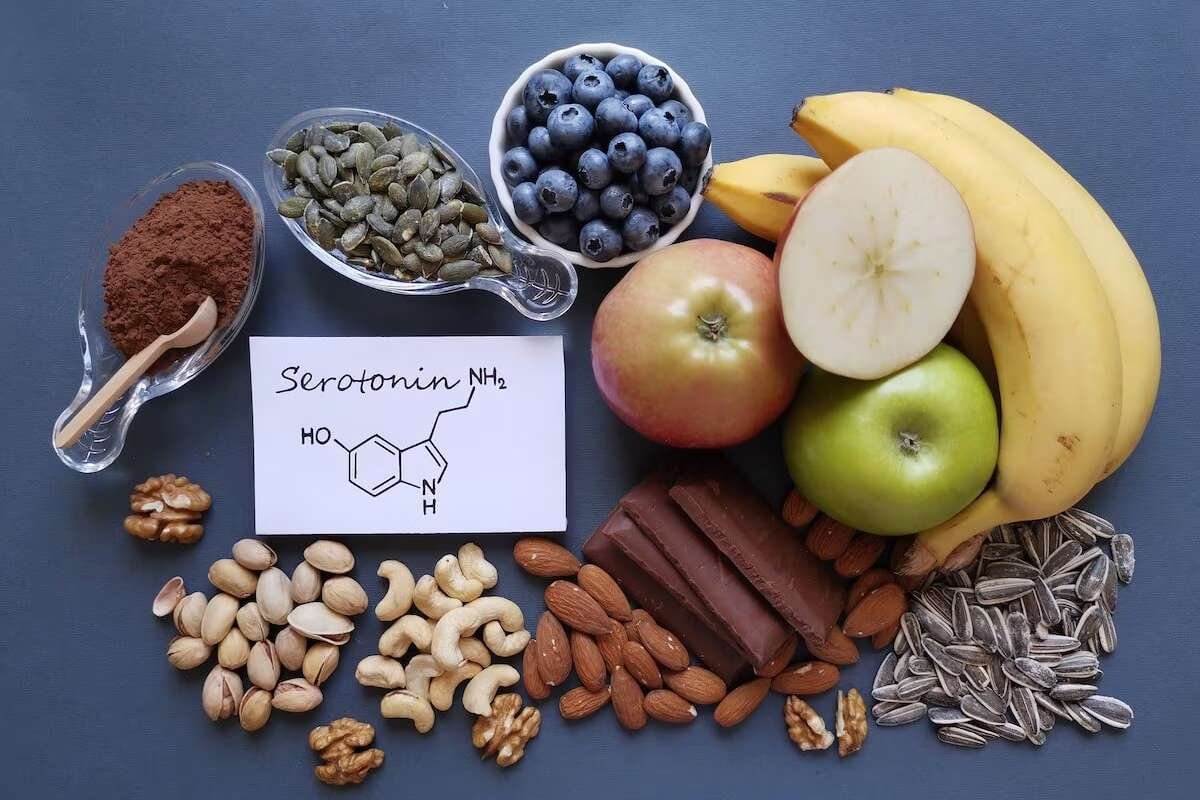
Food can play a role in brain health and mood. One reason is tryptophan, an amino acid that the body needs to make serotonin. Serotonin helps regulate mood, sleep, appetite, and pain.
Still, food does not work like fast mood medicine. Eating one of the foods that could boost your serotonin will not cause a sudden rise in brain serotonin. The body must first use tryptophan through several steps.
This guide looks at seven foods that provide tryptophan and other useful nutrients. It also explains how they may support the serotonin pathway and how to add them to simple meals.
Which are the Foods That Could Boost Your Serotonin Production?
Food can affect more than physical health. Diet provides nutrients that support brain function and may influence mood. In one 12-week randomized trial, 32.3% of people who received dietary support for depression reached remission.
The following seven foods provide tryptophan and other nutrients that can support a healthy diet and the body’s serotonin pathway.
1. Eggs
Eggs are an easy source of protein and tryptophan. They also contain vitamin B12, choline, and other nutrients that support normal body function.
Eggs are easy to use at any meal. Try scrambled eggs with whole-grain toast and fruit. You can also add boiled eggs to a salad.
A balanced meal gives you more than one nutrient. Pair eggs with vegetables, fruit, or whole grains for a fuller meal.
2. Salmon
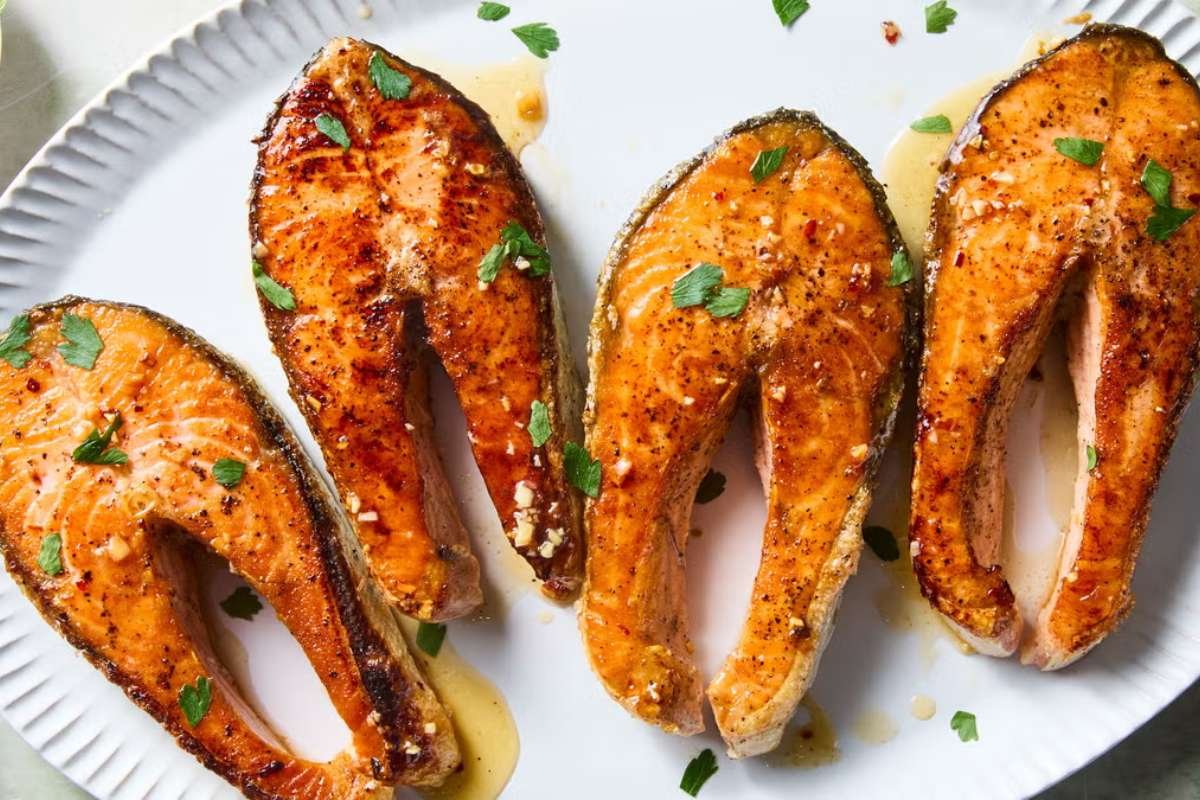
Salmon provides tryptophan, protein, and omega-3 fats. Omega-3 fats are important for brain and heart health.
Try salmon with brown rice and vegetables. You can also add cooked salmon to a salad or use it in a whole-grain sandwich.
Salmon is also a useful choice when you want a meal with protein and healthy fats. The goal is not to use salmon as a direct serotonin treatment.
3. Turkey and Chicken
Turkey and chicken both contain tryptophan and provide high-quality protein. Turkey is often linked with serotonin because it contains tryptophan.
However, eating turkey does not mean your brain will get a quick serotonin boost. Other amino acids compete with tryptophan as it moves into the brain.
Use grilled chicken or turkey in a wrap, salad, or grain bowl. Add vegetables and a whole-grain food to make the meal more balanced.
4. Tofu and Other Soy Foods
Soy foods are useful plant-based sources of tryptophan. Tofu, tempeh, soybeans, and edamame also provide protein.
Try tofu with rice and mixed vegetables. You can also add edamame to a salad or use tofu in a simple stir-fry.
These foods that could boost your serotonin are especially useful for people who eat less meat. They also make it easier to add more plant foods to meals.
5. Milk, Yogurt, and Cheese
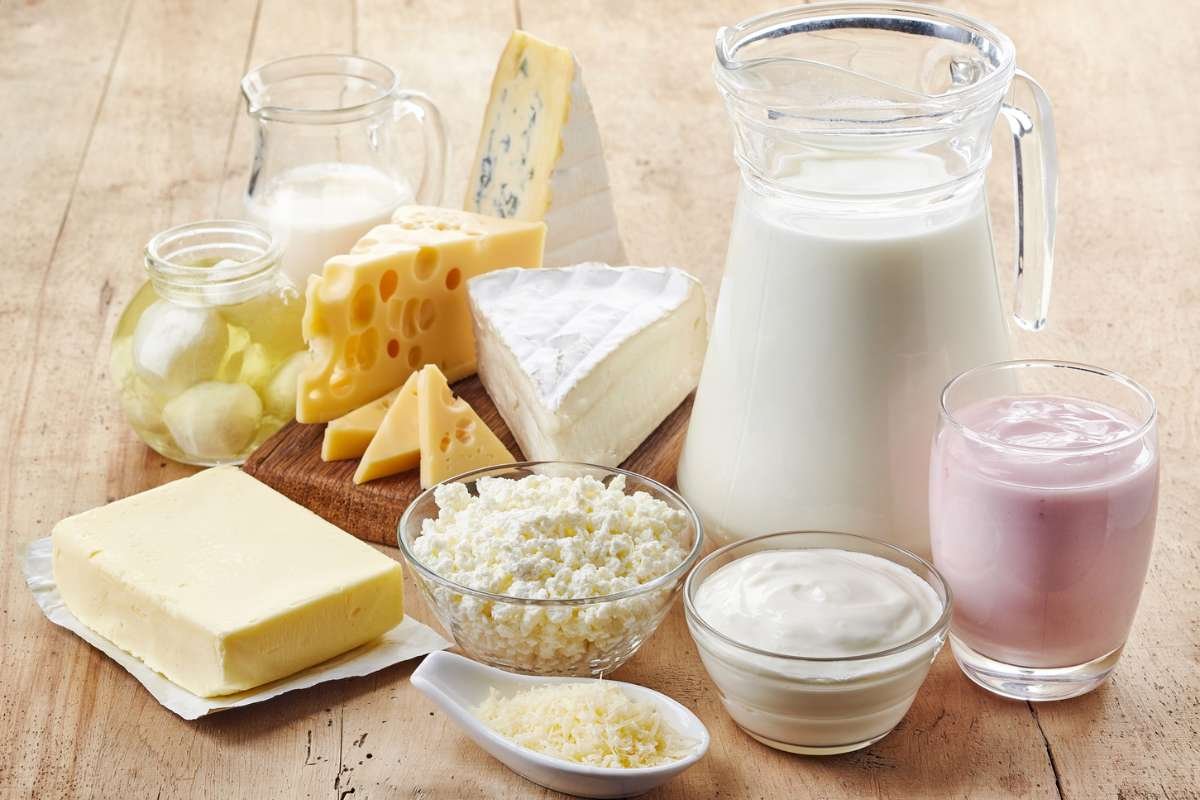
Dairy foods contain tryptophan and protein. Milk, yogurt, and cheese can also provide nutrients such as calcium. MedlinePlus lists cheese, milk, and other dairy foods among common food sources of tryptophan.
Greek yogurt with oats, fruit, and seeds makes a simple breakfast or snack. You can also add a small amount of cheese to eggs, salads, or whole-grain meals.
Choose the dairy option that fits your diet. If you avoid dairy, soy foods can provide another source of protein and tryptophan.
6. Nuts and Seeds
Nuts and seeds can add tryptophan, protein, healthy fats, and fiber to your diet. Good choices include peanuts, pumpkin seeds, sunflower seeds, and sesame seeds.
Add pumpkin or sunflower seeds to oatmeal or yogurt. You can also spread peanut butter on whole-grain toast or add nuts to a salad.
Nuts and seeds are energy-dense foods that could boost your serotonin. Therefore, small portions can be enough. Pair them with fruit or whole grains for a simple snack.
7. Beans and Lentils
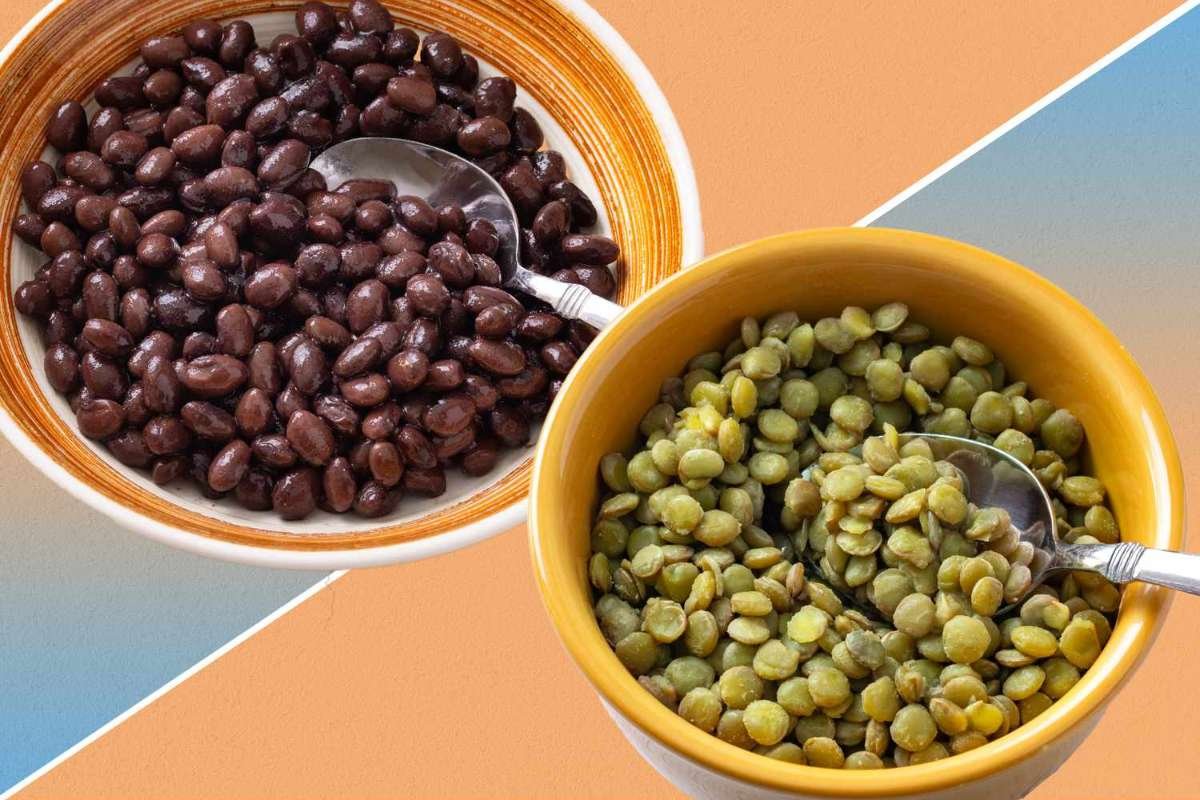
Beans and lentils provide plant protein, tryptophan, fiber, iron, and other nutrients. They are also easy to add to many meals.
Add lentils to soup or beans to a salad. Chickpeas work well in grain bowls, wraps, and simple salads.
Beans and lentils can also help make meals more filling. Pair them with whole grains and vegetables for a meal with a wider mix of nutrients.
How Do Foods That Could Boost Your Serotonin Work?
Tryptophan is an essential amino acid. This means the body cannot make enough of it on its own, so you need to get it from food. Only about 1–2% of dietary tryptophan is estimated to be converted into serotonin in the brain. However, the amount available to the brain can affect serotonin production.
The body can use tryptophan to make serotonin and melatonin. Serotonin is involved in mood, sleep, appetite, pain, and other body functions.
But the process is not as simple as “eat tryptophan, make more serotonin.” Other amino acids use the same transport system to enter the brain. This can affect how much tryptophan reaches the brain.
So, the main takeaway is simple: foods with tryptophan can support normal nutrition, but they should not be viewed as a quick way to raise brain serotonin.
How Can You Add These Foods to Your Diet?
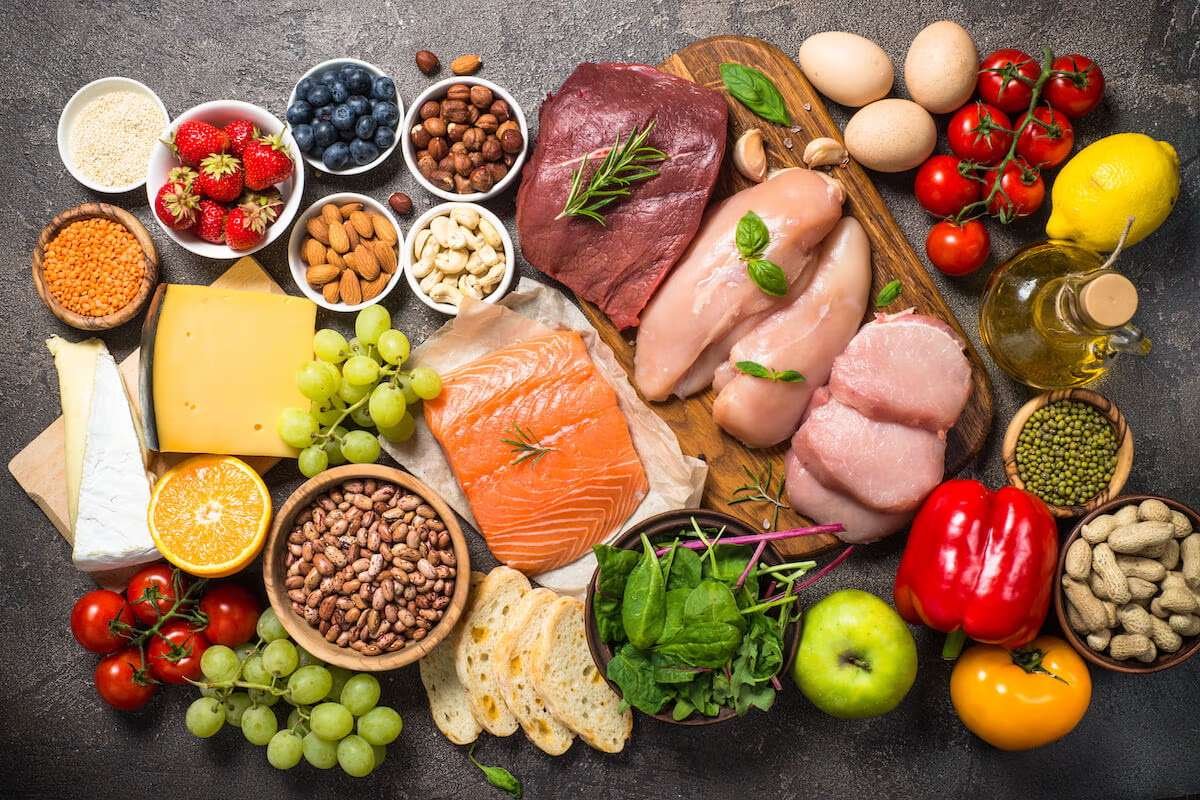
You do not need to build your diet around one “serotonin food.” Instead, aim for simple meals that combine several food groups.
Here are a few easy ideas:
- Eggs + whole-grain toast + fruit
- Salmon + brown rice + vegetables
- Tofu + rice + mixed vegetables
- Yogurt + oats + pumpkin seeds + berries
- Lentils + whole grains + vegetables
- Chicken + beans + vegetables in a whole-grain wrap
These meals provide a mix of protein, carbohydrates, fiber, fats, vitamins, and minerals. That broader mix matters more than focusing on one food.
What Should You Know Before Changing Your Diet?
Foods that could boost your serotonin can fit into a balanced eating plan. But they should not be treated as a quick fix for low mood.
Also, food and tryptophan supplements are not the same. Supplements can provide much larger amounts of a nutrient than normal meals. Talk with a doctor or pharmacist before taking tryptophan or other supplements, especially if you use medicines that affect serotonin.
It is also worth avoiding claims that one food can “cure” depression or sharply raise brain serotonin. Current research does not support such a simple promise. The link between diet, tryptophan, and brain serotonin is more complex.
Conclusion
Foods that could boost your serotonin mainly provide tryptophan and other nutrients that support normal body function. Eggs, salmon, poultry, soy foods, dairy, nuts and seeds, and beans or lentils are easy options.
The best approach is variety. Add these foods to balanced meals instead of relying on one food for a mood boost. Food can support overall health, but persistent mood symptoms need proper medical care.
FAQs
1. What foods are high in tryptophan?
Eggs, poultry, fish, dairy foods, soy foods, nuts, seeds, beans, and lentils contain tryptophan.
2. Does eating turkey increase serotonin?
Turkey provides tryptophan, but eating turkey does not automatically cause a large rise in brain serotonin.
3. Can bananas increase serotonin?
Bananas contain serotonin, but serotonin in food does not cross the blood-brain barrier. Bananas can still be part of a healthy diet.
4. What is the link between tryptophan and serotonin?
Tryptophan is an amino acid the body uses to make serotonin. How much tryptophan reaches the brain depends on several factors.
5. Can foods that could boost your serotonin treat depression?
No. These foods can support a balanced diet, but they should not replace professional care for depression.