Key Takeaway:
- The Lindsay Clancy trial is fueling debate over Massachusetts’ child protection and mental health laws.
- Retired Judge Carol Erskine says the law allows intervention based on a likelihood of serious harm, not just a suicide plan.
- The case highlights calls for earlier safety planning to protect children when a parent’s mental health is deteriorating.
The Lindsay Clancy murder trial is renewing scrutiny of Massachusetts law and whether mental health providers and child-protection officials should act sooner when a parent poses a potential risk to children.
Clancy case puts mental health safeguards under scrutiny
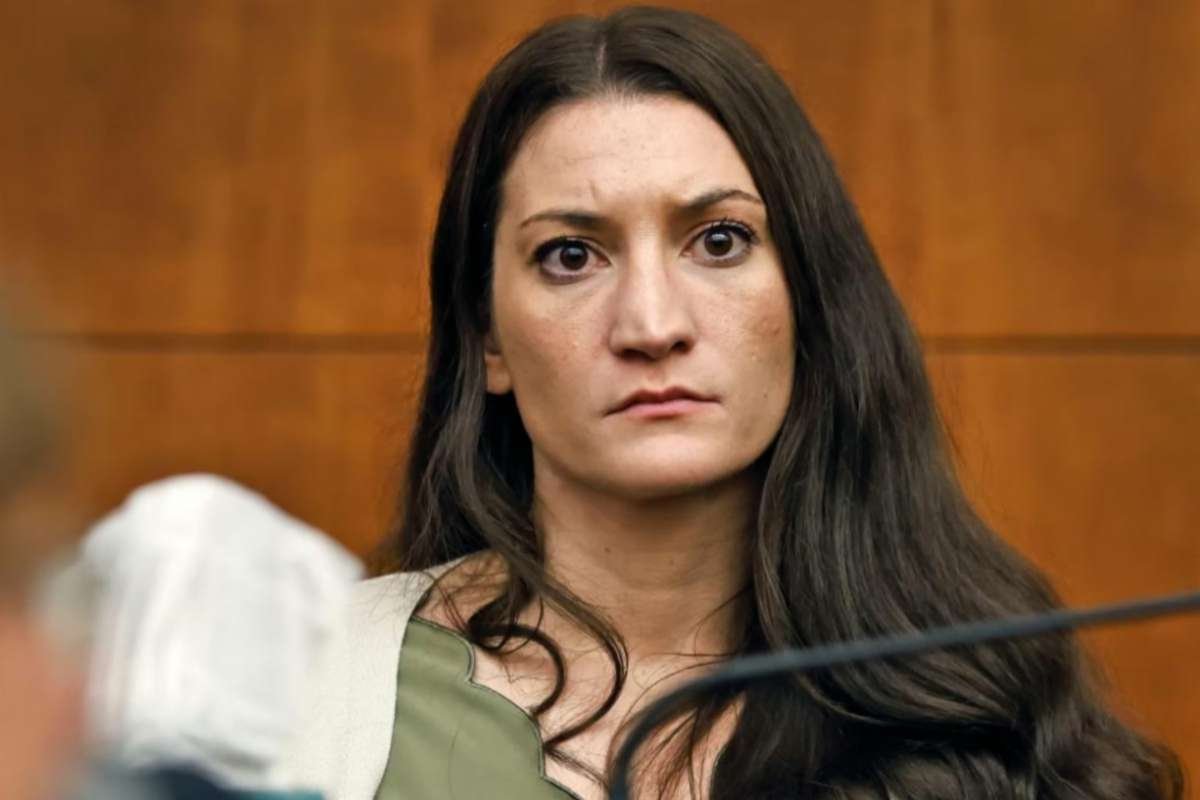
Clancy, a Massachusetts mother, is on trial in Plymouth Superior Court for the 2023 deaths of her three young children. She does not dispute killing them but is pleading not criminally responsible, with her defense arguing that postpartum psychosis and other mental health problems impaired her judgment.
Prosecutors argue the killings were deliberate and point to evidence they say shows planning. The defense has focused on Clancy’s deteriorating mental health, treatment history, and claims that she was suffering from severe postpartum psychosis.
The case has also raised broader questions about how Massachusetts responds when adults experiencing psychiatric crises live with children who may be vulnerable.
Erskine says Massachusetts law allows earlier intervention
Retired Massachusetts Juvenile Court Judge Carol Erskine said the state’s standard for involuntary commitment is broader than the presence of a specific suicide plan.
“There’s nothing in the law that says anything about a suicide plan,” Erskine said during an interview on “Canton Confidential.” She said the law focuses on whether there is a “likelihood of serious harm” and includes multiple circumstances that can justify intervention.
Erskine said she has handled hundreds of child abuse cases involving parents with serious or worsening mental illnesses. In some cases, she said, courts and the Department of Children and Families could establish safety plans or place children with relatives.
Mental health providers are mandated reporters under Massachusetts law, Erskine said. She argued that providers responding to a parent with suicidal thoughts and worsening mental health should also consider whether children in the home need protection.
Child safety plans could become central to debate
“That’s the thing that’s missing in this case,” Erskine said. “No one seemed to really care about the status of the children until this horrific tragedy happened.”
Her comments do not establish whether any individual provider or agency violated Massachusetts law in Clancy’s case. That question is separate from the criminal trial and any related civil litigation involving Clancy’s medical care.
The trial has placed postpartum psychosis at the center of a broader discussion about mental health care, including debate over access to treatments such as the first FDA-approved postpartum depression medication. The condition is rare but can severely disrupt a person’s perception of reality after childbirth, according to medical experts cited in the original coverage of the case.
The criminal case also raises a difficult distinction: A person’s need for psychiatric treatment does not automatically mean that person is dangerous or that children must be removed from the home. But Erskine’s comments underscore the question of whether warning signs should prompt a coordinated safety assessment before a crisis becomes catastrophic.
As the trial continues, the jury will decide whether Lindsay Clancy is criminally responsible for her children’s deaths. The broader policy debate, including how mental health providers, families, courts and child-protection agencies should respond to escalating crises, extends beyond the verdict.