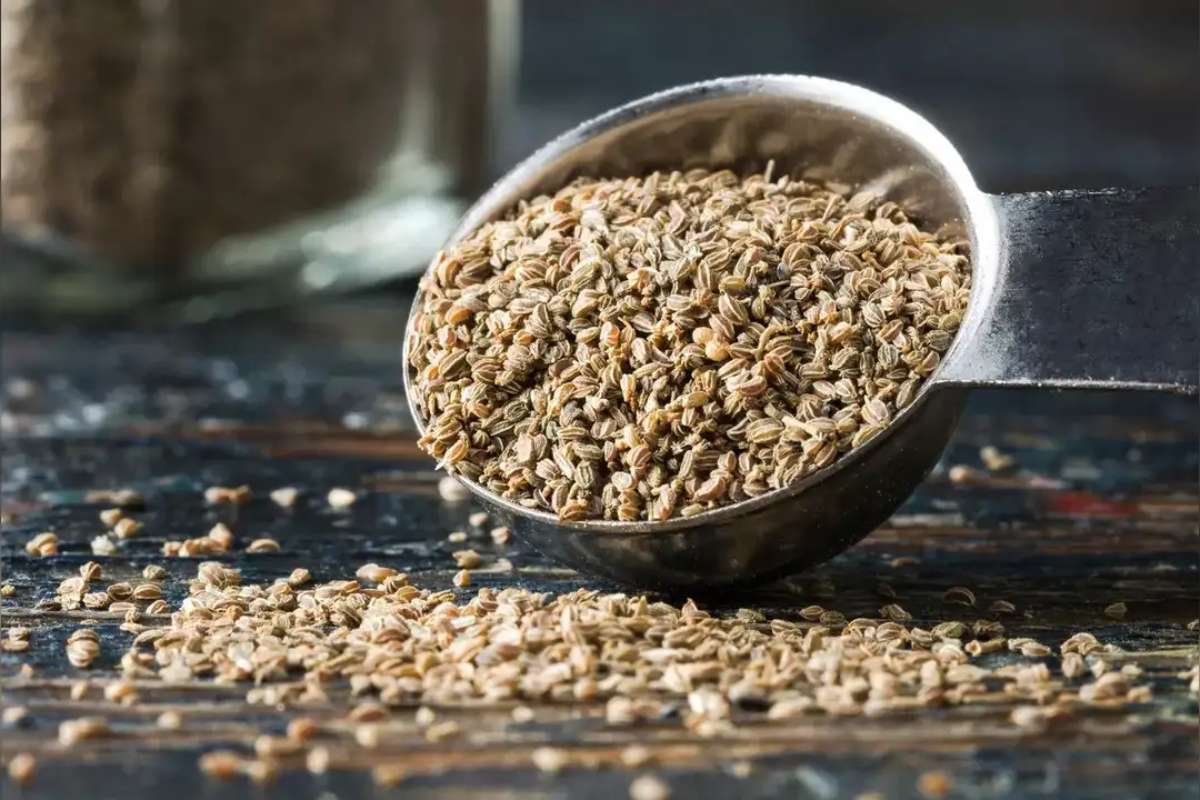
Ever wondered why grandma kept a jar of celery seeds next to the salt shaker? Turns out she was onto something. These tiny brown seeds pack a surprising nutritional punch, and researchers are still uncovering new benefits of celery seeds every year.
Celery seeds come from the same plant as the crunchy stalks you toss into soups and salads. But the seeds carry a much more concentrated dose of nutrients and plant compounds. They contain vitamin K, vital for healthy bones and blood clotting, along with vitamins A and C, both of which are powerful antioxidants that protect the body against oxidative stress damage.
In this article, we break down the top celery seed benefits, back each claim with real research, and show you simple ways to add them to your diet. Whether you’re chasing better heart health or just want a natural flavor boost, this guide has you covered.
Benefits of celery seeds: what nutrients make them so powerful?
Small size, big nutrition. That’s the easiest way to describe celery seeds. They’re nutrient-dense and particularly rich in calcium, manganese, and iron, while staying low in calories and offering a balanced mix of carbs, protein, and fat.
This nutrient density is a huge part of why the benefits show up across so many areas of health, from bone strength to metabolism. A single tablespoon delivers minerals your body needs daily, without adding many calories to your plate.
| Nutrient | Role in the Body |
| Calcium | Supports bone and teeth strength |
| Manganese | Aids metabolism and antioxidant defense |
| Iron | Helps carry oxygen in the blood |
| Vitamin K | Regulates blood clotting |
| Vitamin A & C | Fight oxidative stress |
Can celery seeds support heart health?
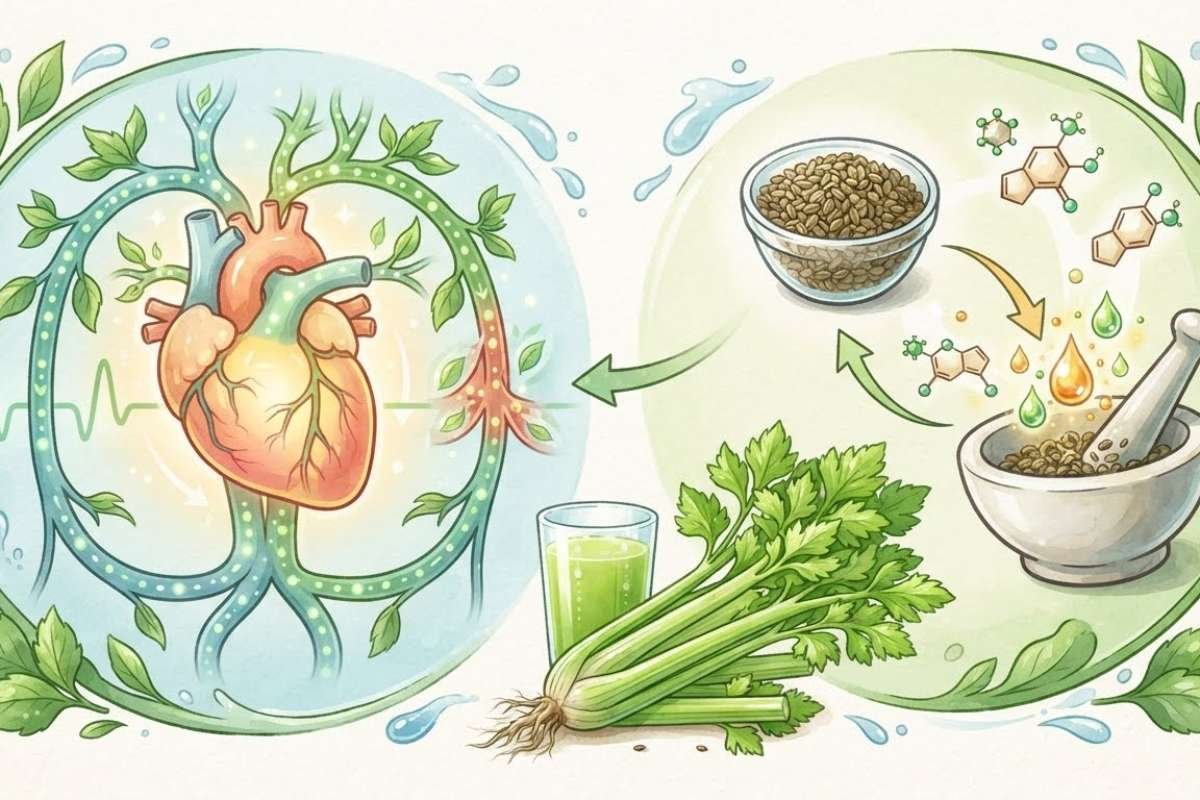
Heart disease remains a top health concern for millions of people, and food choices matter more than most realize. This is where the benefits of celery seeds start to stand out. Studies show that celery seeds have antihypertensive effects, help lower blood glucose, and decrease serum lipid levels.
That combination matters because blood pressure, blood sugar, and cholesterol are the three biggest drivers of cardiovascular risk. Adding celery seeds to your cooking won’t replace medication, but it can support a heart-healthy eating pattern alongside other smart habits.
Do celery seeds help digestion?
If your stomach feels off after meals, celery seeds might be worth a try. As a digestive tonic, celery seeds soothe and settle the gastrointestinal tract, thanks to a pungent volatile oil known as apiol.
Traditional medicine systems have leaned on this property for generations, using celery seeds to calm bloating and support smoother digestion. One of the lesser-known benefits of celery seeds is their gentle effect on gut comfort, which makes them a common addition to soups, broths, and pickling spice blends.
Beyond soothing digestion, celery seeds may also support a healthier gut microbiome. These seeds can help beneficial bacteria thrive while keeping harmful strains in check, which ties back to overall metabolic health.
Are celery seeds good for fighting inflammation and bacteria?
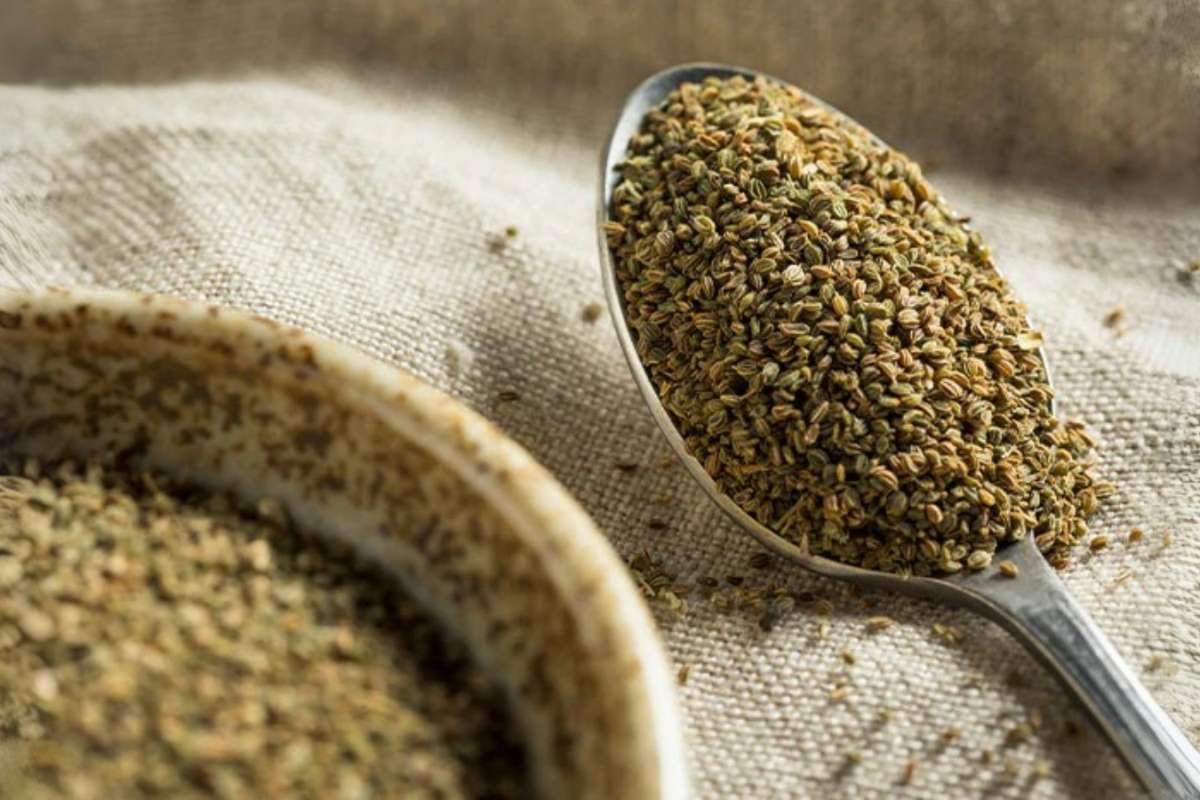
Inflammation sits at the root of many chronic health issues, from joint pain to digestive discomfort. Celery seed extract has shown promise here too. Due to the antispasmodic and antimicrobial properties of the pungent volatile oil apiole, it is also effective for muscular cramping and pain that may be associated with infection.
Lab studies back this up in other ways as well. Test-tube research has found that celery seed extract can fight certain bacteria linked to stomach ulcers, and similar antibacterial effects have been shown against yeast and mold strains too. Researchers now explore celery seed extract as a natural food preservative because of these findings.
These antimicrobial benefits of celery seeds are still being studied in humans, so think of them as a promising bonus rather than a proven treatment. Still, it’s one more reason herbalists have used this seed for centuries.
Can celery seeds lower cancer risk?
This is one of the more exciting areas of ongoing research. Celery seeds contain a flavonoid called apigenin, which has drawn attention from scientists studying colorectal cancer prevention. Celery contains a high concentration of apigenin, which may help destroy cancer cells through autophagy and apoptosis in the early tumor phase.
It’s important to stay realistic here. Most of this research comes from animal or lab studies, not large human trials. That means the cancer-related benefits are promising but not yet confirmed for everyday use. Talk to a doctor before relying on any food as a cancer prevention strategy.
Enjoying the benefits of celery seeds: how to add them to your diet?
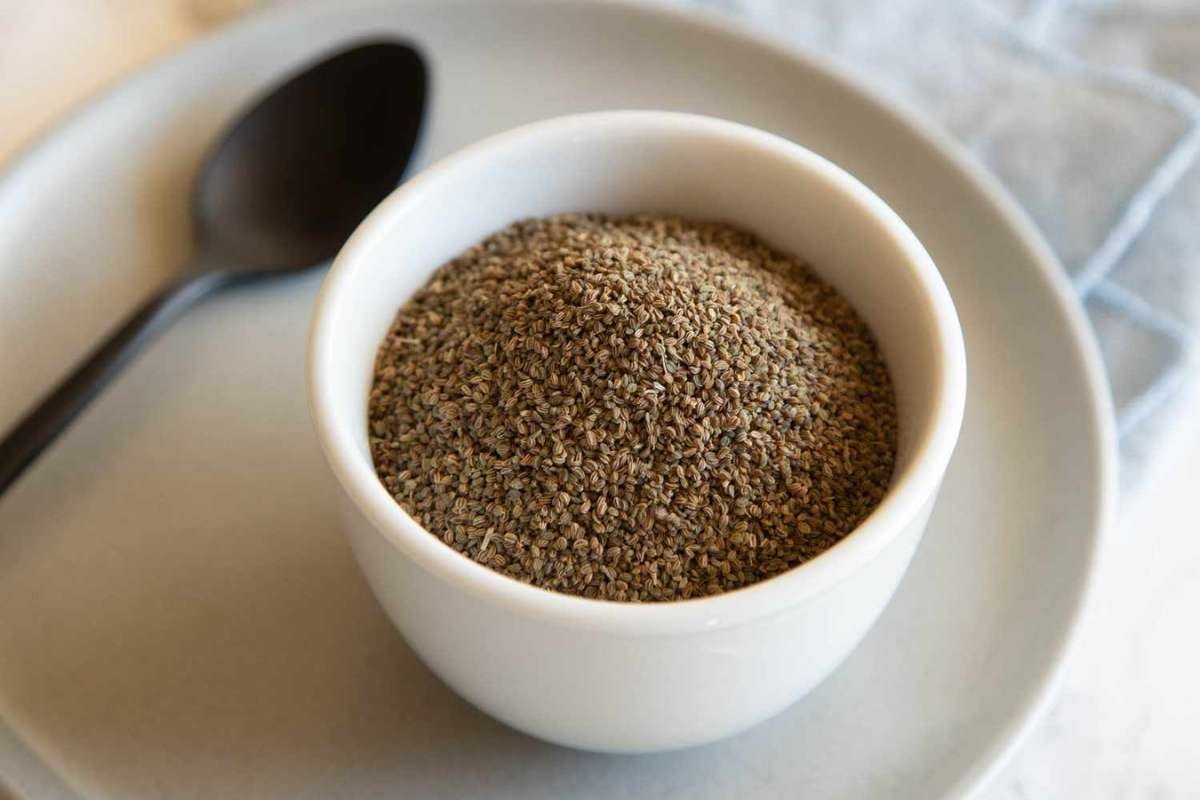
Getting more celery seeds into your meals is easier than you think. Celery seeds add flavor and depth to simple dishes such as soups, salads, and stews, and they work especially well in fermented foods like pickles and sauerkraut.
Here are a few simple ways to start:
- Sprinkle over roasted vegetables or potato salad
- Mix into homemade salad dressings or marinades
- Add to pickling brine for extra depth
- Blend into spice rubs for grilled meats
- Stir into soup broths for a savory kick
A little goes a long way. Start with a half teaspoon and adjust to taste, since the flavor is more concentrated than fresh celery stalks.
Are there any risks with celery seeds?
Like most natural remedies, celery seeds aren’t right for everyone. Pregnant women should avoid concentrated celery seed products, since they may stimulate the uterus. People with kidney issues should also steer clear.
Celery seeds can interact with certain medications too, including thyroid drugs, diuretics, blood thinners, and sedatives. If you’re on any prescription medication, check with your doctor before adding celery seed supplements to your routine. Culinary amounts used in cooking are generally considered safe for most healthy adults.
The bottom line
Most spice jars sit forgotten in the back of a cabinet, but celery seeds earn a spot up front. The benefits of celery seeds include heart support, gut comfort, and antioxidant protection that few everyday ingredients can match. Researchers are still mapping the full picture, especially around inflammation and cancer-fighting compounds like apigenin, so treat these findings as encouraging rather than final.
What’s already clear is this: swapping a pinch of celery seed into your next soup, dressing, or spice rub costs you nothing and adds real nutritional value. Talk to your doctor if you’re on medication, then let your kitchen do the rest of the work.
FAQs
1. Can celery seeds help with weight loss?
They’re low in calories and may support metabolism, but they aren’t a standalone weight loss solution.
2. What’s the difference between celery seed and celery salt?
Celery salt is simply ground celery seed mixed with table salt for seasoning.
3. How should celery seeds be stored?
Keep them in an airtight container away from heat and light to preserve flavor and potency.
4. Can I use celery seeds instead of fresh celery in recipes?
Yes, though seeds are more concentrated, so use less than you would fresh celery.
5. Are celery seed supplements different from culinary seeds?
Yes, supplements are more concentrated and carry stronger effects, so they require more caution around dosage and interactions.
Sources: