Psychedelic-assisted therapy is a supervised treatment combining psychotherapy with psychedelic medicines for certain mental health conditions. Learn how it works, who it may help, its benefits, risks, legal status, and what to expect before, during, and after therapy, based on current clinical research
You might’ve seen it popping up on social media or come across a news article or research paper. And ended up pondering over what Psychedelic-assisted therapy is. It involves the use of drugs such as psilocybin or MDMA. It acts as an adjunct to psychotherapy in the treatment of post-traumatic stress disorder (PTSD), major depression, and addiction. It is drawing attention due to randomized trials that show large and sustained reductions in symptoms. Psilocybin has shown rapid antidepressant effects with response rates often exceeding 60% at 6 months in recent trials. Along with regulatory pathways like breakthrough therapy designations are accelerating research.
You will learn about protocols, quality of evidence, risks, and clinical contexts. It’s not recreational drug use, and it’s a medical, therapist-led intervention that takes place in controlled settings and with trained professionals.
Table of Contents
What is psychedelic-assisted therapy?
Psychedelic therapy is a supervised mental health treatment that combines a psychedelic medicine with psychotherapy to help people work through issues like trauma, depression, or anxiety. It is different from recreational use. It happens in a clinical setting, with preparation, guided sessions, and follow-up care. This is not for getting high.
Psychotherapy is essential because the medicine alone is not the treatment. The therapy helps patients process thoughts, emotions, and insights that come up during the session. Supervision matters because trained professionals create a safe environment, monitor reactions, and support integration after the experience.
How psychedelic-assisted treatment supports emotional wellness

This approach may support emotional wellness and mental health by helping people explore painful experiences and build healthier patterns, but it is still being studied and is not a recreational drug use model.
How Does Psychedelic-Assisted Therapy Work?
It works in a few clear steps: a patient is first evaluated to see whether the treatment is appropriate. Then they complete preparation sessions. It is followed by a supervised medicine session. And later integration sessions to make sense of the experience and apply insights in daily life. Integration is essential because it helps turn a temporary session into lasting change.
Patient Journey Timeline: Assessment → Preparation → Medicine Session → Integration → Long-term Follow-up.
Therapist support matters throughout the process. Especially during the medicine session and integration phase. Because the goal is not just the psychedelic experience itself but the therapeutic processing around it.
How emotional dysregulation can affect therapy outcomes
When emotional dysregulation in adults is high, it can be harder to stay grounded, process difficult feelings, and carry insights into everyday life. That is why careful screening, support, and follow-up are important in psychedelic treatment.
This is why it is more than a medicine session; it is a structured clinical process designed to support safer, more useful outcomes.
What conditions can psychedelic-assisted therapy help treat?
It may help with several mental health conditions. But the evidence is strongest for depression and PTSD. Along with moderate support for alcohol use disorder and other substance use disorders.
| Condition | Evidence | Current Status |
| Depression | Strong | Advanced clinical research |
| PTSD | Strong | Advanced clinical research |
| Alcohol Use Disorder | Moderate | Ongoing studies |
| OCD | Emerging | Early trials |
| Anxiety related to serious illness | Moderate | Ongoing studies |
| Substance use disorders | Moderate | Ongoing studies |
| Eating disorders | Emerging | Early trials |
| Chronic pain | Emerging | Early research |
Research reviews report large effects for depression and promising results for PTSD. Alcohol use disorder, OCD, eating disorders, and chronic pain are still in earlier stages of study.
Benefits, risks, and side effects:
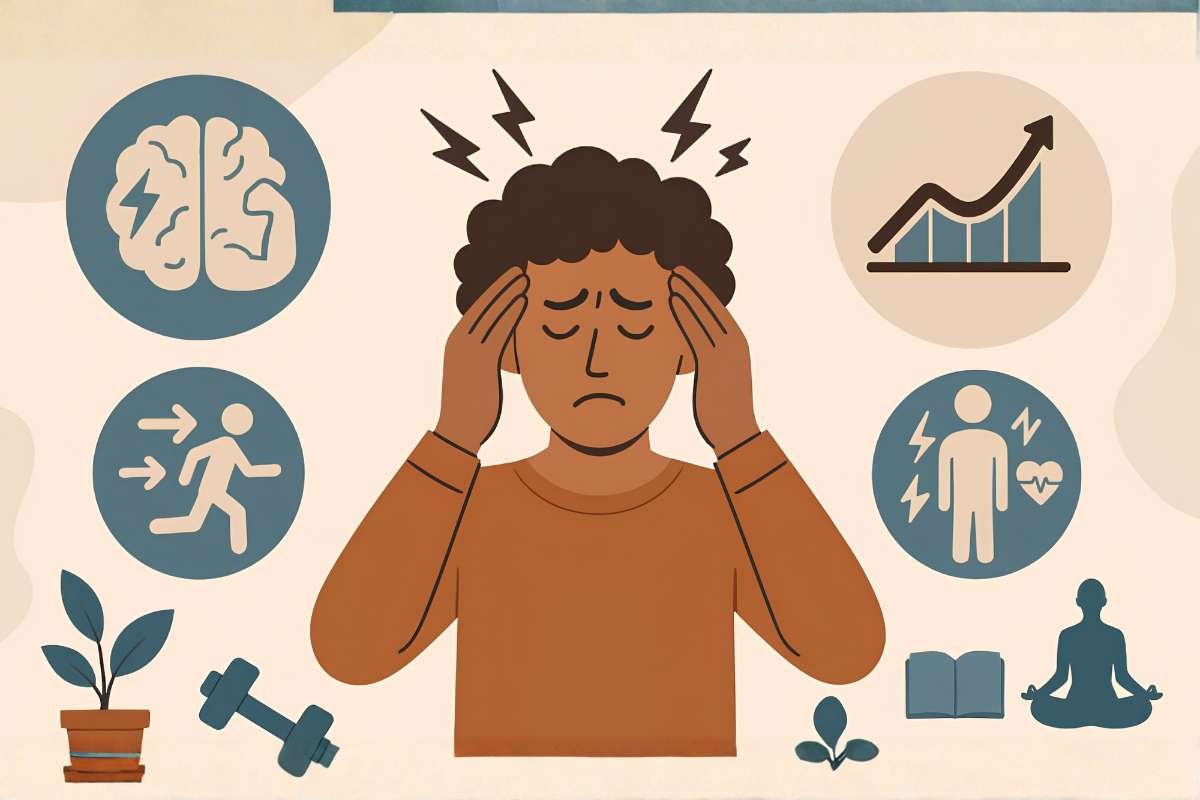
Psychedelic-assisted therapy may offer symptom reduction, emotional processing, greater psychological flexibility, and better quality of life in some people. In studies, the benefits often come from the therapy process around the medicine, not the drug alone.
Benefits
The main benefit is that some patients report meaningful symptom relief after a few supervised sessions. It may also help people process difficult emotions and view problems in a new way. Early research suggests it can improve well-being when used with careful screening and support.
Risks
Common risks include anxiety, distressing experiences, and temporary increases in blood pressure. Some people may feel worse afterward, especially if they are vulnerable to psychosis-like symptoms or severe mood instability. These effects are usually why trials use close monitoring and follow-up.
Who Should Avoid It
People with psychosis, bipolar I disorder, or certain cardiovascular conditions are often excluded from trials. Pregnancy is also usually avoided depending on the protocol. Screening matters because it is not appropriate for everyone.
| Condition | Benefit/Risk |
| Depression | Potential benefit |
| PTSD | Potential benefit |
| Anxiety | Potential benefit, but can also worsen temporarily. |
| Blood pressure | Risk of temporary increase |
| Psychosis/bipolar I | Avoid |
Current research, FDA status, and legal landscape:
In psychedelic-assisted therapy, the legal picture is still evolving. In the U.S., some psychedelic compounds have received Breakthrough Therapy designation, which speeds development and review, but it is not approval.
Timeline
2019: Psilocybin and MDMA research moved deeper into late-stage clinical trials, reflecting growing interest in supervised therapeutic use.
2023: The FDA was still reviewing psychedelic medicine data, and clinical programs remained investigational rather than approved treatments.
2025: FDA activity continued to focus on trial data, safety, and access pathways; ketamine and esketamine remained the main approved options in the U.S. for depression-related care.
Future Outlook: More phase 3 trials, clearer prescribing guidance, and possible approvals may follow if benefits continue to outweigh risks.
FDA status
Psilocybin and MDMA are still investigational in most therapeutic uses, meaning they are studied in clinical trials but not broadly approved. Ketamine has long been used in medicine, while esketamine is an approved depression treatment in the U.S.
Global landscape
Regulation differs by country: some allow limited clinical or compassionate use, while others restrict psychedelic medicines to research settings only.
The key point is that psychedelic-assisted therapy is moving forward scientifically, but approval and access still depend on country, drug, and indication.
What to expect before, during, and after therapy?

Before psychedelic-assisted therapy, patients are usually screened for medical and mental health risks, told what the session may feel like, and asked to give informed consent. This step is meant to set expectations and reduce avoidable risks.
During the session, the treatment takes place in a comfortable clinical environment with therapist support and monitoring throughout. The goal is safety, calm, and guidance, not recreation or self-directed use.
Afterward, integration sessions help patients process emotions, organize insights, and apply them to daily life. Follow-up care matters because the real benefit often comes from what happens after the medicine session ends.
Therapy approaches that may complement psychedelic-assisted therapy
Some people may also benefit from supportive approaches such as CBT vs DBT, depending on whether the focus is thought patterns or emotion regulation. In-person therapy vs teletherapy for emotional wellness can also be considered for accessibility and continuity of care, while therapy vs medication for emotional wellness is often best viewed as a combined-care question rather than an either-or choice. These are complementary considerations that can support the broader treatment plan around this therapy.
Conclusion:
Psychedelic-assisted therapy is a therapist-led, structured treatment that is being studied for conditions such as depression, PTSD, and addiction. This isn’t recreational; it requires screening, supervision, and integration to turn short-term insights into meaningful change.
The evidence is encouraging, but the field is still evolving, with approvals, access, and protocols differing by location. It’s best to think of it as a medical approach that could help some people when standard care isn’t enough.
Read the sections above to find out how it works, who it might help, and where the research is up to.
FAQ:
1. In what states is psychedelic-assisted therapy legal?
This remains illegal at the federal level, but specific state laws vary. Oregon, Colorado, and New Mexico are the only states that have legalized psilocybin-assisted therapy or regulated therapeutic facilitation.
2. What is an example of psychedelic-assisted therapy?
Common examples include the “classic” psychedelics psilocybin, LSD, and DMT, which exert different effects on the brain through a common pathway interacting with serotonin receptors.
3. Is psychedelic-assisted therapy covered by insurance?
Coverage for psychedelic therapies remains limited and highly variable. Many psychedelic services are not reimbursed, and when integration therapy is covered, actual administration (eg, ketamine infusions) often is not.
4. What is the trippiest drug?
When it comes to the “trippiest” substance, N, N-dimethyltryptamine (DMT) and Salvia divinorum are universally considered the most intense.
5. What is the success rate of psychedelic therapy?
Psychedelic-Assisted Therapy (PAT) offers a new approach. Its 50-60% early success rates are remarkably high.
Links and Sources: